

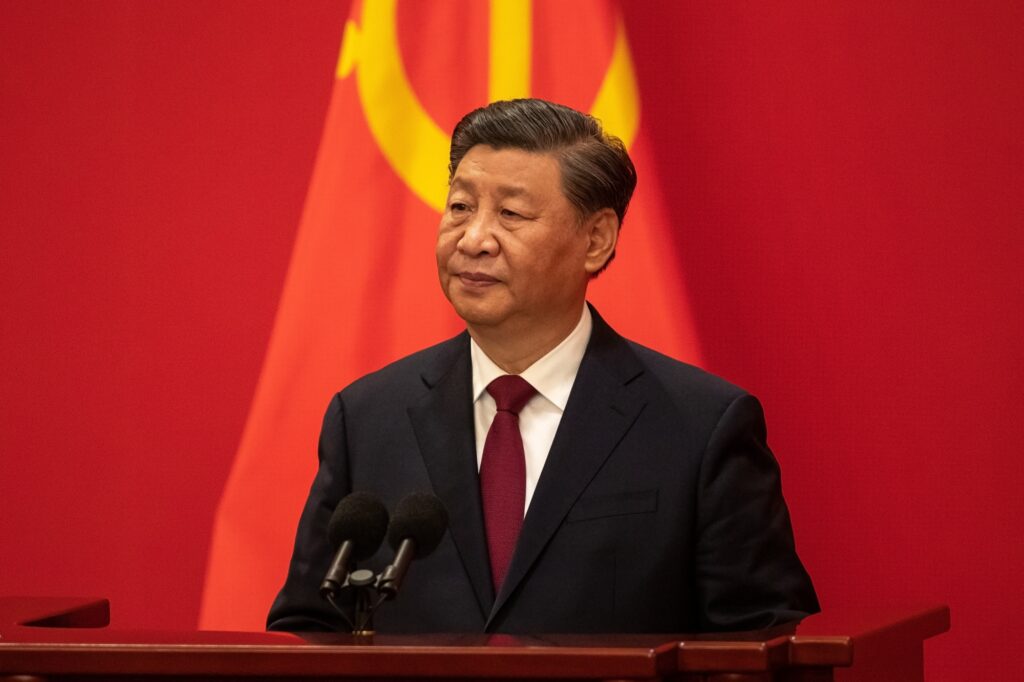
On July 25, the United States Senate displayed overwhelming support for a bipartisan legislation that will make it mandatory for U.S. companies to disclose any investments made in Chinese technologies.
The amendment, which garnered a remarkable vote of 91 to 6, is an addition to the National Defense Authorization Act (NDAA) and is expected to be put into effect later this year, presumably in 2023.
Under this amendment, U.S. companies will be required to inform federal agencies about their outbound investments in Chinese technologies, specifically targeting semiconductors used in artificial intelligence (AI) applications.
The amendment was jointly proposed by Democratic Senator Bob Casey and Republican Senator John Cornyn, based on a version of the Outbound Investment Transparency Act that seeks to address the risks associated with U.S. foreign investments in countries like China.
Senator Casey expressed his strong support for the amendment, emphasizing the necessity of having outbound investment notification to gain a clear understanding of the critical technology being transferred to potential adversaries through these capital flows.
READ MORE: Former FTX CEO Accepts Gag Order Amidst Trial
He further stated that such information would enable the United States to strategically “take control” of its economic future.
The current version of the bill is expected to pass through the Senate by the end of the week, after which it will be reconciled with a related bill that was previously passed in the House of Representatives. Eventually, the final version will be sent to President Joe Biden’s desk for approval.
This legislation comes amid an ongoing tit-for-tat relationship between the U.S. and China concerning emerging technologies.
Notably, on June 28, U.S. officials revealed plans to potentially restrict the computing power in semiconductor chips to limit the availability of AI chips in the Chinese market.
Responding to this, the Chinese government, on July 3, announced its own intentions to impose export controls on metals essential for semiconductor manufacturing.
Continuing this trajectory, on July 5, the U.S. reportedly considered placing controls on the level of access that Chinese companies would have to U.S.-based cloud computing services, impacting products offered by prominent providers such as Amazon Web Services and Microsoft.
These developments reflect the ongoing geopolitical tension surrounding technology and indicate how both nations are taking measures to safeguard their interests and maintain control over critical sectors in the ever-evolving landscape of global innovation.
Other Stories:
Ripple CEO Brad Garlinghouse Criticizes SEC’s ‘Regulation by Enforcement’
Worldcoin Sparks Controversy As It Launches Ecosystem Token
Crypto Lending Firm Faces Service Disruption as Assets Seized by Regulator

Alibaba Group, a leading e-commerce company in China, is making strides in the world of artificial intelligence (AI) by becoming the first Chinese company to utilize Meta’s open-source AI model, Llama, for zero-cost program development.
According to a statement from Alibaba Cloud, the cloud computing arm of the conglomerate, a Llama 2-based solution has been deployed to enable businesses to create software and tools using AI.
This development marks the launch of the first training and deployment solution for the entire Llama 2 series in China, welcoming developers to build custom large models on Alibaba Cloud.
Meta, the company behind Llama 2, introduced this model as a free-to-use service in July 2023, aiming to compete with existing AI models such as OpenAI’s ChatGPT and Google Bard.
For companies with less than 700 million monthly active users, Llama 2 will remain free to use.
READ MORE: Ripple CEO Brad Garlinghouse Criticizes SEC’s ‘Regulation by Enforcement’
Despite this collaboration with Alibaba, Meta emphasized that Microsoft remains its preferred partner for developing its generative AI tool.
However, Llama 2 will be readily available for research and commercial use.
Meta’s approach is open, allowing more businesses worldwide to access foundational AI technology.
This includes supporting companies that are building products on Llama 2, integrating the model into cloud providers’ offerings, and promoting research efforts for the safe and responsible deployment of large generative models.
By leveraging Llama 2’s large language model, Alibaba Cloud joins the ranks of prominent cloud computing services like Amazon Web Service (AWS) in utilizing this cutting-edge technology.
The integration of Meta’s AI model into Alibaba’s operations could also potentially strengthen ties with China. Meta’s Facebook has been banned in the country since 2009, along with other Western-based social media and content platforms like Twitter and YouTube.
This strategic move by Alibaba comes at a time when the United States has restricted the sale of certain AI processing hardware chipsets in June 2023, aiming to maintain a competitive advantage in the rapidly evolving AI tools sector.
Overall, Alibaba’s adoption of Meta’s Llama 2 model represents a significant step forward for Chinese companies embracing AI technologies, and it could have broader implications for international collaborations in the field of AI development.
Other Stories:
Worldcoin Sparks Controversy As It Launches Ecosystem Token
Crypto Lending Firm Faces Service Disruption as Assets Seized by Regulator
Celsius, a top cryptocurrency lender in 2021, collapsed due to inherent business model flaws, regulatory investigations, and legal issues.
Once managing $25 billion in assets for 1.7 million customers, the company’s downfall started in 2022’s bear market, particularly after Terra’s implosion in May.
Celsius’ dependency on its CEL token and high staking rewards left it vulnerable, and when ties to Terra were revealed, the CEL price plummeted.
This prompted the company to move funds off-platform and freeze user withdrawals.
By July 2022, Celsius filed for Chapter 11 bankruptcy with $2.7 billion in debt.
The same month, securities regulators from five U.S. states, including the U.S. Justice Department, CFTC, FTC, and SEC, initiated investigations into the company and its CEO, Alex Mashinsky. Mashinsky resigned in September amidst rumors of planning to escape the U.S.
The first serious allegation against Celsius and Mashinsky emerged in 2023, with the CFTC alleging violations of U.S. regulations and investor deceit.
READ MORE: Worldcoin Sparks Controversy As It Launches Ecosystem Token
Shortly after, the SEC accused them of fraudulent and unregistered billion-dollar offers, leading the FTC to levy a $4.7 billion fine and cease Celsius’ trading. The Justice Department charged Mashinsky with multiple fraud counts.
Mashinsky and former Chief Revenue Officer, Roni Cohen-Pavon, also faced charges of manipulating CEL prices while selling their tokens at inflated prices.
However, the Southern District of New York’s United States attorney stated that Celsius would not face charges after agreeing to accept responsibility and assist in fund recovery for customers.
Mashinsky was arrested but subsequently released on a $40 million bond.
The Celsius debacle has put other crypto companies under regulatory scrutiny. Binance and Coinbase are facing similar lawsuits.
The increased regulatory enforcement has sparked debates about clarity in regulations. Legal experts suggest that these legal repercussions could improve the crypto industry by dissuading fraudulent practices.
However, regulators must also safeguard the rights of both crypto companies and their customers.
Crypto industry advocates argue that persecuting bad actors is a positive step, creating an environment where users can trust the safety of their assets.
Other Stories:
Ripple CEO Brad Garlinghouse Criticizes SEC’s ‘Regulation by Enforcement’
Crypto Lending Firm Faces Service Disruption as Assets Seized by Regulator
Bitcoin (BTC) faced the threat of further declines over the weekend as the July 23 candle close approached.
The cryptocurrency was trading below $30,000, which had now become an intraday resistance level, according to data from Cointelegraph Markets Pro and TradingView.
On July 22, BTC briefly dipped to $29,640 before recovering by the daily close, but traders remained concerned about the possibility of more downside movement. Crypto Tony, a popular trader, warned his Twitter followers about a double top rejection on the BTC chart and highlighted two critical psychological levels to watch out for – $25,000 and $20,000.
Another trader and analyst, Nebraskan Gooner, concurred with the idea of further downward price action for BTC, pointing out that it had fallen below the narrow range that had been in play for the past month.
As for the future direction of Bitcoin’s price, some traders were waiting for increased market volatility, but they were hesitant to predict whether it would break out or break down to test earlier-year levels.
Toni Ghinea, a well-known trader and analyst, anticipated a decisive move in the recent narrow price range in the coming week.
READ MORE: Report Reveals Alarming Surge in Cryptocurrency Use by ISIS Terrorists
He identified $31,000 to $32,000 as a resistance area and $29,000 as a support level, advising caution if a break above the resistance occurs.
Ghinea warned against becoming overly optimistic in such a scenario as it could still be near the range high.
Conversely, a potential decline could see BTC testing the 27,000 to 28,000 range, with the $19,000 to $23,000 zone still being a possibility.
Amidst these technical considerations, market participants were bracing for a crucial week with the Federal Open Market Committee (FOMC) meeting on the horizon.
The FOMC, responsible for setting interest rates in the United States, could provide significant volatility indicators as it makes decisions on monetary policy.
Market sentiment leaned heavily toward predicting a return to rate hikes, with odds standing at 99.2% as of July 23, according to CME Group’s FedWatch Tool.
Overall, Bitcoin’s price remained under pressure as traders closely monitored key levels and events that could influence the cryptocurrency’s trajectory in the near future.
Other Stories:
Controversial Proposal Sparks Fierce Debate Among Members of Solana-Based Liquidity Network
Terraform Labs Faces Uphill Battle Amidst Allegations, New CEO Discusses Road Ahead

Several counties in Arkansas, USA, are hastening to pass emergency legislation granting them control over noise and other activities associated with cryptocurrency mining before a new state law takes effect on August 1, according to local media reports.
The impending state law aims to subject crypto mining facilities to the same regulations applied to data centers, establishing guidelines for miners and safeguarding them from discriminatory regulations and taxes.
However, the residents of Arkansas had little time to discuss the proposed legislation, as it swiftly moved through committees and was passed by legislators in a mere week, from March 30 to April 7.
State Representative Rick McClure, the bill’s author, reportedly stated that there was no opposition to the bill during committee discussions or legislative sessions.
Several crypto mining companies, including Green Digital, GMI Computing, United BitEngine, and Cryptic Farms, operate within the state of Arkansas.
Local authorities are introducing additional rules in response to complaints about non-stop excessive noise generated by mining operations.
READ MORE: Report Reveals Alarming Surge in Cryptocurrency Use by ISIS Terrorists
Kris Kendrick, justice of the peace on Faulkner County’s Quorum Court, expressed concerns about the noise and its impact on the neighbors during a meeting in July.
He mentioned that he doesn’t object to crypto mining itself but is troubled by the lack of consideration for the community regarding the constant noise.
Following the bill’s passage, the Association of Arkansas Counties developed a model ordinance for counties to use until the law takes effect.
As a result, over a dozen counties have reportedly passed noise ordinances specifically targeting data centers.
Justice of the Peace Maree Coats highlighted the severity of the noise issue, emphasizing that affected residents are unable to find respite even in their own homes, as the noise persists 24/7.
Despite not entirely prohibiting county regulations, the new legislation bars local governments from discriminating against crypto mining facilities or imposing restrictions on decibel levels “other than the limits set for sound pollution generally.”
Additionally, counties are forbidden from rezoning areas with the intention or effect of discriminating against digital mining operations.
This rush to establish regulations comes amid the increasing prominence of cryptocurrency mining in Arkansas, prompting authorities to strike a balance between addressing legitimate concerns of noise and protecting the rights of mining companies within the state.
As the August 1 deadline approaches, these counties seek to be prepared for the new state law and its impact on crypto mining activities.
Other Stories:
2023 Ranking: 4 Best Crypto Projects To Buy
Controversial Proposal Sparks Fierce Debate Among Members of Solana-Based Liquidity Network
Terraform Labs Faces Uphill Battle Amidst Allegations, New CEO Discusses Road Ahead
In a remarkable turn of events, a dormant Bitcoin (BTC) wallet that had remained untouched for 11 years has suddenly come to life, transferring its entire stash of over 1,037 Bitcoin. At current market prices, this amounts to a staggering $31 million worth of BTC.
The transfer occurred at a Bitcoin price of $29,956 and took place at block height 799701, around 10:51 am UTC on July 22, as reported by BitInfoCharts. According to on-chain analytics platform Lookonchain, this long-dormant address had acquired the 1,037 BTC back on April 11, 2012, when the price of Bitcoin was just $4.92, valuing the stash at a modest $5,108 at the time.
The recipient of this massive transfer appears to be a fresh wallet address identified as “bc1qt180…,” which now holds the considerable sum of $31 million in BTC, according to data from blockchain aggregator Blockchair.
Notably, the original Bitcoin wallet that initiated the transfer had previously peaked in value at $71.6 million when Bitcoin reached its all-time high price of $69,044 on November 10, as per cryptocurrency price platform CoinGecko.
Interestingly, the United States government has also been involved in significant BTC transactions. Just ten days before this particular transfer, the U.S. government transferred nearly 10,000 BTC, equivalent to $299 million, in relation to the Silk Road seizure.
However, it remains unclear whether these funds were sent to cryptocurrency exchanges or remain under the custody of the Justice Department.
READ MORE: Report Reveals Alarming Surge in Cryptocurrency Use by ISIS Terrorists
This event adds to a list of other enigmatic wallet movements that have taken place recently. On June 11, a mysterious Bitcoin whale moved 1,400 BTC worth $36 million at the time, opting for a Pay-to-Taproot address, potentially to enhance privacy, according to CryptoQuant CEO Ki Young Ju.
In April, another intriguing Bitcoin address transferred 2,071 BTC, valued at $60 million, almost a decade after acquiring them at a price of $663, again reported by Lookonchain.
Despite these high-value transfers, an impressive 55% of BTC has not moved in over two years, as shown in a chart by on-chain analytics firm Glassnode, which was shared by cryptocurrency researcher Will Clemente.
As of now, BTC is priced at $30,082. Although the cryptocurrency has seen an 81.8% increase in 2023, it still remains 56.4% below its all-time high reached in November 2021, according to CoinGecko.
The market continues to be full of surprises as dormant wallets awake, governments engage in crypto movements, and investor behavior keeps evolving.
Other Stories:
2023 Ranking: 4 Best Crypto Projects To Buy
Terraform Labs Faces Uphill Battle Amidst Allegations, New CEO Discusses Road Ahead
Controversial Proposal Sparks Fierce Debate Among Members of Solana-Based Liquidity Network

Crypto payment platform Alphapo suffered a major security breach on July 22, resulting in the loss of at least $31 million from its hot wallets, comprising cryptocurrencies Ether (ETH), TRON (TRX), and Bitcoin (BTC). The value of the stolen assets is likely to be even higher due to uncertainties surrounding the number of stolen Bitcoins.
According to security experts, the attack was executed by siphoning funds from Alphapo’s hot wallets on the Ethereum network, converting them into ETH, and then moving them to the Avalanche and Bitcoin blockchains.
The breach may have been facilitated by a leak of private keys, although investigations are ongoing to determine the full extent and cause of the hack.
Alphapo is a prominent payment processor offering instant transactions in over 30 digital assets, along with fiat currency balances.
It has gained recognition as the gateway for various gambling platforms, including HypeDrop, Ignition, and Bovada.
Following the security incident, one of Alphapo’s clients, HypeDrop, temporarily suspended crypto transactions due to the hack’s impact on their operations.
The mystery box platform assured its users that their funds are safe but acknowledged the disruption in processing deposits and withdrawals. HypeDrop expects normal operations to resume once the cryptocurrency provider resolves the issue.
READ MORE: 2023 Ranking: 4 Best Crypto Projects To Buy
Despite the breach, Alphapo’s spokesperson declined to comment on the specific details of the incident.
However, they did confirm that deposits and withdrawals are being gradually reinstated for certain batches of currencies.
Users were urged not to send funds to old deposit addresses and were assured that any funds from such deposits would undergo additional verification.
In a separate security-related event, decentralized finance protocol Conic Finance faced two attacks in quick succession over the past few days.
The first attack resulted in the theft of $3.26 million worth of Ether, with the majority of the stolen funds sent to a single Ethereum address.
Shortly after, a second incident occurred in which the attacker employed a variant of a sandwich attack to target the protocol’s pools, yielding them around $300,000.
Both Alphapo and Conic Finance incidents highlight the ongoing risks and vulnerabilities in the cryptocurrency space.
Security experts and blockchain communities remain vigilant as they continue to develop and implement measures to protect users’ assets from potential threats.
Other Stories:
Report Reveals Alarming Surge in Cryptocurrency Use by ISIS Terrorists
Controversial Proposal Sparks Fierce Debate Among Members of Solana-Based Liquidity Network
Terraform Labs Faces Uphill Battle Amidst Allegations, New CEO Discusses Road Ahead
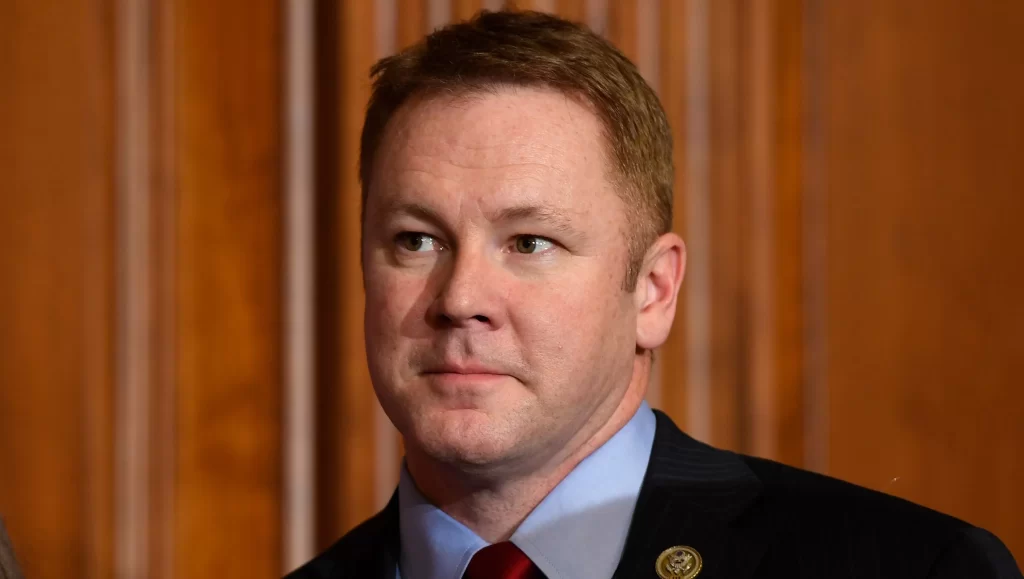
United States Republican Representative Warren Davidson recently expressed strong opposition to the concept of central bank digital currencies (CBDCs), urging Congress to ban their development and criminalize any related efforts.
In a tweet on July 23, Congressman Davidson accused the Federal Reserve of constructing what he likened to the ominous “Death Star” from the Star Wars saga.
He asserted that CBDCs have the potential to corrupt money, transforming it into a tool of coercion and control.
To counter this perceived threat, Davidson emphasized the need for swift legislative action to outlaw the design, development, testing, and establishment of CBDCs.
Davidson’s concerns were prompted by a job posting from San Francisco’s Federal Reserve Bank for a “senior crypto architect” to work on a CBDC project.
Responding to a Twitter user’s comment, the congressman argued that money should serve as a stable store of value and should not be programmable under the control of a central authority.
Instead, he emphasized that sound money should facilitate peer-to-peer transactions without requiring permission from intermediaries.
The Federal Reserve has been actively exploring the technology behind CBDCs, considering the possibility of issuing a digital version of the U.S. dollar.
READ MORE: Controversial Proposal Sparks Fierce Debate Among Members of Solana-Based Liquidity Network
However, no concrete decisions have been made on this front. The prospect of a digital dollar has sparked controversy and is expected to be a prominent topic in the upcoming presidential election.
Representative Davidson is not alone in his apprehensions regarding a Fed-controlled digital dollar. U.S. presidential candidate and Florida Governor Ron DeSantis pledged to block any central bank digital currency if elected.
Governor DeSantis had previously signed a bill in May that restricted the use of CBDCs in Florida.
Another Republican, Tom Emmer, has also been vocal about the potential risks of state-controlled digital money.
He expressed concerns in March that a programmable CBDC could be easily exploited as a tool for surveillance and to suppress activities deemed politically unfavorable.
To address this, Emmer introduced the CBDC Anti-Surveillance State Act in February, aimed at preventing unelected bureaucrats in Washington, DC from encroaching on Americans’ financial privacy.
This bill received the endorsement of Texas Senator Ted Cruz, who introduced his own legislation to block CBDCs in March.
As the debate over CBDCs continues, it remains a contentious issue in U.S. politics, with differing viewpoints from lawmakers and potential implications for the country’s financial landscape.
Other Stories:
Terraform Labs Faces Uphill Battle Amidst Allegations, New CEO Discusses Road Ahead
2023 Ranking: 4 Best Crypto Projects To Buy
Report Reveals Alarming Surge in Cryptocurrency Use by ISIS Terrorists
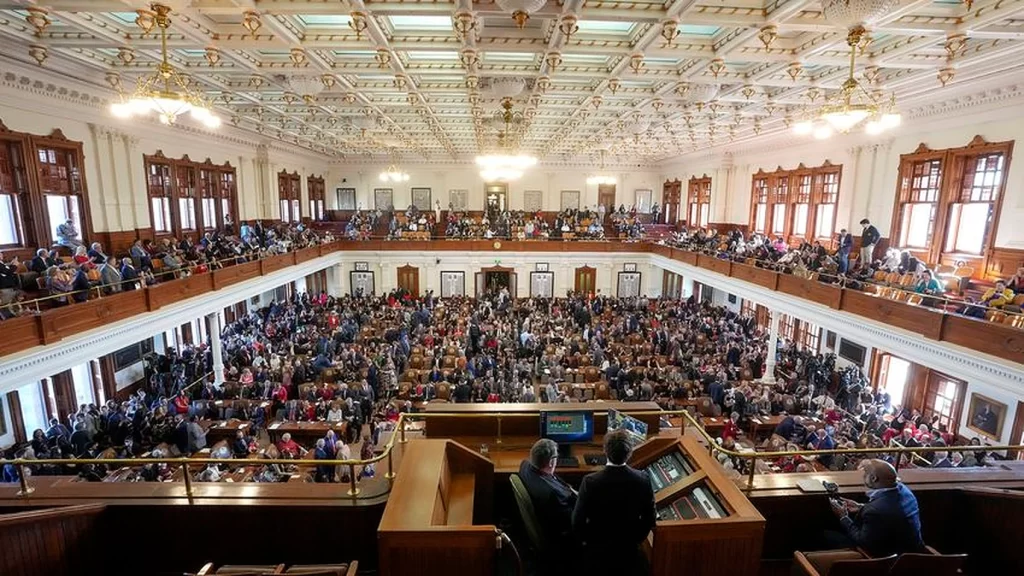
Representative Patrick McHenry, Chairman of the House Financial Services Committee (FSC), made a significant announcement regarding legislation aimed at providing regulatory clarity for the digital asset ecosystem.
The committee’s upcoming meeting on July 26 will focus on the markup of several bills, including H.R. 4763, the Financial Innovation and Technology for the 21st Century Act; H.R. 4766, the Clarity for Payment Stablecoins Act of 2023; and H.R. 1747, the Blockchain Regulatory Certainty Act, among others.
Of particular importance is the markup of the Clarity for Payment Stablecoins Act, introduced by Chairman McHenry, which seeks to establish clear regulations for stablecoins designed for use in payments.
The move comes in response to the growing need for regulatory frameworks that address the unique characteristics of digital assets.
One day after introducing the Financial Innovation and Technology for the 21st Century Act, U.S. Representative French Hill, Chairman of the Subcommittee on Digital Assets, emphasized the importance of a functional regulatory framework in protecting investors from financial fraud.
He highlighted that such legislation could have prevented incidents like FTX stealing billions of customer funds.
READ MORE: Terraform Labs Faces Uphill Battle Amidst Allegations, New CEO Discusses Road Ahead
The proposed bills also aim to establish robust consumer protections and clear rules for market participants.-
In parallel to these legislative efforts, the U.S. Department of Justice (DoJ) is taking action to tackle crypto-related crimes.
The DoJ has decided to merge two teams, the Computer Crime and Intellectual Property Section (CCIPS) and the National Cryptocurrency Enforcement Team (NCET), to create a larger structure with increased resources.
This consolidation will result in more than double the number of criminal division attorneys available to handle cryptocurrency-related cases.
Any CCIPS attorney may now potentially be assigned to work on an NCET case, strengthening the DoJ’s capabilities in combatting crypto crime.
These developments signal a growing recognition of the importance of regulatory clarity in the digital asset space.
The proposed legislation and the DoJ’s increased focus on crypto-related crimes demonstrate the government’s commitment to fostering a secure and transparent digital asset ecosystem while safeguarding investors and consumers.
The markup scheduled for July 26 marks a significant step toward achieving these objectives.
Other Stories:
Controversial Proposal Sparks Fierce Debate Among Members of Solana-Based Liquidity Network
2023 Ranking: 4 Best Crypto Projects To Buy
Report Reveals Alarming Surge in Cryptocurrency Use by ISIS Terrorists
HONG KONG, HONG KONG, July 26th, 2023, Chainwire
OKX, a leading crypto exchange by trading volume and Web3 technology company, has published its industry-best ninth consecutive monthly Proof of Reserves (PoR), showing a balance of USD$11.3 billion in BTC, ETH and USDT.
OKX’s PoR covers 22 commonly used digital assets and demonstrates that OKX has maintained a reserve ratio exceeding 100% for nine consecutive months across all those assets. In addition to BTC, ETH and USDT, the assets included in OKX’s PoR are: USDC, XRP, DOGE, SOL, OKB, APT, DASH, DOT, ELF, EOS, ETC, FIL, LINK, LTC, OKT, PEOPLE, TON, TRX and UNI.
OKX stores the majority of its reserves in highly secure off-chain cold storage. It has seen hundreds of thousands of users engage with its PoR, visit its PoR page and view their self-audits since first launching its PoR page in late 2022.
OKX’s current reserve ratios are as follows:
- BTC: 103%
- ETH: 103%
- USDT: 103%
OKX Global Chief Commercial Officer Lennix Lai said: “Public-facing disclosures of both reserves and liabilities are essential to ensure long-term accountability in our industry. However, point-in-time attestations of reserve holdings mean little—instead, sustained and consistent disclosures are needed. As the industry leader when it comes to monthly PoR reporting, with more consecutive monthly snapshots than any other top exchange, our commitment to transparency is unwavering.”
OKX will continue to publish its monthly PoR while providing a self-audit tool to all users. The open-source verification tool enables users to independently verify OKX’s solvency and confirm their assets are backed by OKX reserves while maintaining their privacy.
OKX has published over 210,000 addresses for its PoR program, and will continue to allow the public to view its asset flows.
Users can view the latest PoR report, reserve ratios, and verify OKX’s solvency here.
For further information, please contact:
About OKX
OKX is a leading global crypto exchange and Web3 ecosystem. Trusted by more than 50 million global users, OKX is known for being the fastest and most reliable crypto trading app for traders everywhere.
As a top partner of English Premier League champions Manchester City FC, McLaren Formula 1, Olympian Scotty James, and F1 driver Daniel Ricciardo, OKX aims to supercharge the fan experience with new engagement opportunities. OKX is also the top partner of the Tribeca Festival as part of an initiative to bring more creators into web3.
Beyond OKX’s exchange, the OKX Wallet is the platform’s latest offering for people looking to explore the world of NFTs and the metaverse while trading GameFi and DeFi tokens.
OKX is committed to transparency and security and publishes its Proof of Reserves on a monthly basis.
To learn more about OKX, download our app or visit: okx.com
Disclaimer
THIS ANNOUNCEMENT IS PROVIDED FOR INFORMATIONAL PURPOSES ONLY. IT IS NOT INTENDED TO PROVIDE ANY INVESTMENT, TAX, OR LEGAL ADVICE, NOR SHOULD IT BE CONSIDERED AN OFFER TO PURCHASE, SELL, OR HOLD DIGITAL ASSETS. DIGITAL ASSETS, INCLUDING STABLECOINS, INVOLVE A HIGH DEGREE OF RISK, CAN FLUCTUATE GREATLY, AND CAN EVEN BECOME WORTHLESS. OKX IS NOT REGULATED BY THE FCA, THUS, PROTECTIONS SUCH AS THE FINANCIAL OMBUDSMAN SERVICE OR FINANCIAL SERVICES COMPENSATION SCHEME WILL NOT BE AVAILABLE. YOU SHOULD CONSIDER WHETHER YOU UNDERSTAND HOW CRYPTO WORKS AND WHETHER TRADING OR HOLDING DIGITAL ASSETS IS SUITABLE FOR YOU IN LIGHT OF YOUR FINANCIAL CONDITION. THE VALUE OF YOUR DIGITAL ASSETS, INCLUDING STABLECOINS, CAN INCREASE OR DECREASE AND PROFITS MAY BE SUBJECT TO CAPITAL GAINS TAX. PAST PERFORMANCE DOES NOT INDICATE FUTURE RESULTS. PLEASE CONSULT YOUR LEGAL/TAX/INVESTMENT PROFESSIONAL FOR QUESTIONS ABOUT YOUR SPECIFIC CIRCUMSTANCES.