
The price of the Arbitrum governance token (ARB) could experience a reversal due to positive developments in the Ethereum network and an increase in active users on the Arbitrum platform.
Despite a consistent downturn since the airdrop in late March, the Arbitrum ecosystem has shown signs of healthy growth.
According to a recent report by Nansen, activity on Arbitrum improved after the airdrop and has stabilized at a higher level compared to before the airdrop.
Daily active users, gas fees, and transaction counts have consistently remained higher since April 2023. The number of active users on Arbitrum has also been closing in on Ethereum, surpassing Optimism.
The trading volume on decentralized exchanges (DEXs) based on Arbitrum has seen a noticeable increase after the airdrop, further indicating the platform’s growth.
Additionally, the report reveals that the ARB airdrop recipients accounted for only about 5% of the blockchain’s activity, and Arbitrum has attracted a significant number of new users post-airdrop.
There are several potential catalysts that could drive ARB’s price upward. One such catalyst is the upcoming Ethereum update called Cancun-Deneb (Dencun) scheduled for the second half of 2023.
This update will include EIP-4844 (proto-Danksharding), which aims to reduce transaction fees on Arbitrum, thereby increasing the value proposition of the platform.
Furthermore, the Arbitrum Foundation has decided to pass on the earnings from its sequencer, a component of the layer-2 fees, to the Arbitrum DAO.
The DAO will manage the 3,352 Ether (ETH), equivalent to $5.4 million, earned from the sequencer. This revenue source could potentially generate yields for ARB holders if the community votes to direct the rewards to them.
Nansen’s data suggests that “smart money” and funds that accumulated ARB after the airdrop have not sold their holdings, which is an encouraging sign.
Funding rates for ARB perpetual swap contracts have turned negative, similar to the rest of the crypto market, following lawsuits against major exchanges like Binance and Coinbase by the Securities and Exchange Commission (SEC).
While the ARB/USD pair has been on a downward trend since its launch, there is a possibility of a positive breakout indicated by a descending wedge pattern.
However, if ARB breaks below the support line of the wedge pattern around $0.90, a significant downward move could occur.
Ultimately, the price action of ARB will depend on the upcoming Dencun update on Ethereum and the decisions made by the Arbitrum Foundation regarding revenue distribution.
It is important for readers to conduct their own research and exercise caution when making investment or trading decisions, as this article does not provide investment advice or recommendations.
Other Stories:
SEC blocks motion to dismiss Terraform Labs lawsuit
Do Kwon attends court hearing over forging documents
Cryptocurrency infrastructure provider shutters operations amid crypto winter

Blockchain investigator ZachXBT is facing a lawsuit for libel filed by Jeffrey Huang, who alleges that his reputation was tarnished by false accusations made by ZachXBT. Huang, also known as MachiBigBrother on Twitter, claims that ZachXBT damaged his reputation through unfounded claims of embezzlement.
ZachXBT responded to the lawsuit by dismissing it as baseless and an attempt to suppress free speech. He vowed to fight back against the allegations made against him.
ZachXBT shared a Medium post in a thread, which he claims is the source of the libelous accusations. The article, titled “22,000 ETH Embezzled and Over Ten Projects Failed: The Story of Machi Big Brother (Jeff Huang),” accused Huang of being involved in the launch of multiple failed projects and claimed that he drained funds from the treasury of Formosa Financial, a treasury management service.
The article alleged that withdrawals of 11,000 ETH each were made from the Formosa Financial treasury wallet in June 2018. It further claimed that the funds were sent to various other wallet accounts, including one associated with the Ethereum Name Service domain harrisonhuang.eth. ZachXBT connected these addresses to Jeff Huang/Mithril based on blockchain data, implicating Huang in the funds’ depletion.
On June 15, a complaint was filed on behalf of Jeffrey Huang in the United States District Court for the Western District of Texas, Austin Division. Huang’s attorney argued that Huang did not embezzle funds from Formosa Financial and did not have direct control over the project’s funds, making embezzlement impossible. The complaint also suggested that the founders of the project were the likely culprits behind the fund transfers.
The lawsuit also claimed that ZachXBT published the article for monetary gain, as he allegedly earns money from donations for his work as an on-chain sleuth.
ZachXBT took to Twitter on June 16 to deny these allegations and expressed disappointment at the attempt to silence him. He stated that he knew such a situation might arise because speaking the truth can sometimes lead to dislike from certain individuals.
ZachXBT has previously exposed various crypto scams and exploits, including identifying Twitter phishing scams that drained $1 million in crypto and revealing a $35 million loss from an exploit of the Atomic Wallet app.
Blockchain investigator ZachXBT is being sued for libel by Jeffrey Huang, who denies the allegations of embezzlement made against him. The case raises questions about the accuracy of the accusations and the motivations behind the publication of the article.
Other Stories:
Celsius adjusts bankruptcy filing after Fahrenheit crypto consortium acquisition
TrueUSD loses its USD peg after minting suspension
‘Commodities, not securities’: Coinbase CEO sends message to SEC amid lawsuit
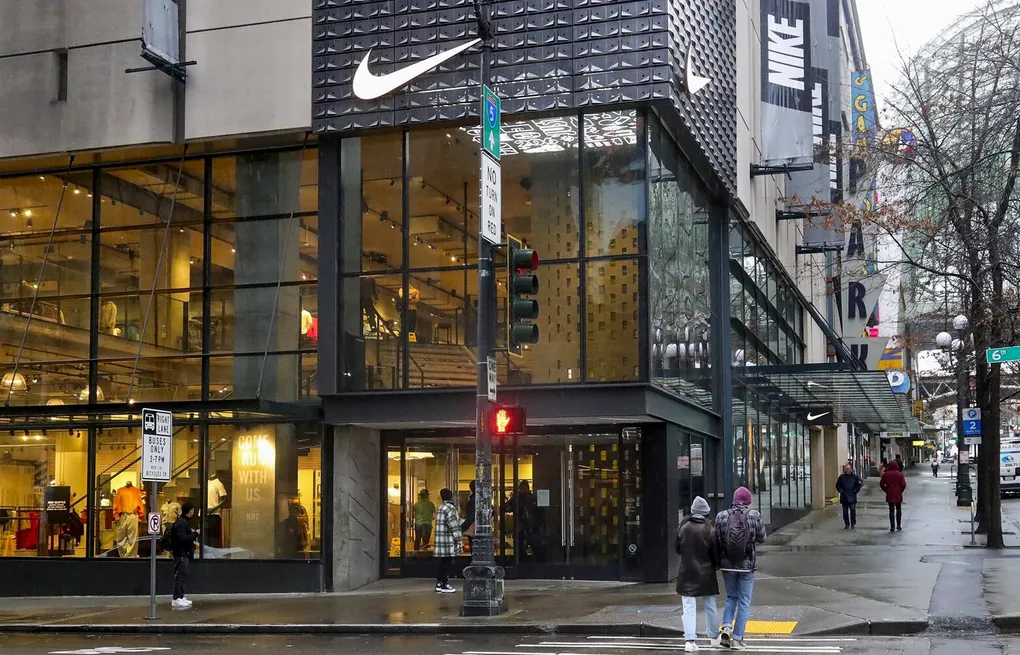
Nike, the renowned footwear and apparel giant, has hinted at the possibility of releasing a collection of sneaker nonfungible tokens (NFTs) within the popular online game Fortnite, developed by Epic Games.
This move could potentially open up a significant opportunity for the adoption of Web3 technology among traditional gamers. Fortnite boasts an impressive user base, with over 242.9 million active players in the last 30 days, according to Active Player data.
On June 16, Nike made an announcement on its social media platforms, revealing that the “ultimate Sneakerhunt” would commence on June 20. Accompanying this announcement was a brief video featuring the prominent Air Max logos of both Fortnite and Nike against a backdrop of floating clouds in the sky. The video also showcased the name of the sneaker hunt, “Airphoria,” and presented Nike’s Web3 platform logo, .Swoosh, alongside the Unreal Engine logo of Epic Games.
Although details are scarce at this point, members of the NFT community speculate that Nike may have developed an NFT-related game using Fortnite Creative 2.0. This new feature allows users to create their virtual island game maps utilizing Fortnite assets.
A Twitter user noted that Nike had previously created a game on ROBLOX, but it did not involve NFTs. Therefore, the integration of .Swoosh in Airphoria suggests a potential NFT connection. Furthermore, Epic Games has shown a favorable stance toward NFT gaming.
Nike’s NFT division has been actively working to establish a presence in the traditional gaming space. On June 1, .Swoosh announced its intention to integrate NFTs into games developed by EA Sports, the company responsible for the immensely popular Fifa soccer game franchise and other titles. However, the specific EA Sports games that will incorporate Nike NFTs have yet to be confirmed.
The upcoming Airphoria sneaker hunt in Fortnite showcases Nike’s ongoing efforts to embrace Web3 and explore the possibilities of NFTs in the gaming industry. By leveraging the massive player base of Fortnite, Nike aims to engage a wider audience and introduce them to the world of digital collectibles. As the partnership between Nike, Epic Games, and EA Sports continues to unfold, it will be intriguing to see how NFTs become integrated into the gaming experience, shaping the future of both industries.
Other Stories:
Tether responds to allegations about its reserves
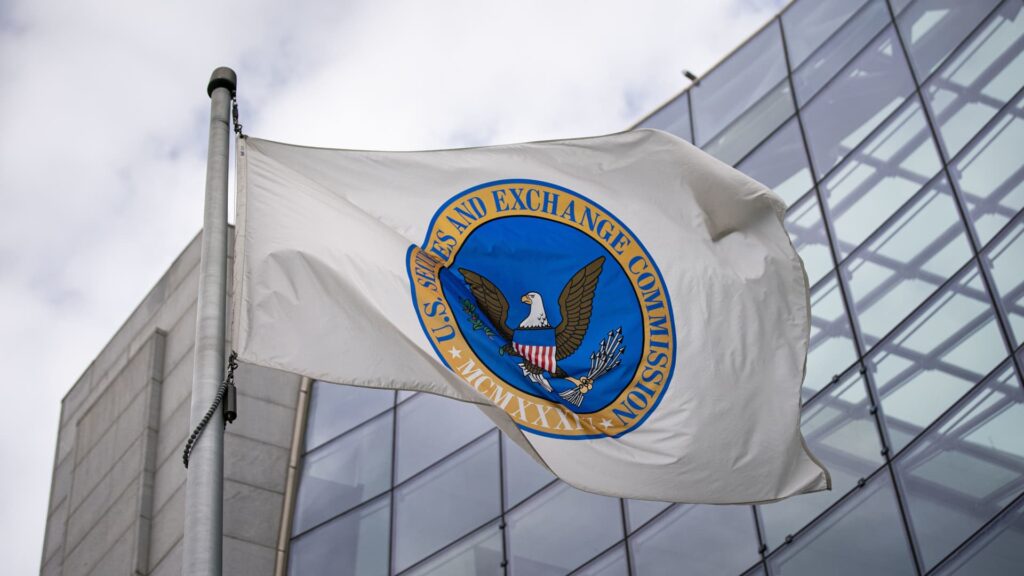
The United States Securities and Exchange Commission (SEC) has opposed Dentons’ motion to dismiss the lawsuit brought by Terraform Labs and Do Kwon, arguing that the additional documents provided by Dentons do not provide sufficient grounds for dismissing the case.
Dentons, the law firm representing Terraform Labs and Do Kwon, had submitted supplementary documents during a court hearing on June 15 to support their motion to dismiss the SEC lawsuit. However, the SEC’s lawyers claimed that the documents, including a Binance.US transcript and internal SEC emails, were irrelevant to the current case. They emphasized that the Howey test clearly defines the criteria for an “investment contract” and insisted that TerraUSD (UST) should be classified as a security.
The hearing aimed to determine whether the digital assets developed by Terraform Labs should be classified as securities under the definition of an “investment contract.” Dentons argued that the algorithmic stablecoin UST should not be considered a security, emphasizing its practical purpose rather than an investment contract.
In support of their motion to dismiss, Dentons submitted additional documents, such as a U.S. House Financial Services Committee hearing on digital asset regulation and stablecoin issuance, the SEC’s request for a restraining order against Binance.US, and the Hinman emails from the SEC vs. Ripple lawsuit.
The defense lawyers highlighted a perceived “regulatory gap” in the classification of crypto assets as securities, especially as the U.S. Congress discusses regulatory frameworks for digital assets and stablecoin issuance.
They further contended that the SEC was going beyond the scope of securities laws by relying on internal emails related to “investment contracts” to determine the security status.
Judge Jed Rakoff, overseeing the case, announced that a decision on the motion to dismiss would be made by July 14.
It is worth noting that Dentons previously represented Kwon in challenging the SEC’s subpoena during the investigation of the Mirror Protocol in 2021 and a class-action lawsuit in the Singapore High Court in 2022. The law firm also represents Terraform Labs in other ongoing cases.
In a separate development, the Basic Court in Podgorica, Montenegro, has granted bail to Kwon and former Terra chief technology officer Han Chang-joon. However, Kwon has been placed in extradition custody in Montenegro as the court evaluates South Korea’s extradition request for the Terra founder.
Other Stories:
Hong Kong warns banks against placing ‘undue burden’ on crypto exchanges
OKX Middle East Receives MVP Preparatory License From VARA in Dubai

Cryptocurrency entrepreneur Do Kwon, the creator of the failed Terra (UST) stablecoin, appeared in court in Podgorica, Montenegro, facing charges of forging official documents. Meanwhile, a U.S. judge presided over a hearing to determine whether the digital assets produced by Terraform Labs constituted securities. This pivotal question forms the crux of the U.S. Securities and Exchange Commission’s (SEC) fraud case against the company and its founder.
Terraform Labs and Kwon were responsible for two cryptocurrencies that caused significant disruption in global crypto markets last year. They have requested U.S. District Judge Jed Rakoff in Manhattan to dismiss the SEC’s allegations, which assert that they defrauded investors by selling billions of dollars in unregistered securities.
TerraUSD, an algorithmic stablecoin designed to maintain a 1:1 peg to the U.S. dollar, derived its value from another paired token called Luna. Both tokens suffered a substantial loss in value when TerraUSD, also known as UST, fell below its dollar peg in May 2022. Prior to this collapse on May 9, TerraUSD boasted a market capitalization exceeding $18.5 billion, ranking it as the 10th-largest cryptocurrency.
The SEC’s complaint alleges that Terraform Labs and Kwon deceived investors regarding the stability of UST while falsely claiming that their crypto tokens would appreciate in value.
During the hearing, Judge Rakoff raised doubts about whether the offering of Terraform Labs’ Anchor protocol, which promised returns of up to 20% on TerraUSD deposits, should be considered a security. He questioned the nature of this protocol, highlighting that it was exclusive to those who had taken the initial step. Consequently, he pondered why it shouldn’t be regarded as a securities contract.
Terraform Labs and Kwon argue for the dismissal of the case, asserting that their digital assets do not meet the criteria to be classified as securities. Furthermore, they maintain that the SEC lacks the authority to regulate the industry.
The outcome of this legal battle will undoubtedly have significant implications for the cryptocurrency sector, as it could potentially establish important precedents regarding the classification of digital assets as securities. The ruling will shape the future regulatory landscape and provide clarity to market participants and investors alike.
Other Stories:
BlackRock, the world’s largest asset manager, has filed for a bitcoin exchange-traded fund (ETF) in an effort to provide investors with exposure to the cryptocurrency amidst growing regulatory scrutiny.
The iShares Bitcoin Trust, BlackRock’s proposed ETF, will utilize Coinbase Custody as its custodian, as stated in a filing with the U.S. Securities and Exchange Commission (SEC). However, the SEC has yet to approve any applications for spot bitcoin ETFs.
BlackRock had previously launched a spot bitcoin private trust for institutional clients in the United States. This recent move by the asset manager comes at a time when the global cryptocurrency industry is facing increased attention from regulators regarding potential violations of securities laws. In fact, earlier this month, the SEC filed lawsuits against prominent exchanges Coinbase and Binance, which had significant repercussions throughout the digital assets sector.
Joshua Chu, the group chief risk officer at blockchain technology group XBE, Coinllectibles, and Marvion, viewed BlackRock’s filing as a positive development in the pursuit of regulatory approval. The involvement of a reputable and established asset management company like BlackRock indicates the resilience of public interest in cryptocurrencies.
A spot bitcoin ETF would track the underlying market price of bitcoin, enabling investors to gain exposure to the cryptocurrency without directly purchasing it.
Notably, the SEC rejected Grayscale Investment LLC’s application last year to convert its flagship spot Grayscale Bitcoin Trust into an ETF. Grayscale subsequently sued the SEC, claiming arbitrary decision-making, as the regulator had previously approved bitcoin futures ETFs while rejecting spot bitcoin ETF applications. Firms such as Fidelity, Cboe Global Markets, and NYDIG have also had their spot bitcoin ETF proposals rejected by the SEC.
Following the announcement of BlackRock’s ETF filing, bitcoin prices experienced a 2% increase on Thursday, with the cryptocurrency valued at $25,506 on Friday. Year-to-date, bitcoin has seen a 54% surge in value.
Reports of BlackRock’s plans for a bitcoin ETF were initially published by CoinDesk earlier on the same day.
Other Stories:
Highly Anticipated Chancer Crypto Presale Officially Launches Today
OKX and McLaren Racing Host Panel on Technology in Sports and Film at Tribeca Festival

Wyre, the cryptocurrency infrastructure provider, is shutting down its operations amidst the ongoing crypto winter. Once considered the future of finance, the cryptocurrency market has experienced a decline in interest, leading to Wyre’s decision to wind down.
The announcement came through a tweet on Friday, following Bolt Financial’s cancellation of its planned $1.5 billion acquisition of Wyre several months ago. This move highlighted the deteriorating conditions in the digital asset market.
The crypto industry has faced significant setbacks recently, including the highly publicized bankruptcy of FTX, a prominent crypto exchange, as well as lawsuits from the U.S. Securities and Exchange Commission against Binance and Coinbase Global (COIN.O). These events have further eroded confidence in the market and contributed to Wyre’s decision to cease operations.
Notably, Wyre clarified that its decision was not a result of regulatory action. Investors who have assets on the platform will have until July 14 to withdraw their funds through the company’s dashboard.
The winding down of Wyre reflects the broader challenges faced by the cryptocurrency industry. The once promising market has seen a decline in interest and confidence due to various factors, including increased regulatory scrutiny and concerns over security and market manipulation.
The decision by Bolt Financial to abandon its acquisition of Wyre underscores the cautious approach of industry players amidst the current market conditions. The reluctance to proceed with such a substantial investment suggests a loss of faith in the long-term viability and profitability of cryptocurrency-related businesses.
As the crypto winter continues to bite, industry participants are reassessing their strategies and seeking ways to navigate the challenging landscape. While some companies may succumb to the unfavorable market conditions, others are exploring opportunities to adapt, innovate, and rebuild trust in the cryptocurrency market.
Wyre’s decision to wind down its operations reflects the declining interest and challenging conditions in the cryptocurrency market. With major setbacks and regulatory actions impacting the industry, it is clear that the crypto winter is exerting its influence. As the industry adjusts to these circumstances, it remains to be seen how companies will navigate the evolving landscape and rebuild confidence in the future of cryptocurrencies.
Other Stories:
Tether responds to allegations about its reserves
OKX and McLaren Racing Host Panel on Technology in Sports and Film at Tribeca Festival
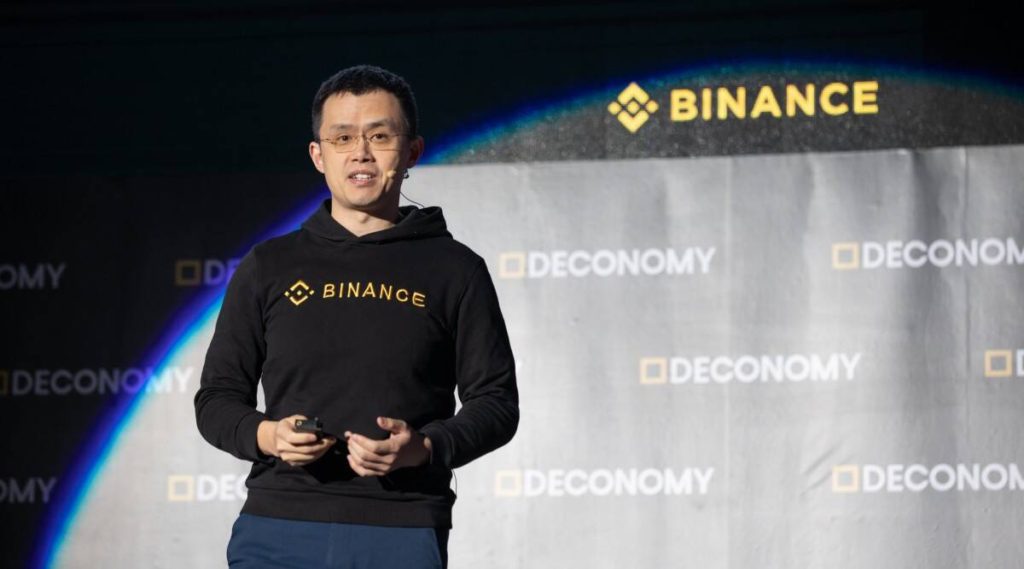
Binance, the largest cryptocurrency exchange worldwide, and Binance.US have negotiated an arrangement with the U.S. Securities and Exchange Commission (SEC). The agreement is intended to ensure all assets from U.S. customers remain domestically held until a significant lawsuit filed by the SEC is concluded.
The deal, revealed in court documents submitted on Friday, awaits the approval of the presiding federal judge in the case. As part of the agreement, only Binance.US employees will have access to these U.S. customer assets to prevent them from leaving the country.
Earlier this month, the SEC sued Binance, its founder and CEO Changpeng Zhao, and the operator of Binance.US. The SEC alleges that Binance manipulated its trading volumes, misappropriated customer funds, did not adequately restrict U.S. customers on its platform, and misled investors about its market monitoring measures.
This litigation, along with another one launched against major U.S. exchange Coinbase, marks an intensification of regulatory pressure on the cryptocurrency industry in the U.S.
The current agreement does not solve the SEC lawsuit. Instead, it stipulates that Binance.US will restrict Binance Holdings officials from accessing private keys for its diverse wallets and tools such as Amazon Web Services. This move is aimed at protecting customer assets.
On Saturday, the SEC affirmed that the emergency relief order obtained for Binance.US customers would protect their assets and enable ongoing withdrawal of assets. Gurbir Grewal, the SEC’s enforcement division director, stated the prohibitions were crucial for asset protection.
In response, a Binance spokesperson emphasized that user funds would remain safe and secure on all Binance platforms. The proposed agreement also includes plans for Binance.US to create new crypto wallets inaccessible to the global exchange’s employees and accelerate the discovery schedule.
Last week, the U.S. Binance affiliate ceased dollar deposits and set a deadline for customers to withdraw their dollar funds, following an SEC court request to freeze its assets.
Other Stories:
Binance US fires employees over SEC investigation
Mark Cuban clashes with the SEC over crypto regulation
Hong Kong warns banks against placing ‘undue burden’ on crypto exchanges
In a recent response to circulating reports, Tether, a significant stablecoin issuer, addressed allegations that its reserves once encompassed securities from Chinese corporations. These assertions were presented by mainstream media including Bloomberg, citing documents provided by the New York Attorney General (NYAG).
The highlighted securities were allegedly backed by USDT and issued by prominent Chinese state-owned entities such as the Industrial and Commercial Bank of China, China Construction Bank, and the Agricultural Bank of China.
In the face of these reports, Tether quickly retaliated on the same day. In their statement, they questioned the intent and haste with which these media outlets shared the information.
They asserted, “Ultimately Bloomberg, CoinDesk or any other media outlet’s decision to present this information to its readers was likely done in haste with little attention to current events or facts.” Tether expressed disappointment in this perceived media behavior, clarifying their primary allegiance to their clientele.
Moreover, Tether elaborated that the presented documents do not accurately represent the company’s current standing. They claimed that the information shared with media channels is both outdated, being over two years old, and insufficiently comprehensive.
The company also took the opportunity to detail its past involvement with Chinese commercial papers, asserting that these investments were liquid and from stable issuers.
It stressed that these papers were also part of the portfolios of some of the globe’s top investment managers, boasting A1 or better ratings. Tether emphasized the solidity of its financial decisions by stating, “The Chinese banking-related commercial paper at issue was rated A1 or better.”
Tether further revealed that it severed its ties with commercial paper holdings last year, reducing its exposure to zero. Maintaining their stance of strong financial conduct, Tether reassured stakeholders that it did not suffer any losses from any commercial paper, including those issued by Chinese firms. The company appears to be eager to clarify its position amid the unfolding events and remains steadfast in defending its strategic financial decisions.
Other Stories:
Hong Kong warns banks against placing ‘undue burden’ on crypto exchanges
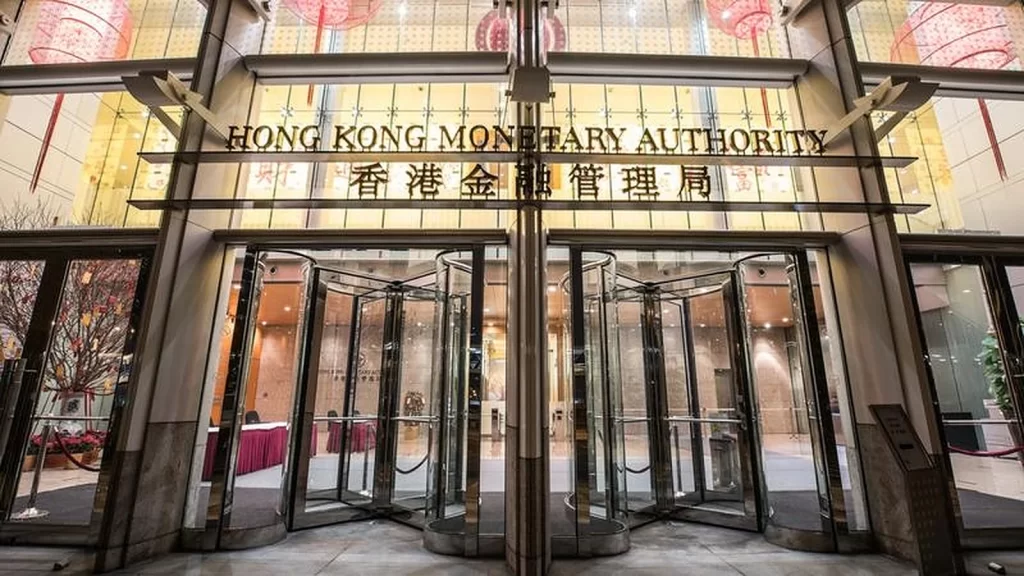
The Hong Kong Monetary Authority (HKMA), the region’s banking regulator, encouraged lenders in April to cater to the business requirements of licensed crypto exchanges. This announcement was a response to a Financial Times report suggesting that banks, including HSBC and Standard Chartered, were facing pressure from HKMA to accept crypto exchanges as clients.
Hong Kong, aiming to become a leading global hub for cryptocurrency, has taken numerous measures, such as attracting mainland China crypto firms and proposing the testing of a digital dollar in its mortgage market. The report noted that the UK-based lenders HSBC and Standard Chartered, along with the Bank of China, were probed by the HKMA last month regarding their hesitance to accept crypto exchanges as clients.
In an April 27 letter to the lenders, the HKMA highlighted that due diligence on prospective customers should not pose an “undue burden”, particularly for companies establishing offices in Hong Kong. Both Standard Chartered and HSBC confirmed their continuous dialogue with regulators on a variety of topics and ongoing involvement in the evolving crypto policies and developments in Hong Kong.
This push by Hong Kong for banks to incorporate crypto clients into their portfolios comes at a time when other nations like the U.S. are intensifying their scrutiny on crypto exchanges. The U.S. affiliate of Binance, for instance, had to cease dollar deposits last week after the U.S. Securities and Exchange Commission requested a court to freeze its assets.
Other Stories:
Binance US fires employees over SEC investigation
Sturdy Finance reinstates stable coin market after exploit
‘Commodities, not securities’: Coinbase CEO sends message to SEC amid lawsuit