
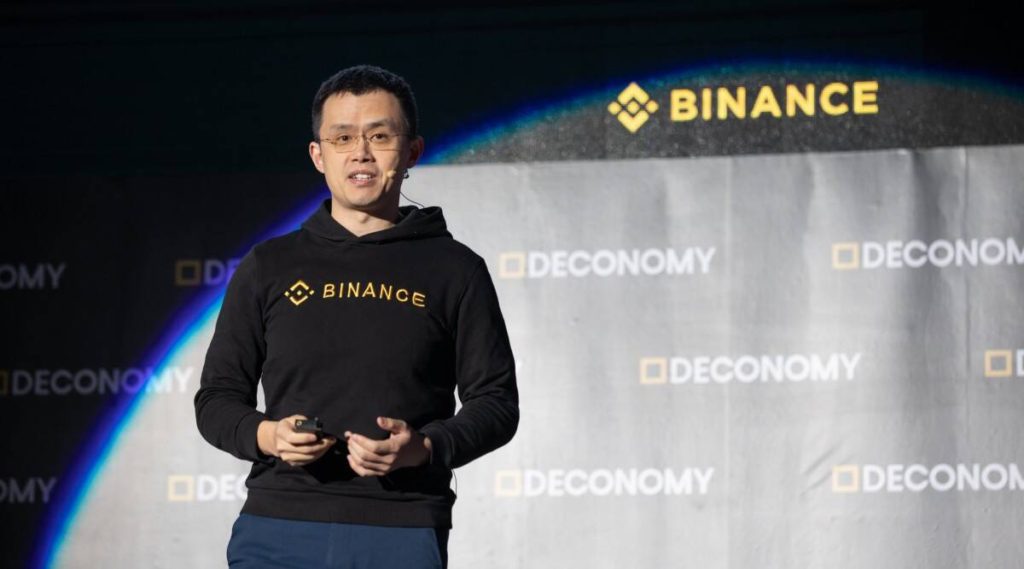
According to data from CoinMarketCap, BUSD, the stablecoin created through a partnership between Binance and Paxos Trust, has experienced a significant decline in market capitalization over the past 30 days, causing it to drop to the fourth position among stablecoins.
Currently, the market cap of BUSD stands at $4.3 billion, marking a 29% decrease from $5.54 billion recorded on May 18. This downward trend for BUSD began in December 2022 when its market cap reached an impressive $23 billion.
The decline in BUSD’s market cap appears to be closely tied to the major developments surrounding Binance, which followed the dramatic collapse of FTX in November 2022.
In December 2022, news emerged suggesting that the U.S. Department of Justice would focus its attention on Binance, triggering a massive net withdrawal of $3.6 billion in just seven days. Market makers, including Jump Finance, redeemed substantial amounts of BUSD, with withdrawals exceeding $245 million.
It is worth noting that the creation of BUSD resulted from a partnership between Binance and Paxos Trust, with Paxos being the issuer and owner of the stablecoin while Binance licenses its brand.
However, this partnership has presented new challenges for Paxos. In February, reports surfaced claiming that the U.S. Securities and Exchange Commission had issued a Wells notice to Paxos, alleging that BUSD was an unregistered security.
The fall in market capitalization and subsequent decline in BUSD’s position among stablecoins highlight the challenges faced by the cryptocurrency industry as it navigates regulatory scrutiny and market volatility.
It remains to be seen how BUSD and other stablecoins will respond to these challenges and adapt to the evolving landscape of the digital asset market.
Other Stories:
Changpeng Zhao claims Binance has reached key deal with the SEC
Binance in more legal trouble as 2022 investigation surfaces
Bakkt, a prominent cryptocurrency trading platform, has joined the likes of Robinhood and eToro by suspending trading of several major altcoins.
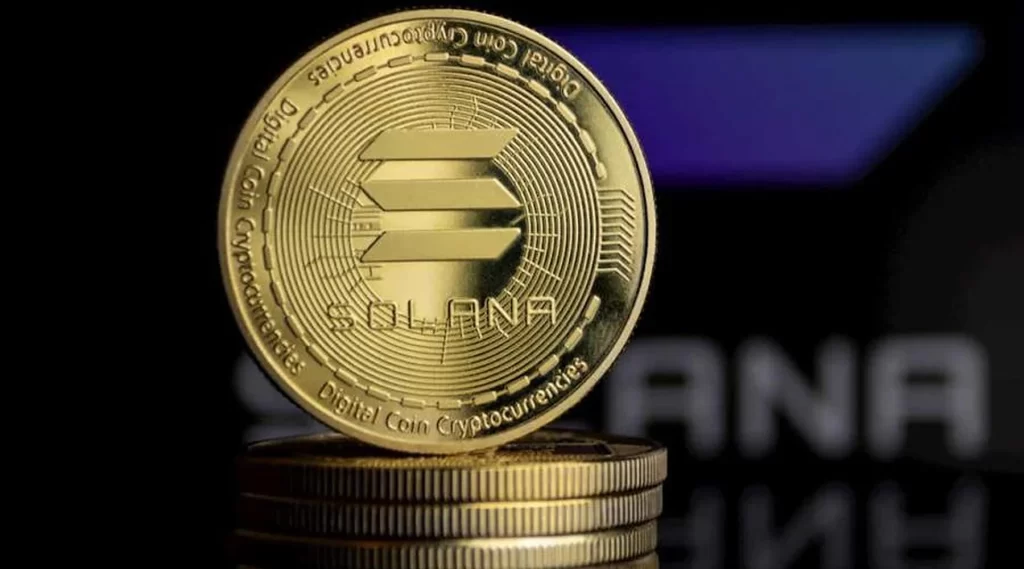
The decision came after the United States Securities and Exchange Commission (SEC) recently classified SOL, MATIC, and ADA as securities, prompting regulatory uncertainty in the crypto market.
The SEC’s recent lawsuits against Binance and Coinbase, in which the regulator categorized more than 20 digital assets as securities, have caused ripple effects across the industry.
This brings the total number of cryptocurrencies considered securities by the SEC to an estimated 68. In response to this regulatory landscape, Bakkt has chosen to suspend trading until there is greater clarity on how to compliantly offer a wider range of coins.
The delisting of altcoins by Bakkt, eToro, and Robinhood has significant implications for the crypto space. It further tightens liquidity for these tokens, which have already been impacted by the market downturn.
CoinMarketCap data reveals that MATIC, ADA, and SOL collectively lost nearly $10 billion in market capitalization. SOL’s market cap decreased from $8.78 billion on June 4 to $5.85 billion.
ADA’s market cap dipped from $13.31 billion to $9 billion, and MATIC’s market cap declined from $8.37 billion to $5.32 billion within the same period.
Bakkt’s decision to delist altcoins comes after its acquisition of Apex Crypto, a blockchain technology platform, for $55 million in cash and stock in April.
Following the acquisition.,Bakkt initiated an overhaul of token pairs traded on its platform, resulting in the removal of 25 out of the 36 listed crypto tokens.
The SEC’s enforcement actions have sent shockwaves through the cryptocurrency industry, leading to heightened regulatory concerns and subsequent delistings.
While these actions aim to ensure compliance and protect investors, they have introduced uncertainties for trading platforms and investors alike. As the industry evolves, market participants will closely monitor regulatory developments to navigate this ever-changing landscape.
Other Stories:
OKX Middle East Receives MVP Preparatory License From VARA in Dubai
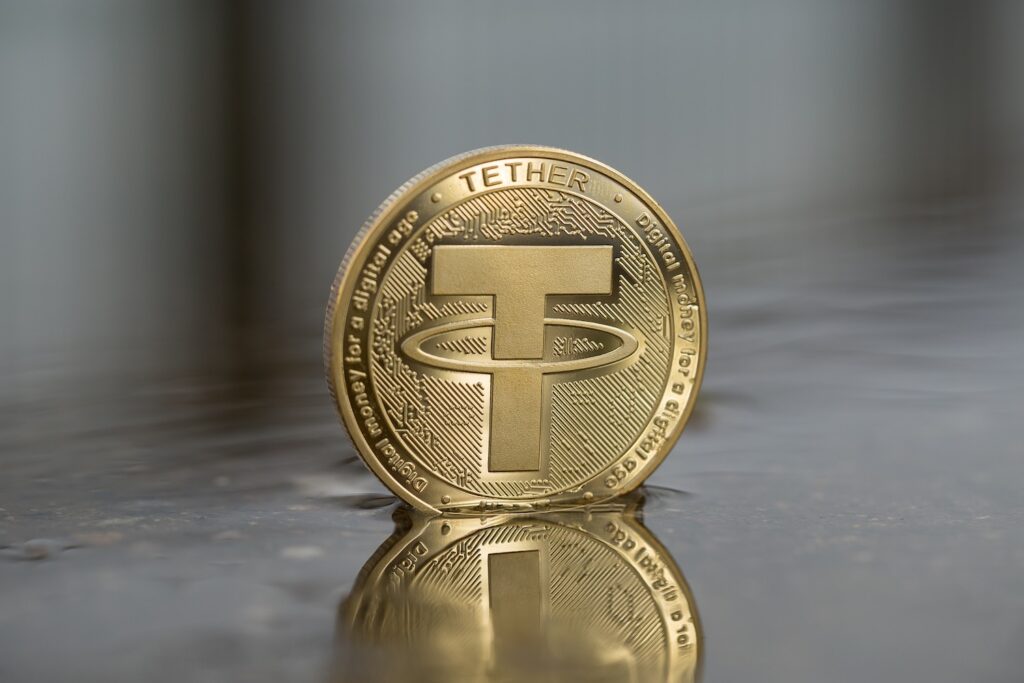
The past week proved to be bearish for the top 100 DeFi tokens, as a majority of them experienced a decline in value. However, one event in particular triggered concerns about the stability of Tether (USDT), the popular stablecoin.
On June 15, an imbalance occurred in Curve Finance’s 3pool, leading to a potential depegging scare for USDT as its weightage in the pool surged above 70%.
This resulted in a significant amount of selling pressure. In response to the situation, Tether’s chief technology officer downplayed the fears of depegging, referring to the market conditions as stress tests for the stablecoin and dismissing the “FUD” (fear, uncertainty, and doubt) surrounding the issue.
Another noteworthy event involved a crypto trading bot that borrowed a substantial amount of $200 million to execute arbitrage trades but only managed to generate a meager profit of just over $3.
This highlights the risks and challenges faced by automated trading systems in the volatile cryptocurrency market.
Meanwhile, Uniswap, a prominent decentralized exchange protocol, unveiled its version 4 code on June 13, opening up possibilities for the introduction of new liquidity pools.
This development aims to enhance the functionality and user experience of the platform.
However, not all news was positive in the DeFi space. Sturdy Finance, a DeFi lending platform, suffered a loss of $800,000 through a draining incident. In an effort to recover the funds, the platform’s team offered a $100,000 bounty for their return.
They also reopened their stablecoin market on June 16. Additionally, the Hashflow protocol experienced an exploit resulting in a loss of $600,000. Nevertheless, Hashflow assured its users that they would be fully compensated for their losses.
The overall sentiment in the DeFi market remained bearish, with most of the top 100 tokens trading at their lowest levels in three months.
This downward trend reflects the prevailing market conditions and highlights the volatility and inherent risks associated with cryptocurrency investments.
In summary, the imbalance in Curve Finance’s 3pool, which caused concerns about the stability of Tether’s peg to the US dollar, was a significant event in the past week’s DeFi landscape.
Despite the challenges faced by the industry, developments like the release of Uniswap’s version 4 code continue to drive innovation in the decentralized finance space.
However, incidents of platform exploits and losses underscore the importance of robust security measures and risk management strategies in the DeFi ecosystem.
Other Stories:
Tether responds to controversy over accounts deactivation
Nike set to release NFT collection with Fornite
OKX Middle East Receives MVP Preparatory License From VARA in Dubai
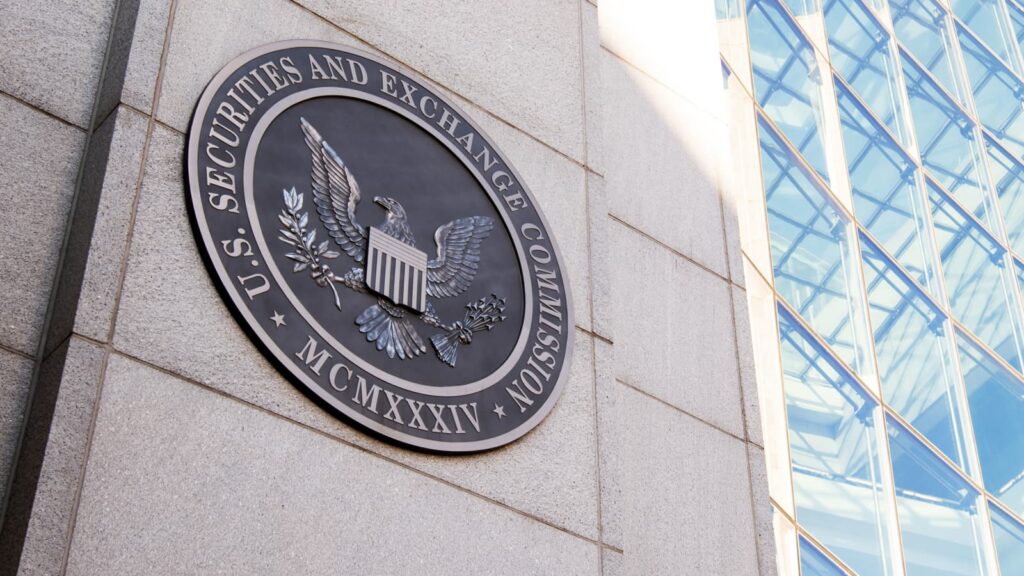
Gurbir Grewal, the director of the Securities and Exchange Commission (SEC) division of enforcement in the United States, has acknowledged that recent enforcement actions against several cryptocurrency firms were necessitated by the industry’s widespread noncompliance.
This move has drawn criticism from numerous lawmakers and leaders within the crypto sector.
During an event held in New York by law firm Lowenstein Sandler and Rutgers University Law School, Grewal spoke about the SEC’s approach to the crypto space.
The event also featured Faryar Shirzad, the chief policy officer of Coinbase. According to a Reuters report on June 16, Grewal explained that the SEC had previously taken a thoughtful and incremental approach to its actions in the crypto industry.
However, this method failed to address the issue of unregistered securities offerings that the regulator sought to tackle.
Grewal emphasized that the crypto industry seemed to have been built on a culture of noncompliance.
Even if the SEC were to devise a tailor-made set of rules, compliance would still be lacking within the industry. Consequently, the SEC was compelled to alter its strategies in response to this prevailing trend.
The enforcement director’s remarks shed light on the rationale behind the recent enforcement actions taken by the SEC against various crypto firms.
These actions have sparked controversy and drawn criticism from both lawmakers and industry leaders. The SEC’s shift in strategies indicates a growing concern within the regulatory body regarding the extent of noncompliance within the crypto industry.
By acknowledging the need for a change in approach, Grewal’s comments suggest that the SEC aims to adapt its enforcement efforts to effectively address the issue of unregistered securities offerings in the crypto sector.
It remains to be seen how the SEC will navigate this challenge and whether its revised strategies will yield the desired outcomes.
As the crypto industry continues to evolve, regulatory bodies like the SEC are faced with the task of striking a balance between fostering innovation and safeguarding investors.
The enforcement actions taken by the SEC reflect an ongoing effort to establish clearer regulatory frameworks and promote compliance within the crypto space.
Other Stories:
Arbitrum governance token’s (ARB) price set for reversal after airdrop
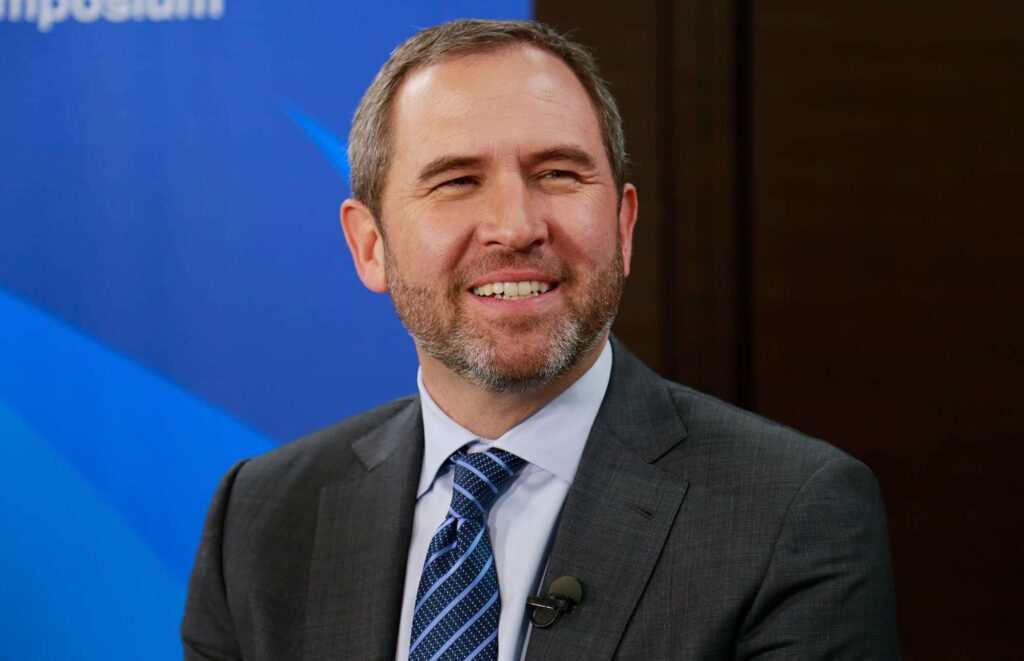
Ripple CEO Brad Garlinghouse has emphasized that the resolution of Ripple’s legal dispute with the United States Securities and Exchange Commission (SEC) does not mark the end of the fight for regulatory clarity in the industry.
While the case is nearing its conclusion, Garlinghouse asserts that the struggle for clear regulations must persist.
Following the unsealing of the Hinman Documents on June 13 as part of the ongoing lawsuit, Garlinghouse took to Twitter to share his thoughts on the timeline of the case and express his frustration with the SEC.
In a video posted on June 17, he highlighted that the newly revealed documents indicate that the SEC intentionally created confusion regarding the rules and exploited that confusion for enforcement purposes.
Garlinghouse did not hold back in his criticism of the SEC’s conduct, characterizing it as a clear example of acting in “bad faith, plain and simple.”
According to him, this questionable behavior was evident right from the start of the legal proceedings initiated by the SEC in December 2020.
He expressed his dismay at the timing of the lawsuit, which was filed just “days before Christmas,” likening it to a cruel act akin to the Grinch stealing joy during the holiday season.
While the Ripple case might soon reach a conclusion, Garlinghouse stressed that the fight for regulatory clarity and fair treatment for the industry is far from over. He believes that continued efforts are necessary to ensure a transparent and predictable regulatory environment, not only for Ripple but for other companies operating in the cryptocurrency and blockchain space.
Garlinghouse’s remarks highlight the importance of addressing regulatory ambiguity and the need for government agencies to act in good faith when engaging with innovative technologies.
His message resonates with many in the industry who seek a clear framework that allows for responsible innovation and fosters growth while ensuring the protection of investors and consumers.
As Ripple’s legal battle draws nearer to its end, Garlinghouse’s call to action serves as a reminder that the fight for regulatory clarity must persist, urging industry participants, policymakers, and regulators to work together to establish a fair and transparent regulatory landscape for cryptocurrencies and blockchain technology.
Other Stories:
OKX and McLaren Racing Host Panel on Technology in Sports and Film at Tribeca Festival
OKX Middle East Receives MVP Preparatory License From VARA in Dubai

Avraham Eisenberg, the individual accused of orchestrating a massive theft of approximately $116 million from the decentralized exchange Mango Markets, is set to face trial in the United States on December 4.
The trial date was established by Judge Richard Berman of the U.S. District Court for the Southern District of New York, as indicated by court records filed on June 14.
Eisenberg stands accused of executing a significant exploit on Mango Markets in October 2022, resulting in the pilfering of governance tokens MNGO, USD Coin (USDc), and Marinade Staked SOL (mSOL).
He has pleaded not guilty to three criminal charges, including commodities fraud, commodity manipulation, and wire fraud, all connected to the Mango Markets exploit.
In October 2022, the platform reported that Eisenberg had returned around $67 million of the funds. At the time, he claimed that his actions were legal and part of a “highly profitable trading strategy.”
Both the U.S. Attorney’s Office and Eisenberg’s defense team have until June 22 to present pretrial motions concerning the trial schedule.
Additionally, Eisenberg faces separate civil lawsuits filed in January by the Commodity Futures Trading Commission, Securities and Exchange Commission, and Mango Markets.
Since his arrest in Puerto Rico in December 2022 and subsequent transfer to Oklahoma, the alleged Mango Markets exploiter has remained largely silent on his Twitter account.
Following a hearing in February, during which he waived his right to bail, he has been primarily held in U.S. custody.
The upcoming trial will determine the outcome of the criminal charges brought against Eisenberg.
It will shed further light on the allegations surrounding the Mango Markets exploit and provide an opportunity for the legal system to assess the evidence and arguments presented by both sides.
Other Stories:
Tether responds to controversy over accounts deactivation

Crypto community members have rallied together to support blockchain investigator ZachXBT, who is facing a defamation lawsuit that could potentially cost him over $1 million in legal fees.
In just over 24 hours, donations from the crypto community have surpassed the $1 million mark, highlighting the solidarity within the industry.
ZachXBT is well-known for his investigative work in the blockchain and cryptocurrency space. However, he recently found himself entangled in a legal dispute with Jeffrey Huang, also known as MachiBigBrother on Twitter.
On June 16, Huang took to Twitter to announce that he had filed a defamation lawsuit against ZachXBT, alleging that he had tarnished his reputation with false accusations.
The specific allegations made by ZachXBT were not explicitly mentioned in Huang’s tweet.
However, one of ZachXBT’s articles, titled “22,000 ETH Embezzled and Over Ten Projects Failed: The Story of Machi Big Brother (Jeff Huang),” published in June 2022, accused Huang of being involved in the launch of numerous failed pump and dump tokens and NFT projects.
ZachXBT responded to the lawsuit on June 17 through a series of tweets, labeling it as “baseless” and an attempt to stifle freedom of speech.
Recognizing the potential financial burden ahead, he established a donation wallet address for his followers to contribute towards his legal expenses.
He expressed his belief that the fees associated with defending himself could easily surpass $1 million.
Despite the overwhelming nature of the lawsuit, ZachXBT remained steadfast in his convictions.
He referred to the legal action as “sickening” but acknowledged that he had anticipated such a consequence, recognizing it as the price he must pay for upholding honesty and integrity in his work.
The remarkable response from the crypto community in supporting ZachXBT financially underscores the importance placed on defending free speech and protecting individuals who contribute to the transparency and accountability within the blockchain and cryptocurrency industry.
With the substantial donations received, ZachXBT now has a significantly strengthened position to address the legal challenges he faces, ensuring that his voice and investigative efforts continue to make an impact in the community.
Other Stories:
Nike set to release NFT collection with Fornite
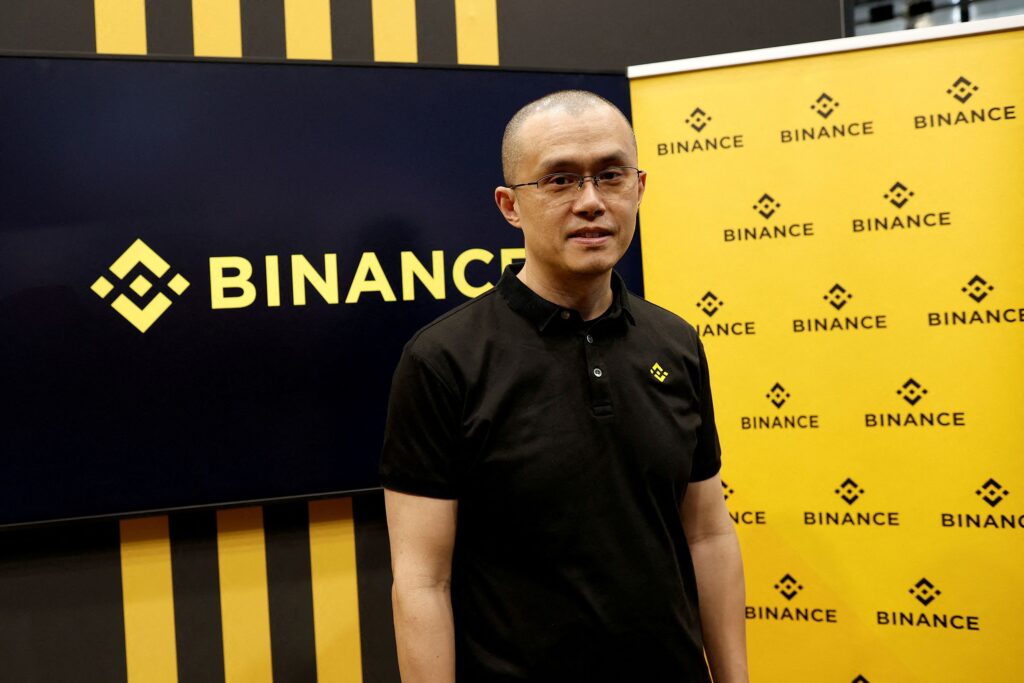
Binance, one of the world’s largest cryptocurrency exchanges, has resolved a long-standing dispute with the US Securities and Exchange Commission (SEC), according to CEO Changpeng “CZ” Zhao.
The resolution brings an end to a period of regulatory uncertainty and tension that had gripped the company.
Expressing his relief on Twitter, CZ considered the SEC’s request for emergency relief unnecessary and welcomed the mutually agreed resolution. He believes the settlement will pave the way for Binance’s future growth without hindrance.
Judge Amy Berman Jackson from the U.S. District Court for the District of Columbia gave her nod to the “Proposed Stipulation and Consent Order” reached between Binance.
Binance.US, and the SEC on June 18th. This outcome is seen as a significant milestone in the crypto industry, showcasing the importance of compliance with regulatory requirements.
Under the terms of the consent order, Binance must “repatriate” all fiat and cryptocurrency assets associated with Binance.US by a specific date outlined in the court ruling.
The agreement also imposes restrictions on Binance’s global executives, preventing them from accessing the private keys of all wallets, including both cold and hot wallets.
This development enables Binance to focus on its operations and expansion while ensuring it adheres to all regulatory requirements. CZ’s reaction suggests optimism for the future, viewing this regulatory clarity as a positive step forward for Binance and the broader cryptocurrency industry.
Other Stories:
Arbitrum governance token’s (ARB) price set for reversal after airdrop
Binance, the world’s leading cryptocurrency exchange, is facing further legal troubles as reports suggest that its French arm has been under investigation since early 2022.
According to an article in the French daily, Le Monde, the Judicial Investigation Service of Finance has been conducting a preliminary investigation into Binance in France since February 2022.
The investigation is said to be focused on alleged “aggravated money laundering” and the illegal provision of services to French customers.
The Paris Prosecutor’s Office cited acts of illegal exercise of the function of a service provider on digital assets and participation in investment operations, concealment, and conversion as the basis for the investigation.
Binance is accused of failing to comply with Know Your Customer procedures, which are designed to prevent money laundering activities.
In addition, it has been revealed that Binance operated in France without obtaining the necessary operating license.
Since 2019, crypto exchanges have been required to obtain approval from the Financial Markets Authority (AMF) in order to operate in France.
However, Binance reportedly only received AMF approval in May 2022, despite operating in the country since 2020.
A spokesperson for Binance emphasized that the company cooperates with law enforcement globally and complies with all laws in France. They stated that user information is securely held and provided to government officials only with documented and appropriate justification.
The investigation in France comes shortly after Binance’s subsidiary in the United States, Binance.US, and CEO Changpeng Zhao were hit with 13 charges by the U.S. Securities and Exchange Commission.
These charges further contribute to the legal challenges faced by the global cryptocurrency exchange.
As the investigation unfolds in France, Binance’s compliance with regulatory requirements and its handling of user data will be closely scrutinized.
The outcome of the investigation could have significant implications for Binance’s operations in France and its global reputation.
Other Stories:
OKX Middle East Receives MVP Preparatory License From VARA in Dubai
Tether responds to controversy over accounts deactivation
OKX and McLaren Racing Host Panel on Technology in Sports and Film at Tribeca Festival
Tether, the stablecoin issuer, has responded to the controversy surrounding the deactivation of accounts belonging to major cryptocurrency firms, including MoonPay. The New York Attorney General (NYAG) released documents stating that Tether deactivated approximately 29 accounts of prominent players in the crypto industry in 2021.
While the specific reasons for the terminations were not disclosed, Tether has stated that it will not comment on individual relationships. The company emphasized that all individuals had undergone thorough compliance checks during onboarding and continuous monitoring as part of Tether’s compliance policies.
Among the deactivated accounts were those of MoonPay, BlockFi, CMS Holdings, and Galois Capital. The NYAG investigation, which began earlier in 2021, revealed that certain documents related to the probe extended until around June of the same year. User codes within these documents have been redacted.
The investigation into Tether and its sister company Bitfinex was initiated by the NYAG, alleging misappropriation of $850 million in funds. During the investigation, iFinex, the parent company of both entities, requested a 30-day extension to produce critical financial documents.
Eventually, the parties involved reached a settlement, with Tether agreeing to pay an $18.5 million penalty and cease trading activities in New York.
Following the settlement, media outlets and Coinbase requested access to Tether’s initial quarterly report under the Freedom of Information Act. Tether, however, objected to the request, citing the need to protect customers’ confidential information from potential exploitation by malicious actors.
Despite Tether’s objection, the NYAG allowed media outlets access to the documents, revealing the deactivation of numerous company accounts. Tether’s response to the controversy highlights its commitment to compliance checks and emphasizes the rigorous processes involved in onboarding and ongoing monitoring. By addressing the concerns surrounding the account deactivations, Tether aims to maintain transparency while safeguarding the confidentiality of its customers’ information.
Other Stories:
Mark Cuban clashes with the SEC over crypto regulation
Sturdy Finance reinstates stable coin market after exploit
Celsius adjusts bankruptcy filing after Fahrenheit crypto consortium acquisition