

Tortola, British Virgin Islands, June 21st, 2023, Chainwire
Struct Finance, a DeFi platform that enables investors to engage with tailored structured financial products linked to digital assets, today announced the mainnet launch of its innovative Interest Rate Vaults and unique tranching mechanism. Amid the highly volatile crypto industry, users can now invest in products tailored to their risk-return preferences, providing predictable and diversified returns.
Structured financial products are innovative investment instruments that are derived from and linked to underlying on-chain or real-world assets. They utilize a variety of credit/risk, liquidity, and maturity transformation techniques to achieve specific investment objectives. Offering risk-return dynamics that deviate from the underlying assets, these investment products appeal to a broad array of investors. On Struct Finance, different tokens, tokenized derivatives, vaults, pools, and protocols interface in a permissionless manner to craft new products, tailored according to the investor’s risk appetite.
“Traditional financial products aren’t permissionless to use or create. In fact, they are largely inaccessible to most people. We are making these structured financial products accessible and easy to understand for everyone. Our mission at Struct is to bring the power of such products to investors with all risk appetites, from the risk-averse newcomer to the seasoned crypto native. That’s why we are launching Interest Rate Vaults as the first in our line-up of tailored financial products,” said Miguel Depaz, one of the Co-founders of Struct Finance.
The new Interest Rate Products allow anyone to split and repackage the risk of any yield-bearing DeFi assets in different parts to fit their risk profile through an innovative process called “tranching.” Every Interest Rate Product is a single vault split into two portions, or tranches that have different return configurations:
- A Fixed-return Tranche for conservative investors looking for consistent returns
- A Variable-return Tranche for investors with a higher risk appetite seeking superior returns
The yield from the underlying asset flows into the fixed tranche first to ensure predictable returns. The remainder is then allocated to the variable tranche, which gets enhanced exposure to the underlying yield-bearing asset. Compared to the fixed tranche, the variable tranche might accrue more yield, less yield, or no yield. Interest Rate Products allow conservative investors looking for fixed yield to get protection from risk-on investors looking for higher yield.
The unique ‘tranching’ system allows users to select from Fixed or Variable Tranches according to their risk appetite. Tranching essentially enables institutional liquidity and crypto degens to provide liquidity for each other. For secure operations, Struct has set an initial limit per tranche, with a commitment to gradually raising these caps over time.
Struct Finance will also launch the Struct Factory – a capability not offered by any of its competitors – to let investors craft their own structured financial products on-chain according to their unique needs. Notably, these custom products will not only serve the creators but will also be available for others to utilize, fostering a more inclusive and adaptable financial environment. This innovative feature will allow you to design your own Interest Rate Product using assets like USDC, BTC.b, AVAX, or WETH. Struct Finance provides backtesting support to assist you during the product creation process.
The lack of fixed-yield returns in crypto has been a deterrent to entry of both larger institutions and smaller players with more conservative risk appetites. Considering the Struct Factory allows permissionless tranching of liquidity pools, fixed rate returns may become commonplace enough to tame the wild and volatile returns of Web3. Once unlocked, fixed rate returns have the power to pave the way for institutional liquidity to safely step into the DeFi without compromising the core tenets of decentralization.
Struct Finance is integrating with GMX and leveraging GMX’s Liquidity Provider Token (GLP) to generate predictable yields in the form of Fixed and Variable Returns for its users. GMX is a pioneering decentralized exchange known for its innovative features and capabilities, including the GLP token. This token represents a significant breakthrough in the industry and is currently a central part of GMX’s trading system.
By utilizing GLP, Struct Finance provides users with a fixed and variable yield while simultaneously offering liquidity to GMX through the GLP token. This integration enables Struct Finance to optimize returns for its users while supporting the liquidity needs of the GMX platform.
About Struct Finance
Struct Finance is at the forefront of the DeFi revolution, with a vision to transform the design and utility of financial products. It empowers users to design their own financial instruments, harnessing the power of tokenized, yield-bearing positions to unlock a world of diverse investment opportunities. Moreover, its cutting-edge financial products adopt a tranche-based system, smartly distributing yield between different investor classes. This balanced approach guarantees a steady yield for risk-averse investors while also offering the prospect of heightened returns to the more adventurous. Initially available on Avalanche, Struct Finance plans to go multichain in the near future.
For more information, visit: Website | Twitter | Discord | Telegram
Contact
Miguel Depaz
[email protected]

Last week, the UK government announced the delay in implementing rules banning multi-buy deals on foods and drinks high in fat, salt, or sugar – including buy one, get one free (BOGOF) deals. The rules, set to come into effect this October, have been pushed to October 2025 to allow for public participation and to “allow the government to continue to review the impact of the restrictions on the consumers and businesses”, the press statement reads.
Since being tabled in the House, the rule has raised a lot of debate amongst the members of parliament and the public. The idea of doing away with BOGOF and multi-buy deals aims to reduce the obesity rates in the country and, in effect, reduce the risk of weight-related diseases. Nonetheless, several MPs and the wider public have come out strongly to oppose the rule, with one simple rule of their own– “it is not the government’s prerogative to police what people eat!”
‘Self-responsibility over government control’
While the rule aims to reduce the overall calorie intake across the UK population, one study by the Department for Health and Social Care (DHSC) shows the law will reduce the overall calorie intake across England. According to the analysis, if the rule is implemented, children under 10 are expected to reduce their daily calorie intake by only 2.5 calories, adults are expected to consume 2.8 to 3.7 fewer calories daily, and those over 65 could see a 2.6 calorie difference. While a step forward, the effects may be minimal.
The data above raises the question if government control over foods and drinks is useful or detrimental to the population, given BOGOF and multi-buy deals help people save some money. As Ben Bradley, the Tory MP for Mansfield, said:
“It’s not the Government’s job to make people thin – it’s our own personal responsibility. Ministers should keep their hands off people’s BOGOFs.”
Instead of policing what people buy and eat, the UK government should find ways to promote exercising and keeping fit. Alternatively, the government should reward the self-responsibility of keeping fit and exercising to encourage physical activities instead of banning multi-buy or BOGOF deals.
Better health solutions on the horizon
Unsurprisingly, the UK government wishes to ban BOGOF deals on fatty, sugary and salty foods. The rise of weight-related diseases is becoming an epidemic – the Health Survey for England 2021 estimated that 25.9% of adults in England are obese, and a further 37.9% are overweight but not obese. This raises the risk of chronic diseases such as diabetes, heart failure and poor blood circulation.
Nonetheless, there are better ways to reduce obesity and overweight rates than banning BOGOF and multi-buy deals. One of the most innovative ways to get people to exercise is simply by incentivising them. As Jessica Butcher, CMO of Sweatcoin/Sweat Economy, a move-to-earn app that rewards users for walking consistently, stated on the latest BOGOF rule:
“Maybe instead of removing choices that save people money, or penalising unhealthy choices, they should consider more seriously the prospect of incentivising healthier choices – whether that’s reducing taxes on healthier food options, or more powerfully, incentivising them to be more active – an approach that could result in life-long positive habit change.”
Move-to-earn apps offer a better solution to the burgeoning rates of obesity. One such solution is Sweatcoin, which in partnership with the NHS, has demonstrated the efficacy of this approach. By incentivising users with vouchers and rewards, users increase their step count, reducing the risk of conditions such as diabetes, obesity and cardiovascular disease.
According to research from the Sweatcoin team, on average, users on the platform lose 3kgs in weight and become 45% more active. By promoting such solutions nationwide, the government could save billions spent on preventable health conditions.
Final words: Promoting self-responsibility in personal health
As the latest debates across England show, the banner of “self-responsibility over government control” rises the highest. It is not the government’s role to dictate what people eat but rather encourage individuals to take charge of their health. By shifting the focus towards promoting exercise and fitness, the UK government can empower individuals to make healthier lifestyle choices. Instead of banning multi-buy deals, the government could explore reward systems and incentives for engaging in physical activities.
While banning BOGOF deals is a step in the right direction, it may not be the most effective solution. Better health and technological alternatives are emerging, such as move-to-earn apps, which incentivize users to increase their physical activity and make positive habit changes – a longer-term effect than BOGOF bans.

Cathie Wood, CEO and chief investment officer of ARK Invest, has expressed her bullishness on Coinbase stock and her belief that Bitcoin will reach $1 million.
Wood’s fund, Ark Innovation (ARKK), recently added to its position in Coinbase shares following the Securities and Exchange Commission’s (SEC) lawsuit against Binance, one of Coinbase’s main competitors.
ARKK purchased nearly 330,000 shares of COIN on June 6, 2023, totaling around $17 million. Two other ETFs, Ark Fintech Innovation ETF and Ark Next Generation Internet ETF, also increased their positions in Coinbase. Currently, the average entry price for all three funds ranges from $272.75 to $282.93, with a total position value of $1.77 billion.
However, the trade has resulted in significant losses so far, as COIN is currently trading at $53.90.
Wood’s optimism stems from the belief that the SEC’s enforcement actions will make Coinbase the dominant cryptocurrency exchange in the United States.
She argues that the allegations against Coinbase and Binance differ, with Binance potentially facing more serious charges related to the violation of the Commodity Exchange Act and regulations of the Commodity Futures Trading Commission.
Wood believes that Coinbase will emerge victorious, positioning itself as the leading player in the market.
While some analysts share Wood’s view, others do not.
The consensus among analysts is a Hold rating, with an average price target of $58.49, representing a potential 12% increase from current levels. Notable analysts such as John Todaro and Atlantic Equities have provided more bullish price targets of $70 for COIN.
Coinbase also faces a lawsuit from the SEC regarding the trading and staking of unregistered securities.
There are concerns that the exchange may have engaged in illegal activities, including investing in projects it planned to list on its platform before their public availability.
Regarding Bitcoin, Wood reiterated her belief that it serves as a hedge against inflation and holds a $1 million price target. Despite concerns about deflation, she remains bullish on Bitcoin due to its function as an antidote to counterparty risk in the traditional financial system.
Wood highlighted the upcoming Bitcoin halving event and the current accumulation phase in the market.
In summary, Cathie Wood’s bullishness on Coinbase stock and her $1 million Bitcoin price target are based on her expectations of Coinbase becoming the dominant U.S. cryptocurrency exchange and Bitcoin’s ability to outperform in different market environments. However, analysts’ opinions on COIN vary, and there are potential legal and regulatory challenges for Coinbase to overcome.
Other Stories:
Binance takes legal action against ‘Binance Nigeria Limited’
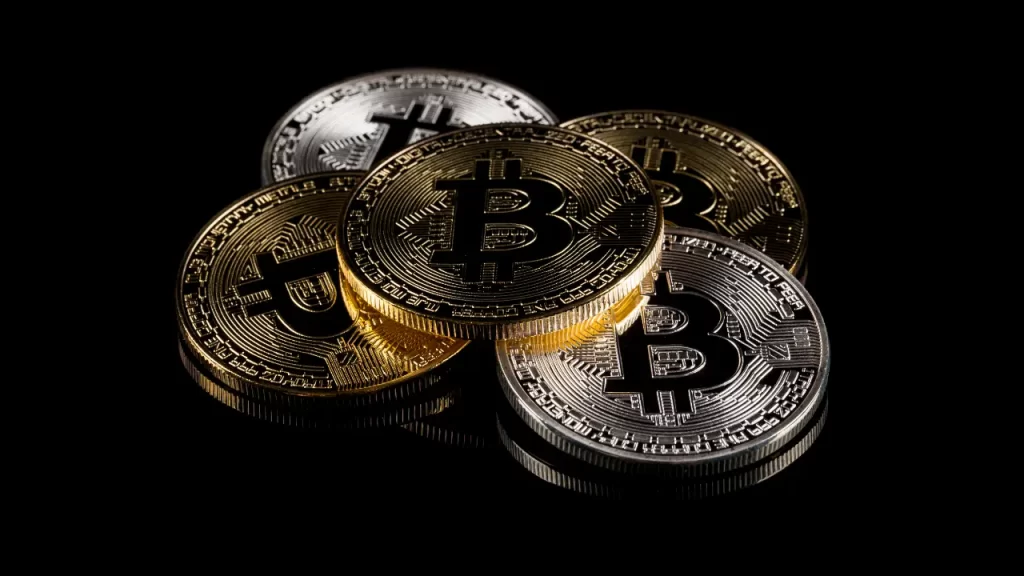
Bitcoin has achieved a significant milestone in the cryptocurrency market by reaching a 50% dominance for the first time in two years.
The measure of Bitcoin’s share in the total crypto market cap surpassed the 50% mark on June 19, settling at 49.9% at the time of this publication, as reported by TradingView data.
This achievement signifies that Bitcoin alone accounts for half of the entire crypto market’s valuation, which currently stands at $1.1 trillion.
With a market capitalization of $519 billion, Bitcoin’s dominance has seen a remarkable increase of over 10.5% since November 27, 2022. This surge can be attributed to investors seeking Bitcoin as a safe haven asset following the FTX crisis and growing regulatory scrutiny in the United States.
While Bitcoin’s dominance has soared, Ether (ETH), the second-largest cryptocurrency, has maintained a steady market share of around 20% for nearly a year. Together, the combined value of Bitcoin and Ether now represents approximately 70% of the total crypto market.
Michael Saylor, co-founder of MicroStrategy and a prominent advocate for Bitcoin, predicts that Bitcoin’s market dominance will surpass 80% in the coming years.
He anticipates that increasing regulatory pressure from the Securities and Exchange Commission (SEC) will lead to the fading away of stablecoins and most other crypto assets. According to Saylor, the industry will eventually be rationalized into a Bitcoin-focused market with only a handful of other Proof of Work tokens.
Saylor attributes the lack of significant institutional investment in the crypto space to the confusion and anxiety caused by the existence of 25,000 alternative cryptocurrencies that position themselves as alternatives to Bitcoin.
He emphasizes that Bitcoin is universally recognized as the digital commodity of the industry, drawing attention to SEC Chair Gary Gensler’s classification of Bitcoin as a commodity. In contrast, the SEC has designated 68 other cryptocurrencies as securities.
At the time of writing, Bitcoin is trading at $26,746, reflecting a 1.5% increase in the past 24 hours, according to the Cointelegraph Price Index. Despite a sense of fear prevailing in the crypto market, Bitcoin’s value has grown over 3% in the last week.
Crypto research firm Santiment suggests that the recent surge in Bitcoin’s price can be attributed to the announcement of Blackrock, a financial investment behemoth, filing for a Bitcoin spot ETF. This development has played a significant role in driving Bitcoin’s upward price momentum in recent days.
Bitcoin’s attainment of a 50% market dominance is a significant milestone, highlighting its position as the leading cryptocurrency and its growing influence within the broader crypto market.
Other Stories:
Elon Musk suspends ‘scam crypto account’ on Twitter
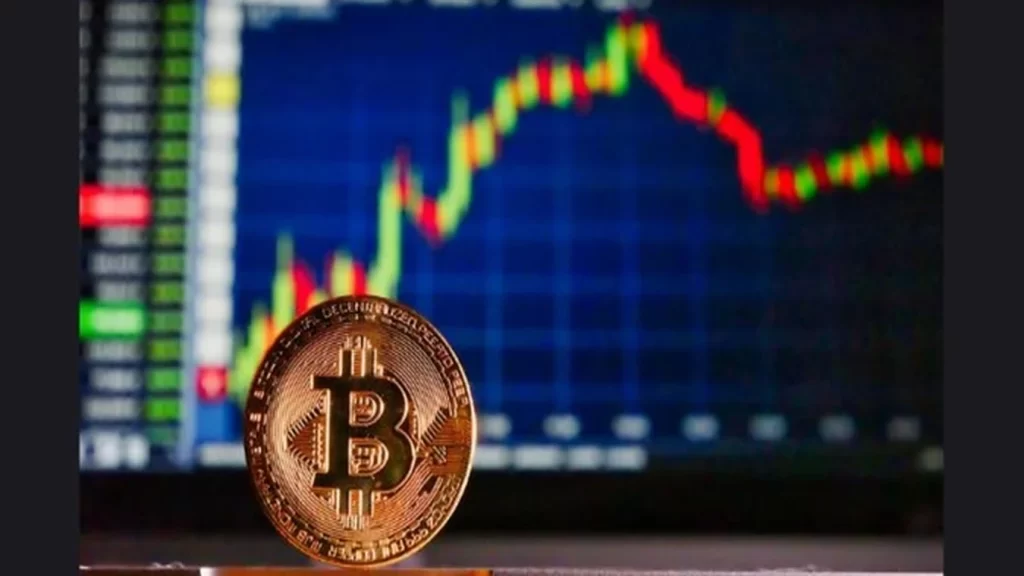
Bitcoin’s value surged to a two-week high of $28,103 on June 20, providing a glimmer of hope to bullish traders that the digital currency could finally snap its ten-week downturn. This bounce came in spite of recent headwinds caused by the SEC’s enforcement actions against Binance and Coinbase.
The recent rally is largely attributable to escalating institutional interest in Bitcoin, particularly from financial giants such as BlackRock and Fidelity Investments, both of which are reportedly gearing up to submit applications for Bitcoin ETFs.
The uptick in Bitcoin’s value kicked off after BlackRock, the world’s biggest asset manager with over $8.5 trillion in managed assets, announced on June 15 that it had filed an application with the SEC to establish a Bitcoin ETF in the US. Despite not being the first applicant, BlackRock’s sheer scale sets it apart from its predecessors.
Thus far, the SEC has consistently declined Bitcoin ETF proposals, with past hopefuls including Cathie Wood’s ARK, 21Shares (which has submitted three applications), and Grayscale. The latter challenged the SEC’s denial in an appeals court, contending the legitimacy of Bitcoin futures.
According to BlackRock’s SEC filing, the firm plans to enlist Coinbase for holding the Bitcoin associated with its ETF. This move has also indirectly propelled Grayscale’s ETF, which is inching towards 2023 highs with a discount of less than 37%.
A further boost to Bitcoin’s value is the receding U.S. Dollar Index (DXY). As a rule of thumb, when the DXY pulls back, investors typically show greater inclination towards riskier assets, Bitcoin included.
In conclusion, Bitcoin’s price hike today seems to be fuelled by multiple factors: institutional interest from behemoths like BlackRock, the positive impact on Grayscale’s ETF, and the ebbing DXY, creating a promising environment for the cryptocurrency to break its prolonged losing streak.
Other Stories:
Big Eyes Launch: Did all of the investors just get scammed?

Big Eyes Coin has attracted a lot of attention in the crypto space in recent months, but is this meme token legit or a scam?
Operating as an ERC-20 token, the project plans to make its first appearance on Uniswap, with a top-tier CEX yet to be revealed by the project’s founders.
The $BIG token presale encountered a few delays, but impressively managed to raise an estimated $35 million. This achievement has stirred speculations about the potential price of Big Eyes coin post its Initial Coin Offering (ICO). Currently in its thirteenth stage, Big Eyes is priced at $0.00052.
While the token’s hard cap of $51.2 million may not be reached by the launch date, the Big Eyes team remains confident that the funds raised thus far are sufficient to advance the project, having achieved the soft cap.
A pivotal event in the crypto landscape, the Bitcoin halving, is due in April 2024. History indicates that this event could potentially catalyze the next crypto bull run. Given this projection, if Big Eyes successfully launches and maintains its popularity until 2025, it could theoretically benefit from this upswing. However, this would also require recession concerns to dissipate, positively influencing the overall crypto market.
Why Meme Coins Are Often Scams
In the current crypto landscape, meme coin scams have surged, capitalizing on the skyrocketing popularity of meme coins like Dogecoin and Shiba Inu. These scams prey on the euphoria and greed commonly seen in retail investors seeking to strike it rich in a volatile, yet promising market. Understanding the mechanisms of these scams and identifying their red flags is imperative to avoid falling prey to such fraudulent schemes.
Meme coins, primarily driven by online hype, social media buzz, and celebrity endorsements, often lack substantial technological backing or practical use. Despite some meme coins, such as Dogecoin, experiencing legitimate success, many merely ride the wave, offering no real value or long-term potential.
Meme coin scams typically begin with the creation of a new coin promising extraordinary returns. Scam developers employ aggressive marketing techniques, such as fake celebrity endorsements, extensive advertising, and orchestrated “pump and dump” schemes, luring investors with the prospect of being the “next big thing” in crypto.
Pump and dump schemes involve fraudsters artificially inflating the coin’s price using coordinated buying and social media campaigns, fostering an illusion of legitimacy and FOMO among potential investors. Once the coin’s price reaches a certain threshold, the fraudsters sell (or “dump”) their holdings, causing the coin’s price to plummet and leaving other investors with significant losses.
The infamous Squid Game token is a prime example of such a scam. Following a massive price surge, the token’s price crashed in minutes when the developers allegedly performed a “rug pull,” abandoning the project and absconding with the funds.
While these scams may seem daunting, here are some key red flags to consider: over-promising returns; lack of transparency; aggressive marketing tactics; and limited exchange listings.
Is Big Eyes Coin a Scam?
The future of Big Eyes is contingent upon the team’s ability to adhere to its roadmap and dispel the prevalent FUD (Fear, Uncertainty, and Doubt) surrounding the project. A closer look at the project, however, reveals a multitude of red flags suggesting it might be a scam or rugpull.
A series of aggressive paid marketing campaigns on numerous crypto and non-crypto websites, coupled with an extended presale, cast significant doubts on the legitimacy of Big Eyes Coin. The lack of transparency about the project’s leadership and founders further compounds these suspicions, prompting the recommendation to avoid investing in Big Eyes.
Furthermore, in mid-June, amid the token’s launch on centralised exchanges, several holders reported issues accessing their tokens in MetaMask, with many accusing Big Eyes of being a scam.
The project’s founders have insisted that this is a technical issue which they are addressing, but it certainly looks like Big Eyes was a scam all along.
Other Articles:
Poloniex Review: Is this crypto exchange a scam?
Bored Ape Yacht Club (BAYC) utility – Why are investors spending millions on these NFTs?

Australia’s crypto laws are at risk of being left behind by emerging markets such as Bermuda and Nigeria, according to Loretta Joseph, the chair of the Australian Digital Financial Standards Advisory Council (ADFSAC). Joseph emphasized the need for Australia to accelerate the development of crypto regulations to keep up with other countries.
While Australia’s Treasury conducted consultations earlier this year for its “token mapping” exercise to classify various crypto assets,
Joseph argued that the pace of regulatory development in the country remains too slow. She expressed her disappointment in seeing countries like Bermuda, Mauritius, and Nigeria moving faster in developing regulations, recognizing the positive impact of decentralized technology on global welfare.
To address the situation, Joseph stressed the importance of updating or adopting new laws to cover the evolving crypto ecosystem and foster innovation.
She cited her involvement in writing crypto policies and legislation for Bermuda as an example of successful collaboration between industry, academia, policymakers, and the government.
Establishing think tanks like ADFSAC, which brings stakeholders together, is crucial to facilitating dialogue and creating effective regulations.
In addition to regulatory frameworks, Joseph emphasized the significance of education in the crypto space. The ADFSAC aims to provide education on cryptocurrencies by demonstrating their ease of use and addressing concerns directly with individuals.
Regarding policy direction, Joseph recommended that Australia align with global standard setters such as the International Organization of Securities Commissions, the Financial Action Task Force, and the Financial Stability Board.
She anticipated that the governmental G7 and G20 forums would soon enforce crypto rules, making it essential for companies to operate in jurisdictions with legal clarity to ensure their survival.
Joseph called for Australia to speed up the development of crypto regulations, highlighting the risk of being left behind by other countries.
By updating or adopting new laws, collaborating with stakeholders, and aligning with global standards, Australia can establish a conducive environment for crypto innovation while providing legal clarity to businesses in the sector.
Other Stories:
Crypto exchange criticised by FDIC for spreading misinformation

Binance’s BNB Chain has introduced a new layer-2 chain called opBNB, aimed at addressing the scalability challenge faced by the blockchain.
The layer-2 scaling solution is built on the Optimism OP Stack, providing enhanced security and scalability to the Binance blockchain network. opBNB is an Ethereum Virtual Machine (EVM) compatible layer-2 chain, ensuring compatibility with Ethereum-based smart contracts, networks, and ERC-20 token standards.
One of the common issues faced by blockchains is network congestion and high fees during periods of increased demand. Currently, BNB Chain claims to support approximately 2,000 transactions per second with transaction costs around $0.10.
With opBNB, it can reportedly handle over 4,000 transfer transactions per second at an average transaction cost below $0.005.
opBNB offers various optimizations, including improved data accessibility, caching layer, and an adjusted submission process algorithm that allows simultaneous operations. It can increase the gas limit per block to 100 million, surpassing Optimism’s limit of 30 million.
Binance referred to opBNB as their solution to the scalability challenge that has hindered widespread adoption of blockchain technology.
Optimism’s use of Optimistic Rollups enables transaction scaling by presuming the validity of transaction data processed off the root chain until proven otherwise.
The RPC service layer simplifies integration through a user-friendly interface, allowing developers to focus on building applications without being concerned about the complexities of Layer 2 scaling.
However, some individuals, including Cinneamhain Ventures partner Adam Cochran, expressed skepticism about BNB Chain’s approach. Cochran mentioned that BNB Chain encountered scaling issues by centralizing an Ethereum fork and raising the gas limit to an unsafe level.
He proposed alternatives, such as joining Optimism as a “superchain,” becoming a layer-2 directly on Ethereum, or even a layer-3 on Optimism or Arbitrum.
Despite the debate surrounding opBNB, BNB Chain holds a prominent position in the blockchain space.
According to DefiLlama, it is the third-largest blockchain in terms of DeFi total value locked, trailing behind Ethereum and Tron. BNB Chain boasts a TVL of $3.38 billion, a 24-hour volume of $264 million, and approximately one million active daily users.
In summary, Binance’s BNB Chain has introduced opBNB, a layer-2 chain based on Optimism, to tackle scalability issues.
While there are differing opinions on the chosen approach, BNB Chain remains a significant player in the blockchain industry, attracting a substantial number of users and demonstrating considerable value in the DeFi space.
Other Stories:
Cardano founder joins search for extra-terrestrials
Elon Musk suspends ‘scam crypto account’ on Twitter
Crypto exchange criticised by FDIC for spreading misinformation

Grayscale Bitcoin Trust (GBTC) is approaching its highest levels of 2023 following the filing of a Bitcoin spot price exchange-traded fund (ETF) by BlackRock, the world’s largest asset manager.
The news has generated institutional buying interest in GBTC, the original institutional BTC investment vehicle.
According to data from CoinGlass, on June 17, GBTC came close to reaching new 2023 highs.
This rally comes as Bitcoin market sentiment experienced a modest improvement with the anticipation that BlackRock’s ETF filing could potentially overcome the legal obstacles that have hindered similar ETFs in the United States.
Meanwhile, there are signs of optimism beyond sentiment as GBTC’s long-standing discount to BTC spot prices narrows.
The discount, often referred to as a negative “premium,” is currently at -36.6%, a significant improvement compared to the discount of around -44% observed on June 13. While still discounted, GBTC is trading closer to zero than it has been at almost any other time this year.
Many observers believe that if BlackRock’s ETF is approved, GBTC will be the primary beneficiary. Adam Cochran, a partner at venture capital firm Cinneamhain Ventures, expressed optimism about the prospects of BlackRock’s offering gaining regulatory approval and its potential to resolve GBTC’s discount alongside industry growth.
The BlackRock move has sparked debates as to whether it can be classified as an ETF. Some argue that it will resemble a trust similar to GBTC, while others, including Cochran, believe it qualifies as an ETF under the Securities Act of 1933. Regardless of the classification, investor interest in GBTC is rising in response to BlackRock’s filing.
Hedge fund North Rock Digital announced that it has been consistently accumulating more shares of Grayscale trusts in recent weeks.
It expects significant upside potential if Grayscale wins and minimal downside risk if they lose. Another major holder, ARK Invest, has not yet increased its exposure to GBTC, and data from Cathie’s ARK confirms a gradual decline in their holdings throughout 2023.
Overall, the prospect of BlackRock’s involvement in the cryptocurrency market has stimulated the demand for GBTC and boosted market sentiment.
The narrowing of GBTC’s discount suggests growing confidence among investors, while the debate surrounding the classification of BlackRock’s product highlights the evolving regulatory landscape surrounding cryptocurrency ETFs.
Other Stories:
Crypto trading platform suspends trading of SOL, MATIC, and ADA
BUSD plummets down stablecoin rankings
SEC addresses enforcement action against Binance and Coinbase

Do Kwon, the founder of Terraform Labs, has denied allegations of forging travel documentation and disassociated himself from any financial connections with Milojko Spajić, the leader of the Europe Now party.
In a recent hearing at the Montenegrin Basic Court, Kwon claimed that he was unaware of the alleged forgery of his passport and shifted the blame onto a Chinese-named agency.
According to a report from South Korean news outlet Segye Ilbo on June 17, Kwon stated that he had obtained his purportedly forged passports, including a Costa Rican one, through third-party “agencies.”
He explained that a Singaporean agency, recommended by a friend, facilitated his acquisition of the Costa Rican passport, while another agency was responsible for the Belgian passport.
Kwon maintained that he had been using his Costa Rican passport for a long time and had no reason to doubt its authenticity.
When pressed for details about the agency involved in obtaining the passports, Kwon claimed he could not recall the specifics but mentioned that its name was in Chinese characters.
During the court proceedings, Kwon was questioned alongside his former colleague, Han Chong-joon, who served as the Chief Financial Officer of Terraform Labs. Both individuals faced allegations of passport forgery and were also investigated for potential financial donations to Milojko Spajić. Kwon’s lawyers vehemently denied any financial connections between their client and Spajić, refuting the claims made in a letter that Kwon had supposedly sent to Montenegrin officials ahead of the country’s recent elections.
Following the hearing, Judge Ivana Becić announced that a verdict on the forgery charges would be delivered on June 19. Kwon will remain in extradition custody for a maximum of six months while the local court considers South Korea’s extradition request.
Kwon and Chong-joon were initially arrested by local authorities on March 23 after an attempt to leave Montenegro on a private flight to Dubai using falsified passports.
Although their lawyers initially secured bail approval in the amount of 400,000 euros ($436,000), this decision was later overturned on appeal.
However, on June 5, their appeal was dismissed, and bail was granted for both individuals. They are now subject to close monitoring by local police, and any violation of the approved conditions or departure from their residence could result in the forfeiture of their bail.
The collapse of Terraform Labs’ Terra ecosystem in May 2022 led to estimated losses of up to $40 billion, further adding to the controversies surrounding the company and its founder, Do Kwon.
Other Stories:
Crypto trading platform suspends trading of SOL, MATIC, and ADA
SEC addresses enforcement action against Binance and Coinbase