


Over the course of the past year, more than 100,000 login credentials for the renowned artificial intelligence chatbot, ChatGPT, have been leaked and traded on the dark web, as disclosed by a cybersecurity firm based in Singapore.
Group-IB, in a blog post on June 20, revealed that from June 2022 to May 2023, there were over 101,000 compromised logins from devices associated with OpenAI’s flagship bot that were exchanged on various dark web marketplaces.
Dmitry Shestakov, the head of threat intelligence at Group-IB, explained that the figure represents “the number of logs from stealer-infected devices that Group-IB analyzed,” and each log contained at least one combination of login credentials and passwords for ChatGPT.
During May 2023, the availability of ChatGPT-related credentials peaked at nearly 27,000 on online black markets.
Of the compromised logins available for sale, the Asia-Pacific region accounted for the largest share, making up approximately 40% of the nearly 100,000 total.
Indian-based credentials held the highest number, surpassing 12,500, while the United States ranked sixth with nearly 3,000 leaked logins. France secured the seventh position globally and led in Europe.
Creating ChatGPT accounts is possible through OpenAI directly, or users can opt to utilize their Google, Microsoft, or Apple accounts for login and access.
While Group-IB did not conduct a detailed analysis of the signup methods, Shestakov suggested that primarily accounts utilizing a “direct authentication method” were exploited.
However, OpenAI is not accountable for the compromised logins, as the logs containing saved ChatGPT credentials are not a result of any weaknesses in the infrastructure of ChatGPT.
The blog post by Group-IB also pointed out a notable increase in the number of employees using ChatGPT for work purposes.
It cautioned that confidential information about companies could be at risk of exposure since user queries and chat history are stored by default. Unauthorized individuals could exploit this information to launch attacks against companies or individual employees.
According to Shestakov, cybercriminals infected “thousands of individual user devices worldwide” to steal this information.
He emphasized the significance of regularly updating software and implementing two-factor authentication as a means to mitigate such risks.
Interestingly, Group-IB mentioned that the press release itself was written with the assistance of ChatGPT.
Other Stories:
Federal Reserve Pushing For Robust Oversight of Stablecoins as Form of Money
Millions of Mexicans To Be Able To Pay Internet Bills Via Bitcoin Lightning Network
President Biden Convenes Meeting with Experts to Navigate Future of AI Safety and Policy

Coinbase, the leading cryptocurrency exchange, took an unusual legal approach before facing the U.S. Securities and Exchange Commission’s (SEC) crackdown on digital assets.
The company enlisted top lawyers to influence court rulings in other crypto-related cases, aiming to shape the legal landscape in its favor.
Prior to the SEC’s lawsuit against Coinbase on June 6, the company had submitted amicus briefs, or “friend of the court” briefs, in two other lawsuits initiated by the regulator.
By doing so, Coinbase expressed its views on legal matters that are now central to its own case. While amicus briefs are common at the U.S. Supreme Court, they are filed in only 0.1% of cases in federal trial courts.
However, the number of such briefs in SEC cases has been increasing, with crypto industry groups showing support for defendants.
Although a ruling favoring another crypto defendant in a trial court would not be legally binding for Coinbase’s case, the company could potentially use it as part of its defense strategy.
Few judges who have ruled on similar cases in the past have sided with the SEC’s approach.
Filing amicus briefs in trial courts allows the amicus to influence the direction of legal issues they care about.
It sets the stage for future discussions and considerations, as explained by Akiva Shapiro, one of the authors of a study conducted by law firm Gibson Dunn.
In recent times, the SEC has shifted its focus from targeting developers who sell unregistered digital tokens to larger players like exchanges. SEC Chairman Gary Gensler referred to the cryptocurrency industry as the “Wild West” and emphasized the need to regulate it.
Coinbase has become the primary target of the SEC, which sued the company in a Manhattan federal court. The SEC accused Coinbase of operating an unregistered exchange, broker, and clearinghouse, claiming that at least 13 of the crypto assets offered to U.S. investors were securities.
Coinbase initiated its legal offensive last year after being investigated by the SEC. The company engaged major corporate defense law firms, Gibson Dunn and Cahill Gordon & Reindel, to file briefs in two separate cases.
In one instance, Coinbase requested the dismissal of an insider trading case brought by the SEC against a former Coinbase product manager.
The main argument in Coinbase’s amicus brief, which could foreshadow its defense in its own case, is that the SEC lacks the authority to regulate many digital assets since they are not securities.
The SEC, on the other hand, argues that the determination of securities depends on the economic realities of transactions, not just the labels attached to them.
The regulator has urged judges to consider the way digital assets are marketed and the promises made to investors regarding potential profits.
Coinbase also raised concerns about the lack of clear guidelines from the SEC, arguing that industry participants need “fair notice” before a particular digital asset is deemed a security.
SEC Chairman Gensler dismissed this argument, stating that companies in the crypto space have knowingly chosen to disregard regulations.
In another amicus brief, Coinbase supported the fair notice defense in the SEC’s case against Ripple Labs, a prominent battle between the industry and the regulator prior to the Coinbase lawsuit.
The SEC sued Ripple Labs in 2020, alleging that the company conducted an unregistered securities offering worth $1.3 billion through the sale of the cryptocurrency XRP.
Coinbase argued that denying the fair notice defense to Ripple Labs would have implications for future cases.
Several other cryptocurrency industry groups and market participants have also filed amicus briefs in support of Ripple Labs.
A ruling on the Ripple case is expected later this year.
Other Stories:
Car-Maker Announces Launch of its NFT Platform With Near Protocol
Federal Reserve Pushing For Robust Oversight of Stablecoins as Form of Money
Millions of Mexicans To Be Able To Pay Internet Bills Via Bitcoin Lightning Network

Binance, Binance.US, and Changpeng “CZ” Zhao, the CEO of Binance, have accused the U.S. Securities and Exchange Commission (SEC) of issuing misleading statements regarding an ongoing securities lawsuit.
Lawyers representing the crypto exchanges filed a motion on June 21 in the U.S. District Court for the District of Columbia, claiming that the SEC’s statements in a press release on June 17 were deceptive. They have requested the financial regulator to adhere to the appropriate rules of conduct.
The motion refers to a statement made by SEC Enforcement Director Gurbir Grewal, where he alleged that CZ and Binance had the ability to commingle or divert customer assets.
However, the legal teams argued that a court transcript from a June 13 hearing contradicts these claims. The filing emphasized that there is no evidence of dissipation, commingling, or misuse of customer assets by Binance.US.
Furthermore, it accused the SEC’s press release of causing confusion in the market, potentially harming Binance.US customers and providing misleading descriptions of the evidence to the jury pool.
If approved by a federal judge, the order resulting from this motion could prevent the SEC from making certain public statements related to the Binance lawsuit that could significantly impact the court proceedings.
The Binance legal team presented a portion of the court transcript that shows the SEC’s acknowledgment that there is no evidence of Binance.US assets being sent offshore.
The court filing is part of an ongoing lawsuit filed by the SEC on June 5 against Binance, Binance.US, and CZ.
The lawsuit alleges that the exchanges conducted unregistered securities offerings, and Binance failed to register as an exchange or broker-dealer clearing agency. SEC Chair Gary Gensler accused CZ and Binance of misleading investors about their risk controls and sought disgorgement and other penalties.
Initially, the SEC requested a court order to freeze all assets of Binance.US. However, a compromise was reached, allowing only the exchange’s employees access to client funds during the litigation process.
Amid these legal proceedings in the United States, Binance announced the launch of a regulated cryptocurrency platform in Kazakhstan.
As the case progresses, the motion filed by Binance, Binance.US, and CZ aims to challenge the SEC’s statements and ensure compliance with appropriate rules and standards of professional conduct.
Other Stories:
Polygon Co-founder Suggests Proposal to Improve Security of PoS network
Moody’s Issues Warning About Lack of Bipartisan Support for Crypto Regulation in the US
United States Agencies Unite to Form Task Force Targeting Darknet and Cryptocurrency Crimes

As more and more people continue to gravitate toward the use of transparency-centric technologies, blockchain has emerged as a revolutionary force, promising to transform various sectors with its unique capabilities.
One industry, however, that stands out as a prime candidate for disruption in this regard is the travel industry. With its labyrinth of intermediaries, lack of pricing transparency, and reliance on outdated technology, the travel market seems ripe for a blockchain-driven revolution.
Pioneering the Use of Blockchain in Travel
From the outside looking in, blockchain’s utility in relation to global travel extends beyond just improving existing booking avenues. To elaborate, it opens up possibilities for new business models and products that can revamp industry processes.
For instance, blockchain can enable peer-to-peer transactions, allowing travelers and service providers to interact directly without the need for intermediaries. This can lead to more personalized and cost-effective travel experiences.
Moreover, blockchain can enhance data security in the travel industry. By storing data across a network of computers, blockchain makes it nearly impossible for hackers to compromise the data. This can be particularly beneficial for protecting sensitive information such as personal details and payment data.
To this point, Camino Network, developed by Chain4Travel AG, serves as a blockchain ecosystem designed specifically for the travel industry. Powered by the Camino Token (CAM), the network aims to streamline business processes, reduce transaction costs, and expedite blockchain finality to mere seconds. Moreover, the Camino Network blockchain operates as a consortium maintained and governed by the travel industry for the travel industry.
This unique approach ensures that the network remains responsive to the needs of the industry, fostering innovation and growth.
By eliminating the need for cumbersome agreements and reducing risk throughout the business process, Camino paves the way for a more efficient and transparent travel industry.

Why Camino Network? The Benefits of a Blockchain Solution
The travel industry is currently hampered by slow innovation, outdated technology platforms, and a myriad of bilateral agreements. These factors have created an oligopolistic structure that stifles growth and innovation. Camino Network, with its novel solution, aims to disrupt these structures and pave the way for a new, common travel infrastructure that serves everyone equally.
Camino Network’s semi-permissionless consortium blockchain, which uses the PoSA consensus algorithm, has garnered significant support from key market participants in the travel industry.
This support is reflected in the 4.3 million CHF in seed investment raised by the project from companies within the travel space as well as an additional 5 million CHF in Private Pre-sale from over 80 companies and more than 220 private investors. Participants include notable industry players such as Lufthansa, Eurowings, Miles & More, TUI, DER, Schauinsland, Juniper, Hotelplan, and many more.
This support has been instrumental in positioning Camino as a viable alternative to the current hierarchical structure of the travel industry. By giving governance power to consortium members, Camino ensures reasonable transaction fees, promoting the development of new travel products and positioning itself as the global operating system for global utilization.
Lastly, with its base in Zug, Switzerland, a region with established crypto market regulations, Camino provides a stable environment for the development and growth of blockchain applications in the travel industry.
Looking Ahead: The Potential for Mass Adoption
The tourism sector, with its global reach and diverse demographics, presents a unique opportunity for blockchain mass adoption. As people from all walks of life continue to become more financially stable and therefore traverse the globe as per their financial means, the implementation of blockchain in this industry could lead to widespread acceptance and use of the technology.
Camino Network is well-positioned to drive this mass adoption. The network’s commitment from over 80 validators and support from more than 140 travel companies demonstrates the industry’s readiness to embrace blockchain technology. Furthermore, several use cases are already being built on the Camino infrastructure, including hotel-explorer.io, geo-explorer.io, sleap.io, and booking.travel-inblock.io. These applications highlight the versatility of the network and its potential to revolutionize the travel industry.
Therefore, as we look ahead to a future driven by blockchain tech, it will be interesting to see how the travel sector continues to evolve and grow from here on end.
The International Monetary Fund (IMF) has emphasized the need for regulations on cryptocurrencies in certain countries while cautioning against an outright ban as an ineffective approach.
In a report published on June 22, the IMF examined the regulation and utilization of digital currencies in Latin America and the Caribbean region.
The report highlighted the diverse strategies employed by local governments to address the adoption of cryptocurrencies and central bank digital currencies (CBDCs).
El Salvador, for instance, made history by accepting Bitcoin as legal tender in September 2021, while the Bahamas became the pioneer in launching its own CBDC, known as the Sand Dollar, in October 2020.
The IMF identified Brazil, Argentina, Colombia, and Ecuador as countries where crypto regulation is currently in progress.
These nations ranked among the highest globally in terms of digital asset adoption, with the aim of assisting the unbanked population, facilitating faster and more affordable payment transfers, and more.
Furthermore, the report stated that most central banks in the region have either implemented or are considering the adoption of digital currencies.
The IMF stated, “If well designed, CBDCs can strengthen the usability, resilience, and efficiency of payment systems and increase financial inclusion in Latin America and the Caribbean.”
The organization suggested that a complete ban on crypto assets, although implemented by a few countries due to perceived risks, may not yield desired long-term results.
Instead, the region should concentrate on addressing the underlying factors driving demand for cryptocurrencies, such as the unmet digital payment needs of citizens.
Furthermore, improving transparency by recording crypto asset transactions in national statistics was highlighted as an important step.
It is worth noting that the IMF has frequently expressed its opposition to countries adopting cryptocurrencies as legal tender.
In a controversial move, Tobias Adrian, the director of the monetary and capital markets department at the IMF, proposed on June 19 the implementation of a payment system that utilizes a single ledger to record CBDC transactions.
This idea was met with strong criticism from many individuals within the crypto space.
The IMF has called for crypto regulation while cautioning against an outright ban in certain countries.
The organization believes that well-designed CBDCs can enhance payment systems, improve financial inclusion, and address citizens’ unmet digital payment needs.
Rather than banning cryptocurrencies, the IMF suggests focusing on the drivers of crypto demand and enhancing transparency by recording crypto asset transactions in national statistics.
Other Stories:
Federal Reserve Pushing For Robust Oversight of Stablecoins as Form of Money
Millions of Mexicans To Be Able To Pay Internet Bills Via Bitcoin Lightning Network
Car-Maker Announces Launch of its NFT Platform With Near Protocol
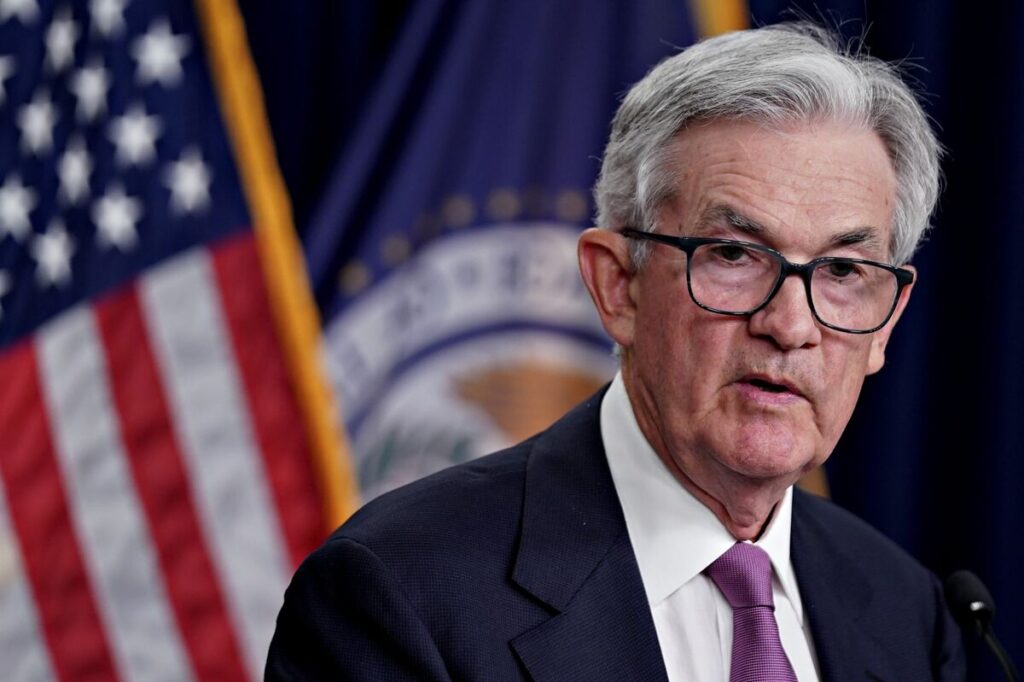
During the House Financial Services Committee’s semi-annual hearing on Federal Reserve policy, Chair Jerome Powell expressed the Federal Reserve’s perspective on stablecoins, stating that they are considered a form of money.
Powell’s remarks were made in response to Maxine Waters, the committee ranking member, who sought his opinion on the proposed stablecoin bill, a Republican-led initiative that would mark the first cryptocurrency legislation in the United States if enacted.
Waters raised concerns about the bill, pointing out that it would establish 58 different licenses with federal regulatory approval only granted to two of them.
The remaining licenses would be issued by states, territories, and other jurisdictions, a move that Waters criticized for taking state preemption to an unprecedented level. Powell, in response, asserted, “We do see payment stablecoins as a form of money, […] and we believe that it would be appropriate to have quite a robust federal role in what happens in stablecoin going forward.”
He further added that permitting significant private money creation at the state level would be an error.
Notably, Powell’s stance contrasts with that of Securities and Exchange Commission (SEC) Chair Gary Gensler, who previously emphasized the potential requirement for registration and regulation of stablecoins, excluding Bitcoin, which he considers a security.
Powell’s position also diverges from Commodity Futures Trading Commission (CFTC) Chair Rostin Behnam’s view that stablecoins should be categorized as commodities.
While the Federal Reserve lacks a readily accessible definition of money, it is generally regarded as a medium of exchange.
In contrast, commodities are defined under U.S. law as “goods and articles […] and all services, rights, and interests […] in which contracts for future delivery are presently or in the future dealt in.” The definition of a security is more complex.
Former CFTC Chair Chris Giancarlo also weighed in on the stablecoin bill, noting in an editorial in The Hill that all licensing authorities would possess the discretion to pressure stablecoin protocols into denying services to lawful but politically disfavored businesses.
Giancarlo referred to this as a “glaring omission” that could potentially enable a government policy resembling the Obama administration’s Operation Choke Point.
He proposed a simple solution to the problem: restricting government licensing authorities from selectively choosing among otherwise lawful activities and conditioning licensure on the stablecoin’s rejection of legal transactions.
Giancarlo cautioned that without this safeguard, stablecoin transactions would be at the mercy of the shifting political landscape in Washington.
Powell’s statements and the ongoing discussions surrounding the stablecoin bill reflect the growing recognition and significance of stablecoins in the realm of finance, prompting regulators to address their oversight and regulation to ensure stability and safeguard against potential risks.
Other Stories:
Moody’s Issues Warning About Lack of Bipartisan Support for Crypto Regulation in the US
Binance Takes Steps Towards Enhanced Bitcoin Transactions with Lightning Network Integration
Polygon Co-founder Suggests Proposal to Improve Security of PoS network
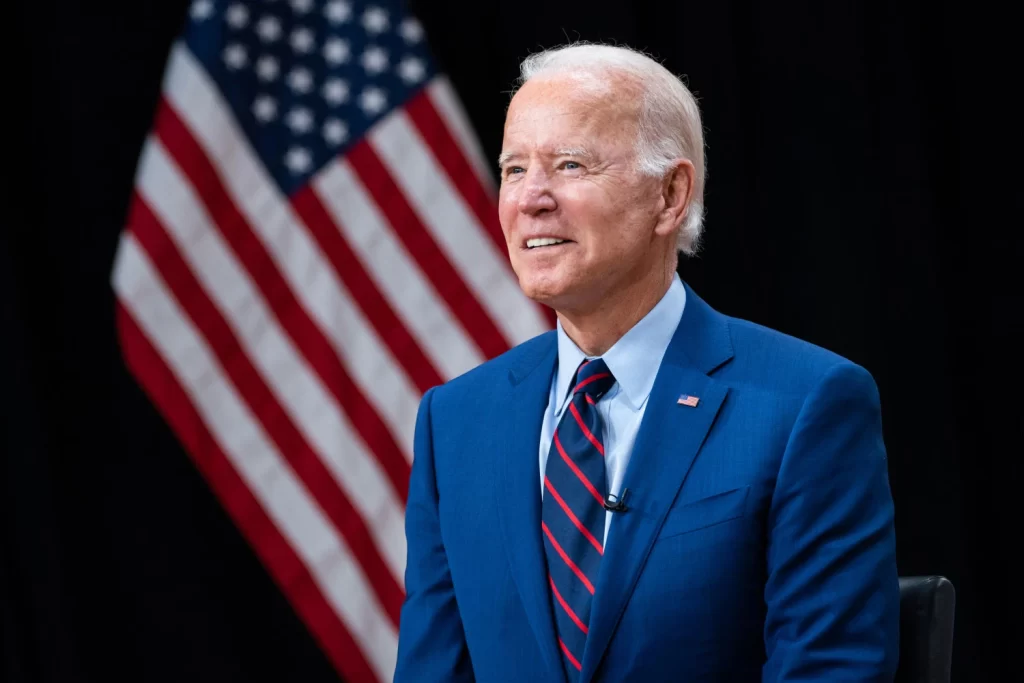
U.S. President Joe Biden will convene a meeting with Silicon Valley’s AI experts to deliberate on the potential hazards, policies, and opportunities tied to Artificial Intelligence (AI).
This discussion is set to take place between Biden’s fundraising campaign stops in California.
The assembly of eight experts comprises distinguished AI safety specialists and researchers. Among those are Jim Steyer, founder of Common Sense Media;
Tristan Harris, co-founder of the Center for Humane Technology; Fei-Fei Li, co-director of Stanford’s Human-Centered AI institute; Joy Buolamwini, founder of the Algorithmic Justice League; and Sal Khan, founder of the Khan Institute.
These individuals are esteemed for their strides in areas like education, policy, safety, and harm mitigation.
This meeting, scheduled at 4:00 pm Pacific Standard Time at the Fairmont Hotel in San Francisco, is one in a series of discussions the president is taking part in.
The discourse will be broadcast live on the official White House YouTube channel. Earlier, White House officials have met with CEOs of leading global AI sector companies, including Google, Microsoft, and Anthropic.
The U.S. Senate has also recently engaged with AI figureheads such as OpenAI CEO Sam Altman, IBM chief privacy and trust officer Christina Montgomery, and NYU’s Gary Marcus, to mull over AI policies.
Altman suggested creating a federal regulatory body to monitor the burgeoning AI industry, an idea Marcus seconded, while Montgomery advocated for a more precision-based approach from Congress.
Despite the growing dialogue around AI, the U.S. government has yet to establish a comprehensive strategy for AI regulation. As Europe, China, and the UK take strides towards extensive legislation for AI, the U.S. remains trailing in implementing broad-scale cryptocurrency and AI laws.
The intertwining of AI with the cryptocurrency, blockchain, and Web3 industries makes these regulations even more crucial.
Other Stories:
Analysis: Why is Bitcoin (BTC) Price Up Today?
Fund Manager Predicts Bitcoin Will Reach $1 Million, Gives Bullish Coinbase Assessment

Škoda Auto, the Czech automobile conglomerate, has announced the launch of its NFT platform in collaboration with Near Protocol.
The Indian subsidiary of Škoda Auto, Škoda India, introduced the Web3 and nonfungible token (NFT) experience on June 20. Named “Škodaverse India,” the platform aims to offer several features such as low gas fees, interoperable NFTs for multiplatform usage, and eco-friendly, scalable NFTs.
The company emphasizes its commitment to sustainability by minting all NFTs on carbon-neutral blockchains.
While the exact release date and pricing details of the inaugural Škoda NFT collection have not been disclosed, users will be able to mint the NFTs by adding funds to their wallets once they are made available.
The developers promise a range of benefits for NFT holders, including ownership of unique digital assets representing Škoda’s artwork or collectibles, the potential for value appreciation and future resale, and access to exclusive perks, rewards, or experiences tied to NFT ownership.
Trading options will be available in both fiat currency and cryptocurrencies.
Škoda Auto’s NFT platform marks the company’s foray into the Web3 space, as it expands its digital presence. The platform invites users to explore, collect, and own unique digital art pieces, as the company embraces the possibilities offered by the Web3 technology.
Founded in 1925 in what was then Czechoslovakia, Škoda Auto became one of the largest industrial manufacturers in Interwar Europe.
However, it was later nationalized in 1948. Following the collapse of the Czechoslovak Communist regime in 1990, the company gradually became a subsidiary of German automobile manufacturer Volkswagen.
Škoda cars have gained popularity in Central and Eastern European countries, with a total of 731,000 cars delivered in 2022.
With the launch of the NFT platform, Škoda Auto aims to leverage the growing interest in digital assets and blockchain technology.
By embracing NFTs and the Web3 space, Škoda is positioning itself at the forefront of innovation in the automotive industry, offering unique digital experiences to its customers and collectors alike.
Other Stories:
Analysis: Why is Bitcoin (BTC) Price Up Today?
Big Eyes Launch: Did All of the Investors Just Get Scammed?
Fund Manager Predicts Bitcoin Will Reach $1 Million, Gives Bullish Coinbase Assessment
Bitcoin 2023, the annual conference held in Miami, Florida, was relatively subdued this year, lacking the high-profile announcements of previous years. However, a significant partnership with the potential to impact Mexico’s economy went unnoticed.
José Lemus, CEO of Ibex Mercado, made an important announcement during Bitcoin 2023 Industry Day. He revealed a partnership with Grupo Salinas, one of Mexico’s largest corporate conglomerates.
The collaboration aims to enable millions of Mexicans to pay their internet bills at Total Play, a popular telecoms company, using the Bitcoin Lightning Network.
The Salinas Group, owned by billionaire founder Ricardo Salinas Pliego, operates numerous businesses across Mexico and is known for its support of Bitcoin.
This integration not only facilitates Bitcoin adoption for millions of Mexicans but also extends Lightning capabilities to a range of retailers within the vast Salinas conglomerate. Lemus compared it to a scenario where Best Buy, Bank of America, Fox News, and an NFL team were all owned by the same individual, stating that they would all have Lightning capabilities in the future.
Lemus highlighted that this partnership is just the beginning of Lightning functionality across Grupo Salinas.
The conglomerate plans to develop a Lightning app for employees and a super app for soccer teams to enhance fan engagement through innovative ways, similar to the Perth Heat, an Australian baseball team that adopted Bitcoin as a standard currency.
The Lightning Network integration presents opportunities for financial inclusion in Mexico. Lemus emphasized the potential to bank the unbanked and underserved populations, as well as the broader benefits of financial inclusion, such as access to funding and expanded markets.
He expressed his belief that Mexico could become a thriving Bitcoin destination.
While the timeline for complete Bitcoin integration in daily life may still be some time away, Lemus estimated that within 18 months, individuals could conduct most of their activities using Bitcoin.
However, certain areas, such as taxes and rent, might not yet operate on Bitcoin.
The partnership with Grupo Salinas required 18 months of preparation, indicating the complexity of implementing such initiatives. Lemus indicated that more partnerships and projects are on the horizon in Mexico, although details are not yet available.
Overall, 2022 witnessed promising progress in Bitcoin and cryptocurrency adoption in Mexico, including the establishment of crypto remittance companies and the expansion of crypto exchanges.
With the Lightning partnership between Ibex Mercado and Grupo Salinas, the path to wider Bitcoin adoption in Mexico seems increasingly favorable.
Other Stories:
Polygon Co-founder Suggests Proposal to Improve Security of PoS network
United States Agencies Unite to Form Task Force Targeting Darknet and Cryptocurrency Crimes
Moody’s Issues Warning About Lack of Bipartisan Support for Crypto Regulation in the US
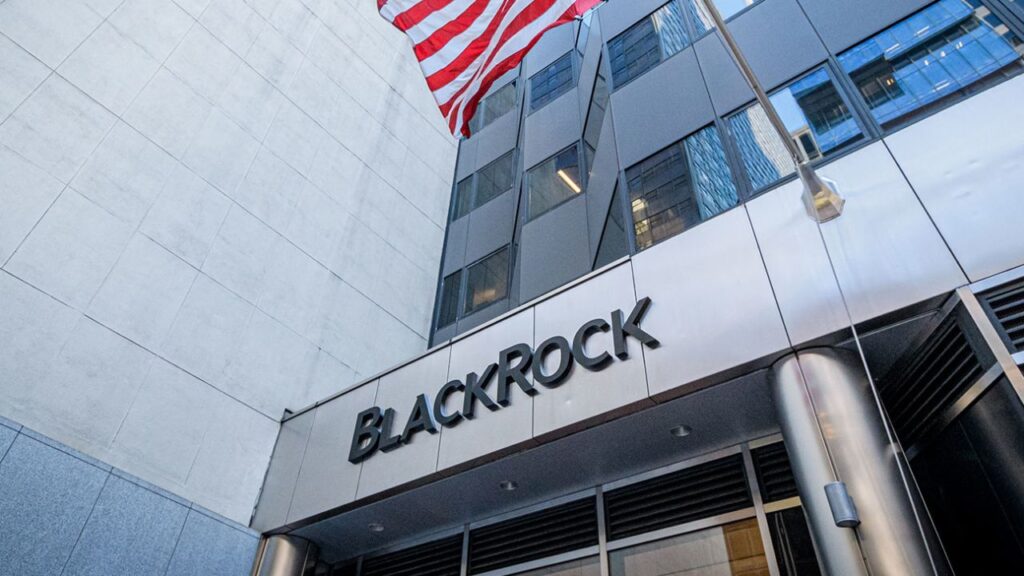
BlackRock’s recent filing for a spot Bitcoin exchange-traded fund (ETF) has sparked a wave of optimism in the investment industry, leading to new filings by other firms. WisdomTree, an asset management fund based in New York, is the latest company to file for a spot Bitcoin ETF.
In its filing to the Securities and Exchange Commission (SEC) on June 21, WisdomTree requested permission to list its “WisdomTree Bitcoin Trust” on the Cboe BZX Exchange with the ticker symbol “BTCW.”
This marks WisdomTree’s third attempt at obtaining approval for a spot Bitcoin ETF, with previous applications being rejected due to concerns of fraud and market manipulation. WisdomTree currently oversees approximately $83 billion in assets.
One notable difference between BlackRock’s filing and previous attempts is its intention to enter into a “surveillance sharing agreement” with the Chicago Mercantile Exchange (CME) futures markets. BlackRock’s proposal references the SEC’s approval of a Bitcoin futures fund by Teucrium, highlighting the CME’s ability to surveil and prevent price distortions caused by manipulative efforts.
WisdomTree’s filing also includes a willingness to enter into a similar surveillance agreement with a US-based spot trading platform for Bitcoin.
Shortly after WisdomTree’s filing, global investment manager Invesco “reactivated” its application for a spot Bitcoin ETF. Invesco’s filing requests the listing of its “Invesco Galaxy Bitcoin ETF” on the Cboe BZX exchange.
The company emphasizes that a spot Bitcoin ETF utilizing professional custodians and service providers eliminates the need for investors to rely on loosely regulated offshore vehicles, thereby offering better protection for their investments.
While the SEC has yet to approve a spot Bitcoin ETF, the recent activities by WisdomTree and Invesco have reignited the race for approval. Bloomberg senior ETF analyst Eric Balchunas expressed optimism and attributed the renewed interest to BlackRock’s involvement.
Balchunas also highlighted BlackRock’s §impressive track record, with a success rate of “575-1” in obtaining ETF approvals from the regulator.
Furthermore, rumors are circulating that Fidelity Investments, a multi-trillion-dollar fund manager with $4.9 trillion in assets under management, may join the race for a spot Bitcoin ETF. Speculation suggests that Fidelity Investments may file for its own ETF or consider acquiring Grayscale’s GBTC ETF product. However, there has been no official confirmation from Fidelity regarding these rumors.
Overall, BlackRock’s filing for a spot Bitcoin ETF has spurred optimism within the investment industry, leading to new filings by WisdomTree and Invesco.
The potential entry of Fidelity Investments further indicates the growing interest in spot Bitcoin ETFs and their potential benefits for investors.
Other Stories:
Moody’s Issues Warning About Lack of Bipartisan Support for Crypto Regulation in the US
Binance Takes Steps Towards Enhanced Bitcoin Transactions with Lightning Network Integration
United States Agencies Unite to Form Task Force Targeting Darknet and Cryptocurrency Crimes