


The International Monetary Fund (IMF) has unveiled plans for an innovative cross-border payment system, using a unified ledger for recording transactions involving central bank digital currencies (CBDCs).
The proposed system, announced during a CBDC policy roundtable co-organized with the central bank of Morocco, promises enhanced programmability and information management.
Named the XC (cross-border payment and contracting) platform, this system could facilitate both individual and institutional users with its potential to reduce fees and expedite transaction times.
According to Tobias Adrian, the IMF’s Director of the Monetary and Capital Markets Department, the platform could help central banks perform functions such as intervening in foreign exchange markets, aggregating capital flow data, and resolving disputes. Additionally, it could be adapted for domestic retail and wholesale CBDCs.
The platform’s blueprint, detailed in an IMF Fintech Note, emphasizes a “trusted single ledger” for exchanging standardized digital representations of central bank reserves in any currency.
The XC platform is built on the CBDC infrastructure model, incorporating a settlement layer with a single ledger whose accessibility is to be expanded.
Unlike the current system where institutions need a reserve account with a central bank for cross-border operations, the XC platform would facilitate trading of tokenized domestic central bank reserves, with liquidity still sourced from institutions with reserve accounts.
The platform will feature a programming layer allowing for service innovation and customization, and an information layer containing anti-money laundering (AML) details crucial for trust and privacy protection.
Notably, it would not necessitate the use of CBDCs, offering interoperability among assets and money tokenized by the private sector.
By programming financial contracts within a safe environment, the platform could instill standards and promote trust, with settlements executed in central bank money.
The idea parallels a concept proposed by Bank for International Settlements General Manager, Agustín Carstens, in his speech delivered in February. The IMF believes that these efforts could redirect some of the $45 billion spent on remittance providers each year back to the individuals in need.
Other Stories:
Cardano founder joins search for extra-terrestrials
Binance takes legal action against ‘Binance Nigeria Limited’
Crypto exchange criticised by FDIC for spreading misinformation
Binance, a major cryptocurrency exchange, has refuted claims suggesting its affiliation with a registered entity in the United Kingdom (UK).
The controversy emerged when a post on the r/buttcoin subreddit revealed a modest structure known as a “utility closet” in Mildenhall, Suffolk County, England, purportedly serving as Binance Ltd’s registered office address in the UK. Nevertheless, a representative from Binance has informed Cointelegraph that the mentioned entity is not associated with the exchange.
The address in question belongs to OfficeServ, a company that offers virtual registered address services, aiming to provide clients with a credible business location.
Google Maps confirms the site’s presence as a small and unremarkable garage building situated on the outskirts of Mildenhall, approximately ninety minutes away from London.
According to Companies House, Binance Ltd is registered to engage in “other service activities not elsewhere classified.”
Although the specifics regarding this entity, Binance Ltd, remain ambiguous, the Financial Conduct Authority in the UK has previously cautioned the public about crypto “clone” firms.
These fraudulent entities employ information from legitimate organizations to deceive potential victims into believing their authenticity.
Multiple entities incorporating “Binance” in their names can be found across various addresses throughout the UK.
The utilization of virtual “shell” addresses by technology companies has been a prevalent practice globally and within the United States for several years. Such addresses serve various purposes, including preserving privacy, concealing patent filings, or establishing businesses in tax havens.
One prominent example is the Corporation Trust Company, the largest registered agent service firm globally.
Numerous well-known companies, including Google, Walmart, Coca-Cola, and Apple, have availed themselves of its services. The company operates from an unassuming brick building in Delaware, which allows firms to maintain confidentiality.
Apple, for instance, employed the Corporation Trust Company in November of the previous year to obscure patent filings related to its recently announced Vision Pro headset and the accompanying operating system.
Another notable case involves Wyoming Corporate Services, which Reuters exposed in 2011, describing it as a “brick house” situated in a placid city and housing around 2,000 registered companies at that time.
Binance has categorically denied any connection to the entity registered at the modest address in Mildenhall,
UK. Virtual shell addresses have been utilized by technology companies worldwide to fulfill various purposes, although they have also raised concerns regarding privacy and potential fraudulent activities.
Other Stories:
Elon Musk suspends ‘scam crypto account’ on Twitter
Crypto exchange criticised by FDIC for spreading misinformation
Binance takes legal action against ‘Binance Nigeria Limited’
Centralized crypto exchanges were identified as a potential hurdle to the growth of crypto investments in the future. Recent legal actions taken by the United States Securities and Exchange Commission against major exchanges Coinbase and Binance exemplify the challenges faced by centralized exchanges.
Australia’s crypto exchanges have also encountered obstacles, with Binance Australia suspending Australian dollar-denominated services and Westpac, Australia’s second-largest bank, prohibiting transactions with the exchange.
Additionally, Commonwealth Bank, the country’s largest bank, expressed concerns about the high risk of scams associated with crypto exchanges and may decline certain payments to them.
Despite considering themselves as “risk averse,” a surprising 31% of young Australian investors, specifically those in the 18-24 age group, hold or have traded cryptocurrencies in the past year, according to a study conducted by the Australian Securities Exchange (ASX).
The study, which included cryptocurrency as an asset class for the first time, revealed that 46% of these young investors preferred “stable returns,” highlighting the contradiction between their risk aversion and their significant investment in crypto.
Researchers attribute the interest of young people in cryptocurrencies to their desire to differentiate themselves from previous generations, coupled with the fact that many of the 1.2 million new investors who have entered the market since 2020 are tech-savvy and active on social media.
The ASX study, conducted by financial research firm Investment Trends, found that young investors in the “next generation” category had a median cryptocurrency holding of $2,700, representing 6% of their total portfolio, twice the 3% allocation observed among other age groups.
Interestingly, although young investors had the highest crypto allocation relative to their portfolios, it was the “wealth accumulators” between the ages of 25 and 49 who owned the largest share of cryptocurrency, accounting for 69% of the total investment in digital assets. Investors aged 50 and above held only 19% of the overall crypto ownership.
While the report acknowledges the volatility of cryptocurrencies, it recognizes their popularity among investors.
It revealed that 29% of potential investors who currently do not invest in any capacity are considering some form of crypto investment within the next year. However, the report maintains a cautious approach, stating that the full acceptance of cryptocurrencies in mainstream investing is still a topic of debate.
The ASX’s report, based on an extensive online survey of 5,519 Australian adults conducted in November 2022, provides valuable insights into the growing interest in cryptocurrencies among young Australians.
While young investors exhibit both risk aversion and significant crypto investments, the report highlights the evolving landscape of investing and the potential challenges faced by the crypto industry as it seeks mainstream acceptance.
Other Stories:
Elon Musk suspends ‘scam crypto account’ on Twitter
Crypto exchange criticised by FDIC for spreading misinformation

Ultima, the powerful cryptocurrency ecosystem, has made a groundbreaking move by introducing a platform that offers an astounding 100% cashback for purchases. This platform sets Ultima apart from both traditional and crypto markets, providing users with an opportunity to receive a significant portion of their spent money back within a specified timeframe. The Ultima Cashback platform is a game-changer, revolutionizing the way buyers are rewarded for their purchases.
Developed by the world’s leading blockchain dev team, Ultima offers a range of innovative products and services that are not only distinct in the crypto market but also cater to the everyday needs of cryptocurrency users. With its advanced global infrastructure, Ultima aims to transform the way people interact with cryptocurrency worldwide, enabling instant cross-border payments in crypto.
The Ultima ecosystem encompasses an array of products and services that add value to users’ crypto experience. Ultima Store serves as a seamless e-commerce platform that enables users to online shopping and use cryptocurrencies as payment.
Furthermore, users of Ultima Store can take part in its cashback program. Get a license and receive the cashback for Shopping Vouchers. You can get up to 100% cashback in ULTIMA for purchasing Shopping Vouchers. The ULTIMA Cashback platform is incredibly simple, requiring no technical expertise. Users can easily track the status of each cashback transaction through their personal account, ensuring a transparent and user-friendly experience. The cashback transactions take place securely on the SMART BLOCKCHAIN, and users have the flexibility to assign their preferred wallet for receiving the cashback.
ULTIMA Card is among the most amazing products of the ecosystem. It is a crypto debit card that allows users to make purchases with various cryptocurrencies in nearly any country worldwide. Supporting major cryptocurrencies like ULTIMA, SMART, Litecoin, Bitcoin, Bitcoin Cash, Ethereum, USDT, EOS, and BAT, the ULTIMA Card offers convenience and accessibility to thousands of users globally. The card supports multiple account currencies, including euro, dollar, pound, Chinese yuan, and Japanese yen, with a generous account limit of 150,000 euros.
Ultima Travel Club is another remarkable offering, providing a subscription-based travel platform that enables users to search and book flights, hotels, cruises, and car rentals at exclusive discounts. With the ULTIMA Travel Club, users gain access to a vast selection of options, saving up to 90% on their travel expenses. The platform boasts a comprehensive range of offerings, including 2.5 million hotels and villas, 950 cruise lines, major car rental agencies, and over 300,000 activities in more than 150 countries. This upcoming product is set to revolutionize the way people travel.
As Ultima continues to expand its ecosystem, it is actively developing an advanced crypto-exchange called UltimEx Exchange, ensuring high liquidity and global accessibility for cryptocurrency trading.
Furthermore, Ultima takes pride in its commitment to supporting charitable initiatives and startups. Through the Charity Crowdfunding and StartUp Crowdfunding platforms, set to be launched in the near term, Ultima will provide a trustworthy environment where people and startups can promote and fund their ideas. These platforms leverage blockchain transparency to enhance trust, accountability, and efficiency, fostering a win-win scenario for both project creators and supporters.
With over 2,500,000 users worldwide, Ultima continues to redefine the crypto landscape by offering innovative solutions and unparalleled opportunities. Its remarkable cashback program, combined with a suite of cutting-edge products and services, positions Ultima as a leader in the cryptocurrency ecosystem, revolutionizing the way people engage with digital currencies and making everyday life more accessible and rewarding for users worldwide.

Twitter has suspended the AI-powered Twitter account known as “Explain This Bob” after Elon Musk labeled it a “scam crypto account.” The account, which was also linked to a memecoin, was taken down shortly after Musk’s accusation.
The bot project was associated with the ERC-20 memecoin called Bob Token (BOB), which was launched in April. CoinGecko reported that the suspension caused the price of BOB to drop by over 30%.
Interestingly, this suspension represents a change in Musk’s previous sentiment towards the bot. On April 20, Musk had tweeted “I love Bob” in response to one of its tweets, a tweet that prominently appeared on the project’s website.
While Twitter suspended the Explain This Bob account, it has not taken action against the Bob Token account. The project’s team responded to the news of the suspension with a humorous meme depicting Musk monitoring a distressed “Bob” in prison.
Observers speculate that Musk believes Explain This Bob is being utilized as a marketing strategy to boost the price of BOB. In response to the suspension, the hashtag “FREEBOB” began circulating on Crypto Twitter.
Many users argue that BOB is not a scam coin and consider the suspension unwarranted, highlighting that the token’s launch was conducted fairly and emphasizing its complete decentralization with a 0% tax mechanism.
Additionally, one individual claimed that the team did not allocate any tokens or conduct airdrops prior to the Bob Token’s launch in April.
The popular Explain This Bob account had garnered more than 400,000 followers before its suspension. It was created by Prabhu Biswal from India and utilized OpenAI’s GPT-4 model to understand and provide responses to tweets from users who tagged the account.
Other Stories:
BUSD plummets down stablecoin rankings
SEC addresses enforcement action against Binance and Coinbase
OKCoin USA, Inc., a cryptocurrency exchange, has been called out by the US Federal Deposit Insurance Corporation (FDIC) for disseminating false and misleading information about its deposit insurance.
In a letter sent to OKCoin USA, Inc., the FDIC demanded immediate corrective action to address these misleading statements.
On the same day, the FDIC also sent letters to Bodega Importadora de Pallets and Money Avenue LLC, cautioning them about the potential harm their statements could cause to consumers.
FDIC Chairman Martin J. Gruenberg stated that the agency has noticed an uptick in the misuse of the FDIC’s name or logo, as well as false claims about deposit insurance, which can confuse individuals about the legitimacy of an insured institution and the protection offered by deposit insurance.
The FDIC pointed out that OKCoin and its senior executives have made repeated misleading statements. For instance, OKCoin claimed in a post that it possessed “FDIC insurance on OKCoin accounts” and stated on Twitter that one of its affiliated exchanges offered FDIC insurance.
In response, the FDIC issued a directive to OKCoin, ordering the removal of all statements implying FDIC insurance or endorsement of any specific blockchain.
The cryptocurrency exchange has been given a deadline of 15 business days to provide written confirmation to the FDIC that it has complied with these demands.
It is important to note that the FDIC only provides deposit insurance for deposits held at insured banks and savings associations, and not for deposits at cryptocurrency companies.
The maximum coverage offered by the FDIC is at least $250,000. In a fact sheet released in July 2022, the FDIC explicitly stated that deposit insurance does not apply to financial products like stocks, bonds, commodities, or cryptocurrencies.
The FDIC emphasized that apart from the potential harm to consumers, misinformation and confusion caused by misrepresentations about deposit insurance can also expose banks to legal risks if a cryptocurrency company or other third-party partner misrepresents the extent and nature of deposit insurance. The agency issued a related advisory last year to highlight these concerns.
Other Stories:
SEC addresses enforcement action against Binance and Coinbase

Charles Hoskinson, the founder of Cardano, has recently revealed his involvement in an expedition dedicated to finding a meteor of interstellar origin that crashed onto Earth in 2014.
The United States Department of Defense had already confirmed the meteor’s extraterrestrial origin in 2019. The search for this remarkable object is being led by the Galileo Project, which operates under the auspices of Harvard University, with Professor Avi Loeb and his student Amir Siraj at the helm.
In an intriguing move, Hoskinson had previously invested $1.5 million in the Galileo Project in March 2023. On June 16th, he made his presence known, joining the researchers on the coast of Papua New Guinea in the Pacific Ocean, and documenting his experiences through a series of tweets.
One of his updates highlighted the extensive ground they still needed to cover, noting that they hadn’t yet begun using the sluice sled, an important tool for the expedition.
Meanwhile, Professor Loeb, another member of the research team, has been diligently updating a blog with daily reports on the expedition’s progress. In a recent post dated June 16th, he revealed the discovery of a manganese-platinum wire with a unique abundance pattern distinct from commonly available commercial products.
Hoskinson’s involvement in such an intriguing venture comes as no surprise, as he is known for investing in unconventional and exciting projects that push the boundaries of knowledge.
In March 2022, he announced his investment in a project dedicated to resurrecting the woolly mammoth, combining blockchain technology with the field of de-extinction.
With Hoskinson’s support, the Galileo Project and its team of dedicated researchers aim to shed light on the mysteries surrounding alien life and the potential existence of UFOs.
As the search for the interstellar meteor continues, the world eagerly awaits any breakthroughs or discoveries that may emerge from this extraordinary expedition.
The scientists involved in the expedition harbor a strong belief in the existence of extraterrestrial life and speculate that the meteor that crashed into the ocean may actually be a fragment of an unidentified flying object (UFO).
Other Stories:
SEC addresses enforcement action against Binance and Coinbase
BUSD plummets down stablecoin rankings
SEC addresses enforcement action against Binance and Coinbase
Binance, one of the world’s largest cryptocurrency exchanges, has taken action against a fraudulent Nigerian entity known as Binance Nigeria Limited. Changpeng Zhao, the CEO of Binance, announced on Twitter that the company has officially issued a cease and desist notice to the fraudulent entity.
This move comes after the Nigerian Securities and Exchange Commission (SEC) released a circular declaring the illegality of Binance Nigeria Limited operating within the country.
Binance responded to the SEC’s circular by stating that the entity mentioned in the document is not affiliated with the company.
A Binance spokesperson expressed their intention to seek clarity from the Nigerian SEC and reiterated the company’s commitment to cooperating with the commission in determining the next steps.
However, it is worth noting that Binance is currently facing legal challenges from the United States Securities Exchange Commission (SEC).
The U.S. SEC has filed 13 charges against Binance entities and Changpeng Zhao, accusing them of operating as an unregistered exchange, broker-dealer, and clearing agency, as well as misrepresenting trading controls.
The U.S. SEC claims that despite earning $11.6 billion from U.S. customers, Binance and Zhao failed to register as required.
In a recent development, U.S. Judge Amy Berman Jackson approved an agreement between Binance.US, Binance’s U.S.-based subsidiary, and the U.S. SEC. This agreement resulted in the dismissal of a previous temporary restraining order that sought to freeze all Binance.US assets.
Binance, which operates in approximately 100 countries, established its headquarters in the Cayman Islands in 2017.
It also registered a subsidiary in Seychelles in 2019. Despite these legal challenges, Binance continues to provide its services to users around the world, and the company’s spokesperson emphasized their commitment to regulatory compliance and cooperation with relevant authorities.
The situation involving Binance Nigeria Limited highlights the importance of regulatory oversight in the cryptocurrency industry.
Other Stories:
BUSD plummets down stablecoin rankings
USDT suffers de-pegging concern after 3pool imbalance
Crypto trading platform suspends trading of SOL, MATIC, and ADA
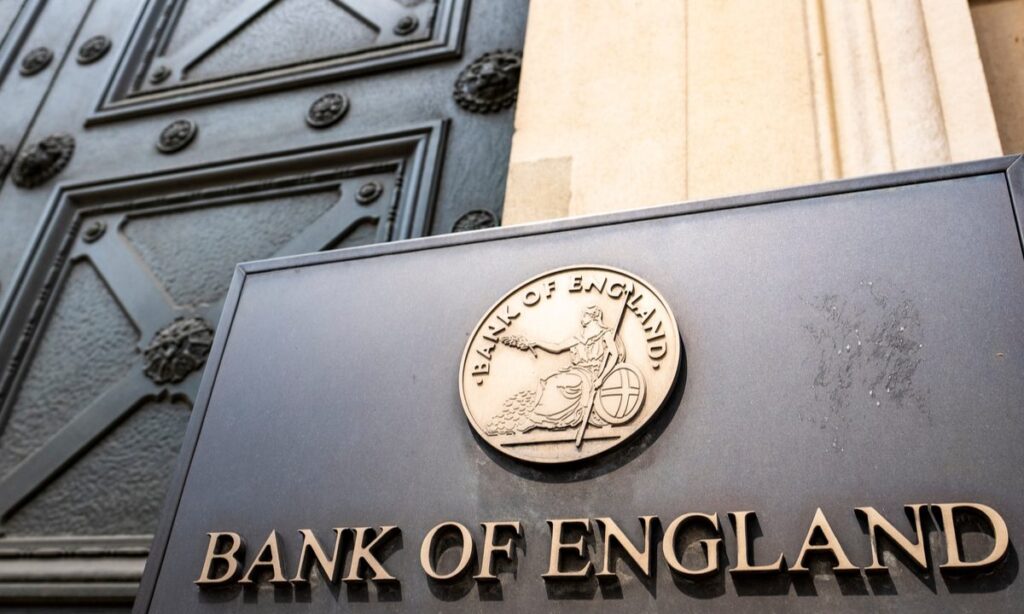
The Bank of England (BoE) has taken a significant step towards the launch of its central bank digital currency, nicknamed “Britcoin,” following the completion of a trial study called Project Rosalind.
In July 2022, the BoE and the Bank for International Settlements launched this joint experiment to investigate the implementation of application programming interfaces (APIs) in retail central bank digital currency (CBDC) transactions.
It examined the integration of CBDCs on smartphones, in retail stores, and online platforms. Furthermore, it delved into the concept of “programmability,” which involves customizing digital money to behave in specific ways based on predefined conditions.
A report released on June 16 summarized the second phase of Project Rosalind, revealing that a CBDC could make person-to-person payments cheaper and more efficient.
Additionally, it highlighted the potential for businesses to develop innovative financial products that combat fraudulent activities.
The study focused on the development of 33 API functionalities and explored over 30 use cases for retail CBDC.
During Politico’s Global Tech Day conference, Cunliffe rated the likelihood of a CBDC project proceeding at “seven out of ten.”
CBDC programmability has faced skepticism, with critics suggesting that it could be programmed to work against its users.
In summary, with the completion of Project Rosalind, the launch of the BoE’s central bank digital currency, known as ‘Britcoin,’ is drawing nearer.
Francesca Road, the head of the BIS London Innovation Hub, stated, “The Rosalind experiment has advanced central bank innovation in two key areas: by exploring how an API layer could support a retail CBDC system and how it could facilitate safe and secure CBDC payments through a range of different use cases.”
Despite the positive findings from Project Rosalind, BoE Deputy Governor Jon Cunliffe cautioned that a final decision on launching a CBDC in the country is still several years away.
Simultaneously, on the day of the Project Rosalind findings’ release, enterprise blockchain firm Quant Network announced its participation as a vendor in the study.
This announcement had a positive impact on the price of Quant’s native QNT token.
The study highlighted the potential benefits of CBDCs in facilitating cost-effective and efficient peer-to-peer payments, while also enabling the development of innovative financial products to counter fraudulent activities. However, the final decision on launching a CBDC in the UK is still expected to take several years.
However, the study concluded that a well-designed API layer could enable central banks to collaborate with the private sector and securely provide retail CBDC payments.
Other Stories:
USDT suffers de-pegging concern after 3pool imbalance
Coinbase, a leading cryptocurrency exchange, has criticized the United States Securities and Exchange Commission (SEC) for its evasive responses during their ongoing legal dispute.
In a letter filed on June 17th with the U.S. Court of Appeals, Coinbase’s lawyers expressed their dissatisfaction with the SEC’s failure to address Coinbase’s rulemaking petition, which urges the SEC to establish a regulatory framework for digital assets.
The letter from Coinbase accused the SEC of avoiding direct answers and instead reiterating talking points when asked to address the inconsistency between its litigating position and its actions and statements elsewhere.
This response was prompted by the SEC’s request on June 13th for an additional 120 days to respond to Coinbase’s rulemaking petition.
Coinbase further claimed that the SEC is unwilling to provide updates on its decision to the Court, demonstrating its reluctance by expressing discontent even when ordered to do so.
The prolonged silence from the SEC and the resulting delays in decision-making, according to Coinbase, continue to burden the crypto industry. Furthermore, Coinbase expressed concerns that SEC Chair Gary Gensler’s actions are leading to irreparable damage to both a U.S. public company and the entire industry.
Coinbase’s Chief Legal Officer, Paul Grewal, took to Twitter on June 17th, highlighting the government’s uncommon defiance of a direct question from a federal court.
Grewal expressed hope that the court would issue a writ of mandamus, compelling the SEC to fulfill its official duties under the law, considering that Coinbase’s petition had been rejected.
Additionally, Coinbase has requested that the court impose a deadline of 60 days or less, commencing from June 13th, as an alternative to the SEC’s proposed 120-day extension.
In a separate case on June 6th, the SEC filed a lawsuit against Coinbase, alleging that the exchange had violated several securities regulations, primarily by allegedly offering cryptocurrencies that the regulator considers unregistered securities.
Coinbase’s criticism of the SEC’s lack of transparency and failure to address their concerns reflects the growing tensions between cryptocurrency companies and regulatory authorities.
As the crypto industry continues to evolve, the outcome of these legal battles will have significant implications for the future of digital assets in the United States.
Other Stories:
BUSD plummets down stablecoin rankings
Crypto trading platform suspends trading of SOL, MATIC, and ADA
SEC addresses enforcement action against Binance and Coinbase