


Velar, a decentralized Bitcoin exchange protocol, has introduced the Content Creator Yield Program, a groundbreaking initiative that rewards content creators similarly to yield farming. The program will distribute 50,000 $VELAR weekly (200,000 $VELAR monthly) among five contributors through a raffle system that converts engagement into rewards.
This initiative allows creators—ranging from bloggers and podcasters to video producers and tweet authors—to earn points for their contributions. These points translate into raffle entries, determining the weekly winners. By incentivizing high-quality, educational content, Velar aims to merge financial infrastructure with Bitcoin DeFi education.
“The Velar Creator Program is about recognizing the unsung heroes of the Bitcoin ecosystem – the creators who put in the work, with no support or incentives, simply because they believe in the mission. It’s time they get the rewards and respect they deserve,” said Peter Watson, Chief Marketing Officer at Velar.
Each week, 50,000 $VELAR will be distributed among content creators producing insightful Bitcoin DeFi content. Accepted formats include blogs, videos, tweets, and podcasts. Winners are selected based on a points-based raffle, and rewards are sent to their wallets within 48 hours.
Unlike traditional yield farming, which primarily benefits liquidity providers (LPs), Velar’s program offers a sustainable compensation model for Bitcoin DeFi educators. By valuing contributions that drive community growth, the initiative ensures that educational efforts are rewarded.
To maintain quality, Velar has implemented a verification process that prioritizes engagement over sheer volume. The program also resets weekly, providing equal opportunities for both new and smaller creators to participate and earn rewards. This approach fosters a fair, dynamic, and community-driven ecosystem within Bitcoin DeFi.
With a 60+ million-strong community, including over 19 million KYC’d users, Pi Network is set to revolutionize the crypto sector with the launch of its next phase, the Open Network. Today they announce that this much-anticipated launch will occur at 8:00am UTC on February 20, 2025.
Open Network will bring significant change–external connectivity – to the Layer-1 blockchain that has already been live in its Enclosed Network period since December 2021. The network, along with its fully-developed functionalities, ecosystem components, utility-based applications and the massive crypto-enabled social network will enter a new era where Pi can, for the first time, connect securely with external systems and expand opportunities for Pi Network Pioneers and businesses alike.
Dr. Nicolas Kokkalis, one of two Pi Network Founders, and Head of Technology, explains that the Open Network phase will allow for greater utility within the network: “Pi is the world’s first crypto that users can mine for free on mobile phones which has helped, and will continue to help, bring crypto to the hands of millions of people around the world through accessibility.”
“The Pi blockchain allows people to conduct business with identity-verified individuals and businesses. This feature is unheard of for a Layer-1 blockchain, and opens completely new horizons for blockchain-based utility. Third party apps and services built on Pi can interact directly with KYC-verified people, and people can interact with KYB-verified businesses and crypto services,” added Kokkalis, a Stanford University Ph.D. focusing on combining distributed systems and human-computer interaction to bring cryptocurrency to everyday people.
Dr. Chengdiao Fan, Pi’s other Founder and Head of Product, added that “Open Network is the culmination of our endeavours to build and launch a fully developed and inclusive worldwide peer-to-peer ecosystem and online experience, fueled by Pi, with the focus of it to becoming the most widely used cryptocurrency.”
Pi’s Open Network allows for external connectivity on the Pi Mainnet, which permits the Pi token to interface with other compliant networks and systems. The external connectivity also enables the community and the decentralized world to use new types of utilities, and bridge Pi with real-world businesses and their fiat-based operations.
In a connected world, users can continue to use Pi as a universally understood and accepted medium of exchange, simplifying payments and expanding opportunities across the Pi ecosystem.
Pi has already seen widespread adoption as a medium of exchange, well before Open Network. PiFest 2024—a one week event connecting local Pi-powered businesses with Pioneers—attracted over 27,000 active sellers and 28,000 test merchants across 160 countries. The event showcased Pi’s complete ecosystem for local commerce integration, connecting store discovery through Map of Pi, payments via Pi Wallet, transactions on Pi Mainnet blockchain, and social sharing on Fireside Forum – all seamlessly working across different existing Pi applications.
Over six years of development, including the three-year Enclosed Network period of Mainnet that began in December 2021, Pi Network bootstrapped, grew and prepared for the Open Network era. Specifically, the Enclosed Network allowed Pioneers to complete KYC and migrate their Pi balances to Mainnet, and developers to build apps and utilities for the Pi ecosystem. All the while, the network grew to have over 200,000 nodes run by decentralized community members all around the world, the Core Team built and improved various Pi features and utilities, and Pi developers launched more than 100 Mainnet or Mainnet-ready apps on Pi Network’s Web3 developer platform. Apps in the Pi ecosystem can be accessed and used through the Pi Browser, allowing Pioneers to transact for real goods and services in Pi. Some of these apps are also included in the Ecosystem Interface, which showcases Testnet and Mainnet Pi Apps built by the community.
With Open Network in place, Pioneers will continue to have the ability to mine withrate adjustments in line with the declining exponential issuance model and monthly limits as stated in the Whitepaper. They will also continue to have the ability to use the fully developed network utility, which enables them to engage with Pi Apps, and transact with actual Pi, boosting the ecosystem’s real-world utility.
“As Pi Network enters the Open Network phase, we invite Pioneers, developers, and businesses to explore the collaborative ecosystem which has benefited from their active participation and leadership in driving innovation and building a sustainable decentralized world together,” said Fan.

The Dogecoin price’s rise from fractions of a cent in 2021, which made many millionaires overnight, was legendary, and many still wish for such times. Thankfully, a top analyst has revealed the WallitIQ (WLTQ) token, selling at $0.0420, is the second chance every investor and top analyst has been waiting for.
Those who weren’t able to grab DOGE when the Dogecoin price was at $0.05 now have a second chance to position for life-changing gains, even at a lesser price. With projections of a 50,000% price explosion, a game-changing crypto wallet app, and a SolidProof audit, this is not just another token—it’s a revolution in the making.
WallitIQ (WLTQ): The Second Chance You Can’t Afford to Miss
DOGE had its moment. With hype and community support, the Dogecoin price enjoyed massive gains, but while still in play, DOGE lacked true innovation. That is where WallitIQ (WLTQ) sets itself apart, as it is not just another crypto. The token’s ecosystem is a fully equipped AI-powered financial tool. Top analysts are pointing to the cutting-edge technology, low entry price, and high investor confidence as the ultimate indicators of the token’s future dominance.
With a low presale price of $0.0420, early investors, including top analysts who have already invested, are excited about the massive returns they stand to enjoy as the token’s price skyrockets. Top analysts are eyeing WallitIQ (WLTQ) to reach $12 per token post-launch. That’s an explosive 50,000% gain that the Dogecoin price never gave investors, even as it surged to $0.7 in the last bull run. Meanwhile, early investors like the top analysts are set to be among the next set of crypto millionaires with this token’s projected rally to $12.
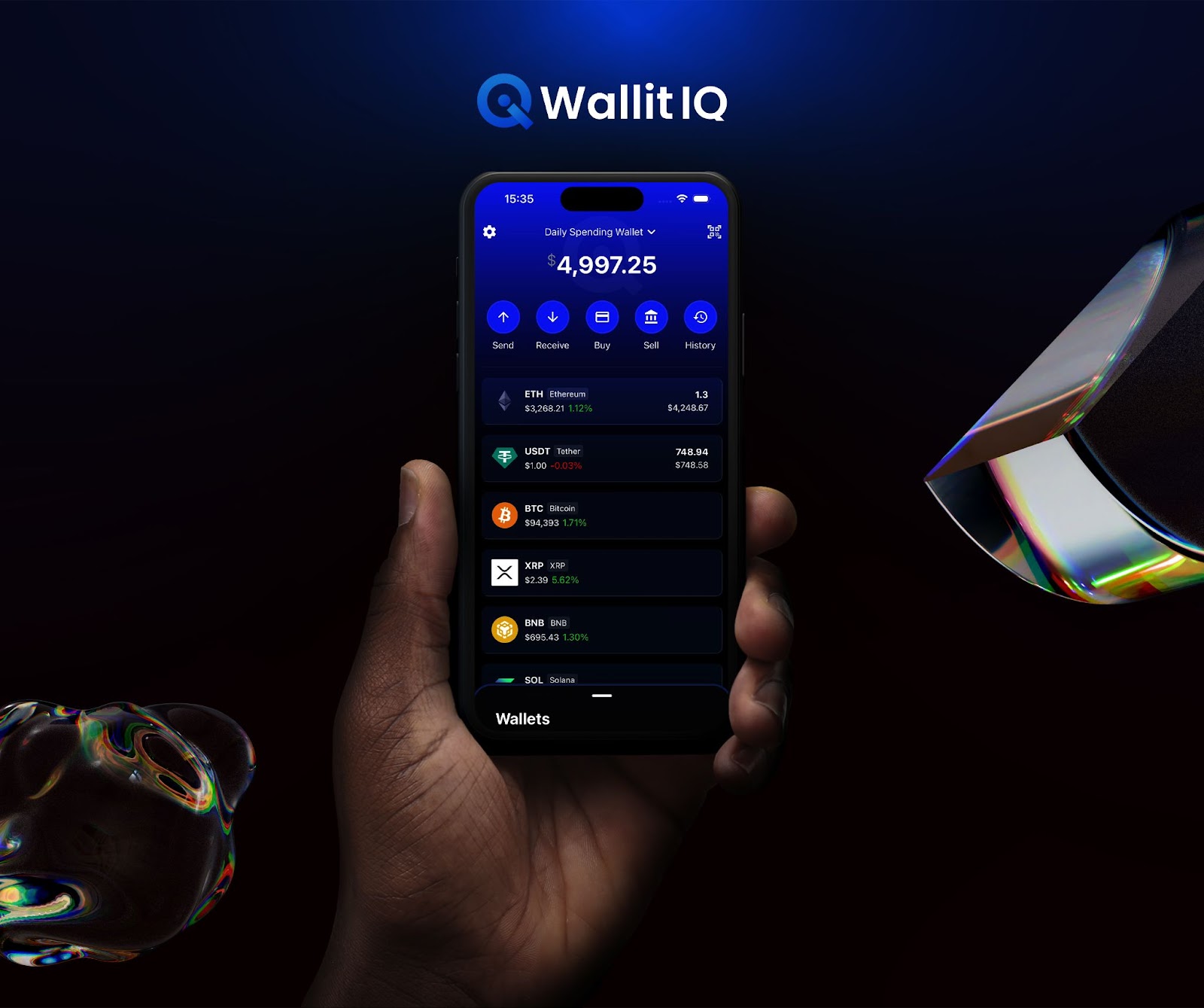
Unlike DOGE, which is purely speculative, WallitIQ (WLTQ) is backed by real, industry-changing tech. The MVP build of its Crypto Wallet Management Mobile App is one of the most advanced tools crypto investors have ever seen. This is one of the reasons why the top analyst is bullish on the platform’s native token.
The application also features Live Market Data, powered by CoinGecko’s API, which tracks real-time crypto prices, giving a detailed view and interactive candlestick charts with multiple timeframes.
The AI-driven simulated transactions test crypto transactions without risking funds. They allow users to test the market without interacting with the blockchain and mimic purchases like Starbucks coffee or Spotify subscriptions. The system provides full transaction history and portfolio insights, tracking all wallet activity for smarter investment decisions.
The app is designed with scalability in mind. In the future, it will accommodate features like the AI-powered Trading & Alerts Automated trading tools, which will give Custom price alerts for strategic buying and selling.
WallitIQ (WLTQ) has been fully audited by SolidProof, guaranteeing absolute transparency and protection against rug pulls. This smart contract audit also highlights the impressive security investors and users will enjoy while using the platform.
The Dogecoin Created Millionaires In 2021 But Is Now Struggling
DOGE transformed a joke into a billion-dollar asset with spikes and surges in Dogecoin prices in the past. If investors bought DOGE when the Dogecoin price was at $0.05, they would have made millions when the Dogecoin price hit $0.73. Now, DOGE is struggling to break past $0.3 and faces major roadblocks in adoption and utility.
On the other hand, WallitIQ (WLTQ) is surging, with top analysts predicting 150,000% gains in the coming months. The token’s low presale price of $0.0420 and mouth-watering projections place it above others. An investment in the altcoin is undoubtedly the best way to position for generational wealth.

Will You Let This Second Chance Slip Away?
This moment separates those who build wealth from those who watch it happen. WallitIQ (WLTQ) at $0.0420 is the golden ticket to generational wealth for those who missed DOGE. The window is closing fast as the presale price is set to skyrocket soon enough with the increasing demand for the token.
Invest now and be part of the next crypto explosion before it’s too late. Join the WallitIQ (WLTQ) presale today and secure your financial future! If you missed DOGE at $0.05, this is your chance at redemption; don’t miss out on life-changing gains again.
Join the WallitIQ (WLTQ) presale and community:
The altcoin market exhibited resilience following U.S. Federal Reserve Chair Jerome Powell’s recent comments suggesting a cautious approach to future interest rate cuts. Despite Powell’s indication that there’s “no need to hurry” on reducing rates, altcoins experienced minimal declines, leading some analysts to suggest that the market may have already anticipated this stance.
Crypto analyst Matthew Hyland observed, “Crypto received the worst possible news of 2025 today, yet Alts hardly sold off, and some are in the green.” He further speculated that the market might have “already sniffed this news out prior, hence the capitulation a week ago.” Hyland concluded that the absence of a significant sell-off could indicate that “the bottom is in.”
Over the past 24 hours, major altcoins showed modest movements: Ether (ETH) decreased by 3.78%, XRP declined by 1.24%, and Solana (SOL) dropped by 2.20%.
Powell’s remarks to the Senate Banking Committee emphasized that the U.S. economy is “remaining strong” and that there is no immediate need to adjust interest rates.
The crypto community remains divided on the implications of the Federal Reserve’s cautious stance. Some traders argue that waiting for quantitative easing (QE) might not be beneficial, suggesting that significant economic challenges would need to occur before QE is reintroduced. Conversely, others believe that a stable economy with some credit expansion could foster a moderately risk-on environment, potentially benefiting altcoins.
Recent analyses have highlighted concerns about the oversaturation of the altcoin market. With approximately 36.4 million tokens in circulation, some analysts question the viability of future altcoin seasons, suggesting that the sheer volume of tokens could hinder significant market rallies.
While the Federal Reserve’s current monetary policy approach has introduced uncertainty, the altcoin market’s limited reaction suggests that investors may have already factored in these developments. However, concerns about market oversaturation persist, potentially influencing future altcoin performance.
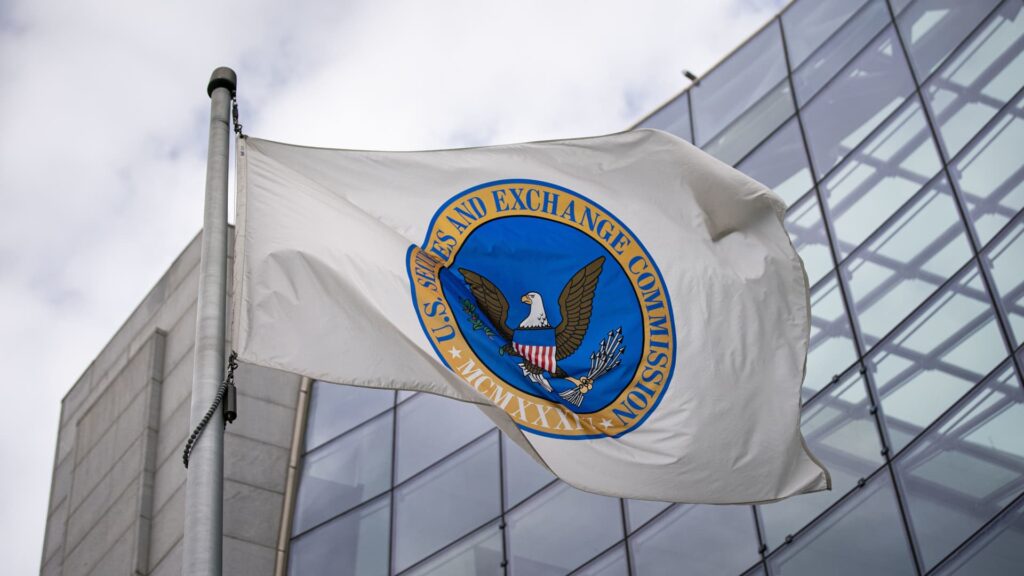
The U.S. Securities and Exchange Commission (SEC) is currently awaiting the Senate’s confirmation of a new chair before establishing a definitive regulatory agenda for digital assets. Commissioner Hester Peirce, who leads the SEC’s Crypto Task Force, emphasized that it is “a little premature” to set such an agenda without a Senate-confirmed chair to guide the process.
Following the departure of former SEC Chair Gary Gensler on January 20, Mark Uyeda assumed the role of acting chair. President Donald Trump has nominated former SEC Commissioner Paul Atkins for the chair position, with the Senate expected to vote on this nomination soon. Peirce noted, “Acting Chairman Uyeda is doing a great job, and the agenda is working—we haven’t stopped working. But we assume that sometime soon, if Chairman Atkins is confirmed as chairman, he’ll come in and want to set his agenda.”
On January 28, President Trump nominated Atkins for an SEC commissioner term ending in June 2031, as Crypto Intelligence reported. As of February 11, the Senate Banking Committee had not yet considered his nomination, which requires a majority vote to advance to the full Senate for confirmation.
Peirce also mentioned that the SEC is “trying to figure out” a path forward for rulemaking on digital assets. In January, an appellate court ruled that it would not mandate the commission to develop clear guidelines for crypto firms but agreed with Coinbase’s position that the SEC made an “arbitrary and capricious” decision in denying a rulemaking request.
Following the establishment of the SEC’s Crypto Task Force, the commission has requested delays in at least two of its previously filed enforcement actions, suggesting that the agency’s efforts in developing a regulatory framework could influence its stance. An Illinois judge granted a 30-day extension in a crypto case against Cumberland DRW, while a District of Columbia court had not responded to a similar request in the commission’s case against Binance at the time of publication.
Currently, the SEC comprises Commissioners Peirce and Uyeda, both Republicans, and Democratic Commissioner Caroline Crenshaw. It remains uncertain whether President Trump intends to nominate a fifth commissioner to complete the leadership team at the financial regulator, pending Atkins’ potential confirmation.
Asset management firm Franklin Templeton has established the “Franklin Solana Trust” in Delaware, signaling its intention to launch a spot Solana exchange-traded fund (ETF) in the United States. The trust was formed on February 10 by the CSC Delaware Trust Company, which has previously registered crypto trust products for other asset managers, including Bitwise.
To proceed with the ETF, Franklin Templeton must file a Form 19b-4 and a Form S-1 with the Securities and Exchange Commission (SEC). If approved, the Franklin Solana Trust would aim to track the price movements of Solana (SOL), currently the world’s fifth-largest cryptocurrency with a market capitalization of approximately $97 billion.
The filing did not specify which exchange would list the ETF. However, Franklin Templeton’s existing spot Bitcoin (BTC) and Ether (ETH) ETFs are both listed on the Cboe BZX exchange.
Franklin Templeton has previously expressed strong support for the Solana network, highlighting its resilience in overcoming “technological growing pains” and its demonstration of the potential of high-throughput, monolithic blockchain architectures.
Bloomberg ETF analysts James Seyffart and Eric Balchunas have estimated a 70% chance of an approved spot Solana ETF before the end of 2025. They noted that these odds increased significantly following President Donald Trump’s election victory in November.
On February 11, the SEC acknowledged Form 19b-4 filings for spot Solana ETFs submitted by 21Shares, Bitwise, Canary Capital, and VanEck. Earlier, on February 6, the SEC acknowledged Grayscale’s Solana filing, a noteworthy development given the agency’s previous rejections of similar applications under former Chair Gary Gensler.
Financial services firm JPMorgan has projected that an approved spot Solana ETF could attract between $3 billion and $6 billion in net assets within its first year. Analyst Eric Balchunas described this forecast as a “reasonable guess.”
As of now, Solana is trading at $198.5, reflecting a 1.5% decrease over the past 24 hours, according to CoinGecko data.
Bitcoin’s price sharply dropped around 2pm (GMT) on 11 February, amid growing fears of Donald Trump escalating his trade war and due to reports of Binance selling its BTC, Ether and Solana reserves.
The BTC price is still going down, and it is unclear how low it will drop before the market closes in the United States today.
Bitcoin’s price is influenced by a myriad of factors, ranging from fundamental economic principles to immediate geopolitical events. Understanding these elements is crucial for investors aiming to navigate the cryptocurrency’s inherent volatility.
Supply and Demand Dynamics
At its core, Bitcoin’s value is dictated by the basic economic principle of supply and demand. With a capped supply of 21 million coins, Bitcoin’s scarcity plays a pivotal role in its valuation. As more investors seek to acquire Bitcoin, especially during periods of heightened media attention or economic instability, the increased demand against a limited supply can drive prices upward. Conversely, reduced interest or significant sell-offs can exert downward pressure on the price.
Market Sentiment and Speculation
Investor perception significantly impacts Bitcoin’s market movements. Positive news, such as institutional adoption or favorable regulatory developments, can bolster confidence and elevate prices. On the other hand, negative events, including security breaches or adverse governmental policies, can lead to rapid declines. The speculative nature of the market means that traders often react swiftly to news, amplifying volatility.
Regulatory Environment
Governmental regulations and legal frameworks surrounding cryptocurrencies can either enhance or hinder Bitcoin’s growth. Announcements of stricter regulations or potential bans can deter investment, leading to price drops. Conversely, clarity and supportive policies can attract more participants to the market.
Technological Developments and Security
Advancements in blockchain technology, scalability solutions, or improvements in security protocols can enhance Bitcoin’s appeal, potentially driving prices higher. However, security breaches, such as exchange hacks or vulnerabilities in the protocol, can erode trust and result in sharp price declines.
Macroeconomic Factors
Broader economic conditions, including inflation rates, currency fluctuations, and geopolitical tensions, can influence Bitcoin’s price. For instance, during times of economic uncertainty, some investors view Bitcoin as a hedge against traditional financial systems, increasing its demand. Conversely, a strengthening U.S. dollar or rising interest rates can make traditional investments more attractive, potentially leading to a decrease in Bitcoin’s price.
Recent Decline: February 11, 2025
As of February 11, 2025, Bitcoin’s price experienced a decline, trading at approximately $96,899, down 1.24% from the previous close. This downturn can be attributed to several factors:
- Anticipation of Inflation Data: The market is awaiting the release of the January consumer price index report, which is expected to show a 2.9% increase in inflation from the previous year. Higher-than-expected inflation could deter the Federal Reserve from cutting interest rates, negatively impacting cryptocurrencies by increasing borrowing costs and making bonds more attractive to investors.
- Market Activity Levels: Recent analyses indicate that Bitcoin activity has hit a one-year low, marked by a sharp decline in the number of transactions. While a spike in demand from long-term holders may underpin the price, the decreased activity suggests a cautious market sentiment.
- Regulatory Concerns: Incidents such as the recent guilty plea of an individual involved in hacking the SEC’s social media account to manipulate Bitcoin’s price highlight ongoing security and regulatory challenges. Such events can undermine investor confidence and contribute to price volatility.
Bloomberg ETF analysts James Seyffart and Eric Balchunas estimate a 90% probability that the U.S. Securities and Exchange Commission (SEC) will approve a spot Litecoin (LTC) exchange-traded fund (ETF) by the end of 2025. They believe Litecoin’s approval process may be more straightforward compared to other cryptocurrencies due to its established regulatory filings and the SEC’s likely classification of it as a commodity.
In contrast, Seyffart and Balchunas assign lower approval probabilities for spot ETFs of other cryptocurrencies: 65% for XRP, 70% for Solana (SOL), and 75% for Dogecoin (DOGE). The analysts note that the SEC’s acknowledgment of Grayscale’s 19b-4 filing to list a spot Litecoin ETF indicates that Litecoin is next in line for approval, following Bitcoin and Ethereum.
The anticipated approval of a Litecoin ETF is part of a broader trend, following the strong demand for spot Bitcoin and Ether ETFs, which have seen significant net inflows since their launches in January and July 2024, respectively. While a Litecoin ETF may not attract the same level of demand, Seyffart suggests that even with modest inflows, such ETFs can be worthwhile for fund companies. He states, “They don’t have to hit it out of the park on a flows basis to be worthwhile from an issuer perspective.”
The final SEC decision deadlines for the proposed Litecoin, Solana, XRP, and Dogecoin ETFs are scheduled between October 2 and October 18, 2025. Seyffart indicates that a Litecoin ETF could potentially launch before these dates.
The analysts also highlight that prior to the 2024 U.S. presidential election, the approval odds for these crypto ETFs, except for Litecoin, were below 5%. The election outcome appears to have positively influenced the perceived likelihood of their approval.
However, regulatory uncertainties persist for other cryptocurrencies. For instance, the SEC’s ongoing lawsuit against Ripple raises questions about XRP’s status, which may need resolution before an XRP ETF can be approved. Similarly, Solana’s classification must be clarified before the SEC can evaluate it under a commodities ETF framework.
Analysts are optimistic about the approval of a spot Litecoin ETF in 2025, viewing it as a significant development in the evolving landscape of cryptocurrency investment products.
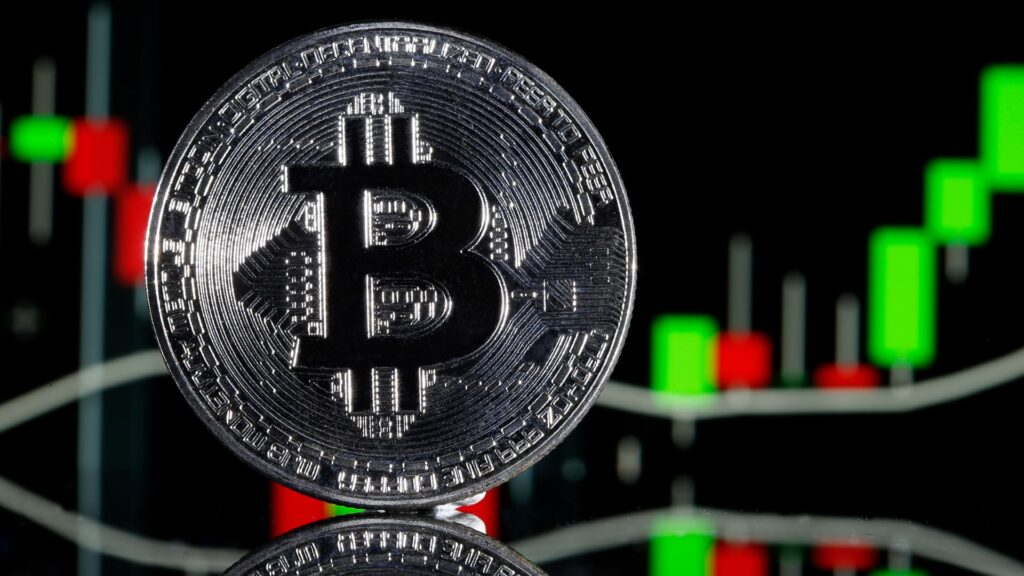
On February 10, a solo Bitcoin miner achieved a remarkable feat by successfully mining block 883,181, earning a reward of approximately 3.15 Bitcoin (BTC), valued at over $300,000. This block contained 3,071 transactions and was mined by an individual identified as “unknown.”
Bitcoin miner Marshall Long noted that the miner utilized an implementation of the CKPOOL but appeared not to be directly associated with it. He speculated that the miner might have employed a Bitaxe device, which can be used for solo mining or in mining pools where computational power is combined to enhance the likelihood of solving a block.
The current Bitcoin network hashrate stands at approximately 788.86 million terahashes per second (TH/s), reflecting a slight decrease from the previous day’s 795.29 million TH/s but marking a significant 53% increase compared to the same period last year. A higher hashrate necessitates greater computing power, leading to increased energy costs and longer verification times, which pose challenges for solo miners attempting to validate blocks independently.
Solo miners solving blocks is a rare occurrence due to the substantial hashrate requirements. Typically, large mining firms such as Bit Digital, Riot Blockchain, and Marathon Digital dominate block validation, given their extensive hash power.
As of now, over 19 million of the 21 million total Bitcoin supply have been awarded to miners through block rewards. This event coincides with a recovery in the cryptocurrency markets, following a temporary decline after U.S. President Donald Trump announced tariffs on aluminum and steel, escalating trade tensions. Bitcoin’s price has rebounded, currently trading above $98,000, though it remains below its all-time high of over $109,000 reached on January 20.
This instance underscores the unpredictable nature of Bitcoin mining, where even individual miners with limited resources can occasionally achieve significant rewards.
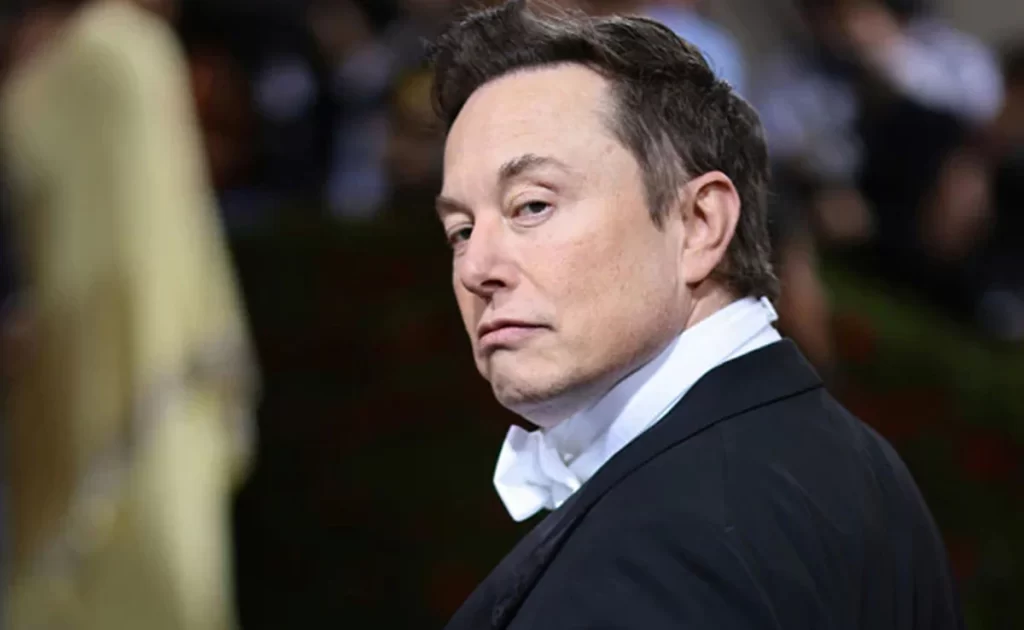
Elon Musk’s Department of Government Efficiency (DOGE) has reportedly achieved significant taxpayer savings, totaling $36.7 billion. This accomplishment has led industry leaders to advocate for enhanced transparency in government expenditures through the adoption of blockchain technology.
According to data from Doge-tracker, these savings represent approximately 1.8% of Musk’s ambitious objective to reduce U.S. government spending by up to $2 trillion. Musk detailed this vision during a January 9 interview with political strategist Mark Penn.
Brian Armstrong, co-founder and CEO of Coinbase, commended DOGE’s progress and emphasized the potential of blockchain to provide a transparent foundation for financial systems. He noted that decentralized blockchain ledgers allow for real-time public verification by anyone with internet access.
A blockchain-based treasury could introduce mandatory spending proposals, permitting transactions only if approved by a majority vote from the populace.
In collaboration with the U.S. Treasury, DOGE identified a significant loophole in government spending, amounting to an estimated $100 billion annually. These funds were directed to individuals lacking a Social Security number or temporary identity number, a practice deemed “extremely suspicious” by Musk. He highlighted that internal estimates suggest about half of this amount, approximately $50 billion per year, could be attributed to clear fraud. Musk described this situation as “utterly insane” and called for immediate action.
To address these issues, new criteria have been established for government payments. All transactions must now include a payment categorization code, which was often previously omitted, hindering audit processes. Additionally, each payment must provide a rationale, another detail frequently left blank in the past. Musk also advocated for more frequent updates to the “DO-NOT-PAY list of entities,” suggesting weekly or daily revisions instead of the current annual updates.
Jean Rausis, co-founder of decentralized finance platform Smardex, commented on the potential impact of Musk’s proposal to transition the U.S. Treasury to blockchain technology. He suggested that such a move could position the U.S. as a global leader in blockchain innovation. Rausis emphasized the importance of using a permissionless blockchain to ensure genuine transparency, cautioning that without this, the promised openness could be superficial. He also noted that embracing decentralized infrastructure could serve as a catalyst for merging traditional web2 and emerging web3 technologies.
Since the launch of the official DOGE website on January 21, the agency has achieved substantial savings for taxpayers in a relatively short period. DOGE’s initiatives are scheduled to conclude on July 4, 2026, aiming to establish a more efficient government with reduced bureaucracy. A comprehensive plan is expected to be unveiled on the 250th anniversary of the U.S. Declaration of Independence.