


Alexey Pertsev, the developer of the cryptocurrency mixing service Tornado Cash, has been granted bail after nearly nine months in detention. The decision marks a significant development in his ongoing legal battle, as he faces charges related to money laundering in the Netherlands.
Legal Proceedings and Bail Decision
Pertsev was arrested in August 2022 following allegations that Tornado Cash was used to launder illicit funds. Authorities claim that the platform facilitated the movement of billions of dollars linked to cybercriminal groups, including those associated with North Korea.
Despite the charges, Pertsev’s legal team has maintained his innocence, arguing that Tornado Cash is merely an open-source tool that does not directly engage in criminal activity. Following months of detention, a Dutch court ruled that he could be released on bail under strict conditions, though the specifics of those conditions have not been made public.
Defense Argument: Tornado Cash as a Neutral Technology
Pertsev’s lawyers have repeatedly emphasized that Tornado Cash functions as a decentralized privacy tool rather than a platform designed for illicit purposes.
“He did not launder money. He did not profit from criminal activity,” his defense team stated. “Tornado Cash is a neutral technology that can be used by anyone, just like the internet or blockchain itself.”
The case has raised concerns within the cryptocurrency community regarding the criminalization of open-source developers. Many in the industry argue that holding developers legally responsible for how their code is used sets a dangerous precedent.
Global Crackdown on Crypto Privacy Tools
Pertsev’s arrest was part of a broader regulatory crackdown on cryptocurrency privacy services. In August 2022, the U.S. Treasury Department sanctioned Tornado Cash, alleging that it had been used to launder over $7 billion in digital assets since its creation.
These sanctions led to widespread controversy, with critics arguing that banning privacy-enhancing tools infringes on financial privacy rights. Several crypto advocacy groups have expressed concerns that targeting developers like Pertsev could stifle innovation and discourage the development of decentralized technologies.
What’s Next for Pertsev?
While his bail marks a step forward in his legal battle, Pertsev still faces serious charges that could result in a lengthy prison sentence if convicted. His defense team is preparing to argue that Tornado Cash is no different from other privacy-focused technologies and should not be blamed for how individuals choose to use it.
The outcome of this case could have lasting implications for the cryptocurrency industry, particularly for developers working on decentralized projects. The trial is expected to continue in the coming months, with industry experts closely watching the proceedings to see how courts define the legal responsibilities of open-source developers in the evolving crypto landscape.
Devine Protocol, a decentralized prediction market platform built on the SUI blockchain, is pleased to announce the launch of its highly anticipated $DEVI token presale starting February 6th, 2025.
Designed to leverage SUI’s rapid transaction speeds and low fees, Devine Protocol aims to reshape how users create, trade, and profit from real-world event forecasting.
A Glimpse into Devine Protocol’s Vision
At its core, Devine Protocol brings an innovative approach to prediction markets by giving users the power to propose and manage events. By staking 100,000 $DEVI, participants can create markets on topics ranging from sports and politics to finance and global trends.
The platform’s user-first model not only encourages market diversity but also rewards market creators with a share of trading fees, making it a potentially lucrative venture for early adopters.
$DEVI Presale: Key Details
Presale Start Date: February 6th, 2025
Presale Duration: 40 days
Token Allocation: 20% of the total 10 million $DEVI supply
Price: 1 SUI = 10 $DEVI
Minimum Buy: 50 SUI | Maximum Buy: 10,000 SUI
Token Distribution: Contributors receive their $DEVI 24 hours after the presale concludes
Why It Matters
Getting in at presale prices allows early supporters to secure tokens before public listings on leading SUI-based exchanges, including a planned listing on Cetus.
With the broader DeFi market on the upswing, securing $DEVI tokens early could prove advantageous—especially for those interested in staking and market creation on the upcoming mainnet in Q2 2025.
How to Join the Presale
Set Up a SUI Wallet: Download a wallet like SUI Wallet or Suiet, ensuring you securely backup your seed phrase.
Fund with SUI: Acquire SUI tokens from a reputable exchange and transfer them to your new wallet.
Access the Presale Page: Visit devineprotocol.com and follow the on-screen instructions to contribute.
Receive $DEVI: $DEVI tokens will be automatically airdropped once the presale ends—no extra steps required.
Community-Driven Future
Join the Telegram and Discord communities for real-time updates and exclusive opportunities such as the upcoming Ambassador Program.
The $DEVI token underpins Devine Protocol’s governance model, allowing holders to propose or vote on platform updates, fee adjustments, and new market features.
Future enhancements, including AI-driven analytics, are already on the roadmap, promising deeper insights and more accurate forecasts.
By staking $DEVI, users can take the driver’s seat and directly influence how the platform evolves.
Need help? Here’s a brief guide on how to join the presale.
Why You Shouldn’t Miss Out
With a strong focus on low fees, rapid transactions, and a token-based model that incentivizes community engagement, Devine Protocol stands poised to become a standout in SUI’s growing DeFi ecosystem.
Early presale participants gain not just token access, but also the potential to create, manage, and profit from markets once the mainnet goes live.
Looking to capitalize on the next wave of decentralized prediction markets? the $DEVI presale is an opportunity you wouldn’t won’t want to miss.
Stay Updated
Website: https://devineprotocol.com
X: https://x.com/devineprotocol
Telegram: https://t.me/devineprotocol
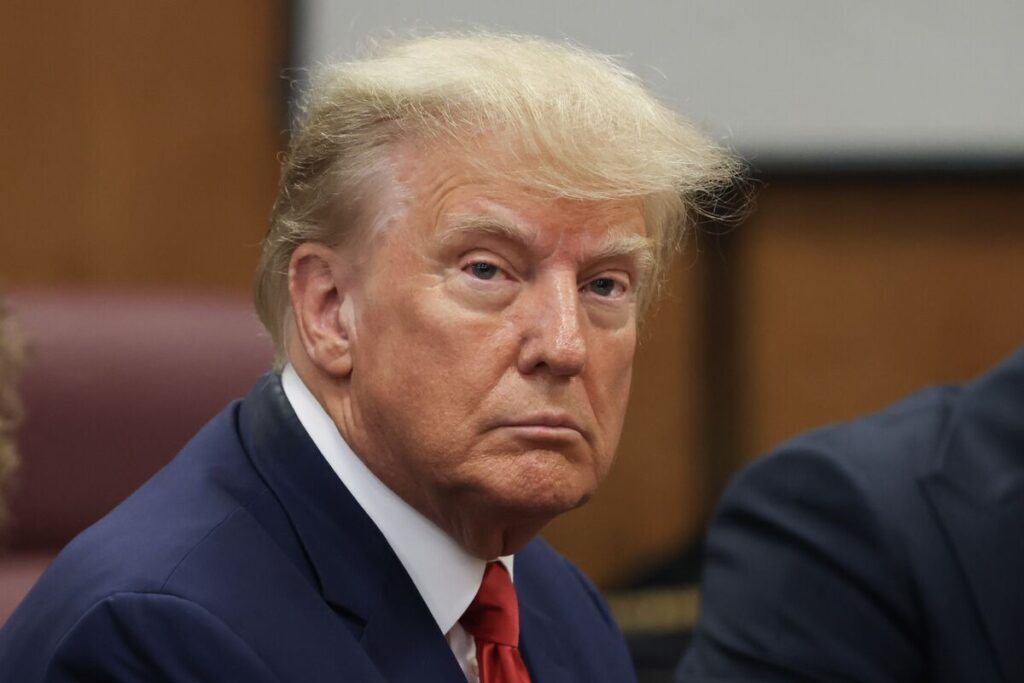
Former U.S. President Donald Trump’s increasing involvement in cryptocurrency has raised concerns over potential conflicts of interest and the risk of insider trading. With his reported holdings in digital assets and his vocal support for the industry, some experts are questioning whether his policies and actions could be influenced by personal financial gains.
Trump’s Crypto Holdings and Advocacy
Trump’s stance on cryptocurrency has shifted significantly over the years. Once a critic of digital assets, he has recently embraced them, particularly in relation to his NFT ventures and reported crypto holdings. The former president is said to own substantial amounts of Ethereum (ETH), largely linked to his NFT sales, as well as other digital assets.
His newfound support for the industry has coincided with political moves that could directly impact cryptocurrency regulations. In recent months, Trump has positioned himself as a pro-crypto candidate, promising a more favorable regulatory environment if he returns to the White House.
Conflict of Interest Concerns
As Trump continues to advocate for crypto-friendly policies, some analysts worry that his personal financial interests could create conflicts. If he were to hold significant cryptocurrency investments while shaping policies that affect the industry, critics argue it could lead to regulatory decisions that benefit his own portfolio.
One analyst stated, “If you’re making decisions that could impact the value of assets you hold, it raises serious ethical concerns. At the very least, there needs to be transparency about those holdings.”
The concerns echo broader debates about politicians and financial markets. Many have called for stricter disclosure requirements and regulations to prevent potential abuses of power.
Insider Trading Risks in Politics
Beyond conflicts of interest, Trump’s crypto holdings have also sparked discussions about insider trading risks. If a public official had access to regulatory changes before they were announced, they could potentially trade assets to their advantage.
The U.S. has seen increasing scrutiny on politicians’ financial activities, with some lawmakers pushing for restrictions on congressional stock trading. Crypto, being a highly volatile and largely unregulated market, presents even greater risks.
“Crypto markets react strongly to regulatory news,” one financial expert explained. “If policymakers or those close to them have advance knowledge of decisions that could impact prices, it creates an environment ripe for insider trading.”
Industry Reactions and Regulatory Outlook
The concerns surrounding Trump’s crypto involvement come at a critical time for the industry. With regulatory agencies tightening their grip on digital assets, the next administration’s stance could play a key role in shaping the future of crypto in the U.S.
Some industry leaders have welcomed Trump’s support, hoping it could lead to clearer regulations and a more business-friendly environment. Others, however, remain cautious about the potential for self-serving policies.

The Chicago Board Options Exchange (Cboe) has filed applications for multiple spot XRP exchange-traded funds (ETFs), marking a significant development in the cryptocurrency investment landscape. The filings, submitted on behalf of asset managers including Bitwise, WisdomTree, 21Shares, and Invesco Galaxy, signal growing interest in expanding crypto investment options beyond Bitcoin and Ethereum.
XRP, the digital asset associated with Ripple, has long been a subject of regulatory scrutiny, particularly due to its ongoing legal battle with the U.S. Securities and Exchange Commission (SEC). Despite this, the latest ETF applications highlight increasing confidence in XRP’s potential as a tradable asset on major exchanges.
Speaking on the development, Bloomberg ETF analyst James Seyffart noted, “This is just a first step. We’ll need to see 19b-4 and S-1 filings before the SEC officially acknowledges them and sets a decision timeline.” His comments suggest that while the filings are a notable milestone, the approval process could take time.
The move to introduce XRP spot ETFs follows the broader trend of crypto ETFs gaining traction in traditional finance. The approval of Bitcoin spot ETFs in early 2024 opened the door for asset managers to explore similar products for other major cryptocurrencies. Ethereum spot ETFs have also been filed and are awaiting SEC decisions, setting a precedent for potential approval of other digital asset ETFs.
However, the regulatory landscape remains a key factor in the success of these filings. XRP’s legal history with the SEC has created uncertainty in the past, as the regulator has argued that XRP constitutes an unregistered security. The ongoing legal battle between Ripple and the SEC has seen partial victories for both sides, with a 2023 ruling stating that XRP is not a security when sold to retail investors but may be considered one in institutional sales.
Despite the regulatory challenges, ETF issuers remain optimistic about XRP’s viability in the market. If approved, spot XRP ETFs would provide investors with direct exposure to the asset without requiring them to hold or manage digital wallets. This could attract institutional investors and potentially boost liquidity for XRP.
Market experts believe that the SEC’s decision on Ethereum ETFs could influence the fate of XRP-based ETFs. If the commission approves Ethereum spot ETFs, it may set a precedent for XRP’s approval. However, if the SEC continues to resist broader crypto ETF offerings, issuers may face significant hurdles.
At present, the filings are in the early stages, and the SEC will need to review them before making any official decisions. The approval process for Bitcoin spot ETFs took several years, and analysts suggest that XRP ETFs could face a similarly lengthy evaluation.
For now, the crypto industry is watching closely to see how regulators respond to this latest development. If approved, XRP spot ETFs could mark another major step toward mainstream adoption of digital assets within traditional financial markets.
XRP’s price movement has caught the attention of analysts, as the cryptocurrency remains under the $3 mark, sparking debate over whether this presents a buying opportunity or signals the end of a rally. As the digital asset associated with Ripple continues to fluctuate, market watchers are weighing the potential for future gains.
Despite periodic surges in the broader crypto market, XRP has struggled to maintain significant upward momentum. The token, which reached an all-time high of $3.84 in January 2018, has yet to revisit those levels, raising questions about its long-term growth potential.
Technical analyst Egrag Crypto remains optimistic about XRP’s trajectory, stating, “XRP at under $3 is an opportunity of a lifetime.” He suggests that historical price patterns indicate a potential breakout, arguing that the asset has been consolidating within a long-term structure that could lead to substantial gains.
However, not all analysts share this bullish sentiment. Some market experts warn that XRP’s price action shows signs of weakness, particularly in comparison to other major cryptocurrencies. Bitcoin and Ethereum have both seen strong rallies in recent months, yet XRP has lagged behind.
A key factor influencing XRP’s performance is its regulatory history. Ripple’s ongoing legal battle with the U.S. Securities and Exchange Commission (SEC) has weighed on investor confidence. While a partial court ruling in 2023 determined that XRP is not a security when sold to retail investors, uncertainty remains regarding institutional sales and regulatory clarity.
Another analyst, Dark Defender, pointed to technical indicators that could influence XRP’s price movement in the near term. “The daily close will be crucial,” he noted, suggesting that a breakout above certain resistance levels could pave the way for a rally. However, failure to maintain key support levels could trigger further declines.
Market sentiment around XRP is also shaped by broader macroeconomic conditions. With growing institutional interest in cryptocurrency, some believe that regulatory developments could unlock new opportunities for XRP adoption. The potential approval of spot ETFs for Bitcoin and Ethereum has fueled optimism that other digital assets, including XRP, could eventually gain similar financial products.
At the same time, some investors remain cautious. XRP’s trading volume and liquidity levels have fluctuated, raising concerns about sustained buying pressure. If demand does not pick up, it could limit the asset’s ability to rally in the short term.
Despite the mixed outlook, XRP supporters continue to emphasize the asset’s utility within the payments sector. Ripple’s partnerships with financial institutions worldwide highlight the token’s role in cross-border transactions, a use case that some believe will drive long-term value.
As the crypto market evolves, XRP’s price trajectory will likely depend on a combination of technical factors, regulatory developments, and broader investor sentiment. Whether its current price represents a major opportunity or a sign of stagnation remains a topic of debate among analysts.
Asset management giant Franklin Templeton has filed an application with the U.S. Securities and Exchange Commission (SEC) to launch a new cryptocurrency exchange-traded fund (ETF), signaling further institutional interest in the digital asset space. The proposed ETF, named the Franklin Templeton Digital Asset Index Fund, would track a mix of major cryptocurrencies, including Bitcoin (BTC) and Ethereum (ETH).
According to the filing, the fund aims to provide investors with broad exposure to the crypto market by investing in BTC and ETH, the two largest cryptocurrencies by market capitalization. If approved, the ETF would trade on the Cboe BZX Exchange, a leading U.S. equities and derivatives exchange.
The move comes amid growing acceptance of cryptocurrency-based investment products, with several financial institutions seeking regulatory approval for ETFs that track digital assets. Earlier this year, the SEC approved multiple spot Bitcoin ETFs, allowing investors to gain exposure to BTC without holding the asset directly. Franklin Templeton was among the firms that launched a spot Bitcoin ETF, joining competitors such as BlackRock and Fidelity.
Industry analysts view the filing as another step toward the mainstream adoption of digital assets in traditional finance. Franklin Templeton’s decision to include both Bitcoin and Ethereum in a single index fund suggests confidence in the long-term viability of these assets.
Despite the positive momentum, regulatory uncertainty remains a key challenge for crypto-related financial products. The SEC has historically been cautious in approving ETFs tied to cryptocurrencies, citing concerns about market manipulation and investor protection. However, the recent wave of Bitcoin ETF approvals has set a precedent that could improve the chances of Ethereum and multi-asset crypto ETFs gaining regulatory approval.
Franklin Templeton’s filing also highlights the growing competition among asset managers to bring crypto-based products to market. Firms like Grayscale, BlackRock, and Fidelity have already established themselves in the space, with Ethereum-focused ETF applications currently under SEC review. If Franklin Templeton’s index fund receives approval, it could attract investors looking for diversified exposure to the two largest cryptocurrencies.
While Bitcoin has long been considered the dominant digital asset, Ethereum’s growing role in decentralized finance (DeFi) and smart contracts has made it a key player in the crypto ecosystem. The inclusion of ETH in the fund suggests that Franklin Templeton recognizes the importance of Ethereum’s network beyond just price speculation.
Franklin Templeton has been expanding its presence in the digital asset industry in recent years. The firm has explored blockchain technology for traditional financial services and previously launched blockchain-based tokenized funds. By filing for a crypto index ETF, the asset manager is doubling down on its commitment to integrating digital assets into mainstream investment portfolios.
The SEC has yet to provide a timeline for its decision on Franklin Templeton’s latest ETF proposal. If approved, the fund could mark another milestone in the institutional adoption of cryptocurrency, giving investors a regulated and familiar way to gain exposure to Bitcoin and Ethereum through traditional financial markets.
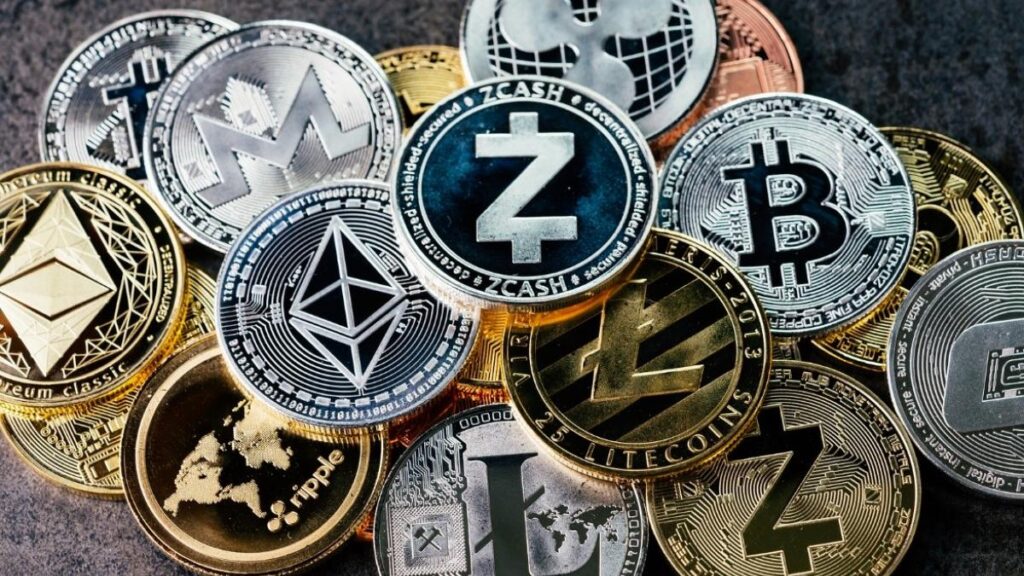
More than just speculative tools, presale tokens reflect technological innovations in many spheres like distributed finance, Web3 infrastructure, and AI-blockchain convergence. These new tokens introduce fresh ideas to address difficult technology constraints, therefore challenging conventional financial paradigms. Their potential resides not only in their financial worth but also in their ability to use distributed ledger technology and advanced cryptography to solve structural problems.
The top 10 presale tokens for 2025 that would rise in value upto 100x upon listing will be discussed in this article.
GameFrog
GameFrog ($GMF) is a meme token based on GameStop and Pepe the Frog. Using distributed finance (DeFi) technology, the project seeks to democratise financial possibilities in a society run under centralised institutions. With an emphasis on staking and token governance, GameFrog provides daily consumers tools to question established financial systems.
Several important characteristics of the project demonstrate its commitment to decentralisation and financial innovation, therefore strengthening its basis. These features provide a strong defence against centralised financial systems, an attractive presale for those who invest early, a staking program setting aside 5% of the total token supply for rewards, and innovative DeFi ideas via smart contracts advancing stability and equitable reward distribution.
Pandana
Pandana ($) PNDN For those looking for a blockchain project combining interactive involvement with narrative, the Pandana presale offers an early investment possibility. Pandana, meant for a worldwide audience, builds a fulfilling ecology where users may enter stories and earn.
From building basic pieces and starting the presale to exchange listings and broad worldwide marketing activities, Pandana’s road map presents a disciplined strategy. Over time, the project seeks to inspire excitement and sustainable development for each member.
BlockDag
High fuel prices and delayed transactions of Ethereum’s ($ETH) necessitate more scalable alternatives; BlockDag ($BDAG) is ready to close this demand. BlockDag uses DAG (Directed Acyclic Graph) technology, unlike conventional blockchains, thereby allowing almost instantaneous transactions with little cost.
BlockDag’s scalable answer is ready to upend the industry as blockchain-based industries such DeFi, NFTs, and Web3 gaming experience congestion on networks like Solana ($SOL) and Avalanche ($AVAX). For those looking for Ethereum substitutes with great potential for growth, $BDAG offers one of the most interesting presales with its quick processing and low transaction prices.
Meme Index
For some, meme coins like Shiba Inu ($SHIB) and Dogecoin ($DOGE) have generated fortunes; but, trading them independently might carry major hazards. Meme Index ($MNDX) offers investors more exposure by providing a distributed index fund covering several trendy meme currencies, therefore altering the game.
$MNDX lowers volatility and increases growth potential by grouping liquidity from the top-performing meme coins, therefore placing it as one of the most exciting presales. Investors are swarming Meme Index for a diversified investment strategy with great upside as interest in meme coins skyrocketing.
Wall Street Pepe
As meme coin project mixing entertainment and financial empowerment, Wall Street Pepe ($WEpe) offers trading signals and community insights. Unlike common meme tokens, it provides useful tools for investors negotiating erratic marketplaces.
The concept creates a cooperative investment network that offers holders strategic benefits in early opportunity discovery. Focussing community involvement and financial intelligence, Wall Street Pepe seeks to change meme coin investing.
Best Wallet
Designed for traders, Best Wallet ($BEST) offers a fiat-to- cryptocurrency onramp and dedicated crypto launchpad and is a complete Web3 environment. Tools on the platform help to manage resources across several blockchain systems.
Lower trading costs, governance rights, and preferential access to future blockchain projects—the $BEST token provides Exclusively alpha insights and simplified digital asset management help holders.
Lightchain AI
Combining two of the fastest expanding Web3 sectors—Lightchain AI ($LCAI) creates a next-generation Layer-1 network by fusing artificial intelligence with blockchain. $LCAI increases transaction speeds, reduces gas costs, and improves security by including machine learning into smart contracts.
With an eye towards attracting institutional investment, the project touts AI integration and positions itself as a possible leader in the AI-blockchain convergence field for 2025. In its current presale stage, the project is positioned to capitalise on the anticipated growth of the crypto market and the increasing popularity of artificial intelligence.
Solaxy
Solaxy ($SOLX) is a Layer-2 scaling solution for Solana addressing transaction costs and network congestion. The platform creates a strong ecosystem for distributed activities, hence improving blockchain efficiency.
Its $SOLX token drives transactions and provides an Ethereum-Solana bridge, therefore allowing smooth cross-chain integration with significant staking incentives that draw in possible investors looking for creative blockchain solutions.
iDEGEN
Attracting interest for its vibrant, community-driven ecosystem, iDEGEN ($iDEGEN) is an artificial intelligence-driven meme coin. Autonomous artificial intelligence in the project learns from user inputs and produces a distinctive, interesting experience by interacting on social media. Strong investor interest in the presale reflects hope in its original approach. The project is an interesting choice for forward-looking investors even if its experimental character increases risk. Its high-reward potential makes it appealing.
Different from conventional meme coins, the project emphasises interactivity and community involvement. $iDEGEN generates a distributed and interesting ecosystem that develops with its community by letting users affect the behaviour of the artificial intelligence. Its presale performance and original concept point to it perhaps being a standout project in 2025.
Aureal One
The continuous presale of DLume tokens gives early investors an opportunity to interact with a project meant to transform the gaming and metaverse environments. Users of DLume’s virtual hub Darklume and the interesting Clash of Tiles strategy game can have fun combining prizes with enjoyment. The presale fits an ambitious development schedule; Q3 2025 plans token exchange and complete project delivery.
Key events on Aureal One’s road map include game alpha testing by mid-2025 and pre-sale of tokens in Q4 2024. Combining metaverse experiences with creative game components presents the project as a fascinating choice for investors seeking blockchain long-term expansion.
The Trump administration has taken a step toward shaping stablecoin regulation in the United States, with officials indicating their support for a framework that ties the digital assets closely to the U.S. dollar.
As stablecoins continue to play a growing role in the cryptocurrency and financial sectors, the administration aims to ensure that they operate within a regulated environment that aligns with traditional monetary policies.
A senior official stated that the administration is “closely monitoring the development of stablecoins” and recognizes their potential to enhance financial transactions and global commerce.
The push for regulation comes amid increasing concerns about the stability and oversight of digital assets, particularly as the stablecoin market has expanded rapidly in recent years.
Many stablecoins are pegged to the U.S. dollar or other fiat currencies, providing a level of stability that other cryptocurrencies, such as Bitcoin and Ethereum, often lack.
However, without clear regulations, policymakers worry that stablecoins could pose risks to financial markets, consumer protection, and even national security.
The administration is reportedly considering a regulatory framework that would ensure stablecoins maintain a one-to-one backing with U.S. dollar reserves and comply with existing financial rules.
“We believe that stablecoins, when properly regulated, can serve as a valuable tool for the U.S. financial system and the global economy,” the official said.
The move aligns with broader efforts to establish the United States as a leader in digital currency innovation while maintaining the integrity of its financial system.
Stablecoins have increasingly been used in payments, remittances, and decentralized finance (DeFi) applications, making them an integral part of the evolving digital asset landscape.
The administration’s stance on stablecoin regulation also comes as political figures and regulatory bodies debate the future of cryptocurrency oversight in the U.S.
Donald Trump has positioned himself as a pro-crypto advocate, with his campaign receiving significant financial backing from the digital asset industry.
Industry leaders have called for clear regulations to prevent uncertainty and encourage mainstream adoption of cryptocurrencies.
While some officials view stablecoins as a potential asset for enhancing payment efficiency, others warn that improper regulation could undermine the dollar’s dominance or introduce systemic risks.
One of the key concerns surrounding stablecoins is ensuring they have sufficient reserves to back their issuance, preventing situations where issuers fail to meet redemption demands.
The administration is expected to collaborate with financial regulators, including the Federal Reserve and the Treasury Department, to establish guidelines for stablecoin issuers.
Market participants believe that regulatory clarity could help increase trust in stablecoins and encourage their adoption by traditional financial institutions.
As the U.S. moves toward shaping its approach to stablecoin oversight, the cryptocurrency industry will closely monitor how the administration balances innovation with financial stability.
With regulatory discussions gaining momentum, the coming months could prove crucial in determining the role stablecoins will play in the future of digital finance.
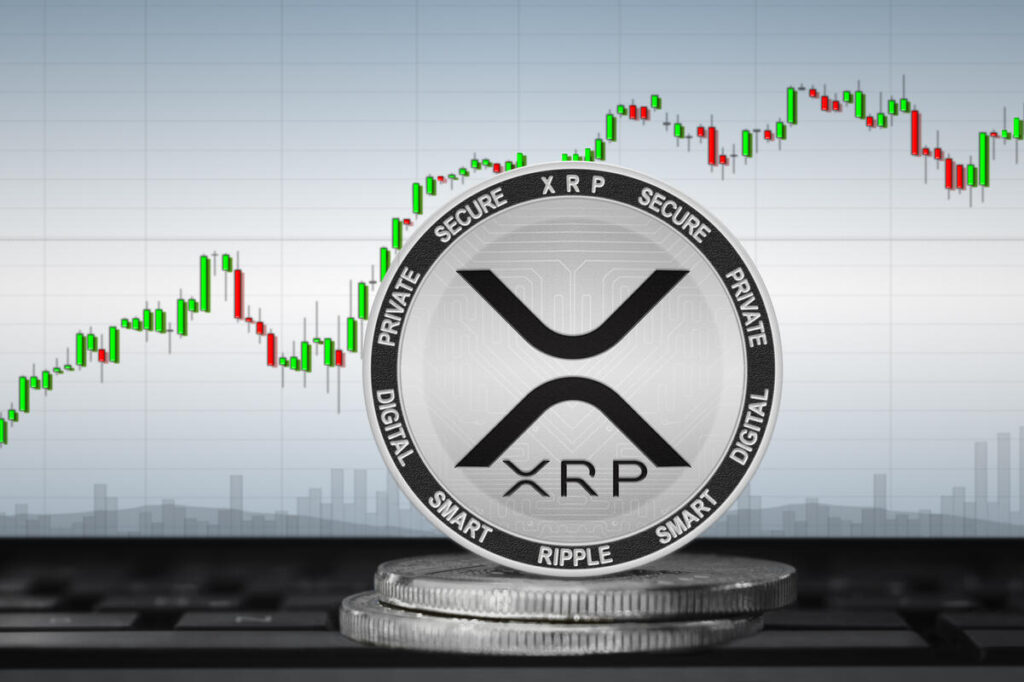
XRP, the native cryptocurrency of the Ripple network, has long been a favorite among investors due to its potential for fast transactions and institutional adoption. With increasing regulatory clarity and growing partnerships, many are wondering about the future of XRP. In this XRP price prediction, we analyze market trends, expert forecasts, and key factors influencing its potential price movement in 2025 and beyond.
XRP Price History and Market Performance
Before diving into XRP price prediction, let’s review its historical performance:
- 2017 Bull Run: XRP reached an all-time high of $3.84 in January 2018.
- Bear Market Decline: XRP fell below $0.20 in 2019-2020 due to market downturns.
- SEC Lawsuit Impact: The 2020 lawsuit against Ripple by the U.S. SEC caused XRP to drop sharply.
- Recent Recovery: In 2023 and 2024, XRP rebounded as Ripple secured partial legal victories.
With this context, let’s explore the XRP price prediction for 2025.
Factors Influencing XRP Price Prediction
Several key factors will shape XRP’s future price:
1. Regulatory Clarity
The ongoing legal battle between Ripple and the SEC has significantly impacted XRP. If Ripple secures a final legal win, we could see increased institutional adoption and price growth. On the other hand, unfavorable outcomes could suppress its price.
2. Adoption and Utility
XRP is designed for fast and low-cost cross-border payments. Major financial institutions like Santander and SBI Holdings use Ripple technology, which could drive demand for XRP and push its price higher.
3. Crypto Market Trends
Like all cryptocurrencies, XRP follows broader market trends. If Bitcoin and Ethereum enter a bull cycle in 2025, XRP is likely to benefit as well.
4. Ripple’s Business Developments
Ripple’s expansion into Central Bank Digital Currencies (CBDCs) and partnerships with global financial institutions could increase XRP’s utility and boost its price.
5. Macroeconomic Conditions
Interest rates, inflation, and institutional investment trends in the crypto space will influence XRP’s future price.
XRP Price Prediction for 2025
Based on market analysis, expert opinions, and historical trends, here are some possible scenarios for XRP in 2025:
Bullish Scenario ($3.00 – $5.00)
If Ripple secures a legal victory, institutional adoption increases, and the crypto market experiences a strong bull run, XRP could surge back to its previous all-time high of around $3.00 or even exceed it, reaching $5.00.
Moderate Growth Scenario ($1.50 – $2.50)
If XRP maintains steady adoption and the market remains positive but not overly bullish, it could range between $1.50 and $2.50.
Bearish Scenario ($0.50 – $1.00)
If the SEC lawsuit drags on, or if market conditions turn bearish, XRP might struggle to break past $1.00, with prices hovering between $0.50 and $1.00.
Long-Term XRP Price Prediction (2030 and Beyond)
Looking beyond 2025, XRP’s potential largely depends on its role in global finance. If Ripple successfully integrates with banking systems and CBDCs, XRP could become a key player in digital payments, potentially reaching $10 or more in the long run.
Summary
XRP remains one of the most intriguing cryptocurrencies with strong institutional backing and use cases. While regulatory uncertainty still looms, positive market trends and adoption could see XRP reclaiming its previous highs. As always, investors should conduct thorough research before making any investment decisions.
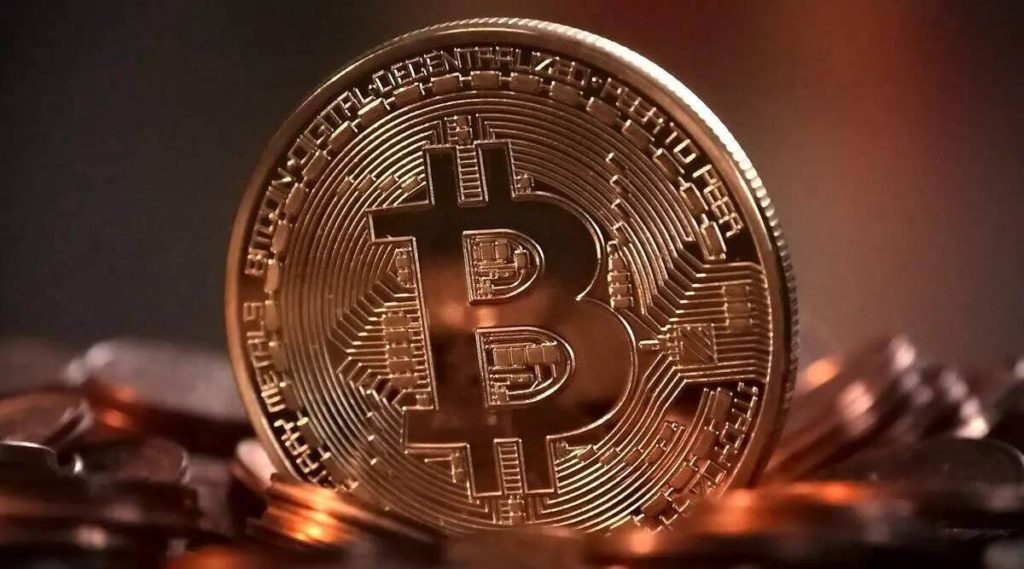
The cryptocurrency market has seen a major shift in 2024, with Bitcoin’s dominance surging to 71%, leading analysts to declare the end of the latest altseason. As capital continues to flow into Bitcoin at the expense of alternative cryptocurrencies, many investors are now questioning the future of the altcoin market in the near term.
Bitcoin dominance—measuring BTC’s market cap as a percentage of the total crypto market—has steadily climbed, reinforcing its position as the preferred digital asset for investors. The shift has coincided with a broader sell-off in altcoins, many of which have failed to sustain their gains from earlier in the year.
Prominent crypto analyst Rekt Capital noted that “altseason is over,” pointing to the sharp decline in altcoin performance relative to Bitcoin. “The market is cycling back into Bitcoin, and historically, when BTC dominance nears these levels, altcoins struggle to gain traction,” the analyst stated.
The term “altseason” refers to periods when altcoins significantly outperform Bitcoin, typically driven by speculative enthusiasm and capital rotation. However, this trend often reverses as market conditions shift, leading investors to consolidate their holdings back into Bitcoin, widely considered the safest bet in the crypto space.
Historically, Bitcoin dominance has fluctuated depending on investor sentiment and macroeconomic conditions. During the last major altseason in 2021, BTC dominance fell below 40% as Ethereum and other altcoins saw significant gains. However, the current market cycle has seen Bitcoin reclaim a commanding share, reflecting cautious investor behavior amid regulatory uncertainty and shifting liquidity conditions.
Ethereum, the largest altcoin by market cap, has also struggled to keep pace with Bitcoin in recent weeks. While ETH remains a key player in the crypto ecosystem, its market share has declined as BTC continues to attract institutional interest, particularly following the approval of Bitcoin spot ETFs in the U.S. earlier this year.
The altcoin market, which includes thousands of smaller cryptocurrencies, has experienced increased volatility as Bitcoin continues its upward trajectory. Many smaller projects have faced sharp declines, leading some analysts to warn of a prolonged period of underperformance for altcoins.
Rekt Capital also highlighted that while individual altcoins may still see occasional breakouts, the overall trend suggests a prolonged phase of Bitcoin dominance. “Historically, when BTC dominance reaches these levels, it takes a significant shift in market structure to bring back altcoin momentum,” the analyst explained.
Bitcoin’s growing dominance is also tied to macroeconomic factors, including inflation concerns, central bank policies, and increased institutional adoption. With the next Bitcoin halving event scheduled for 2024, many investors anticipate continued strength for BTC, potentially extending the altcoin downturn.
Despite the current market trend, some traders remain optimistic that altcoins could see a resurgence later in the year if Bitcoin stabilizes and capital begins rotating back into smaller assets. However, for now, Bitcoin’s dominance remains firmly in place, signaling a more challenging environment for altcoin investors.