


Zurich, Switzerland, September 7th, 2023, Chainwire
The world of investing in art and exclusive collectibles is undergoing significant change with Web3 technology and DeFi. Well-known decentralized tokenized markets’ infrastructure provider AllianceBlock introduces the high-value real-world asset (RWA) investment platform Arkefi in the Avalanche ecosystem. Backed by reputed art investment company ARTBANX, Arkefi’s unique approach aims to reshape the realm of real-world asset (RWA) investments, providing an accessible path for both High-Net-Worth Individuals (HNWIs) and crypto investors to invest in exclusive art, cars, and collectibles.
Despite the high value of the exclusive collectibles featured on Arkefi, the platform’s inclusive approach means anyone can get involved. For example, the first listing will accept investments of as little as 100 USD.
Arkefi’s inaugural luxury collectible investment will feature the renowned Danish-Vietnamese installation artist Danh Võ, who is based in the vibrant art hub of New York City. Võ’s work has earned him global recognition, with his art showcased at prestigious events and institutions such as La Biennale di Venezia, the Solomon R. Guggenheim Museum in New York City, and Palazzo Grassi in Venice. Notably, Võ’s works have experienced consistent annual appreciation rates exceeding 10%.
Arkefi leverages blockchain technology and decentralized finance (DeFi) to unlock liquidity for illiquid and unbankable assets while making high-value art and exclusive art, cars and collectibles more accessible in a transparent and user-friendly platform. Backed by the art industry experience of ARTBANX and the blockchain technology expertise of AllianceBlock, Arkefi will transform how individuals invest in tangible assets.
Arkefi – Fractionalized Investments
Key Features of Arkefi
Arkefi stands out through its focus on user accessibility, transparency, and convenience, all powered by AllianceBlock’s decentralized technology:
- Unlocking Liquidity for High-Value RWAs: Arkefi enables HNWIs to unlock the liquidity of their valuable yet otherwise illiquid assets, using them as collateral to access these funds.
- Earnings on Investment: Arkefi ensures clear benefits for investors. In case of a buy-back, the principal and pre-agreed return are directly added to the digital wallet. If not executed, buyers gain full ownership, offering additional profit potential.
- Digital Twins of RWAs: Through the Nexera Protocol, the Arkefi platform tokenizes and fractionalizes the high-value art piece with a digital representation on-chain, enabling fractional ownership and investment in art.
- Partial Ownership in Digital Twins: Arkefi’s partial ownership feature enables small capital investments in a fraction of a tokenized art piece, opening art investment to a broader audience of investors and art enthusiasts.
- Guided Steps: Arkefi offers user-friendly guidance with step-by-step instructions, ensuring seamless platform navigation.
Enhancing Value with Curation and Preservation
Beyond its investment capabilities, Arkefi enhances value through curation, authentication, and preservation:
- Secure RWA Storage: Only artworks meeting stringent standards are available for sale, stored securely in bonded warehouses in Switzerland, ensuring asset preservation.
- Investor-Friendly Holding Terms: Sellers can access liquidity from their collections. An artwork is tokenized and showcased on the platform for funding. If not repurchased, buyers retain ownership, presenting additional profit opportunities.
What’s Next for Arkefi
The fusion of AllianceBlock’s technology and ARTBANX’s experience sets a new standard for tokenizing RWAs. Upcoming upgrades include integrating AllianceBlock’s identity management and compliance solution, NexeraID; secondary market trading; dynamic pricing mechanisms; insurance pools; and expanding offerings to include other high-value asset classes like cars and diamonds.
Arkefi’s user-friendly approach, backed by AllianceBlock, is reshaping the investment landscape for RWAs, democratizing access to art and exclusive collectibles. The platform’s launch furthers AllianceBlock’s mission of creating the infrastructure for a decentralized tokenized market by bringing together the worlds of high-value art and decentralized finance.
“I’m thrilled to witness DeFi’s potential in reshaping high-value real-world asset investment. Arkefi’s launch on the Avalanche network brings an already established model into the dynamic world of Web3. By combining our innovative tokenization infrastructure with ARTBANX’s expertise, we’re democratizing investment in art and collectibles, making it more equitable, efficient, and accessible for all.” said Matthijs de Vries, CTO and Founder of AllianceBlock.
About Arkefi
Arkefi serves as a pioneering platform that levels the playing field in the financing of art, cars, and collectibles by utilizing on-chain options. It offers a guaranteed return of up to 50%, allowing investors to acquire portions of these high-value assets at half their market price. This approach provides a compelling alternative to conventional methods of fractional ownership.
About AllianceBlock
AllianceBlock is an infrastructure provider for decentralized tokenized markets. It empowers businesses with liquidity provisioning and allows them to compliantly issue, manage, and trade tokenized digital assets, including real-world assets (RWAs).
The AllianceBlock ecosystem of partners, clients, and ventures consists of top stakeholders from the financial industry and the decentralized finance (DeFi) sector. Their unique product suite complies with global regulations and seamlessly integrates with legacy systems.
Follow AllianceBlock on Twitter and join the Telegram Community to stay updated on the latest AllianceBlock news and updates.
Contact
Avishay Litani
[email protected]

A recent development in the legal saga surrounding former Celsius CEO Alex Mashinsky has seen a federal judge issue an order to freeze specific bank accounts and properties associated with him, following a motion from the United States Justice Department.
This judicial decision, dated September 5 and emanating from the U.S. District Court for the Southern District of New York, has approved the unsealing of a restraining order pertaining to Mashinsky’s assets.
Under this order, the Justice Department has been granted the authority to freeze accounts held under the names of various holding companies at Goldman Sachs and Merrill Lynch, in addition to accounts registered under Mashinsky’s own name at First Republic Securities, SoFi Bank, and SoFi Securities.
Notably, the order extends to include a property owned by Alex Mashinsky and his wife, Kristine, situated in Austin, Texas.
The Mashinskys acquired this residence in 2021, and it had been on the market for over a year, a period coinciding with Celsius’s filing for bankruptcy in July 2022.
This Austin property has garnered attention as it is being sold by Alex Mashinsky, the co-founder and former CEO of the cryptocurrency lending platform, Celsius, which declared bankruptcy.
Mashinsky cited his resignation in September 2022, asserting that his role had become a significant distraction, particularly amidst the backdrop of Celsius users grappling with “difficult financial circumstances.”
Even prior to this development, Celsius had been under scrutiny by both state and federal authorities for purportedly offering unregistered securities.
The legal entanglements intensified in July when U.S. authorities arrested Mashinsky, alleging that he had deceived Celsius investors and defrauded users of substantial sums.
Mashinsky pleaded not guilty to all charges and was subsequently released on $40 million bail, with certain restrictions such as electronic monitoring and stringent financial transaction controls in place.
In a parallel legal course, the U.S. Commodity Futures Trading Commission and the Securities and Exchange Commission initiated civil cases against Mashinsky in July, ultimately reaching settlements with Celsius amidst the backdrop of the former CEO facing criminal and civil charges.
Furthermore, the Federal Trade Commission imposed substantial fines amounting to $4.7 billion on Celsius for alleged misconduct in “duping” its users.
However, these penalties were temporarily suspended to facilitate the use of assets in the context of Celsius’s ongoing bankruptcy proceedings.
Other Stories:
Micro Bitcoin Mining Devices: Embracing Transparency and Community Over Profits
Japanese Financial Regulator FSA Proposes Tax Code Overhaul for Crypto Assets
Legal Industry Rakes in Over $700 Million from Cryptocurrency Bankruptcies
Seoul, South Korea, September 5th, 2023, Chainwire
- Aims to create a vast ecosystem to drive common growth of global blockchains
- Complete user-customized omnichain network to easily and conveniently utilize services across multiple blockchains
- All platforms and dApps are connected as one with blockchains bringing complementary strengths to the ecosystem
WEMIX has unveiled unagi, short for Unbound Networking & Accelerating Growth Initiative, which aims to construct an all-encompassing ecosystem that goes beyond the limitations of diverse blockchains by seamlessly integrating, connecting and encompassing multiple networks, fostering an environment where they coexist harmoniously. This need for an omnichain ecosystem that taps the potential for innovative synergy between blockchains is increasingly important amid the growing number and diversity of emerging blockchains.
Overcoming existing integration challenges
Proposed by the WEMIX Foundation, the launch of unagi marks a pivotal turning point with the potential to overcome existing challenges. unagi is designed to accelerate the mass adoption of blockchain by seamlessly integrating diverse blockchains and services, helping to address the multifaceted challenges that arise during chain interactions, and providing a seamless immersion into a wide array of blockchain experiences. With unagi, you can transcend the boundaries between chains and experience integrated transactions and comprehensive asset management.
Core Mechanism
At its core, unagi accomplishes a highly accessible omnichain, spanning on-chain and off-chain domains, through a messaging protocol known as unagi(x). This protocol supports decentralized off-chain messaging in addition to on-chain messaging, surmounting the computational limitations associated with contracts running on specific blockchains.
This is achieved through a decentralized validation method, ensuring swift and secure transactions across heterogeneous chains that are completely reliable, both on-chain and off-chain. unagi enhances various aspects of blockchain activity, aiding in optimal route discovery for dApps, reducing fees, and supporting gas fee delegation services.
Connecting 8 major blockchains
Moreover, unagi(x) will initially support EVM networks and expand its compatibility to Non-EVM environments in the future, reducing entry barriers and enabling utilization of existing smart contracts. An initial group of 8 major blockchains are connected by unagi including Arbitrum, Avalanche, BNB Smart Chain, Ethereum, Kroma (WEMIX L2 project), Optimism, Polygon, and WEMIX3.0.
Core Applications
unagi’s core functionalities, supporting the omnichain, are accessible through the una Wallet, which provides a secure and speedy wallet authentication service that allows users to search and manage assets of various chains as if they were stored using a single wallet.
It facilitates access to the services of these chains swiftly and securely through robust authentication mechanisms, and enables efficient management of assets across various chains through one wallet. Notably, unagi’s authentication will not only utilize MPC technology but also introduce Account Abstraction for unprecedented authentication speed and ease of use.
- una Wallet: natively manage assets on multiple chains through one single wallet with easy utilization of complicated concepts such as gas fee, seed phrase, network, etc.
- unagi Swap: A service that provides high liquidity and stability, and low fees using various cross-chain protocols, enabling users to potentially utilize dApp services at the lowest cost.
- unagi Scan: Get easy and direct access to transaction histories of various chains. Transactions that occur both on and between chains can all be recorded and searched through unagi.
In addition to delivering user convenience, unagi will also provide support for partners and dApp builders using a Standard SDK/API that will simplify effective and efficient development of services for builders.
This will create an environment where disparate blockchain services and assets effectively become interwoven as part of a single massive ecosystem and achieve what was once deemed unattainable in cross-chain transactions.
Wemade showcases unagi at Korea Blockchain Week
Experience unagi up close and personal at the Wemade booth on-site from 5 – 6 September at The SHILLA Seoul during Korea Blockchain Week 2023. Wemade is returning as the main sponsor for IMPACT, the key event headlining this year’s KBW. You can also watch the introduction to unagi on YouTube or visit unagi’s official website for more information.
About WEMADE
A renowned industry leader in game development with over 20 years of experience, Korea-based WEMADE is leading a once-in-a-generation shift as the gaming industry pivots to blockchain technology. Through its WEMIX subsidiary, WEMADE aims to accelerate the mass adoption of blockchain technology by building an experience-based, platform-driven, and service-oriented mega-ecosystem to offer a wide spectrum of intuitive, convenient, and easy-to-use Web3 services. Visit www.wemix.com/communication for more information.
Contact
Global PR
Kevin Foo
WEMIX
[email protected]
The legal sector has capitalized on the downfall of cryptocurrency giants like FTX and Celsius, reaping substantial gains totaling hundreds of millions of dollars in fees.
Professionals such as lawyers, accountants, consultants, and analysts have collectively earned at least $700 million through their involvement in the bankruptcy proceedings of prominent crypto companies over the past year.
This lucrative trend is detailed in a report by The New York Times, which analyzed the financial outcomes of the crypto bankruptcies.
The sum encompasses expenses incurred during the resolution of five major crypto firms’ bankruptcy cases: FTX, Celsius Network, Voyager Digital, BlockFi, and Genesis Global.
This assessment covers the period from July 5, 2022, to July 31, 2023, with an expectation of further escalation as pending cases unfold, including the impending trial of Sam Bankman Fried scheduled for October.
The most substantial beneficiaries in the realm of cryptocurrency bankruptcy are the legal experts tied to the FTX case, amassing a significant sum of $326 million. Notably, the law firm Sullivan & Cromwell, overseeing FTX’s bankruptcy, has been at the forefront, charging a remarkable $110 million in legal fees and an additional $500,000 in expenses.
The complex nature of cryptocurrency regulations, or the lack thereof, has played a pivotal role in driving up costs.
Andrew Dietderich acknowledged that the intricacies of crypto regulations have led to a protracted and multifaceted legal landscape, contributing to higher fees.
Kirkland & Ellis, entrusted with handling bankruptcies for Celsius, Genesis, and Voyager, have accounted for $101 million in billed fees and $2.5 million in expenses.
READ MORE: Binance CEO Makes Massive Claim About Upcoming Crypto Bull Run
Additionally, Alvarez & Marsal, specializing in turnaround management, has reportedly invoiced over $125 million for their involvement in FTX, Celsius, and Genesis cases.
Initial reports in January 2023 indicated the substantial financial gains anticipated for firms like Sullivan & Cromwell engaged in crypto bankruptcy proceedings.
The firm allocated an extensive workforce of over 150 professionals to the FTX case, including 30 partners charging rates surpassing $2,000 per hour.
Acknowledging concerns over exorbitant legal fees, Katherine Stadler was appointed by the United States bankruptcy court to oversee fee examination for the FTX case.
In June, Stadler confirmed that the fees requested by the FTX team, which exceeded $200 million since the November bankruptcy, were justifiable.
Continuing the legal saga, Sam “SBF” Bankman-Fried’s legal team is actively opposing the United States Department of Justice, seeking to counter recent requests by the authority.
These requests encompass an appeal to exclude all seven of SBF’s expert witnesses from testifying in court, a move that could potentially cost up to $1,200 per hour for these witnesses.
Other Stories:
Pro-XRP Lawyer Outlines Potential Settlement Scenarios Amid Ripple-SEC Speculation
Cathie Wood Envisions Transformational Potential in the Convergence of Bitcoin and AI
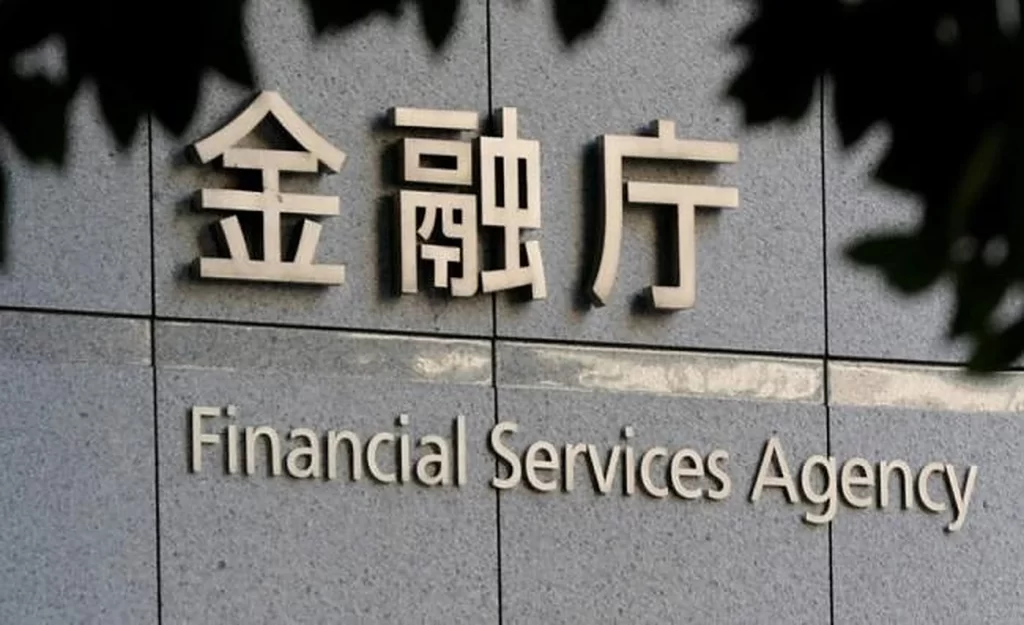
Japan’s primary financial regulator, the Financial Services Agency (FSA), has taken a proactive stance on crypto regulation, proposing alterations to the tax code governing digital assets.
The FSA’s request, submitted on August 31, aims to revise the taxation framework in a bid to stimulate the growth of domestic firms in the crypto sector.
The most significant recommendation within the FSA’s comprehensive 16-page proposal is the exemption of domestic companies from the “unrealized gains” tax on cryptocurrencies that is currently applicable at the end of each fiscal year.
While some nations only levy taxes when crypto assets are exchanged for fiat currency, Japan imposes yearly taxes on these digital holdings.
Crucially, the proposed amendment enjoys potential acceptance prospects, with the FSA highlighting that the Ministry of Economy, Trade and Industry has already provided its backing to the suggested changes.
The FSA’s rationale for these regulatory adjustments, as outlined in its official statement, revolves around enhancing the ecosystem for the advancement of Web3 technologies.
The proposed changes aim to foster an environment conducive to blockchain-based business startups.
The crypto industry’s proponents within Japan have long been advocating for a recalibration of the national tax structure concerning digital assets.
The Japan Blockchain Association (JBA), an independent entity separate from the government, recently submitted a set of three key requests aimed at reshaping the regulatory landscape for cryptocurrencies.
Among these requests, the foremost is the elimination of the year-end unrealized gains tax imposed on corporations holding crypto assets.
Additionally, the JBA has proposed transitioning from the prevailing tax structure, which taxes individual crypto trading profits, to a system of separate self-assessment taxation, with a standardized tax rate of 20%.
Furthermore, the JBA seeks to eradicate income tax on profits resulting from the exchange of crypto assets by individuals.
Japan’s financial landscape appears to be adapting to the evolving digital asset sector, as regulatory entities like the FSA and advocacy groups such as the JBA actively collaborate to ensure a favorable environment for blockchain innovation and entrepreneurial endeavors.
Other Stories:
Binance CEO Makes Massive Claim About Upcoming Crypto Bull Run
Cathie Wood Envisions Transformational Potential in the Convergence of Bitcoin and AI
Pro-XRP Lawyer Outlines Potential Settlement Scenarios Amid Ripple-SEC Speculation

OKX, a prominent cryptocurrency exchange, is on the cusp of securing a virtual asset service provider license (VASP) in Hong Kong, marking a significant stride towards formal approval.
The exchange anticipates the green light for its VASP license by March 2024.
Li Zhikai, the Global Chief Commercial Officer of OKX, conveyed in an interview that the exchange is actively engrossed in conversations with banks, eagerly awaiting the issuance of the license to initiate operations.
The preparatory groundwork, including technology integration, has already commenced.
Hong Kong, having embraced a pro-crypto stance in 2023, unveiled a regulatory framework to enable crypto exchanges to cater to retail customers.
While a slew of over 80 cryptocurrency firms initially demonstrated interest in establishing a presence within the nation, only a handful, notably HashKey and OSL, successfully procured the requisite licenses to commence retail crypto trading services.
On August 28, HashKey effectively launched retail crypto trading services for Hong Kong users.
To mitigate risks associated with nascent crypto tokens, the regulatory body exclusively sanctioned Bitcoin and Ether trading for retail customers.
READ MORE: Warren Buffett’s Strategy vs. Bitcoin: Analyzing Performance and Potential in a Shifting Landscape
Additionally, regulatory guidelines enforced a 30% cap on investments, limiting individuals to allocate no more than one-third of their net income.
In tandem with HashKey and OSL, Huobi and Gate.io have also submitted applications for retail crypto trading services, awaiting regulatory endorsement.
A representative from Gate.io previously divulged that the Hong Kong Securities and Futures Commission imposes rigorous prerequisites on virtual asset service providers, emphasizing the necessity of insurance and compensation arrangements for client safeguarding.
Moreover, the regulator mandates crypto exchanges to maintain a substantial 98% of assets in cold wallet storage.
Inquiries made to OKX by Cointelegraph for insights into their regulatory journey and prospects in the Hong Kong retail market yielded no immediate response.
The unfolding developments underscore the cryptocurrency landscape’s growing convergence with traditional financial systems and the pursuit of responsible and secure trading environments.
Other Stories:
Ripple Challenges SEC’s Appeal Bid, Asserting Insufficient Grounds in Ongoing Lawsuit
MakerDAO Co-Founder Proposes Solana Codebase for NewChain, Diverging from Ethereum Affiliation
Former SEC Chair Expresses Confidence in Eventual Approval of Spot Bitcoin ETFs
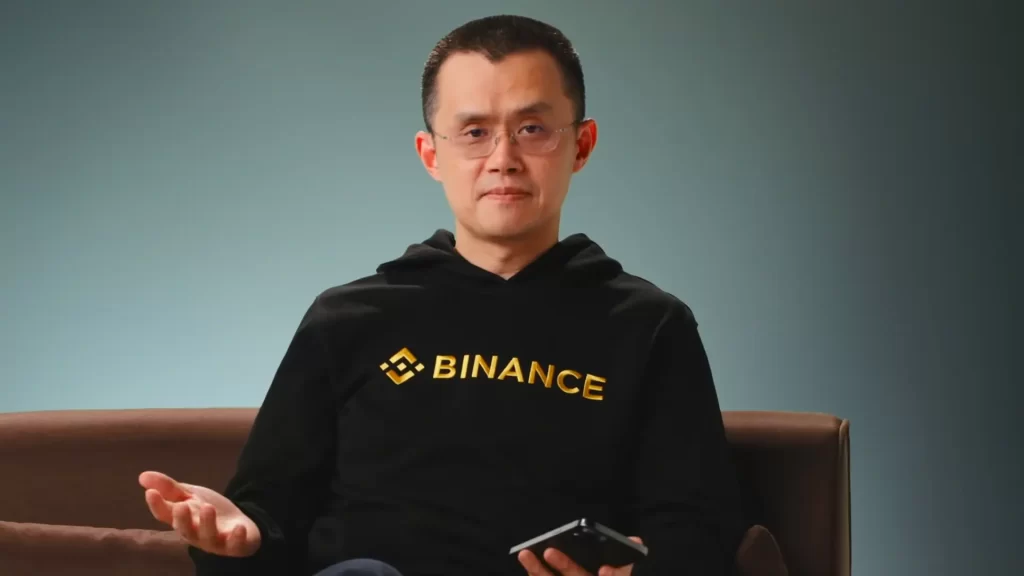
Binance, a prominent cryptocurrency exchange, is facing a series of executive departures amidst mounting regulatory scrutiny from global authorities.
Mayur Kamat, the Head of Product at Binance, has officially confirmed his departure from the crypto exchange after a tenure of almost two years.
Kamat revealed his decision, stating, “The time has come for me to step down and transition product leadership to the next generation of leaders at Binance.
I’ve worked closely with the product teams to ensure a smooth transition,” as conveyed to Cointelegraph on September 4th.
Kamat, who had previously held positions at renowned companies such as Google and Agoda, expressed that this juncture is personally opportune for him to take a break, following two decades of continuous involvement in product-related endeavors.
He expressed gratitude for his time at Binance and for witnessing the exponential growth of the user base.
Kamat conveyed his appreciation to Changpeng Zhao (CZ) and the entire leadership for the remarkable opportunity and mentioned that he will continue to support Binance from a distance.
Before joining Binance as the Head of Product in January 2022, Kamat had been a Product Manager at Google and Agoda.
During his tenure at Binance, he led global product and design teams, playing a pivotal role in the expansion of the user base from 80 million to over 150 million within just 18 months.
READ MORE: Warren Buffett’s Strategy vs. Bitcoin: Analyzing Performance and Potential in a Shifting Landscape
Kamat is recognized as an early advocate of Bitcoin (BTC), having acquired his first two Bitcoins in 2011, a mere two years after Bitcoin’s launch.
He clarified that the acquisition was driven by the need to purchase a VPN connection rather than for investment purposes.
This recent departure follows a series of resignations from Binance, including key figures such as Patrick Hillmann, the Chief Strategy Officer, who cited personal reasons for his exit.
However, market observers speculate that the departure could be linked to the United States Department of Justice’s investigation into Binance.
Other notable departures include Han Ng, the General Counsel, and Steven Christie, the Senior Vice President for Compliance, who left Binance in early July.
The evolving landscape at Binance reflects the challenges posed by regulatory inquiries, causing changes within the executive ranks.
The departure of Mayur Kamat adds to the list of high-profile exits and underscores the heightened scrutiny faced by Binance on the global stage.
This dynamic situation continues to shape the future trajectory of the cryptocurrency exchange.
Other Stories:
MakerDAO Co-Founder Proposes Solana Codebase for NewChain, Diverging from Ethereum Affiliation
Former SEC Chair Expresses Confidence in Eventual Approval of Spot Bitcoin ETFs
Ripple Challenges SEC’s Appeal Bid, Asserting Insufficient Grounds in Ongoing Lawsuit
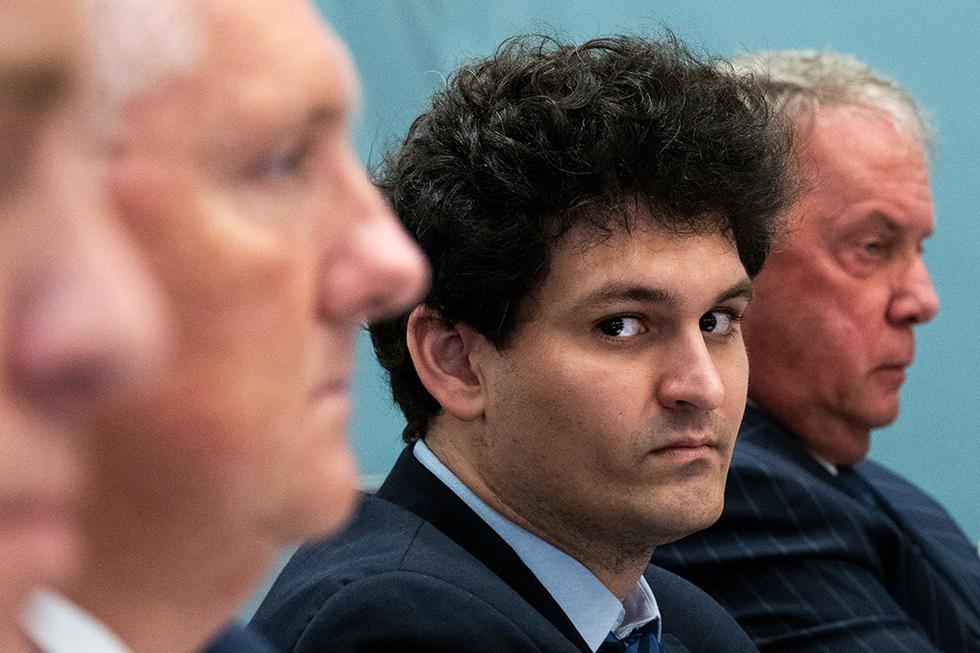
Sam Bankman-Fried, the founder and former CEO of the now-defunct cryptocurrency exchange FTX, has submitted a memorandum on September 1st, urging the court to reject the in limine requests put forth by the United States Department of Justice (DOJ).
Drafted by SBF’s attorney Mark Cohen, the memorandum asserts that the DOJ’s requests are not only unfounded but also overly broad.
Cohen contends that several of the issues raised by the government are not appropriate for consideration at the current stage of the proceedings.
Furthermore, he highlights that the requests seek to introduce irrelevant and prejudicial evidence related to uncharged or past conduct.
This tactic is perceived as an attempt to weaken potential defense strategies and to admit a wide array of hearsay and other inappropriate evidence.
The memorandum goes on to assert that the prosecutor’s requests lack legal support and are practically unworkable, rendering them unfit for approval.
This memorandum follows a series of recent filings by the DOJ, wherein they requested the court’s intervention in multiple aspects of the case.
READ MORE: Ripple Challenges SEC’s Appeal Bid, Asserting Insufficient Grounds in Ongoing Lawsuit
On August 28th, the government motioned to disallow all of SBF’s proposed expert witnesses from testifying during the trial.
The DOJ argued that these experts and their accompanying disclosures were plagued by various shortcomings, warranting their exclusion from the proceedings.
A day later, on August 29th, the prosecutor submitted yet another motion, describing SBF’s defense against fraud allegations as “irrelevant” in its present state.
They requested additional disclosures to supplement the already planned defense strategy.
Concurrently, SBF’s legal team has been advocating for his temporary release, asserting that the provided accommodations are inadequate for adequately preparing for the trial scheduled for October.
Additionally, they are in the process of appealing the court’s decision to revoke SBF’s bail, a determination made on August 11th.
The defense argues that the bail revocation was an act of “retaliation” in response to SBF’s exercise of his First Amendment rights.
Other Stories:
Warren Buffett’s Strategy vs. Bitcoin: Analyzing Performance and Potential in a Shifting Landscape
Former SEC Chair Expresses Confidence in Eventual Approval of Spot Bitcoin ETFs
MakerDAO Co-Founder Proposes Solana Codebase for NewChain, Diverging from Ethereum Affiliation

Binance CEO Changpeng “CZ” Zhao envisions a future where decentralized finance (DeFi) surpasses centralized finance (CeFi) during the upcoming bull market.
Speaking on a live X Spaces event (formerly Twitter Spaces) on September 1, CZ expressed his optimism about DeFi’s trajectory.
He emphasized that an increasingly decentralized industry would be beneficial and indicated that DeFi’s trading volumes, currently comprising 5% to 10% of CeFi volumes, could soon eclipse CeFi:
“Crypto’s future lies in DeFi; with its volume accounting for a significant portion of CeFi trading, the forthcoming bull run could potentially elevate DeFi beyond CeFi.”
In early June, following legal actions against centralized exchanges Coinbase and Binance by the U.S. Securities and Exchange Commission (SEC), the trading volume on the top three decentralized exchanges (DEXs) surged by 444% within 48 hours.
At present, DEXs exhibit a combined 24-hour trading volume of $722,776,226.
CZ also praised the recent dismissal of a lawsuit against decentralized protocol Uniswap. He found the outcome to be reasonable, logical, and positive.
On August 30, a U.S. federal court rejected a class-action lawsuit against Uniswap, highlighting that regulatory uncertainty impacts investor protection.
READ MORE; MakerDAO Co-Founder Proposes Solana Codebase for NewChain, Diverging from Ethereum Affiliation
The case centered on plaintiffs’ claims of losses due to scam tokens on the decentralized exchange.
During the event, a participant recalled a judge’s ruling that developers cannot be held accountable for misuse of DeFi platforms, a stance deemed favorable for DeFi builders. CZ concurred, asserting that code written by developers is a form of free speech and emphasized the significance of developer support.
Recent data suggests a shift in venture capital investments from CeFi to DeFi projects. A March 1 CoinGecko report revealed that investment firms directed $2.7 billion towards DeFi initiatives in 2022, marking a 190% increase from 2021.
Concurrently, investments in CeFi projects declined by 73% to $4.3 billion during the same period.
This trend potentially indicates DeFi’s emergence as the new high-growth domain within the crypto sector, while the waning investments in CeFi could be attributed to saturation.
Changpeng Zhao’s outlook on DeFi’s potential dominance in the forthcoming bull market resonates with the ongoing shifts in the crypto landscape, with decentralized finance poised to redefine the industry’s dynamics.
Other Stories:
Ripple Challenges SEC’s Appeal Bid, Asserting Insufficient Grounds in Ongoing Lawsuit
Warren Buffett’s Strategy vs. Bitcoin: Analyzing Performance and Potential in a Shifting Landscape
Former SEC Chair Expresses Confidence in Eventual Approval of Spot Bitcoin ETFs
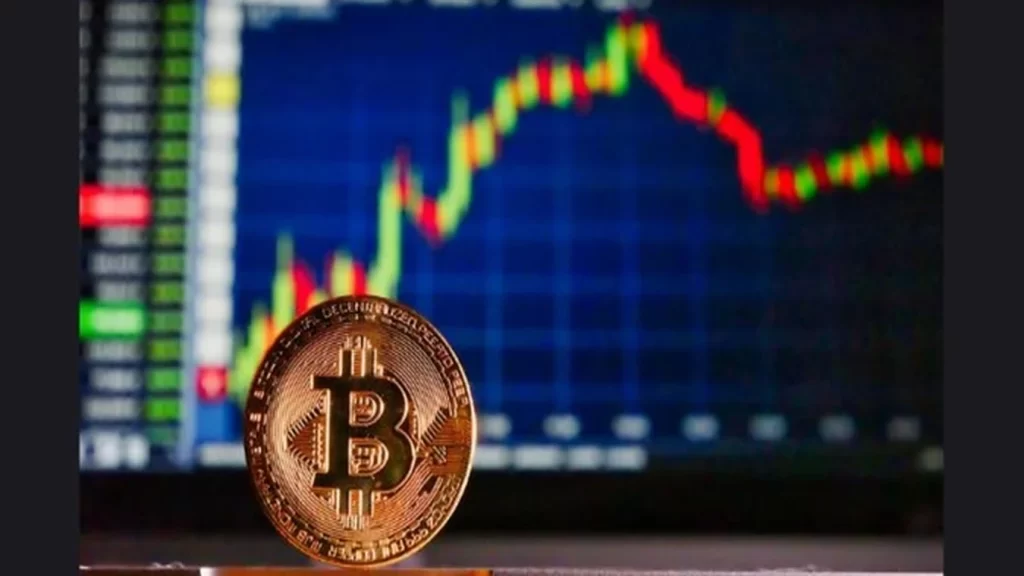
Bitcoin (BTC) closed the week below the $26,000 mark on Sep. 3, despite a dismissive stance on overly pessimistic trader sentiment by analysts.
Data derived from Cointelegraph Markets Pro and TradingView revealed that BTC exhibited minimal volatility over the weekend, maintaining a narrow range of $200.
The lack of definitive direction led to a feeling of déjà vu among market participants, reminiscent of the behavior observed during the previous month’s August closing.
The effects of two major volatility-inducing events from the previous week, involving Grayscale, a crypto asset manager, and regulators in the United States, were wiped clean from the charts. Consequently, traders evaluated the potential implications of different levels of weekly closure.
Prominent trader Skew offered insight into the market structure by highlighting the absence of a candle body closure below the Higher Low (HL) established in June, or below the $25.9K mark.
He stressed the significance of this point, suggesting that a 1-week closure below and subsequent price resistance in this range could lead to a downward move towards the prior 1-week resistance at approximately $24.3K.
READ MORE: Robinhood Acquires Over 55 Million Shares From Former FTX CEO SBF in $606 Million Deal
Looking ahead, Skew presented a “bearish scenario” that could bring about levels below $20,000.
Conversely, he expressed skepticism regarding a bullish revival that would involve reclaiming the $26,000 level and maintaining a higher low into the fourth quarter of the year.
Summarizing the events of the previous week, Keith Alan, co-founder of Material Indicators, advised against making definitive judgments on Bitcoin’s bullish or bearish nature.
He acknowledged the recent volatility resulting from Grayscale’s legal victory over the SEC and the SEC’s decision to delay judgment on the first U.S. Bitcoin spot price exchange-traded funds (ETFs).
Alan contended that despite these external events, the fundamental structure of the Bitcoin market remained unaltered.
He emphasized that neither a confirmed breakout nor a breakdown had occurred from a technical perspective, citing $24,750 as the crucial support zone to monitor.
A chart accompanying his analysis depicted the BTC/USD order book on Binance, showing increased buy liquidity just below the spot price at the $24,750 zone of interest.
Other Stories:
Crypto Community Joins Forces with Oprah and The Rock
UK MPs Call for Global Alliance to Safeguard Against AI Misuse and Deepfakes
Bitwise Surprises Market by Withdrawing Bitcoin and Ether ETF Application Amid SEC Delays