


Cayman Islands, Cayman Islands, January 31st, 2024, Chainwire
The QRDO Foundation, dedicated to the growth and development of the QRDO ecosystem, has announced a strategic partnership with EQ LAB, a leading blockchain developer lab, to launch the Warden Protocol. This initiative accelerates the upcoming launch of the Warden Protocol, an intent-based interoperability protocol built on Cosmos and based on the Fusionchain primitive.
Introducing the Warden Protocol
The Warden Protocol is a modular intent-centric blockchain built on the Cosmos-SDK. At its most basic level, it enables users to create Spaces and Wallets on various blockchains and govern their activity through on-chain intents. Complex multi-leg transactions can be built, and cross-chain activity protected via complex intents, all enforced on-chain by the Warden Protocol.
For the builders in the space, Warden enables smart contracts to be deployed on Cosmos using Solidity and WebAssembly, and facilitates a modular marketplace of key management solutions, from HSM solutions to multi-party computation providers.
“The Warden Protocol is the next evolution in intent and interoperability primitives,” said a representative for the QRDO Foundation, “joining forces with the EQ LAB team enables us to achieve this ambitious vision and ensures that QRDO token holders see the realization of a truly decentralized and open, intent-centric interoperability and key management protocol.”
Various applications have pledged their support to deploy on Warden, including:
- EQ.finance, a liquid staking hub for Cosmos that puts existing liquid staking tokens to work;
- WARDD, a USD-pegged decentralized stablecoin that provides Warden users with instant access to dollar liquidity;
- Marginly, a pluggable protocol for decentralized funding pools that enable margin trading on any spot DEX; and
- SpaceWard, a SAFE-like platform for wallet management and governance.
EQ LAB will form the core contributor team to the Warden Protocol and will bring an extensive team of 15 core developers to the Warden Protocol.
“We are very pleased to be helping to establish the Warden Protocol as Core Contributors”, said Alex Melikhov, founder of EQ LAB, “as an experienced team of qualified blockchain developers, we see a bright future in the Cosmos ecosystem, and we look forward to seeing incredible value unlocked for both the existing QRDO and Q token holder communities”.
WARD Token
The Warden Protocol plans to introduce the WARD token via a fair launch mechanism. This launch will take place without any pre-mine or investor allocations, with eligibility for both an airdrop and an incentivised WARD-swap extending first to existing QRDO holders. As a nod to the public goods done by various other Cosmos chains, TIA and ATOM stakers will also be eligible, as well as builders and users from other complimentary protocols and chains. Further details will be announced shortly.
The Alfama testnet will go live in the coming weeks, with details for an incentivised testnet to be published shortly.
Contact Information
Warden Protocol
Warden Protocol is a new modular intent-based blockchain based on CosmosSDK that allows users and builders to explore and build cross-chain securely.
About EQ LAB
EQ LAB is an experienced software engineering house specializing in permissionless applications and protocols, acting as a technology partner in a plethora of projects on Cosmos, Ethereum, Arbitrum, Polkadot, and other blockchain platforms.
About QRDO Foundation
QRDO Foundation has been established to focus on accelerating the adoption of open custody, security and interoperability protocols and nurture the value of the QRDO ecosystem.
Contact
PR Team
QRDO Foundation
[email protected]
Trading volumes on the Solana-based decentralized exchange, Jupiter, have surged to an impressive $480 million in the past 24 hours.
This surge in activity can be attributed to the high demand for a new memecoin airdrop and increased stablecoin swaps.
Jupiter’s trading activity has surpassed that of Uniswap, a popular decentralized exchange on the Ethereum network, by $10 million.
The combined trading volume of both Uniswap’s v2 and v3 protocols in the last 24 hours amounted to only $470 million, according to CoinGecko data.
Of the $480 million in daily trading volume, approximately $50 million was generated from the trading of Wen, a new memecoin.
Wen could be claimed by any Solana user who had interacted with Jupiter within the last six months, as well as by owners of Solana’s Saga phone.
Jupiter’s developers introduced Wen as an experimental precursor to the highly anticipated airdrop of the exchange’s native token, JUP, scheduled for launch on January 31.
READ MORE: U.S. Lawmakers Push for Deepfake Image Criminalization in Wake of Taylor Swift Scandal
The majority of the trading volume on Jupiter over the past day was attributed to the exchange of Solana for USD Coin and Tether, amounting to $191 million of the total daily volume.
As of the current moment, pre-market JUP tokens are trading at approximately $0.61, based on data from perpetuals traded on the decentralized exchange Aevo.
The estimated total value of the upcoming 1 billion token JUP airdrop could exceed $600 million at current prices.
This surge in market activity surrounding Wen and JUP coincides with a wave of recently announced airdrops within the crypto ecosystem.
On January 25, AltLayer, an Ethereum scaling solution, unveiled plans for a $100 million airdrop to its users.
Additionally, Dymension, a multilayer rollup deployer, is preparing to launch its mainnet in the coming days, offering a total of 70 million DYM tokens as an airdrop to eligible users, valued at approximately $210 million at pre-market prices.

Robert F. Kennedy Jr., the trailblazing presidential candidate, has made headlines by becoming the first to accept Bitcoin for campaign donations. Kennedy has now aligned himself with his rival,
Donald Trump, in a shared commitment to combat the development of a central bank digital currency (CBDC) within the United States.
Taking to social media on January 24, Kennedy released a snippet of his interview on X, where he engaged in a discussion about the potential dangers posed by a CBDC.
This conversation featured Joseph Mercola, a well-known advocate for alternative medicine, who has advocated for unconventional treatments for COVID-19. Mercola hosts a popular podcast named “Take Control Over Your Health.”
In a brief one-minute video, Kennedy raised alarm bells about the implications of a CBDC, suggesting that it could enable the government to monitor every single financial transaction made by citizens.
He argued that this surveillance capability could lead to potential blackmail or undue pressure on individuals, emphasizing, “It [a CBDC] is a calamity for human rights and for civil rights.”
Drawing parallels with China, where the “digital yuan” is already in circulation, Kennedy pointed out that it is intertwined with an extensive social credit system.
READ MORE: US Regulators Issue Cautionary Crypto Warning: Beware of Overhyped AI Trading Bots
According to U.S. politicians, this system allows the government to restrict access to an individual’s funds based on surveillance camera detection of non-compliance.
Kennedy pledged to halt any progress towards implementing a CBDC if he were to assume the presidency, vowing to preserve the use of paper cash. He also highlighted that Bitcoin provides better protection for individuals compared to cash.
Notably, another presidential contender, Donald Trump, has unequivocally promised on two occasions that he would never permit a CBDC in the United States.
Despite making critical comments about Bitcoin during his tenure as president, Trump’s former Republican Party rivals, Vivek Ramaswamy and Florida Governor Ron DeSantis, have adopted pro-crypto and anti-CBDC stances in their own presidential campaigns, ultimately endorsing Trump after exiting the race.
Kennedy, who departed from the Democratic Party in October 2023, continues to work towards securing inclusion on state ballots.
Notably, party ballot access demands fewer voter signatures than running as an independent candidate.
As of January 2024, he has indicated his openness to potentially running as a Libertarian Party candidate, further solidifying his stance against the introduction of a CBDC in the United States.

Blockchain security company PeckShield has released data summarizing losses from hacks and scams in 2023, revealing a total loss of $2.61 billion, excluding multichain incidents.
This figure represents a 27.78% decrease compared to the previous year when global cyber thefts amounted to approximately $3.6 billion.
PeckShield’s report, published on January 29, 2024, also highlighted that over $674 million was recovered from more than 600 large-scale hacks they monitored, accounting for 25% of the stolen cryptocurrencies.
This recovery amount marked a significant increase from 2022 when only around $133 million was recuperated from hacks.
The security firm attributed this improvement to more active negotiations with hackers and the emergence of bug bounty programs.
According to the PeckShield team, engaging in active negotiations with hackers and implementing bug bounty programs or on-chain investigations to identify vulnerabilities can enhance security and lead to the return of stolen funds.
Collaborating with centralized exchanges, Tether, and law enforcement to freeze funds whenever they are detected can also contribute to fund recovery.
READ MORE: Tesla’s Bitcoin Sales Cost Company Over $300 Million in Potential Profits
Aside from recovery statistics, PeckShield highlighted various data points, including flash loans, decentralized finance (DeFi), and the volume difference between hacks and scams. Among the hacks in 2023, 40% were flash loan attacks.
Despite improvements in DeFi security, PeckShield emphasized that DeFi remained a prime target for hacks and scams.
CertiK co-founder Ronghui Gu noted the positive developments in blockchain security, citing the growth of bounty platforms and proactive security measures as encouraging signs for the year.
However, PeckShield pointed out that 67% of the losses in 2023 occurred in the DeFi sector, while 33% were in centralized finance.
Hacks accounted for 58% of the losses, with scams contributing to the remaining 42%.
Malicious actors also diversified their crypto targets.
From 2018 to 2021, Bitcoin dominated illicit transaction trading volume, but in 2022 and 2023, stablecoins began to take a larger share of the illicit transaction volume, signaling a shift in the crypto landscape.
New York City, United States, January 30th, 2024, Chainwire
Developers can receive up to $50,000 USDC per project, plus dedicated tech support, introduction to accelerators and investors, marketing support and project consulting.
Cartesi (CTSI), an app-specific rollup protocol with a virtual machine that runs Linux distributions, announced today an allocation for $1 million to the Cartesi Grants Program. The program is dedicated to fostering developer talent and enriching the Cartesi ecosystem by supporting new ideas & dApps, research & integrations, developer tooling and gaming. Independent developers, founding teams, DAOs, communities and collectives can apply starting today, Tuesday, January 30th and have the opportunity to receive up to $50,000 USDC per project, subject to community vote. Through this grants program, Cartesi aims to increase the number of long-term contributors and developers building novel applications on Cartesi.
Areas of focus:
- New ideas & dApps: Applications and experiments built using the Cartesi framework that offers value to the broader ecosystem. Currently, Cartesi is supporting Complex Vouchers, an advanced voucher system for external interactions.
- Research & Integrations: Split into two tracks, Track 1 focuses on research and solutions that integrate Cartesi technology with other innovative technologies. For example, Cartenix uses the Cartesi VM and Nix Package system to leverage reproducible builds in a deterministic and verifiable environment. Having this on-chain provides a much higher level of security and trustlessness for developers.
- Track 2 is dedicated to in-depth research on topics identified as crucial for the advancement of the Cartesi ecosystem. For example, open-source research associated with RISC-V, ZK, and Cartesi.
- Developer tooling: Tools that simplify and enhance the experience for developers building on Cartesi. For example, Drand is a component of a larger set of tools for generating random numbers on Cartesi’s convenience layer. The goal is to create a framework for Cartesi that will make it easy for web3 developers to create dApps using Cartesi.
- Gaming: Games that uniquely leverage the capabilities of Cartesi, such as open-source games that can be reused and built upon, game frameworks, convenience layers, and other infrastructure contributions. Currently under development is Dazzle, a competitive online puzzle RPG that leverages Cartesi Rollups and the Cartesi Machine for high-stake, e-sport-like tournaments.
“This grants program is designed to foster long-term collaboration within the Cartesi ecosystem and increase the convenience and scalability of dApp development for both developers and users,” said Hellenstans.eth, Grants Steward in the Cartesi ecosystem. “The grants program offers financial support and invaluable technical guidance to kickstart any developer’s project.”
Cartesi’s first dApp, Honeypot, launched on the Ethereum mainnet this past summer. This dApp is designed to encourage developers to challenge the security of Cartesi Rollups. The Honeypot fund constantly increases by a compounded 8% weekly and is currently unbroken, holding 139,861 CTSI.
The Cartesi Foundation has committed $1,000,000 in total to the first two waves of the Cartesi Grants Program. During Wave 1, the Grants Program will allocate a maximum of $500,000 USDC, with a further $500,000 USDC available for allocation during Wave 2.
The Cartesi Grants Program’s goal for Wave 1 is to significantly ramp up in speed and scale in future rounds of grant funding by gathering feedback on the grant process and lowering friction for proposers looking to apply for grants. To review the list of projects approved for funding during the pilot, visit governance.cartesi.io. To find out more and apply, please visit the Cartesi Grants Program page on Charmverse.
About Cartesi Foundation
The Cartesi Foundation is a mission-bound organization dedicated to supporting the Cartesi technology and the decentralization of the Cartesi ecosystem. The Foundation’s mission is to be a supporting member of the Cartesi community, through fundings, education programs, grants, strategic alliances, and other focused activities. The Foundation is committed to supporting the development of the Cartesi ecosystem; bringing mainstream scalability and convenience to dApp developers and users. To learn more about Cartesi, visit https://cartesi.io/.
About Cartesi
Cartesi is an app-specific rollup protocol with a virtual machine that runs Linux distributions, creating a richer and broader design space for dApp developers. Cartesi Rollups offer a modular scaling solution, deployable as L2, L3, or sovereign rollups, while maintaining strong base layer security guarantees. To learn more about Cartesi, visit https://cartesi.io/.
Contact
PR Manager
Lauren Bukoskey
Serotonin
[email protected]
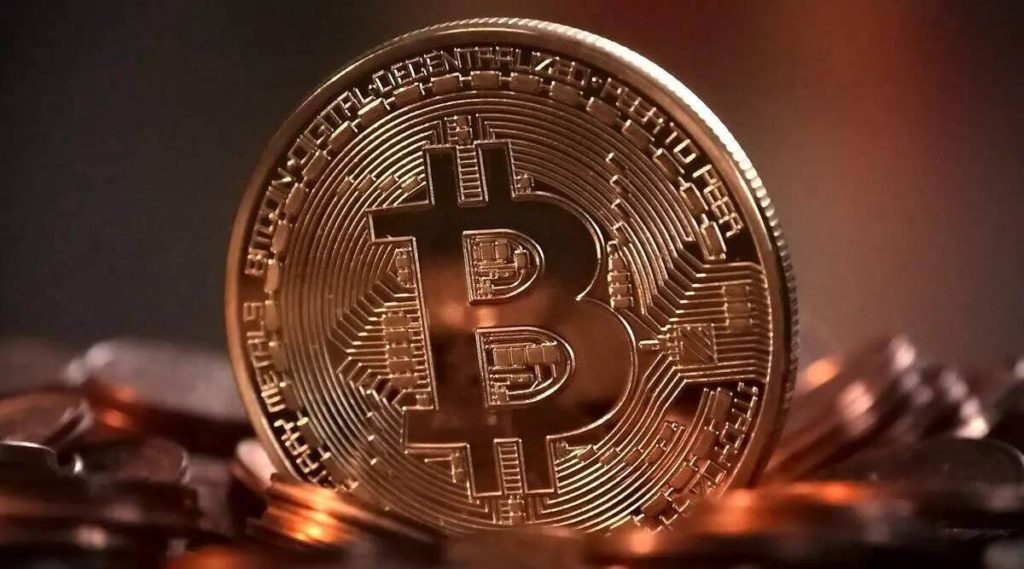
On January 27, Bitcoin remained steady at approximately $42,000, instilling confidence in traders due to recent price gains towards the end of the week.
Market data from Cointelegraph Markets Pro and TradingView revealed the usual calm weekend price movements, with $41,800 as a focal point.
The preceding day had witnessed a 5% increase in Bitcoin’s value, marking an improvement in market conditions compared to previous weeks, as reported by Cointelegraph.
Several recurring factors continued to capture the attention of investors, including the outflows from exchange-traded funds (ETFs), selling pressure stemming from defunct exchanges like FTX and Mt. Gox, and the impending block subsidy halving.
In a recent YouTube update, Michaël van de Poppe, the founder and CEO of MN Trading, expressed his belief that the current correction in Bitcoin’s price had come to an end.
He anticipated that, leading up to the halving in April, Bitcoin would experience a climb to its long-term range highs, with the possibility of encountering liquidity in the mid to low-$30,000 range before this ascent. He speculated that there might be one more rally to reach $48,000 before a final correction.
READ MORE: Crypto Analyst Urges SEC to Rethink Licensing Requirements for Local Exchanges
Van de Poppe also posited that over time, the negative impacts of FTX, Mt. Gox, and GBTC maneuvers would diminish in significance.
He suggested that Bitcoin was likely to consolidate in the range of $37,000 to $48,000 in the coming months, during which Altcoins might gain momentum.
Furthermore, he projected that the ETF’s real impact on Bitcoin’s price would materialize in the next few years, potentially driving it to a range of $300,000 to $500,000.
However, not everyone shared the same optimism, as some analysts believed that Bitcoin could still face a potential return to $30,000 or even lower in the months ahead.
For shorter timeframes, Rekt Capital, a well-known trader and analyst, emphasized the significance of the upcoming weekly close.
He noted that Bitcoin had displayed a favorable response during the week, gradually positioning itself to reclaim the lost range.
He suggested that a weekly close above the critical level of approximately $41,300 could potentially salvage the range.
The Stellar Development Foundation (SDF) has announced a delay in the smart contract upgrade for the Stellar blockchain, with the upgrade now scheduled for the end of January.
The delay is due to the discovery of a bug in Stellar Core v20.1.0 by the SDF’s development team.
In a blog post dated January 27, the SDF explained its decision to delay the Protocol 20 vote, originally set for January 30, in order to address the bug.
While the foundation characterized the bug as posing “little risk,” it acknowledged that it had the potential to impact various applications.
The SDF reassured the community that a fix is already in progress and is expected to be available within two weeks.
However, it emphasized that the decision to proceed with the network upgrade ultimately rests with the SDF.
Non-SDF validators on the Stellar network still have the option to vote in favor of the Protocol 20 upgrade on the original date.
The SDF stated, “If validators opt to postpone the upgrade, we will coordinate to determine a future vote date once a new version of Stellar Core that contains a bug fix is released.”
Regardless of the outcome, the SDF committed to resolving the bug and engaging in discussions with other validators through both public and private channels.
READ MORE: Tesla’s Bitcoin Sales Cost Company Over $300 Million in Potential Profits
For the Protocol 20 upgrade to pass, it requires a quorum of voting validators. As of December 2023, there are 43 validator nodes, according to Stellarbeat.io.
The bug in question relates to Soroban, a smart contract platform that was introduced on a Stellar testnet in October 2022.
When a “Soroban” transaction request is made, it results in a refund and is fee-bumped. However, under the current code, the refund is not sent to the fee-bump’s source account as intended.
Tyler van der Hoeven, one of Stellar’s core developers, mentioned in a January 26 post that Protocol 20 will be rolled out in phases, but did not specify the duration of the implementation process for Soroban smart contracts on Stellar.
Stellar, one of the oldest blockchain projects, primarily focuses on payments and asset tokenization.
The token powering the Stellar blockchain, known as Stellar, currently boasts a market capitalization of $3.2 billion.
Sherman Oaks, United States, January 30th, 2024, Chainwire
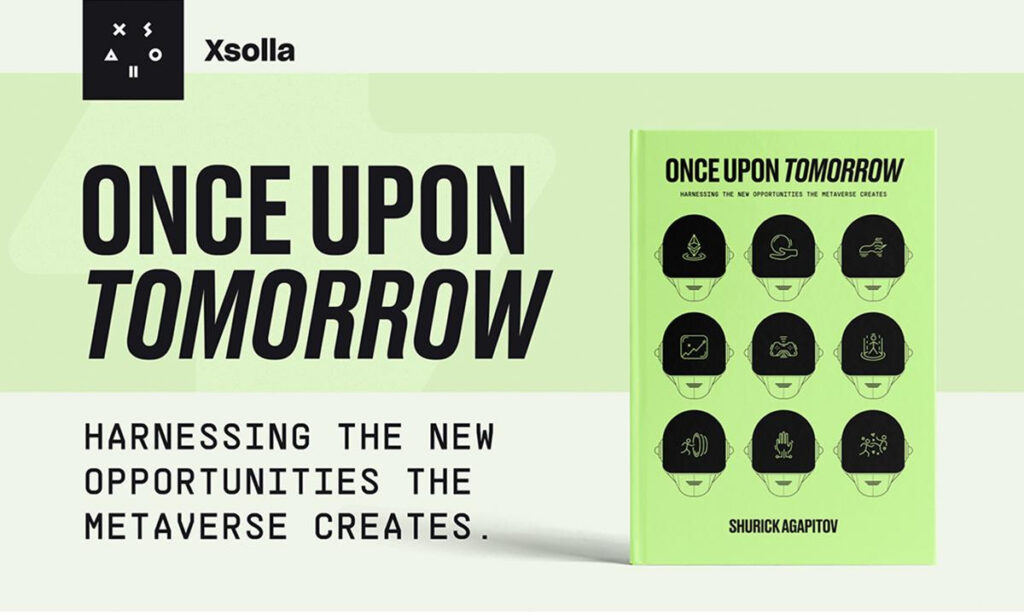
Shurick Agapitov, a visionary author and the Founder of Xsolla unveiled his groundbreaking new book, “Once Upon Tomorrow,” today. This pioneering work offers a transformative and aspirational vision of the Metaverse, contrasting markedly with mainstream narratives. Agapitov’s book is a thought-provoking journey into the possibilities and potential of the Metaverse, providing a unique perspective diverging from the views often presented at industry conferences and by technology CEOs.
“In ‘Once Upon Tomorrow,’ I present a vision of the Metaverse as a vast, inclusive, and transformative space. It’s not just a digital frontier but a realm where creativity, innovation, and empowerment converge. This book is my invitation to creators, thinkers, and dreamers across the globe to join in shaping a future where technology amplifies human potential and fosters a world of limitless possibilities. The Metaverse, as I see it, is not about control or confinement but about unleashing the collective creativity and entrepreneurial spirit inherent in all of us,” said Shurick Agapitov, Founder of Xsolla and acclaimed author of “Once Upon Tomorrow.”
Once Upon Tomorrow” delves into the untapped potential of the Metaverse, highlighting its capacity to unite emerging and legacy brands, create unforgettable consumer experiences, and enrich cultures globally. Agapitov emphasizes the Metaverse’s role in democratizing opportunities and equal access to cutting-edge technologies. His vision extends beyond mere technological innovation, underscoring the Metaverse’s potential to empower and reward content creators across the globe. The book also highlights the significant impact of the Metaverse on education, offering hope and opportunities for both children and adults worldwide. Agapitov advocates for a decentralized Metaverse moving away from Silicon Valley’s dominance, placing control, profit potential, and freedom in the hands of creative communities.
“Once Upon Tomorrow” is more than just a book about the Metaverse; it’s a roadmap to a future where technology serves humanity in all its diversity, fostering financial, social, and creative inclusivity. Agapitov envisions a future where every consumer-facing industry, from fashion to healthcare and entertainment, is transformed. The book also explores the potential impact of the Metaverse on business-to-business sectors, education, city planning, inter-government relations, and non-profit efforts.
Agapitov’s insight into the evolution of technology, from the early days of Instagram and Snapchat to the future of immersive applications, is a key highlight of the book. He discusses the roles of various technology stakeholders, including internet hosting providers, website developers, cloud computing experts, infrastructure engineers, and the ongoing need for advanced networking and hardware. “Once Upon Tomorrow” is a visionary piece that invites readers to rethink the Metaverse and its limitless potential.
For additional information and to purchase please visit: onceupontomorrow.com
About Shurick Agapitov
As the founder of Xsolla, Inc., Shurick Agapitov is a highly respected innovator and advisor in gaming, Web3, Metaverse, and fintech. His trailblazing video game company integrates blockchain technology, providing developers with advanced tools and services for more effective game operations and sales. With a global presence, including offices in Los Angeles, Berlin, and Seoul, Xsolla, under Shurick’s leadership, is shaping the future of gaming and the Metaverse, fostering a more decentralized and inclusive industry.
For additional information about Shurick Agapitov please visit: themarque.com or LinkedIn.com
Contact
Director
Derrick Stembridge
Xsolla
[email protected]
919-971-7855
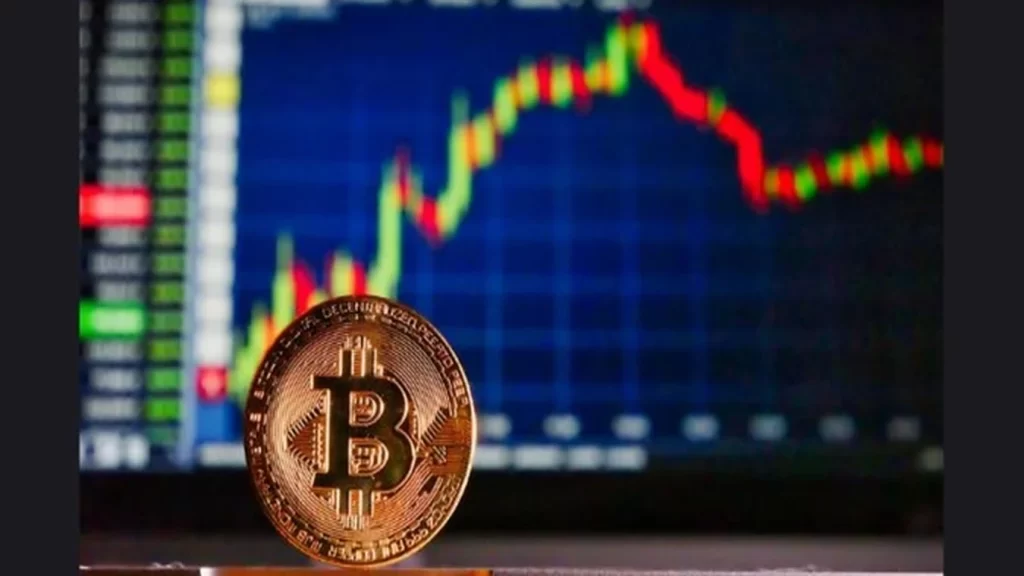
The Hong Kong Securities and Futures Commission (SFC) has recently received its inaugural application for a spot Bitcoin (BTC) exchange-traded fund (ETF), marking a significant development in the cryptocurrency investment landscape.
Harvest Hong Kong, one of the largest fund management firms in China, officially submitted its spot Bitcoin ETF application to the Hong Kong SFC on January 26, as reported by Tencent News.
It appears that the regulatory body is actively striving to expedite the approval process for ETFs within the nation, with the aim of launching the first Hong Kong spot Bitcoin ETF shortly after the Chinese New Year, scheduled for February 10.
In a notable parallel to the United States’ Securities and Exchange Commission (SEC), the Hong Kong regulatory authority is contemplating the approval of multiple spot ETFs to ensure a fair and competitive environment.
Although Harvest Fund is the pioneer in filing for a spot BTC ETF, it is anticipated that other financial institutions in the region will follow suit.
Several regional financial entities have already expressed their interest in introducing a spot BTC ETF in the year 2024.
As previously reported by Cointelegraph on January 19, a minimum of ten financial institutions in Hong Kong are actively engaged in the process of launching a spot BTC ETF.
READ MORE: US Regulators Issue Cautionary Crypto Warning: Beware of Overhyped AI Trading Bots
Distinguished players in the financial sector, such as Venture Smart Financial Holdings, have already set their sights on the first quarter of 2024 as their target launch date for the spot ETF.
Furthermore, several crypto-oriented firms that have previously launched futures-based crypto ETFs in Hong Kong are also expected to join the queue for spot Bitcoin ETF applications.
Notably, Samsung Asset Management, which introduced the Samsung Bitcoin Futures ETF in 2023, has expressed its willingness to explore the possibility of launching a spot ETF, demonstrating the growing appetite for cryptocurrency investment products in the region.
Hong Kong has gained prominence as a leading cryptocurrency hub in Asia, owing to its regulator’s crypto-friendly stance in 2023.
The SFC introduced crypto-specific regulations in 2023, granting both institutional and retail investors the opportunity to engage in cryptocurrency-related activities.
Even before the SEC in the United States greenlit the first spot BTC ETF, the Hong Kong SFC had paved the way for cryptocurrency-based ETFs and expressed its readiness to accept applications for the authorization of various funds, including digital asset spot ETFs and existing crypto futures ETFs.
This move has solidified Hong Kong’s position as a key player in the global crypto investment arena.
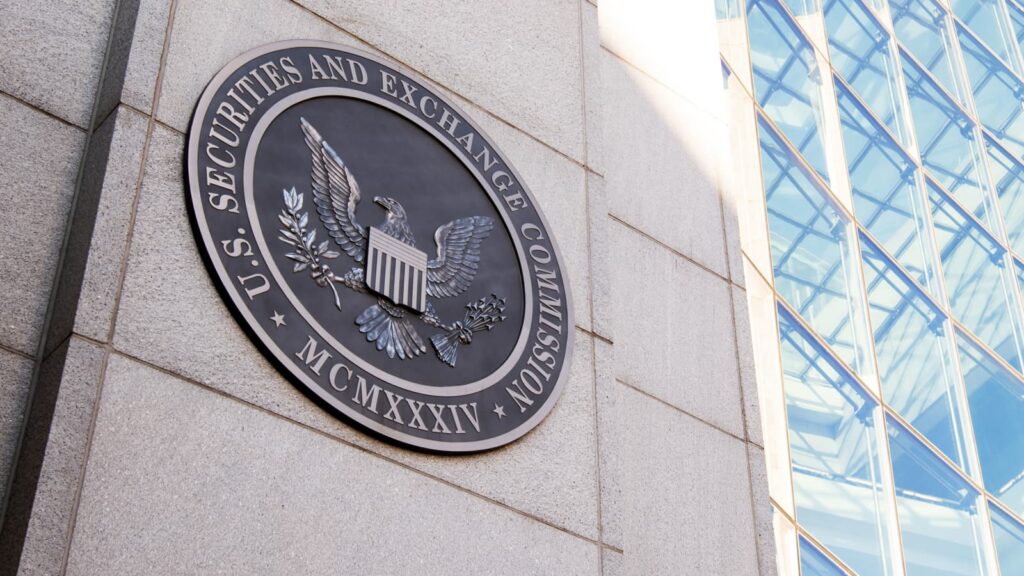
The Hong Kong Securities and Futures Commission (SFC) has issued a warning to the public regarding the potential risks associated with investment products known as the “Floki Staking Program” and the “TokenFi Staking Program,” both of which are affiliated with the Floki ecosystem.
These products are marketed as offering staking services with promised annualized returns that range from 30% to over 100%.
However, it is crucial to note that neither of these products has received authorization for public sale in Hong Kong, as emphasized by the SFC.
Staking, a process that enables users to earn rewards by contributing to the security of blockchain networks, operates similarly to depositing money into a savings account.
Through the proof-of-stake mechanism, users validate transactions, thereby enhancing the security and decentralization of the blockchain.
The SFC has expressed concerns regarding the ability of the operators of these staking programs to deliver on the promised high annualized returns.
They have not provided a convincing strategy for achieving these ambitious targets.
In response to the SFC’s warning, the Floki team addressed the issue during one of their live spaces on X, formerly known as Twitter.
READ MORE:Adani Power Share Price
They mentioned that the SFC’s primary concern appears to be that their staking programs have been exceptionally successful.
While the team did not disclose specific details of their discussions with the SFC, they did clarify that they had collaborated with a marketing agency to promote the Floki Staking Program and TokenFi Staking Program, believing they had received approval for their initiatives.
However, they could not confirm whether the marketing campaigns would continue in Hong Kong and assured their investors that they would work diligently to meet all requirements with the local authorities.
On January 26, 2024, the SFC took action by including both the Floki Staking Program and the TokenFi Staking Program, along with relevant details, on the SFC’s Suspicious Investment Products Alert List.
The SFC has advised investors to exercise caution when engaging in staking deals involving digital assets, as these may fall under unauthorized collective investment schemes, which carry significant risks and offer limited protection under the Securities and Futures Ordinance, potentially resulting in complete loss of investments.
Furthermore, the SFC has reaffirmed its commitment to enforcing regulatory standards and protecting investors from fraudulent schemes.
It has made it clear that any violations of the law, including the promotion of unlicensed collective investment schemes, will be met with appropriate legal actions to maintain the integrity of Hong Kong’s financial market.