



On January 29th, Google is poised to enact a pivotal policy update that will permit certain cryptocurrency products to be promoted across major search engines.
Among these products, Bitcoin exchange-traded funds (ETFs) are emerging as potential contenders that meet the stipulated criteria, igniting considerable excitement within the cryptocurrency industry.
This significant development traces its origins back to December 2023 when Cointelegraph first reported on Google’s impending revision of its cryptocurrency and related ads policy.
Effective January 29, this revision will enable advertisements from “advertisers offering Cryptocurrency Coin Trust targeting the United States.”
Coinciding with this policy shift is the recent approval of 11 spot Bitcoin ETFs by the United States Securities and Exchange Commission (SEC) on January 10.
Investors who choose to acquire shares in these spot Bitcoin ETFs effectively secure a stake in the ETF’s Bitcoin holdings.
Importantly, this aligns perfectly with Google’s updated requirements, which specify a focus on “financial products that allow investors to trade shares in trusts holding large pools of digital currency.”
Crypto analysts are buzzing with optimism regarding the potential influx of investments into Bitcoin ETFs, buoyed by Google’s formidable transaction processing capacity in managing search requests.
Recent data from DemandSage underscores the sheer magnitude of Google’s daily search volume, which stands at an astonishing 8.55 billion searches.
Nevertheless, it’s worth noting that Google’s policy update employs the somewhat nebulous term “cryptocurrency coin trusts” when referring to the permitted products, leaving some room for interpretation.
READ MORE: Crypto Analyst Urges SEC to Rethink Licensing Requirements for Local Exchanges
Meanwhile, a noteworthy development in the cryptocurrency landscape involves the Grayscale Bitcoin Trust (GBTC), one of the largest Bitcoin trusts.
Recently, it transitioned into a spot Bitcoin ETF, following approval from the SEC on January 10.
Previously, GBTC shares were exclusively available to accredited investors and were subject to a mandatory six-month holding period.
Accredited investors, under U.S. regulatory standards, are individuals with a net worth exceeding $1 million or an annual income surpassing $200,000 for the past two years.
These requirements are designed to shield less knowledgeable investors from potentially risky ventures that could lead to financial losses.
In contrast, spot Bitcoin ETFs are accessible to the general public in the United States and are regulated under the Securities Act of 1933.
This regulatory framework adds an extra layer of security, potentially making them a safer avenue for Google to explore in its advertising efforts.
The anticipation surrounding Google’s policy update has been building since August 2021, when prominent cryptocurrency trader Michael van de Poppe expressed optimism about the potential influence of Google ads on Bitcoin-related products.
This optimism has been further fueled by the SEC’s exploration and subsequent approval of Bitcoin Futures ETFs in October 2021, signaling a growing acceptance of cryptocurrency-related investment products in the mainstream financial landscape.
The United States Commodity Futures Trading Commission (CFTC) is actively seeking insights into how regulated entities can harness artificial intelligence (AI) within their compliance endeavors and other domains.
To facilitate this pursuit, the agency has issued a request for comments, aiming to enhance its comprehension of AI’s present and potential applications and the associated risks in derivatives markets.
The feedback collected from this initiative could wield significant influence over forthcoming CFTC guidelines, interpretations, policy statements, or regulations.
The CFTC’s inquiry encompasses a wide spectrum of AI applications, spanning trading, risk management, compliance, cybersecurity, recordkeeping, data processing, analytics, and customer interactions.
In the realm of compliance, the agency has particularly spotlighted AI’s potential role in enhancing surveillance, Anti-Money Laundering (AML) efforts, and regulatory reporting functions.
Rostin Behnam, Chair of the CFTC, expressed that this request for comments (RFC) will fortify the CFTC’s strategic identification of top priorities and projects with AI applications.
It is intended to optimize their data-driven approach to shaping policies, bolstering surveillance, and enforcing regulations.
The CFTC has aligned this RFC with the directives set forth by the Biden Administration, which emphasize the safe, secure, and trustworthy development of artificial intelligence. Interested parties have until April 24, 2024, to submit their comments.
Commissioner Kristin Johnson underscored the ongoing nature of the conversation within the agency, involving multiple departments such as Market Participant, Clearing and Risk, Market Oversight, and Data divisions.
She emphasized the pivotal importance of the CFTC’s comprehension of how market participants employ AI within the derivatives markets.
READ MORE: Polygon’s Meteoric Rise: Nearly Matches Ethereum’s User Base in 2023
Importantly, the RFC solicits opinions on the appropriate definition of AI, including whether it should be broadly or narrowly defined and where the demarcation should be drawn between AI and other existing automated trading strategies.
In September 2023, CFTC Commissioner Christy Goldsmith Romero advocated for updating protective measures with technological advancements to safeguard American investors.
She underscored the potential adverse consequences if these measures were not adopted.
As part of this commitment to enhancing investor protections, Romero appointed experts in fintech, responsible artificial intelligence, cryptocurrency, blockchain, and cybersecurity to the CFTC’s Technology Advisory Committee.
Simultaneously, the CFTC has issued a warning to investors against placing excessive reliance on artificial intelligence trading bots in the pursuit of substantial cryptocurrency profits.
The agency has identified those who promise extraordinary returns through the use of bots, trade signal algorithms, crypto-asset arbitrage algorithms, and other AI-assisted technologies as potential fraudsters, cautioning investors to exercise caution in this regard.

As digital assets continue to reshape the financial landscape, 2024 promises to be a year full of innovation and opportunity in the dynamic world of cryptocurrencies. The crypto market captivates investors with the appeal of a decentralized economy, encompassing established cryptocurrencies like Bitcoin and developing altcoins. This article focuses on the technological breakthroughs, market performance, and real-world adoption of the top 10 crypto projects. It guides both experienced enthusiasts and curious novices in spotting a good crypto project in 2024.
When considering investments in the crypto market, it is clear that criteria such as market capitalization, trading volume, liquidity, use cases, tokenomics, development teams, community support, security, transparency, and performance play pivotal roles in determining the viability and potential of investments. Through studying past experiences, such as market changes and regulatory scrutiny, we have the necessary information and insight to identify good crypto projects.
Standout Crypto Projects of 2024
SmarDex
SmarDex (SDEX-USD) is a forward-thinking decentralized exchange (DEX) renowned for its focus on maximizing capital efficiency and generating substantial yields. The platform aims to surpass industry leaders like Uniswap by offering the most cost-effective token swaps in the crypto market through innovative impermanent loss reduction techniques and an open-source framework.
In the upcoming months, SmarDex will introduce a game-changing addition to its ecosystem: the USDN stablecoin. This forthcoming launch can potentially disrupt the stablecoin space significantly, propelling SmarDex toward its goal of becoming a fully decentralized DeFi ecosystem. With an intuitive interface and automated yield aggregation, SmarDex can attract substantial liquidity as market conditions evolve. Additionally, with a current market cap of $96 million, SmarDex presents significant growth opportunities as it garners attention from yield-focused DeFi enthusiasts.
HollaEx®
HollaEx®, renowned as a leading white-label exchange, stands as a beacon of unwavering dedication to blockchain software, boasting one of the lengthiest development track records from late 2016. Setting itself apart with a transparent and verifiable development track record on GitHub, this crypto software epitomizes resilience and reliability, unmatched by its peers in the white-label sphere.
The exchange empowers users to create tailored digital asset platforms that cater to diverse business needs swiftly, securely, and efficiently. Its pioneering approach to coin listing, tokenization, and strategic partnerships, including collaborations with industry giants like Amazon’s AWS, DigitalOcean, Banxa, and Intercom, firmly cements HollaEx® as the foremost choice for pioneers venturing into the cryptocurrency arena.
ICONOMI
ICONOMI is a pioneering company registered with the Financial Conduct Authority (FCA). This innovative platform bridges the gap between beginners and seasoned traders, offering an opportunity to replicate trades while gaining knowledge through the communication portal or building your cryptocurrency portfolio.
The company challenges traditional investment frameworks, aiming to elevate cryptocurrency investing to the forefront of mainstream financial markets. ICONOMI offers seamless access to multiple cryptocurrency exchanges, simplifying your investment journey. Whether you’re looking to easily manage your crypto assets or emulate the strategies of proficient traders, ICONOMI is your solution for a hassle-free investment experience.
SOURCE
SOURCE Network empowers users and developers across the globe with a fast, scaleable, and advanced Web3 platform allowing onboarding of traditional fiat into using and spending crypto with ease. SOURCE Pay and all the proprietary on-chain Dapps are being developed for the coming mass adoption of blockchain and Web3 technology.
Built on cutting-edge blockchain technology, SOURCE ensures enterprise integration and expansion, making Web3 fully accessible without requiring crypto expertise. Users, content creators, developers, and individuals worldwide stand to benefit from the robust decentralized Web3 platform. The SOURCE ecosystem promises tremendous value, including enterprise business integration into Web3 and crypto, an expansive metaverse and virtual gaming ecosystem with SOURCEWorld.io, interoperable networks, tokenization, DeFi accessibility, and the dynamic utility of the $SOURCE native network token.
Ringfence
Ringfence stands as the pioneering platform in the realm of generative artificial intelligence (AI), ensuring equitable compensation for creators whose original works (photos, images, videos, documents, and music) are utilized within AI-generated content (AIGC). Numerous creators face the unfortunate reality of lost or foregone revenue in light of the ongoing struggle among international governing bodies to effectively apply intellectual property (IP) laws to generative AI. Ringfence addresses this critical issue by providing a comprehensive solution.
For creators seeking to monetize their content, Ringfence offers a streamlined process to verify ownership and grant authorization for AI utilization of their files to create new AIGC. Furthermore, Ringfence facilitates the minting of AIGC on any Ethereum Virtual Machine (EVM)-compatible blockchain using LayerZero’s OFT standard, enabling seamless transfer of fungible tokens across multiple blockchains without necessitating asset wrapping, middlechains, or liquidity pools.
BestChange
BestChange, a cryptocurrency exchange leader with a 17-year legacy, revolutionizes Bitcoin transactions. With a steadfast commitment to security and simplicity, BestChange offers a curated directory of over 250 trusted exchangers, facilitating safe and seamless cryptocurrency exchanges such as BTC, BCH, LTC, and USDT.
The platform’s intuitive user interface caters to newcomers and experienced traders, streamlining currency conversions easily. Through features like customer reviews, exchange statistics, notifications, and a visual Currency Converter, BestChange empowers users with the knowledge and tools needed to make informed decisions in their crypto transactions. As a pioneer in secure and user-centric exchange platforms, BestChange has set the standard for excellence in the industry for over 16 years.
Flux
Flux is a pioneering force in the realm of Web3 projects in 2024, spearheading a transformative shift in cloud computing. At the forefront of this revolution is Flux Cloud, designed with a paramount focus on scalability, offering a cost-efficient alternative to industry behemoths like Google Cloud and AWS.
Leveraging blockchain technology, Flux not only decentralizes cloud infrastructure and storage but also ensures an unparalleled level of seamlessness and security for users. This groundbreaking approach is poised to challenge the status quo of traditional cloud computing leaders, positioning Flux as a standout contender to watch closely in the unfolding landscape of 2024’s technological advancements.
Streamr
Streamr is pioneering the development of the real-time data protocol for the decentralized web. They focus on creating a scalable, low-latency, and secure peer-to-peer network for efficient data delivery and exchange. As part of their vision, they are constructing The Streamr Hub, a decentralized chat application, and other decentralized applications (dApps) to support DePin projects and global tech stack decentralization efforts.
Founded by experts in real-time data with backgrounds in algorithmic trading and finance markets, Streamr combines technical proficiency with industry knowledge to drive the evolution of decentralized ecosystems. Their commitment to innovation and decentralization positions them as a leading force in reshaping the future of data transmission and decentralized technologies.
BRN Metaverse
BRN Metaverse is a project that aims to connect the metaverse with the real world using technology and a token-based ecosystem. It utilizes concepts such as AI, GameFi, GameNFT, and Web 3.0, offering innovations in these fields. BRN Metaverse offers non-fungible tokens (NFTs) such as in-game inventories, virtual economies, and play-to-earn mechanics in gaming.
BRN Metaverse also provides virtual economies where the value of in-game assets is determined by player demand, rarity, and utility. The project has its own NFT marketplace that offers an easy-to-use, fast, and cost-effective solution for creators and collectors to engage with the growing NFT ecosystem. The project believes that Metaverse has the potential to revolutionize the way we interact with each other and with technology, and it is positioned to become a leading player in the NFT marketplace.
Dracarys
Dracarys Token marks the conclusion of the era dominated by dogs and frogs within the cryptocurrency domain. Embracing the fiery essence of Dracarys, the platform embarks on a fresh journey characterized by passion and humor. Driven by a profound belief in the compelling influence of memes to engage, inspire, and unify the crypto community, the team at Dracarys Token endeavors to redefine cryptocurrency investments with their aptly named token.
Dracarys aims to inject enthusiasm and fun into the landscape of digital asset investments, signifying a pivotal shift in the realm of meme tokens where traditional contenders yield a new reign. Absent of taxes and profit motives, Dracarys derives its strength solely from its investors, eagerly anticipating the one who will stoke its flames and fortify its blaze. This is evident by its recent 19 trillion token burn, out of 20 trillion.
Bottom Line
The crypto scene in 2024 represents the coming together of advanced technology, active market conditions, and careful examination by investors. This is forging a future where digital assets play a vital role in a decentralized economy. After examining these prominent projects, considering lessons from track records, and conducting a comprehensive analysis of aspects that affect investment feasibility, we fully acknowledge the revolutionary capabilities of blockchain technology.
The pursuit of fully harnessing the capabilities of cryptocurrencies is still ongoing, prompting stakeholders to navigate towards a more robust and fair financial landscape by identifying genuine and leading crypto projects.
San Francisco, Puerto Rico, January 29th, 2024, Chainwire
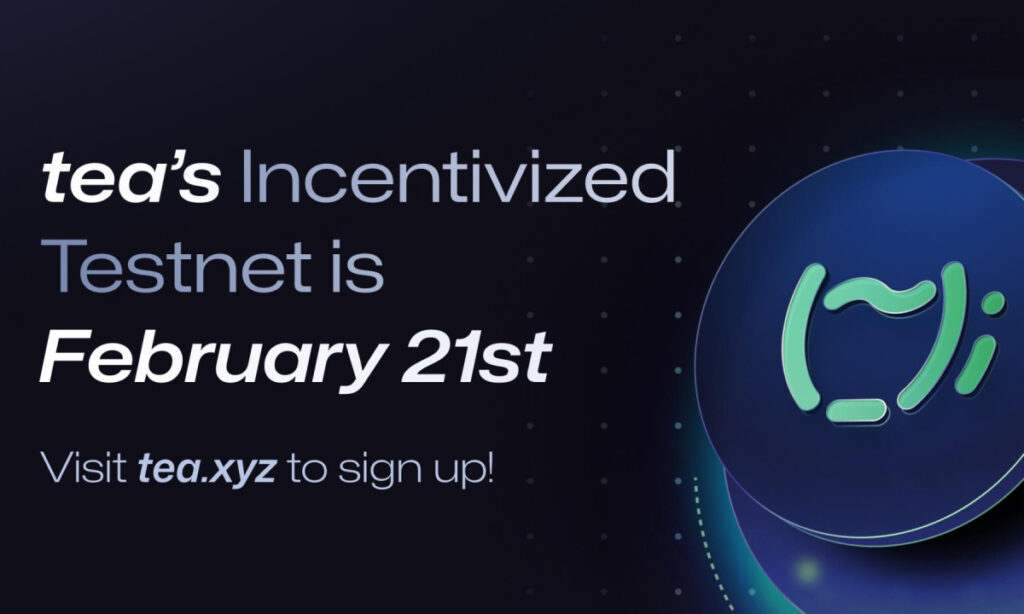
The tea Protocol has announced the launch of its highly anticipated Incentivized Testnet on February 21st, 2024. The tea Protocol seamlessly bridges Web2 open-source codebases to Web3 to enhance their sustainability and provide fair rewards to open-source developers. Additionally, tea provides developers access to its incentivized community of vulnerability reporters and is cross-compatible with major package managers including Homebrew, npm, APT, Crate, PyPI, RubyGems, and pkgx.
Beginning February 21st, 2024, any open-source developer can interact with The tea Protocol and begin earning rewards for their contributions. All community members, including non-developers, will also be encouraged to access The tea Protocol via a series of incentivized activities on the blockchain.
This critical step towards the launch of the tea Protocol will allow all participants to immerse themselves into the fully composable open-source ecosystem created by the tea Protocol.
The Incentivized Testnet: A Stepping Stone to Mainnet Success
The upcoming Incentivized Testnet marks a significant step in the tea Protocol’s journey toward launching a robust Mainnet on the Base blockchain. This Testnet phase is crucial for ensuring a thriving, efficient, and secure network for all participants.
Five Key Features of the Incentivized Testnet to Explore on tea.xyz
- Waitlist Availability: The waitlist for the incentivized testnet, launching on February 21st, offers a limited opportunity for interested users.
- Insight into $TEA Tokenomics: The economic model driving the protocol is detailed, offering clarity and depth of understanding.
- Comprehensive Documentation Access: Extensive resources are available, providing a thorough understanding of the protocol.
- Insight into teaRank for Projects: Projects can ascertain their position within the open-source ecosystem and understand their eligibility for rewards.
- tea Points Accumulation: The ITN presents opportunities for both developers and non-developers to engage in challenges and quests, facilitating the accumulation of tea points.
Joining the Incentivized Testnet and exploring tea.xyz offers an opportunity to be part of a pioneering movement in open-source software. It’s a chance to engage with a forward-thinking community, understand tea’s tokenomics, and utilize the teaRank system for project visibility and rewards.
A Message from Max Howell, tea’s Visionary Founder
Max Howell, the creator of Homebrew and the driving force behind tea, expresses his enthusiasm: “The launch of the incentivized testnet for the tea Protocol is a landmark achievement for open-source developers and advocates worldwide. With the incentivized testnet, tea is not only introducing a technological marvel but also reinforcing its commitment to revitalizing the open-source community.”
About tea
tea is a trailblazing web3 protocol built on Base, the layer-2 blockchain from Coinbase. It is designed to empower open-source software developers to capture the value they create. At the heart of the tea Protocol is the Proof of Contribution algorithm, which measures the value, position, and impact of open-source software projects. Proof of Contribution assigns a dynamic “teaRank” to each project which is used by the protocol to distribute rewards. Proof of Contribution ensures that every layer of a software project, especially foundational elements, is recognized and rewarded for its contribution and promotes healthy competition amongst projects to continually improve their codebase and usage by other projects within the ecosystem.
The communi’tea invites users to explore the forefront of open-source software through its platform. Detailed information is accessible at www.tea.xyz to learn more and connect with tea on Twitter, teaForum, Discord, and Telegram for the latest updates and discussions.
Contact
Head of Marketing
Dan Mulligan
tea
[email protected]
Finland’s National Bureau of Investigation (NBI) recently made a breakthrough in their investigation into Julius Aleksanteri Kivimäki’s criminal trial. Kivimäki stands accused of hacking a private mental health firm’s database and demanding ransom payments in cryptocurrencies, a case that has garnered significant attention.
Local reports indicate that prosecutors unveiled fresh evidence on January 22nd, revealing a crypto trail leading directly to Kivimäki’s bank account.
The hacker’s alleged extortion scheme unfolded in October 2022 when he demanded 40 Bitcoins in exchange for withholding the release of sensitive records pertaining to over 33,000 patients from the psychotherapy service provider Vastaamo.
When the ransom was not paid, Kivimäki purportedly escalated the situation by targeting individual patients.
Finnish law enforcement authorities assert that the hacker received payments in Bitcoin, subsequently funneling the funds through an exchange that lacked compliance with Know Your Customer (KYC) guidelines.
From there, Kivimäki reportedly converted the Bitcoin into Monero and transferred the proceeds to a dedicated Monero wallet.
Following these initial transactions, reports suggest that the funds were later sent to the cryptocurrency exchange Binance, where they were once again exchanged for Bitcoin and subsequently dispersed across different wallets.
It is crucial to note that the local authorities have maintained a veil of confidentiality regarding further details of their on-chain analysis.
READ MORE: Binance and SEC Legal Battle Intensifies Over Evidence and Witness Disputes
Monero, a cryptocurrency known for its robust privacy features, played a central role in this narrative.
The official Monero webpage touts its untraceability, thanks to technologies such as Ring Confidential Transactions (RingCT), ring signatures, and stealth addresses.
RingCT mingles users’ transactions, obfuscating the true source of funds, while ring signatures obscure the sender’s identity by presenting them as part of a group of potential senders.
Additionally, Monero’s stealth addresses enable the creation of one-time addresses for each transaction, making it exceedingly challenging to link multiple transactions to the same recipient.
This incident is not the first time that privacy-focused cryptocurrencies like Monero have come under scrutiny from regulators.
French authorities, led by Eric Woerth, the head of the Finance Committee in the French National Assembly, once proposed a ban on anonymous cryptocurrencies like Monero, citing concerns about their ability to provide complete anonymity and bypass identification procedures.
In a similar vein, United States authorities took a keen interest in Monero in 2020.
The Internal Revenue Service even offered a substantial bounty of up to $625,000 for anyone who could break the purportedly untraceable privacy coins.
Previous research also suggested that blockchain analysis could potentially trace back transactions involving privacy coins, including those that occurred before 2017.

Investors seeking substantial cryptocurrency gains have received a stern warning against placing undue trust in artificial intelligence (AI) trading bots.
Despite the rising popularity of these automated tools, the United States Commodity Futures Trading Commission (CFTC) has emphasized that AI cannot accurately predict the future.
In a recent press release, the CFTC cautioned crypto investors looking for lucrative returns in 2024 to exercise caution and avoid falling prey to exaggerated promises made by AI trading bots.
The agency specifically highlighted the alluring offers made by bots, trade signal algorithms, crypto-asset arbitrage algorithms, and other AI-driven technologies.
Melanie Devoe, director of the CFTC’s office of customer education and outreach, pointed out that the prevalence of social media platforms and influencers has made it easier for fraudsters to disseminate false information.
Devoe stressed the importance of remaining skeptical of hype surrounding AI in crypto trading, as it has become a conduit for malicious actors to exploit inexperienced investors.
Furthermore, the CFTC advised investors to conduct thorough background checks on companies or traders before entrusting their capital to trading bots or signal providers.
READ MORE: Polygon’s Meteoric Rise: Nearly Matches Ethereum’s User Base in 2023
The year 2023 witnessed a significant focus on AI-powered crypto trading bots within the industry.
In April, state regulators from Montana, Texas, and Alabama took legal action against YieldTrust.ai, an AI trading bot, alleging it was running a Ponzi scheme by making unsubstantiated claims of daily returns of up to 2.2%.
Additionally, blockchain analysis firm Arkham Intelligence highlighted a case in June where a crypto trading bot borrowed $200 million through a flash loan, only to secure a paltry profit of $3.24.
However, some major crypto exchanges, including Bitget, have been exploring the use of AI bots on their platforms.
Bitget CEO Gracy Chen explained that their Commodities Trading Advisor AI bot continually receives and analyzes historical strategy data, enabling self-learning and simplifying strategy creation for users.
As 2024 began, the question of whether Bitcoin could reach $100,000 this year arose. AI was mentioned as a potential catalyst, influencing market analysis, trading strategies, and broader technological advancements in blockchain.
While AI holds promise in the crypto world, investors are urged to exercise caution and not rely solely on AI trading bots for their financial decisions.

GRAND CAYMAN, Cayman Islands, January 29th, 2024, Chainwire
Users will benefit from 0% gateway fees for accessing SUI tokens on Banxa for a limited time.*
(*Fee waiver is not available for UK customers)
Banxa, the leading payments infrastructure provider for the crypto-compatible economy, has announced it will add the SUI token to its platform. The integration will increase access to the Sui blockchain for users across the world, thanks to a suite of Banxa’s global and local payment methods, which have processed over $3 billion in transactions since its launch in 2014. Additionally, Mysten Labs’ Sui Wallet will provide users the opportunity to purchase SUI tokens through Banxa’s on-ramp and once fully integrated, to utilize its off-ramp solution.
For a limited time, there will be no transaction gateway fees for buying SUI on Banxa. Thanks to this integration, users of some of the most established Web3 platforms such as Ledger, OKX, and MetaMask, will now have seamless, and initially, feeless, access to Sui.
“For a long time, fiat on and off ramps have been a source of friction for the crypto industry. That’s why Banxa, a platform that removes that friction, joining the Sui ecosystem is so important,” said Greg Siourounis, Managing Director of the Sui Foundation. “I am excited about the technical possibilities, broad access, and optionality that this integration will offer to the Sui community while simultaneously ensuring KYC compliance at each step.”
As a result of the integration of Banxa into the Sui ecosystem, developers building on Sui will now be able to leverage the powerful features provided by Banxa to add more functionalities and compliance measures to their dApps. For example, the NFT checkout solution will provide an enhanced NFT selling experience for end users. Additionally, developers can improve the overall user experience by reducing friction in the onboarding and offboarding processes. Users are more likely to engage with a dApp that offers a smooth and convenient transition between fiat and crypto.
“We think Sui is the most powerful and performant blockchain in the space,” said Holger Arians, CEO of Banxa. “The rapid growth of the Sui ecosystem since its mainnet launch is something we’re excited to tap into to advance our central objective of increasing the adoption of blockchain technology ”
Contact
Sui Foundation
[email protected]

Curacao, Curacao, January 29th, 2024, Chainwire
HugeWin Casino, a newly established platform as of January 2024, has quickly garnered attention in the cryptocurrency gambling landscape. Its user-centric approach, coupled with an extensive array of gaming options, underscores its emerging status within the industry.
Extensive Gaming Portfolio
The platform boasts an impressive selection of over 7,000 slot games, providing both traditional and innovative variants. Additionally, it offers a diverse range of over 700 casino games, sourced from 12 renowned game providers, including PragmaticLive, Evolution, and LiveGames. The assortment spans across popular games like poker, roulette, blackjack, and baccarat, including live casino tables, ensuring a comprehensive gaming experience.
Extensive Gaming and Betting Portfolio
HugeWin Casino presents an expansive platform that caters to a wide array of gaming and betting preferences. It boasts a remarkable selection of over 7,000 slot games, offering a blend of traditional and innovative variants. In addition to slots, the platform features a diverse range of over 700 casino games, sourced from 12 esteemed game providers including PragmaticLive, Evolution, and LiveGames. The assortment extends across popular games such as poker, roulette, blackjack, and baccarat, inclusive of live casino tables, ensuring a comprehensive and immersive gaming experience.
Further broadening its spectrum, HugeWin Casino ventures into the sports betting domain, presenting a selection of 35 virtual sports games. This addition caters to the varied interests of its users, encompassing popular sports like football, basketball, and tennis. Complementing its extensive betting options, the platform also offers close to 70 regular games, highlighting popular titles like Zeppelin, Aviator, and Spaceman, thereby enriching the user experience with its multifaceted gaming and betting environment.
Commitment to Transparency and Security
Recognizing the importance of security in the digital gambling domain, HugeWin Casino has secured a Curaçao eGaming license (CEG), emphasizing its dedication to safe and transparent gaming practices. The platform maintains a minimalistic approach towards user data collection, requesting only the essential information for account creation.
Promotions and Tournaments
Understanding the dynamic needs of its users, HugeWin Casino regularly introduces various special events, bonuses, and promotions. The platform hosts two main recurring tournaments: the Weekly Multiplier Tournament and the Monthly Turnover Tournament, with substantial prize pools. Additionally, it offers a range of discounts and bonuses, including daily casino discounts, weekly slot discounts, and a rewarding referral program.
About HugeWin
HugeWin, a recent entrant in the online casino space, aims to become a global leader. Launched in January 2024, the platform is devoted to providing a fun and trustworthy gaming environment.
The platform prioritizes immediate disbursement of earnings, barring instances of suspected fraud. Clients can expect prompt payouts without tedious documentation.
A wide array of betting options is available, with round-the-clock access to any desired match. Live casino sections offer an interactive experience with real croupiers.
For further information about HugeWin Casino’s game offerings, events, and promotions, interested parties are encouraged to visit the official website or follow the platform on X (Twitter) and Telegram.
Disclaimer: HugeWin is the source of this content. This release is for informational purposes only and does not constitute investment advice or an offer to invest. Information provided about HugeWin and its services, including online gambling and cryptocurrency betting, involves significant risks and may not be suitable for all individuals. Users should exercise caution and are encouraged to conduct their own research before participating in any gambling activities. Participation is at the user’s own risk and should be approached with financial prudence.
Contact
Jowi Scholtz
[email protected]

Coinbase, the popular cryptocurrency exchange, may encounter near-term volatility in its stock price, warns Oppenheimer analyst Owen Lau.
The primary reasons behind this anticipated turbulence are Coinbase’s ongoing lawsuit with the U.S. Securities and Exchange Commission (SEC) and the expected decline in Bitcoin’s price.
As of now, Coinbase’s stock is priced at $125, but its future appears uncertain due to regulatory challenges.
In a recent interview with Yahoo Finance, Lau highlighted the lingering regulatory uncertainty surrounding Coinbase.
The SEC has accused the exchange of violating security laws, and until a resolution is reached, Coinbase’s stock may experience fluctuations.
Lau explained, “There is still a regulatory overhang, we still don’t have clear regulations in the United States right now.”
Interestingly, Bloomberg litigation analyst Elliot Stein expressed optimism about Coinbase’s chances of a favorable outcome in its lawsuit against the SEC.
Stein predicts a 70% probability of Coinbase emerging unscathed from the legal battle.
READ MORE: US Government Plans to Sell $118 Million Worth of Seized Silk Road Bitcoin
Coinbase’s recent stock performance adds to the uncertainty. Over the past 30 days, the company’s stock price has declined by approximately 28%.
However, it has shown an overall gain of around 67% in the past three months.
This upward trend was driven by Bitcoin’s price surge towards the end of 2023, fueled by optimism surrounding the potential approval of a spot Bitcoin ETF by the U.S. SEC, which was granted on January 10th.
Despite this initial positive development, Bitcoin’s price has faced a setback, dropping by approximately 10.37% in the last two weeks following the SEC’s approval of spot Bitcoin exchange-traded funds.
At the time of writing, Bitcoin’s price stands at $41,863. Owen Lau believes that Bitcoin may continue to experience short-term price fluctuations until a significant catalyst emerges.
Adding to the challenges, JPMorgan recently downgraded Coinbase’s stock to an “underweight rating” on January 23rd.
The decision was influenced by the declining price of Bitcoin and the listing of spot Bitcoin ETF shares.
These factors have cast a shadow of uncertainty over Coinbase’s near-term future in the cryptocurrency market.
In conclusion, Coinbase’s stock price is likely to remain volatile in the coming months, with regulatory uncertainties and Bitcoin’s price fluctuations acting as key drivers of this instability.
Traders and investors will need to closely monitor developments in the ongoing lawsuit and the broader cryptocurrency market to make informed decisions.

United States lawmakers are rallying behind the urgent need for legislation to criminalize the production of deepfake images, spurred by the widespread circulation of explicit fake photos featuring Taylor Swift.
These fabricated images made their way onto various social media platforms, including X and Telegram, prompting a call for action.
U.S. Representative Joe Morelle took to X to express his vehement disapproval of the dissemination of these images, labeling it as appalling. He underscored the Preventing Deepfakes of Intimate Images Act, a legislative initiative he authored to establish non-consensual deepfakes as a federal offense, emphasizing the urgency of addressing this pressing issue.
Deepfakes employ artificial intelligence (AI) to manipulate videos by altering the appearance of individuals.
Currently, there are no federal laws specifically addressing the creation or sharing of deepfake images, but some lawmakers are now taking proactive steps to tackle this problem head-on.
Representative Yvette Clarke, also on X, pointed out that the Taylor Swift incident is not an isolated case. She emphasized that women have been enduring the repercussions of this technology for years, highlighting the accessibility and affordability of creating deepfakes with advancements in AI.
On a positive note, X stated in a press release that it is actively removing the fraudulent images and taking appropriate actions against the accounts responsible for their dissemination.
The platform assured the public that it is closely monitoring the situation, ready to promptly address any further violations and ensure the removal of such content.
In a parallel development, the United Kingdom made the sharing of deepfake pornography illegal as part of its Online Safety Act in 2023.
READ MORE: Blackberry Uncovers Cyber Attack Targeting Mexican Cryptocurrency Exchanges
A State of Deepfakes report from the same year revealed that a majority of deepfakes posted online involve pornography, with nearly 99% of victims being women.
The global concerns surrounding AI-generated content have escalated, with the World Economic Forum highlighting the adverse consequences in its 19th Global Risks Report.
This report underscores the intended and unintended negative impacts of AI advancements, including generative AI, on individuals, businesses, ecosystems, and economies.
Even Canada’s primary national intelligence agency, the Canadian Security Intelligence Service, has expressed alarm over disinformation campaigns utilizing AI-generated deepfakes on the internet.
On a broader scale, the United Nations, in a report dated June 12, recognized AI-generated media as a significant and pressing threat to information integrity, particularly on social media.
The U.N. stressed that the risk of online disinformation has surged due to rapid technological advancements, notably in generative artificial intelligence, with a special focus on the troubling proliferation of deepfakes.