


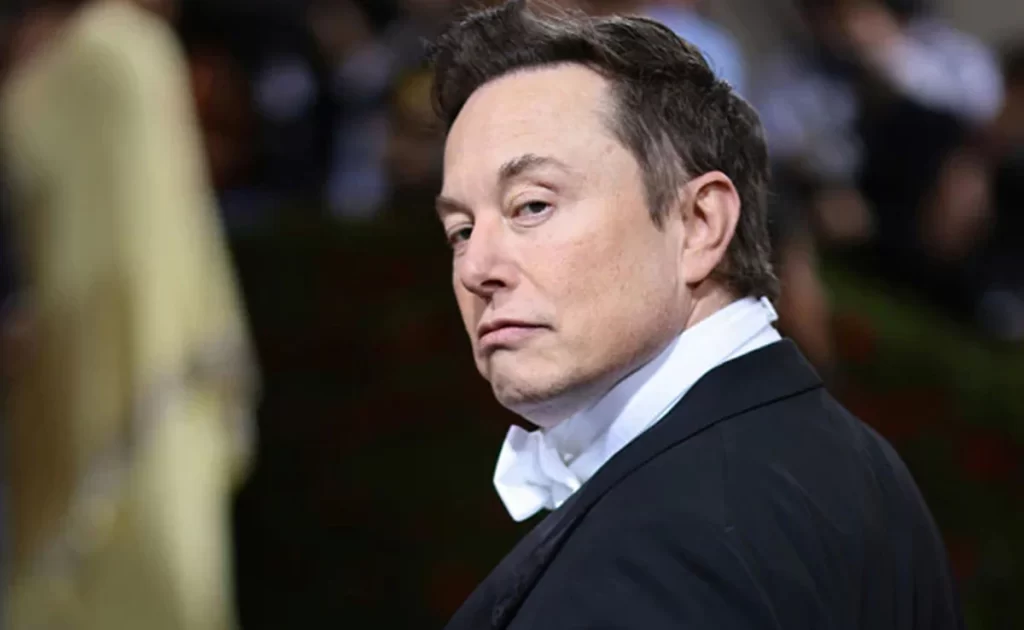
Elon Musk addressed recent speculation regarding Dogecoin’s potential government use, making it clear that no such plans exist. Speaking at an America PAC town hall in Green Bay, Wisconsin, Musk dismissed rumors linking Dogecoin to the Department of Government Efficiency (DOGE) initiative he is leading.
“There are no plans for the government to use Dogecoin or anything, as far as I know,” Musk stated.
Initially, Musk intended to name the initiative the Government Efficiency Commission but opted for the Department of Government Efficiency after public feedback. “I was going to call it the Government Efficiency Commission, but that’s a super boring name,” he remarked.
Streamlining Government Operations
The DOGE initiative, established by President Trump, aims to improve government efficiency by 15%. Musk emphasized the program’s focus on cost-cutting rather than cryptocurrency adoption.
Despite its coincidental acronym, the project has no ties to Dogecoin, a meme cryptocurrency Musk has frequently supported. His enthusiasm for Dogecoin has led to confusion regarding his role in the government’s efficiency efforts.
Musk’s Planned Departure
Musk confirmed he would step down from his role in the Trump administration after achieving a $1 trillion reduction in the federal deficit. He estimates this goal could be accomplished within 130 days, potentially ending his tenure by May.
Under Musk’s leadership, DOGE has aggressively reduced spending, including cutting excessive federal credit card distribution. He called the discovery of 4.6 million government-issued cards “absurd” and pushed for immediate action.
While some praise Musk’s reforms, critics argue the initiative wields too much power without proper oversight. Musk defended the project’s decisions, asserting that all actions were taken carefully and adjusted when necessary.

A 40% chance of a recession looms over the U.S. in 2025, with trade war fears and ongoing macroeconomic uncertainty fueling the risk. According to Nic Puckrin, the founder of Coin Bureau, while a recession isn’t certain, the economic environment could harm risk-on assets like cryptocurrencies. Puckrin remarked:
“Trump and his advisors have said they have not completely dismissed the recession, which means it is definitely possible, but right now, I would not say it is probable, but the odds have climbed a lot.”
Impact of Trump Administration’s Economic Policies
Puckrin also explained that while Trump is not intentionally pushing for a recession, policies such as job cuts and budget balancing could trigger an economic slowdown. This uncertainty has contributed to a decline in the US Dollar Index (DXY), as investors look to European markets for better opportunities.
Crypto Markets Struggle Amid Trade War
The U.S. trade war, particularly with China, has already impacted cryptocurrency markets, with Bitcoin dropping significantly. Fears of prolonged tariffs have caused market sentiment to shift into extreme fear, though some analysts believe there could be a potential recovery if the situation stabilizes.
Signs of Potential Recovery
Markus Thielen of 10x Research suggests that Bitcoin may have reached a price bottom in March 2025, with the potential for a reversal if Trump softens his stance on tariffs.
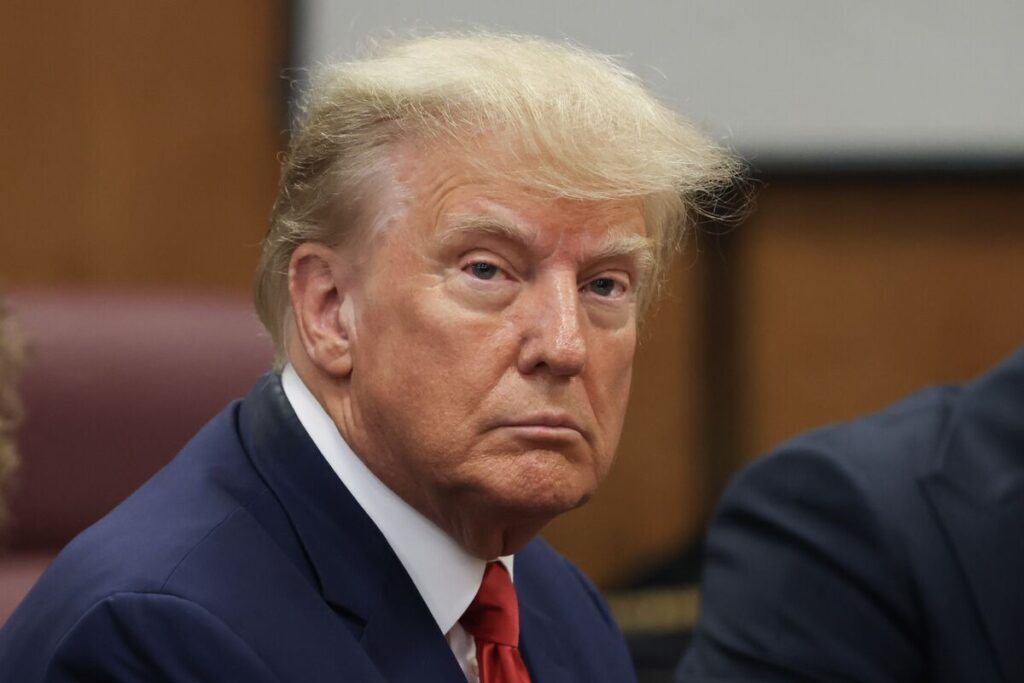
The latest crypto news that’s got everyone talking is Donald Trump and Melania’s move to join the cryptocurrency world. This first couple has reportedly entered the meme coin market. They made this move days before Trump’s big day back in the White House.
And that has sparked debates about their impact and purpose. The debate is more so after Trump called Bitcoin a ‘scam’ in 2021. Read on to learn more.
Trump and Melania Meme Coins
On 17th January 2025, Trump revealed his $TRUMP coin. It has an image of his attempted assassination in July. And, on 19th January 2025, Melania released her own $MELANIA coin. These coins promise a shift in the crypto world, just like NetBet slots are doing in casinos. They gained explosive values quickly, where the $TRUMP is now valued at $11 billion and $MELANIA at $1.7 billion.
Despite, their high worth, there is still some debates about them. This is more so about political figures involvement in the crypto market. For one, a crypto expert, Justin D’Anethan commented, “Should public figures, especially those with such political clout, wield this kind of sway in speculative markets?’
The Trumps are saying that these meme coins are just for fun and support, not for investment. However, 80% of $TRUMP cons are owned by companies lined to Trump.
What People Are Saying
Some people see the Trumps move into the cypto world as a marketing genius. On the other hand, many worry that the meme coins can mislead inexperienced investors. In addition to this controversy is Trump’s history, where he called Bitcon a “scam.”
Also, he once dismissed digital currencies as a threat to the dollar. Now, critics are calling Trump’s involvement in meme coins hypocritical. On the other hand, fans say that these meme coins act as proof of Trump’s ability to evolve and adapt.
What Could the Trump’s Move Mean For the Crypto Community?
The launch of the $TRUMP and $MELANIA coins could attract a new wave of users to the crypto market. If they continue to be popular, they may even compete with popular meme coins, such as Shiba Inu and Dogecoin.
What’s more, this whole meme coin craze isn’t just about the Trumps. It’s a bigger part of the crypto boom that is currently going on. For instance, after Trump’s inauguration there is an expectation that Bitcoin will hit its highest record yet. So, every crypto enthusiast currently wants to get a piece of the digital pie.
In addition, the $TRUMP and $MELANIA meme coins act as a reminder that the world of many is constantly changing. It’s now proving that crypto is quickly becoming a bigger part of our lives and that of politics, too.
Bottom Line
Trump and Melania’s entry into the cryptocurrency world has everyone talking. It has encouraged Trump’s supporters to join the crypto wave. However, some are still skeptical. Also, there are many unanswered questions on whether the coins will crash or soar after the inauguration. But only time will tell. The only thing for sure is that after Trump’s inauguration, there will be a shift in the crypto world.

Key Takeaways
- Cryptocurrency is continuously evolving, presenting opportunities to revolutionise financial systems, industries, and global economies through decentralisation and blockchain technologies.
- Decentralised finance (DeFi) and blockchain-based solutions are transforming traditional models, enhancing transparency, reducing costs, and democratising access to financial services.
- Central Bank Digital Currencies (CBDCs) are poised to modernise traditional banking, offer real-time settlements, and streamline payment infrastructures, though regulatory challenges remain.
- Web3 and the Metaverse are creating new digital economies, with cryptocurrencies and NFTs driving innovations in virtual commerce, digital ownership, and user empowerment.
- Cryptocurrency adoption is accelerating globally, fostering financial inclusion in underbanked regions and reshaping international trade with secure, scalable solutions.
- Regulatory clarity is critical for balancing innovation with consumer protection, ensuring sustained growth while fostering a trustworthy and accessible crypto ecosystem.
The world of cryptocurrency has always fascinated me with its constant evolution and potential to reshape how we interact with money and technology. What started as a niche concept has grown into a thriving digital economy, sparking innovation and transforming industries. I’ve seen how these shifts create opportunities for individuals and businesses to rethink traditional systems and embrace a more decentralised future.
As we stand on the brink of new advancements, the possibilities feel endless. From decentralised finance to blockchain-based solutions, the crypto space is brimming with potential to redefine how value is exchanged and stored. It’s exciting to imagine what the next big shifts could mean for economies, communities, and personal financial freedom.
Understanding Crypto Horizons and Their Importance
Exploring Emerging Trends in Crypto
Crypto horizons reveal where digital currencies and blockchain might take us. I see a shift towards eco-friendly technologies and scalable solutions, aligning with growing global concerns about sustainability. Innovations like Ethereum’s move to proof-of-stake excite me.
Transforming Financial Systems
Crypto is reshaping traditional finance by offering decentralised alternatives. I’ve noticed how DeFi projects reduce reliance on banks and enable cross-border transactions without intermediaries. Experts like Andreas Antonopoulos highlight blockchain’s potential to democratise finance entirely.
Driving Innovation Across Sectors
Blockchain applications impact more than just money. For example, I’ve seen supply chains benefit from transparent ledgers, ensuring product authenticity. Start-ups use these tools to solve real-world issues. As Vitalik Buterin states, “Blockchain is not limited to one industry.”
Building a Borderless Digital Economy
Crypto removes barriers to global commerce. I earn digital assets for freelance work and send payments instantly, without fees. This seamlessness has expanded my financial activities internationally. Experts suggest blockchain will fully integrate global trade systems in the next decade.
Exploring The Role Of Blockchain Technology
Blockchain has become a cornerstone of the digital economy. I’ve witnessed its tremendous potential to improve transparency, security, and decentralisation across industries.
Decentralisation And Its Impact On Industries
Decentralisation is reshaping industries by eliminating central authorities. Blockchain allows direct peer-to-peer systems, which I’ve seen streamline supply chains and reduce fraud. For example, companies like IBM use blockchain to track goods, ensuring authenticity and reducing delays.
Without intermediaries, industries can lower costs and improve efficiency. This innovation is redefining traditional models in finance, real estate, healthcare, and more. I believe decentralisation could empower smaller players, giving them equal footing in an increasingly competitive economy.
Evolution Of Smart Contracts And Decentralised Apps
Smart contracts have automated complex agreements without middlemen. I find this revolutionary, as platforms like Ethereum enable instant, self-executing contracts. These are already transforming areas such as insurance, leasing, and crowdfunding.
Decentralised apps (dApps) are expanding user control over data and services. Projects like Uniswap or Aave are empowering users in lending and trading. Exploring dApps has shown me how they reduce reliance on centralised platforms, opening up new realms of digital freedom.
Predicting The Rise Of Central Bank Digital Currencies (CBDCs)
CBDCs are transforming how we think about money and digital payments. As digital economies grow, these central bank-issued currencies could significantly impact global finance.
Integration Of CBDCs Into Traditional Financial Systems
CBDCs could reshape traditional banking by improving payment efficiency. They integrate with existing systems while offering real-time settlements. I see this as a boost for both merchants and consumers, reducing costs and errors. The Bank of England’s proposals for a digital pound emphasise these advantages.
Cash circulation is declining, with digital payments leading. Central banks might use CBDCs to modernise outdated infrastructures. For example, Sweden’s e-krona project highlights how this can streamline domestic transactions. It excites me to think about the potential for faster global finance.
Adoption By Governments And Regulatory Challenges
Many governments are exploring CBDCs but face regulatory hurdles. Privacy concerns and technical risks are core issues. India’s Reserve Bank is testing wholesale CBDCs as legal tender to address these. These experiments highlight the importance of balancing innovation with security.
Global standards may be needed to ensure interoperability. Christine Lagarde of the ECB noted that CBDCs require international cooperation to succeed. I believe such collaboration will safeguard users while encouraging adoption. It’s thrilling to envision a networked global financial ecosystem.
Analysing The Shift Towards Web3 And The Metaverse
Crypto’s Role In Shaping Virtual Economies
Cryptocurrencies are laying the foundation for virtual trade in Web3. With blockchain as the backbone, decentralised transactions in games and virtual worlds are seamless. I’ve seen platforms like Decentraland embrace crypto to power their economies, creating value exchange without intermediaries.
Ethereum, known for supporting smart contracts, has enabled secure trading within virtual communities. According to PwC, the Metaverse could add £1.3 trillion to the global economy by 2030. Blockchain makes cross-border trade in virtual goods fast and transparent, reducing barriers that plagued traditional systems.
Innovations In Virtual Assets And NFTs
NFTs are redefining ownership in the digital economy. From art and music to in-game assets, these tokens provide authenticity and exclusivity. I’ve experienced how creators earn directly from their work. Platforms like OpenSea give artists control by linking royalties to blockchain-led transactions.
Virtual assets in the gaming industry are changing user experiences. Tokenised assets are transferable between platforms, enhancing interoperability. Yat Siu of Animoca Brands highlights NFTs’ role in shifting economic power to players and creators. These innovations could drive mass adoption of Web3, bridging the digital and physical worlds.
Projecting The Growth Of Crypto Adoption Globally
The cryptocurrency market is witnessing tremendous growth, surpassing expectations across industries. With a CAGR of 11.1% forecasted between 2021 and 2028, it’s evident that crypto adoption is reshaping the global economy. Here’s how it’s influencing regions and financial inclusion.
Emerging Markets And Their Adoption Of Cryptocurrencies
Emerging markets lead crypto adoption due to limited access to traditional banking. Africa, especially Sub-Saharan Africa, shows the highest Bitcoin adoption rate globally. In many regions, digital currencies are becoming a lifeline for remittances and peer-to-peer transactions.
I’ve noticed businesses in countries like Nigeria and Kenya widely accepting cryptocurrencies for cross-border trades. Blockchain ensures secure, trackable payments, replacing inefficiencies in fiat systems. This trend is shaping a more equitable global financial network.
Enhancing Financial Inclusion Through Digital Assets
Digital assets drive financial inclusion in underbanked communities. Blockchain removes intermediaries, enabling direct, cost-effective financial services. In countries with unreliable banking, people gain access to savings, credit, and investments, often for the first time.
I’ve seen reports by experts like Andreas Antonopoulos emphasising blockchain’s role in empowering the unbanked. With just a smartphone, anyone can create wallets and exchange crypto without geographical barriers. It’s transforming access to financial autonomy worldwide.
Anticipating The Role Of Regulation And Legislation
The role of regulation in crypto is becoming a decisive factor in shaping its future. I’ve observed how different approaches worldwide are influencing innovation and legal frameworks.
Striking A Balance Between Innovation And Consumer Protection
Regulations are needed to protect users while encouraging crypto adoption. For example, Europe’s MiCA framework ensures market integrity without stifling growth. I find it impressive how MiCA promotes transparency, creating trust for both investors and developers.
The US faces unique challenges due to overlapping authorities. Some states foster innovation, while others enforce strict measures. This patchwork system makes me realise how essential unified frameworks are, like those seen in Europe, for fair and effective oversight.
Impact Of Global Regulatory Clarity On The Crypto Ecosystem
Global guidance could eliminate ambiguity for crypto firms. MiCA, set to launch in late 2024, paves the way for consistent market rules. I think such initiatives inspire greater confidence, ensuring smoother entry for startups and large institutions alike.
Without clear rules, uncertainty limits innovation. I’ve seen promising projects shift operations globally to dodge overcomplex regulations. Experts like Christine Lagarde stress that unified guidelines are key to fostering a trustworthy, borderless crypto ecosystem.
Conclusion
The future of cryptocurrency and blockchain is brimming with possibilities, shaping a digital economy that’s more inclusive, transparent, and decentralised. From advancing financial systems to transforming industries like gaming and supply chains, the potential is truly groundbreaking.
As we navigate this evolving landscape, the balance between innovation and regulation will be critical. With global cooperation and thoughtful frameworks, the crypto ecosystem can thrive while addressing concerns around security and trust.
This transformative journey is far from over, and I’m excited to see how these technologies continue to redefine our world. The horizon is bright, and the opportunities are endless.

Blockchain is being used in more industries as companies look for better ways to protect user data, speed up transactions, and create more transparent systems. Digital platforms that handle transactions, store personal information, or manage digital assets can benefit from blockchain’s ability to improve security and efficiency.
E-commerce, social media, financial services, gaming, streaming, and real estate are among the industries that can benefit the most from blockchain technology. Companies are beginning to see its value in making transactions safer, reducing costs, and increasing trust between users and service providers.
E-Commerce Platforms: Secure transactions and Fraud Prevention
Online shopping has grown quickly, but fraud and security risks continue to cause problems for both buyers and sellers. Many platforms deal with chargebacks, identity theft, and fake products.
Blockchain helps by making transactions more secure and easier to verify. Transactions recorded on a blockchain cannot be changed or reversed without permission, which stops chargeback scams and protects sellers from losses.
Websites like eBay and AliExpress could use blockchain to support cryptocurrency transactions, making transactions faster and reducing reliance on banks. Some companies, including Shopify and Overstock, have already introduced blockchain-based transactions to improve security and build trust with their customers.
Blockchain also helps verify where products come from. By scanning a blockchain-verified code, buyers can check if a product is real and track its journey from the manufacturer to their hands. This is useful for high-end goods and electronics, where counterfeit items are a common issue.
Gaming Platforms: Fairness, Security, and Digital Ownership
More gaming platforms are starting to use blockchain to improve security and make sure digital transactions are fair. Many online games now have systems where players can buy, sell, or trade virtual items. Blockchain helps by making these transactions more secure and allowing players to fully own their digital assets without the risk of them being changed or taken away.
This technology is useful beyond gaming as well. Online learning platforms, virtual workspaces, and creative tools also benefit from better security and verified ownership of digital content. By using blockchain, these platforms can protect user data and ensure that digital records cannot be altered.
Online casino platforms have started exploring blockchain technology to improve different aspects of their services. The rise in popularity of games such as slots has led to more people signing up, which means their personal data will need better protection.
By integrating blockchain, online casino platforms can address security concerns, improve transaction efficiency, and offer transparency in game outcomes. This technology provides a way to maintain fair operations while giving users a verifiable record of their activity.
Social Media Platforms: Data Privacy and Content Ownership
Social media platforms store a lot of personal data, which makes them a common target for hackers. Many people are concerned about how their information is used and if outsiders can access it without permission. Blockchain can make social media safer by giving users control over their own data instead of leaving it in the hands of big companies.
With blockchain-based social media, posts, messages, and personal details could be encrypted and stored across a secure network rather than kept on company-owned servers. This would make it harder for hackers to steal information and reduce the risk of large-scale data breaches.
Platforms like Facebook, X, and Instagram have faced criticism for privacy concerns, while newer platforms like Minds and Mastodon are exploring blockchain-based alternatives that give users more control over their data.
Fake accounts and misinformation are other problems that blockchain could help solve. By using a verification system built on blockchain, social media platforms could confirm that users are real people rather than bots or fraudulent accounts. This would help reduce spam, fake news, and manipulated engagement.
Streaming Platforms: Content Protection and Royalty Transactions
Streaming platforms for music, movies, and online courses often face problems with content ownership and making sure artists and creators get paid fairly. Blockchain can help by using smart contracts that automatically send transactions to creators whenever their content is accessed.
With blockchain, streaming platforms like Spotify, Netflix, and YouTube could track exactly how many times a song, film, or online lesson is played and send transactions directly to the creator without needing a third party to process them. Some music platforms, like Audius, are already using blockchain to give artists more control over their earnings.
Blockchain also helps stop unauthorized copies from spreading. When a song, movie, or course is registered on a blockchain, its ownership is recorded in a way that cannot be changed.

A crypto wallet associated with the US government transferred over $8 million worth of Bitcoin, following an executive order by President Donald Trump to establish a Strategic Bitcoin Reserve. This move has drawn significant attention from the crypto community as authorities continue to manage seized digital assets.
The transaction, identified by blockchain analytics firm Arkham Intelligence, involved assets previously confiscated from a Binance account linked to Wanpadet Sae-Heng of Thailand. The seized holdings included 97 Bitcoin, along with other digital currencies such as Dogecoin, Ethereum, and Cardano. Sae-Heng was reportedly involved in a large-scale “pig butchering” investment fraud scheme, leading to the confiscation of these assets.
Details of the Bitcoin Movement
The recent transaction split the assets between two different wallet addresses. A small portion, valued at approximately $10 in Bitcoin, was sent to one address, while the bulk of the funds were directed to another. The purpose behind this division remains unclear, leaving analysts speculating about potential government strategies for handling digital assets.
This marks the first major Bitcoin transaction by US authorities since December, when nearly $1.9 billion worth of Bitcoin was moved to Coinbase Prime. The timing of the latest transfer coincides with Trump’s new directive, raising questions about whether it was related to the formation of the Strategic Bitcoin Reserve.
The US Government’s Expanding Bitcoin Holdings
Currently, the US government possesses approximately 198,012 BTC, valued at around $17 billion based on current market prices. This figure reflects substantial past transactions, as officials have regularly seized and sold Bitcoin linked to criminal activities.
Bo Hines, Trump’s top cryptocurrency advisor, stated that the government once held nearly 400,000 Bitcoin but sold almost half for under $1 billion—assets that would now be worth over $17 billion. This past liquidation has sparked criticism, with many arguing that the US missed a significant financial opportunity.
David Sacks, Trump’s AI and crypto czar, echoed these concerns, stating that had the government retained approximately 195,000 Bitcoin seized over the past decade, it could have gained an additional $17 billion in value. This has led to renewed scrutiny over how the US Marshals Service, which oversees asset management, has handled digital currency reserves.
The Strategic Bitcoin Reserve Initiative
Under Trump’s executive order, signed on March 6, all seized Bitcoin will now be funneled into the newly established Strategic Bitcoin Reserve. Unlike previous government sales of digital assets, this reserve aims to maintain Bitcoin as a long-term national asset rather than liquidating holdings for immediate revenue.
The order mandates a full review of federal digital asset holdings within 30 days and grants the Treasury Secretary authority to manage the US Digital Asset Stockpile. Additionally, both the Treasury and Commerce Secretaries have been directed to explore budget-neutral strategies to acquire more Bitcoin, ensuring the reserve expands without additional taxpayer costs.
This policy shift represents a stark contrast to previous US government approaches toward Bitcoin, potentially signaling a move toward deeper integration of digital assets into national financial strategies. As the Strategic Bitcoin Reserve takes shape, further transfers and acquisitions may follow, solidifying the government’s role in the cryptocurrency space.

Bitcoin’s recent rally to $88,500 has reignited enthusiasm among retail traders. However, blockchain analysis firm Santiment warns that social media sentiment could signal the need for caution.
Market Turbulence and Recovery
The cryptocurrency market faced significant turbulence in late February and early March, with Bitcoin plunging to $78,000 twice. Several factors contributed to this decline, including macroeconomic concerns, President Trump’s economic policies, and newly imposed tariffs.
The Federal Reserve’s stance on monetary policy further exacerbated market anxieties. Fears of rising inflation and potential interest rate hikes pushed investors toward safer assets, reducing the appeal of Bitcoin and other cryptocurrencies.
During the same period, gold emerged as a preferred hedge, reaching record highs. The precious metal climbed to $3,057 per ounce in March 2025, following a peak of $2,956 in February. As gold gained traction, Bitcoin suffered from declining investor confidence.
Despite this downturn, Bitcoin staged a strong recovery in the second half of March, climbing back to $88,500. This resurgence shifted market sentiment from fear to mild greed, according to Santiment’s analysis.
Bullish and Bearish Predictions Flood Social Media
With Bitcoin’s rally, optimism has surged across social media platforms. Santiment reports that bullish predictions now dominate discussions, with forecasts ranging between $100,000 and $159,000. Conversely, bearish outlooks suggest prices could drop as low as $10,000, with more conservative estimates landing between $69,000 and $78,000.
However, historical patterns indicate that extreme optimism among retail investors often precedes market corrections. Santiment cautions that when a majority of traders expect Bitcoin to skyrocket, the likelihood of a downturn increases. Conversely, when negativity dominates discussions, markets often experience a rebound.
Warnings Against Overconfidence
Santiment emphasizes the importance of exercising caution during periods of heightened market sentiment. The firm warns that phrases like “to the moon” and “lambo time” flooding social media may indicate an impending price correction.
“When you see ‘crypto is dead’ or ‘Bitcoin is a scam,’ this should be music to your ears,” Santiment noted, reinforcing the idea that pessimism often signals buying opportunities.
At the time of writing, Bitcoin was trading around $87,200, reflecting a 6% gain over the past week, according to CoinGecko data.
Expert Forecasts on Bitcoin’s Future
Arthur Hayes, co-founder of BitMEX, remains optimistic about Bitcoin’s trajectory. He predicts that the cryptocurrency could surpass $110,000, driven by the Federal Reserve’s anticipated shift from quantitative tightening to easing. A looser monetary policy could inject more liquidity into financial markets, benefiting Bitcoin and other risk assets.
Markus Thielen, founder of 10X Research, supports this perspective but remains cautious about the immediate future. While he acknowledges that easing measures and softened tariff policies could help Bitcoin maintain its upward momentum, he believes that a major catalyst for a dramatic price surge is currently lacking.
As Bitcoin continues to navigate macroeconomic uncertainties, traders should remain vigilant and avoid being swayed solely by social media sentiment. While the long-term outlook remains bullish for many analysts, past trends suggest that extreme optimism can often lead to market corrections.

Over 27,740 Bitcoin, valued at approximately $2.4 billion, were withdrawn from exchanges on March 25, marking the highest daily outflow since July 2024. Meanwhile, spot Bitcoin ETFs have continued attracting inflows, signaling renewed institutional interest.
Whale Activity and Market Sentiment
Analysis from Glassnode indicates that a significant portion of the withdrawals came from Bitcoin whales—holders of at least 1,000 BTC. On March 25 alone, these investors moved over 11,574 BTC (worth around $1 billion) off exchanges. This trend suggests accumulation and reduced selling pressure, which is often a bullish indicator for Bitcoin’s price.
Additionally, Arkham Intelligence reported that a “billionaire Bitcoin whale” added 2,400 BTC (worth over $200 million) on March 24. Despite some February sell-offs, this investor now holds over 15,000 BTC, hinting at strategic buying amid price dips.
Spot Bitcoin ETFs See Continuous Inflows
Another bullish sign is the steady inflow into spot Bitcoin ETFs. Since March 14, these funds have recorded eight consecutive days of inflows, totaling nearly $900 million. Market data provider Santiment noted that this is the longest streak of inflows seen in 2025.
Meanwhile, Bitcoin’s price remains in a crucial technical zone. Trading at $88,265, BTC faces resistance at the 20-week exponential moving average (EMA) of $88,682. Analysts highlight the importance of this level, as historical breakouts above the 20-week EMA have preceded major price surges.

Bitcoin’s bullish momentum continues, with analysts forecasting a new all-time high of $110,000. The cryptocurrency has been climbing steadily, closing above $86,000 on March 23, fueling optimism among investors.
BitMEX co-founder Arthur Hayes believes Bitcoin will reach $110,000 before experiencing any major pullback, citing shifts in U.S. monetary policy. “I bet $BTC hits $110k before it retests $76.5k,” he wrote on X. “The Fed is going from QT to QE for treasuries.”
Market Conditions Favor Further Gains
The Federal Reserve’s slowing of quantitative tightening (QT) has led to expectations of a liquidity boost, a historically bullish sign for Bitcoin. However, some analysts argue that QT is not completely over, pointing to ongoing mortgage-backed securities reductions.
Bitcoin’s historical performance suggests that a rally could follow, similar to its 1,000% surge during the 2020 QE period. Emmanuel Cardozo, an analyst at Brikken, supports this outlook, citing global liquidity increases and discussions around a U.S. Bitcoin strategic reserve.
While the path to $110,000 remains promising, some analysts caution that a correction to $76,500 could still occur due to profit-taking or unexpected market shifts. Nonetheless, market sentiment remains largely positive.
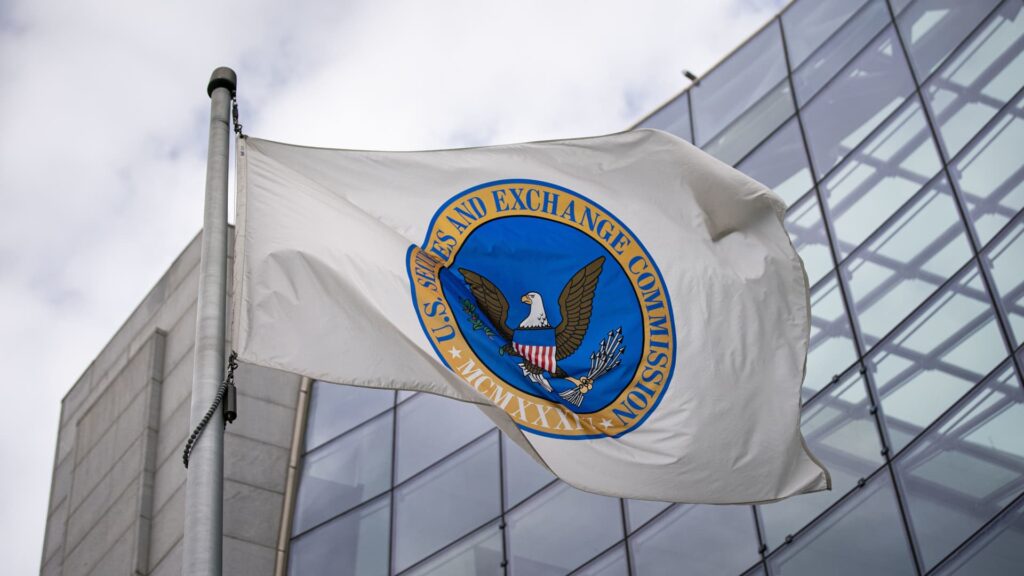
In a significant step toward reshaping U.S. crypto policy, the Securities and Exchange Commission’s (SEC) crypto task force held its first public roundtable, signaling a potential shift in regulatory strategy under President Trump’s administration.
New Era for Crypto Oversight
The meeting was led by Republican SEC Commissioner Hester Peirce, who acknowledged the broader shift underway. “Spring signifies new beginnings and we have a new beginning here, a restart of the commission’s approach to crypto regulation,” Peirce said.
This marks a departure from the more aggressive stance taken by the SEC under President Biden, which saw legal actions against major crypto firms like Coinbase and Kraken. Trump, who campaigned on being a “crypto president,” has pledged to reverse such crackdowns and foster a more supportive regulatory environment.
Roundtable Features Diverse Industry Voices
The roundtable featured influential voices from both the private and public sectors, including John Reed Stark, former chief of the SEC’s Office of Internet Enforcement; Miles Jennings, general counsel at a16z crypto; and former SEC Commissioner Troy Paredes.
The task force discussed the applicability of traditional securities laws to digital assets and whether crypto tokens merit their own regulatory category. Jennings advocated for a balanced approach, stating that the SEC should remain “technology-neutral.” He explained, “Looking at what differentiates a system like ethereum from ownership of equity in Apple opens new tab.”
Debate on Tailored Crypto Regulations
While many in the industry view crypto tokens as commodities, the SEC still treats some as securities, requiring them to adhere to strict registration and disclosure rules. The task force explored whether an entirely new framework would better serve the rapidly evolving digital asset space.
However, not everyone welcomed the idea of loosening regulations. Democratic Commissioner Caroline Crenshaw warned against making exceptions for crypto. “Modifying the law to facilitate the success of a chosen product category is fraught with risk. Risk not only of weakening regulatory protections for that category, but of creating the negative domino effect on other areas of the market protected by the same laws,” she said.
Trump Administration’s Broader Crypto Agenda
The task force’s meeting follows President Trump’s broader push to integrate crypto into national policy. Earlier this month, Trump signed an executive order to create a strategic crypto reserve and hosted a summit for blockchain and digital asset leaders at the White House.
These moves indicate a fundamental shift in how the federal government perceives and plans to engage with the digital asset sector. With the SEC reevaluating its stance and the administration pushing for innovation, the coming months are likely to redefine the U.S. regulatory landscape for crypto.