
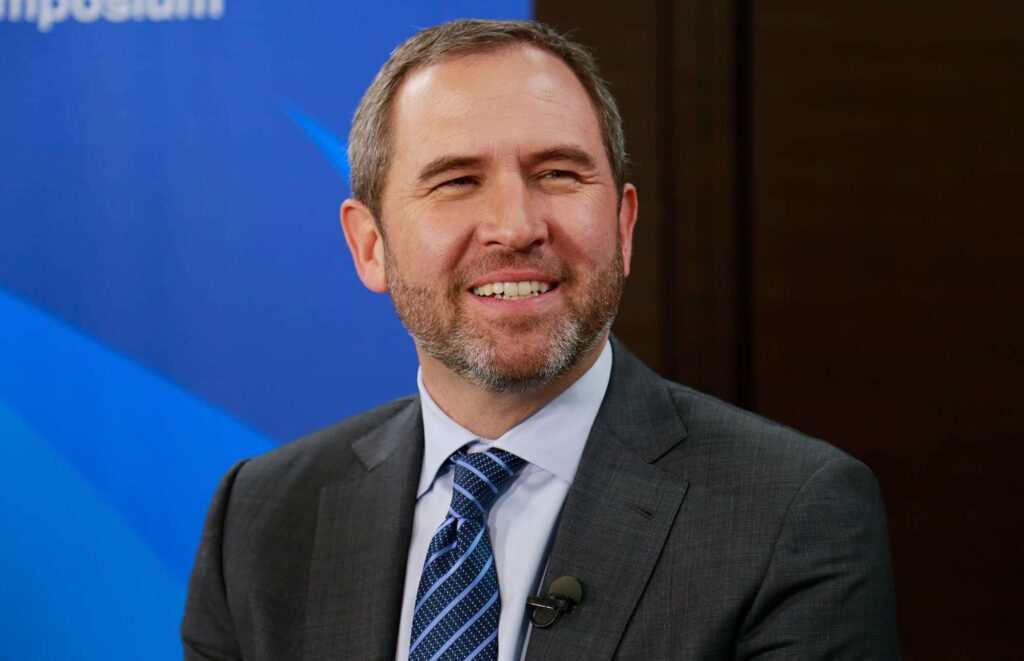
Ripple CEO Brad Garlinghouse has taken a firm stance against the former Chair of the United States Securities and Exchange Commission (SEC), Jay Clayton, regarding the agency’s regulatory approach.
This comes as the SEC has been actively pursuing regulatory actions against various crypto exchanges and companies since the beginning of 2023.
In a recent interview with CNBC on June 29, 2023, Jay Clayton expressed his belief that the SEC should only initiate legal action against specific companies when there are strong legal grounds to do so.
He emphasized the importance of regulatory agencies introducing regulations and legal cases that they believe will successfully withstand judicial scrutiny.
Garlinghouse wasted no time in responding to Clayton’s statements, pointing out that the former SEC chair had initiated a lawsuit against Ripple, himself, and Ripple co-founder Christian Larsen in December 2020.
In that lawsuit, the SEC accused the company and the two executives of conducting an “unregistered, ongoing digital asset securities offering” and claimed they had raised over $1.3 billion through sales of the XRP token.
READ MORE: Introducing Cryptostake—the Simple, Seamless, and Reliable Crypto Staking Platform
Garlinghouse didn’t miss the opportunity to remind everyone of Clayton’s role in the case, stating, “As a reminder, Jay Clayton brought the case against Ripple, me, and Chris Larsen. And left the building the next day.”
This raised eyebrows, especially in light of the recent developments where the SEC moved to dismiss the charges against Garlinghouse and Larsen in October.
The SEC’s decision to dismiss the allegations without prejudice came after Judge Analisa Torres ruled partially in favor of Ripple in July.
She declared that retail sales of the XRP token did not meet the legal definition of a security.
However, the court also found that Ripple had violated securities laws by selling XRP tokens directly to institutional investors.
This ongoing saga highlights the tensions between the cryptocurrency industry and regulatory authorities like the SEC.
While Clayton’s remarks suggested a more cautious approach to regulatory actions, Garlinghouse’s strong criticism serves as a reminder of the contentious legal battles and regulatory uncertainty that continue to surround the cryptocurrency space.
The outcome of these legal battles will undoubtedly have significant implications for the future of cryptocurrency regulation in the United States.
Institutional interest in Bitcoin investment vehicles has surged amid growing anticipation of potential regulatory changes in the United States.
Data from sources such as Bloomberg reveals that Bitcoin exchange-traded funds (ETFs) and similar instruments are experiencing near-record weekly inflows.
The prospect of the United States permitting a Bitcoin spot price-based ETF has not only influenced the price of Bitcoin but has also positively impacted the broader cryptocurrency ecosystem.
Alongside cryptocurrency exchanges and mining companies, institutional investment options that have faced challenges in recent times are witnessing a resurgence in demand.
According to Eric Balchunas, a senior ETF analyst at Bloomberg, at least two well-known investment options experienced significant trading volume during the week ending October 27.
One of them was the ProShares Bitcoin Strategy ETF (BITO), the first futures-based ETF to receive regulatory approval in the U.S. in 2021.
BITO saw a trading volume of $1.7 billion during the week, marking its second-highest weekly volume since its launch.
Another noteworthy performer was the Grayscale Bitcoin Trust (GBTC), which saw a trading volume of $800 million.
READ MORE: United Nations Establishes 39-Member Advisory Committee to Address Global AI Regulation
This increased activity helped narrow the discount of GBTC shares to the Bitcoin spot price, reaching its lowest level in two years.
William Clemente, co-founder of crypto research firm Reflexivity, commented that ETF trading is now “back in full steam,” highlighting the renewed interest in these investment vehicles.
GBTC has experienced a remarkable resurgence in recent months, even before Bitcoin’s 15% price increase in the previous week. Legal victories in the journey towards converting GBTC into a spot ETF provided momentum for this revival.
Currently, Grayscale’s product trades with an implied share price that is just 13.1% below the BTC spot price, according to data from CoinGlass.
Despite the optimism surrounding GBTC, investment management firm ARK Invest has reduced its holdings of GBTC in line with its share price gains.
ARK Invest is also planning to launch a Bitcoin spot ETF, and GBTC currently accounts for 10.24% of its ARK Next Generation Internet ETF—a notable change since November 2022.
In conclusion, the potential for regulatory changes in the United States regarding Bitcoin investment vehicles has sparked a surge in institutional interest and trading activity.
This trend, along with the narrowing discount of GBTC shares to the Bitcoin spot price, suggests a growing confidence in cryptocurrency investment options among institutional investors.
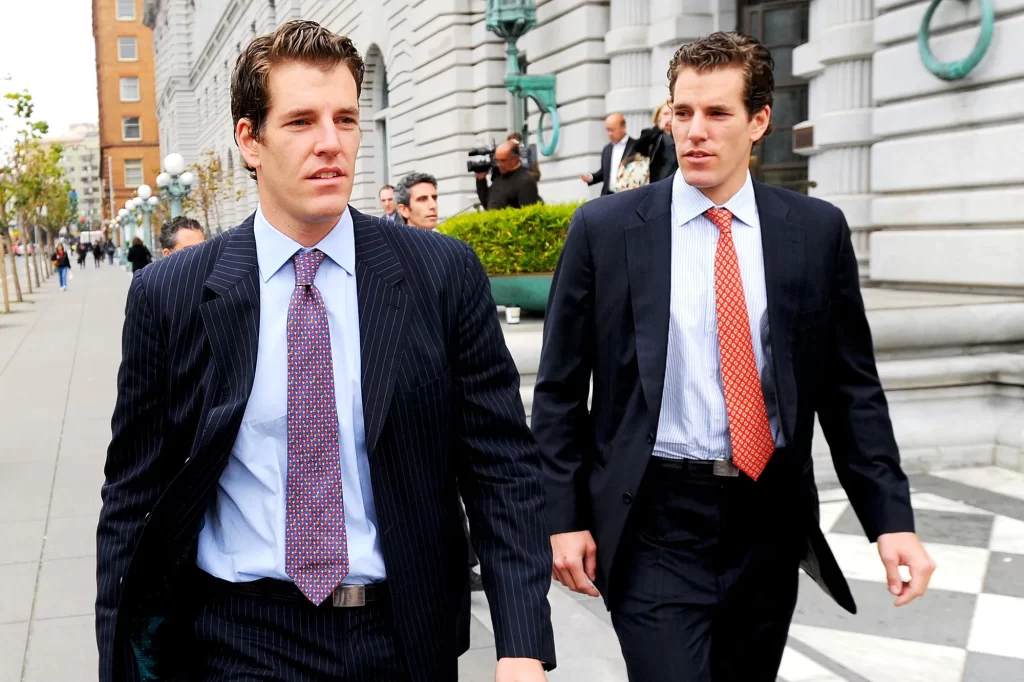
Gemini, a prominent cryptocurrency exchange, has initiated legal proceedings against Genesis Global Holdco, a bankrupt crypto lender, in the Southern District of New York Bankruptcy Court.
The focal point of this legal battle is the fate of 62,086,586 shares of Grayscale Bitcoin Trust (GBTC), which were used as collateral to secure loans extended to Genesis by 232,000 users participating in the Gemini Earn Program. This collateral is currently valued at nearly $1.6 billion.
Gemini claims to have obtained $284.3 million by foreclosing on the collateral to benefit the Earn users. However, Genesis has contested this action, obstructing Gemini from disbursing the proceeds.
Furthermore, Genesis has proposed using the initial value of the collateral, which exceeded $800 million, to determine the deficiency claim of Earn Users rather than the foreclosure value.
By doing so, Genesis would potentially free up hundreds of millions of dollars for allocation to other creditors.
Gemini’s argument is rooted in the notion that they bore the market risk associated with the initial collateral for the benefit of Earn Users post-foreclosure, making it just for Earn Users to receive any gains arising from that risk.
The lawsuit also alleges that Digital Currency Group (DCG), Genesis’ parent company, transferred additional collateral to Genesis with the explicit purpose of immediate onward distribution to Gemini for the benefit of Earn Users.
READ MORE: FTX Pursues Investigation into $6.5 Million Payments to AI Safety Nonprofit CAIS Amid Bankruptcy
However, Genesis has put forth plans to utilize this collateral for different purposes, which Gemini contends is wrongful.
Gemini Earn users constitute a significant majority of Genesis’ creditors, accounting for 99% of them, and their claims represent 28% of the total claims by value.
Genesis had declared bankruptcy in January, following a suspension of withdrawals in November 2022 that had a direct impact on the Gemini Earn program.
In July, Gemini had previously filed a lawsuit against DCG and its CEO Barry Silbert, alleging fraud in connection with the Earn program.
These legal disputes compound the issues faced by both companies, as they are currently defendants in a case brought by the United States Securities and Exchange Commission, which asserts that Gemini Earn offered unregistered securities.
Furthermore, New York Attorney General Letitia James has sued Gemini, Genesis, and DCG, claiming that the Earn program defrauded its users, including 29,000 New Yorkers, and contending that Gemini was aware of Genesis’ precarious financial condition.
As of the time of publication, Genesis Global Holdco had not responded to inquiries from Cointelegraph. It’s worth noting that Grayscale is also owned by DCG.
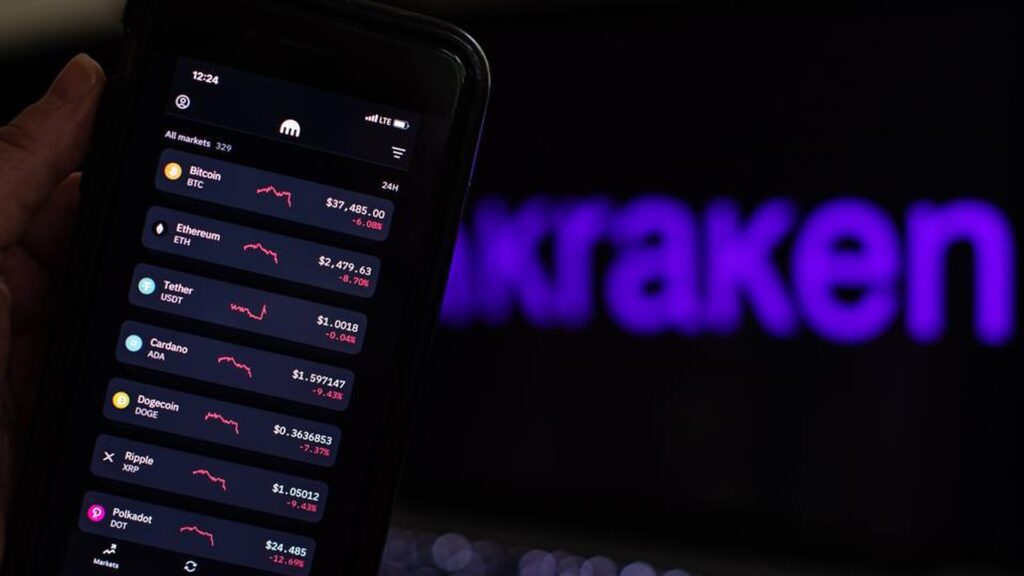
Kraken, a prominent cryptocurrency exchange, is set to suspend transactions involving Tether (USDT), Dai (DAI), Wrapped Bitcoin (WBTC), Wrapped Ether (WETH), and Wrapped Axelar (WAXL) in Canada during the months of November and December.
This development comes in response to recent regulatory changes in Canada and extensive consultations with the Canadian Securities Administrators (CSA) and the Ontario Securities Commission (OSC).
Kraken has communicated this decision to its customers through email notifications, as confirmed by a company spokesperson.
The spokesperson emphasized Kraken’s commitment to maintaining high compliance standards in the crypto industry.
The email sent to clients stated, “In accordance with recent Canadian regulatory changes and following extensive consultation with the CSA and OSC, we today notified our clients that we will soon be suspending trading for USDT, DAI, WBTC, WETH, and WAXL.”
Additionally, the company expressed its dedication to providing an exceptional trading experience for Canadian users despite these suspensions.
READ MORE:Alameda Research and FTX Transfer Over $10 Million to Exchange Accounts
This move by Kraken aligns with a trend observed in the Canadian cryptocurrency market throughout 2023.
Several other exchanges, including Coinbase and Crypto.com, had already ceased trading of USDT and DAI due to regulatory challenges earlier in the year.
Furthermore, OKX and Binance had withdrawn completely from the Canadian market in June and May, respectively.
Kraken’s decision, however, indicates its intention to continue operations in Canada while temporarily suspending transactions related to the specified assets.
The suspension will occur in phases, starting on November 30th with the cessation of deposits and trading functions for the mentioned assets.
On December 4th, users will no longer be able to make withdrawals of these assets.
Finally, on December 5th, any remaining assets will be converted into U.S. dollars at the prevailing market rate and credited to users’ accounts.
In other news, Kraken recently announced the appointment of a new managing director for its U.K. operations on October 27th.
The newly appointed director, Bivu Das, brings extensive experience in fintech and traditional financial services, having previously served as the head of Starling Bank and as an entrepreneur.
This appointment reflects Kraken’s ongoing efforts to expand its presence and leadership in the cryptocurrency industry.
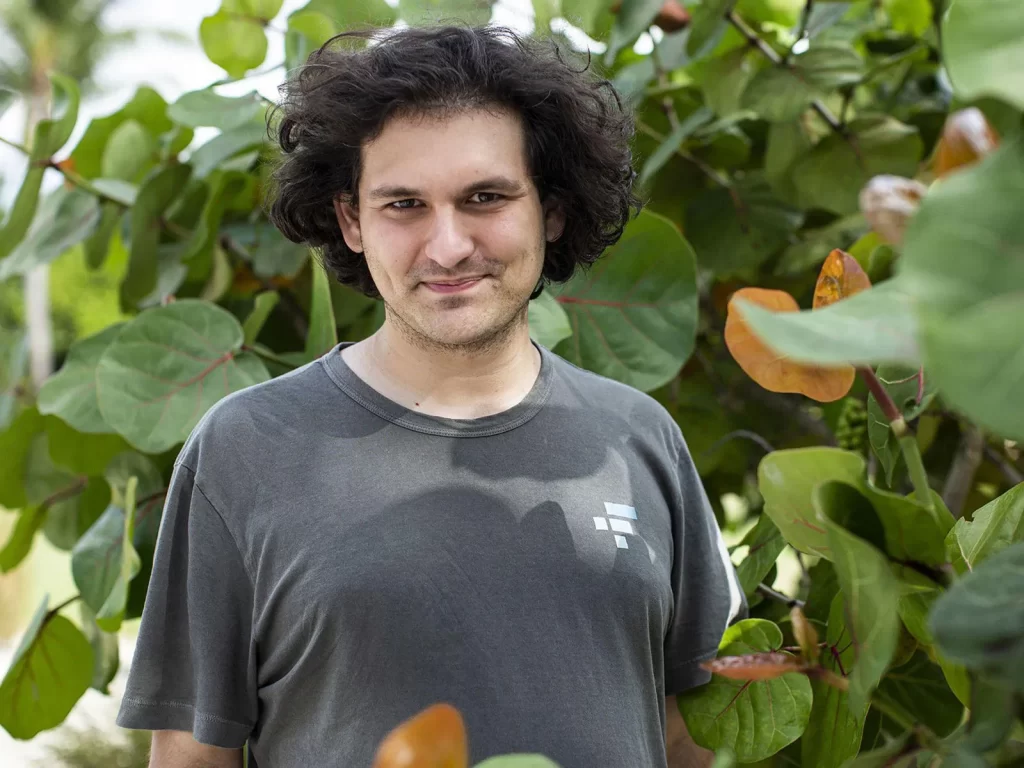
Sam Bankman-Fried recently appeared in his ongoing criminal trial in the United States District Court for the Southern District of New York, where he denied any wrongdoing between FTX and Alameda Research while acknowledging his own “big mistakes” during the company’s rapid growth.
Officially, Bankman-Fried’s testimony began on October 27, following a preliminary hearing the previous day.
During the preliminary hearing, he seemed ill-prepared to answer government attorneys’ questions but appeared more composed when facing the jury on the subsequent day.
Key points from his testimony included his denial of directing his inner circle, including former FTX Digital Markets co-CEO Ryan Salame and former director of engineering Nishad Singh, to make political donations in 2021.
Singh had donated $8 million to federal campaigns, while Salame had contributed $10 million through loans from Alameda Research.
Bankman-Fried, however, acknowledged the role of lobbying in Washington, D.C., in his efforts to establish a regulatory framework for crypto firms in the United States in 2021.
Despite accusations that he used customer deposits on FTX to contribute over $100 million to political campaigns in the lead-up to the 2022 U.S. midterm elections, Bankman-Fried maintained his innocence, stating that these donations were made from the exchange’s own funds.
READ MORE: Bitcoin Hits All-Time Highs Against Inflation-Plagued Fiat Currencies
Bankman-Fried also discussed his philosophy on written communication within his companies.
He emphasized that even seemingly harmless messages could be misconstrued out of context, underscoring the importance of providing sufficient context in written messages.
Regarding the use of the autodelete feature in Signal, Bankman-Fried explained that it was employed because official communications and regulatory paperwork were handled through other channels like Slack or email, whereas Signal was used for daily internal communication.
Bankman-Fried revealed details about Alameda’s line of credit with FTX, highlighting Alameda’s roles as a payment provider, liquidity provider, market maker, and client of FTX.
He explained that custom code features were developed to accommodate Alameda’s unique role in the exchange’s operations, such as the ability to go negative via a line of credit without triggering the risk engine.
Furthermore, he discussed his discussions with Caroline Ellison, the former CEO of Alameda Research, about hedging strategies in 2021 and 2022 to protect the trading platform from potential market downturns.
Despite these discussions, the strategies were not implemented, leading to significant losses when the Terra ecosystem collapsed and crypto prices declined.
Bankman-Fried also mentioned FTX’s terms of use, which included a clawback provision meant to distribute losses among customers if the exchange’s risk engine failed, emphasizing that customers trading on FTX were aware of the associated risks.
The trial is ongoing, with the defense expected to conclude Bankman-Fried’s examination on October 30, followed by cross-examinations and closing arguments from both sides, along with a potential rebuttal witness in the coming weeks.
If found guilty of all fraud and conspiracy counts, Bankman-Fried faces a potential 115-year prison sentence.

The growth of crypto in recent years cannot be argued with, nor can the constantly growing level of interest in this particular style of potential financial gain from general punters – who appreciate it is not a normal stock market, it is slightly more volatile but in that considered risk, comes a slightly higher reward if you do your own due diligence.
That due diligence should absolutely be done by anyone, even those with only a rudimentary interest as we all know the horror stories involving FTX and Sam Bankman-Fried, and he is not alone in becoming a media example in this growing and burgeoning industry, and there will certainly be those out there who point to more traditional share trading markets, and even banks themselves, that have fallen to the wrong side of perceived incompetence, ended up in trouble and then cost their investors sums that leave all of our eyes watering.
But that is the game. That is the market – you win some, you lose some. You have to own that if you get involved and there are plenty of opportunities for bitcoin sports betting if you are so inclined, and that way you do remove the decision making on whether to hold or sell.
One thing that is separate from the above is the way that some sporting outlets are shamelessly capitalising on the block chain in an effort to extract even more from their loyal supporters and fan base. This is slowly becoming a hot topic in many countries where buying a crypto token gives a fan additional access to the club they love, but that token in, and of itself, is not actually a sustainable or real investment in the way most bit coin is.
The Government of the United Kingdom have been the latest to pile on to this distorted type of crypto adjacent tokens, and a cross party committee has this month strongly voiced their concerns as to how they are being presented, with an accused powerful misdirection on what they are truly worth.
“In the world of sport, clubs are promoting volatile cryptoasset schemes to extract additional money from loyal supporters, often with promises of privileges and perks that fail to materialise. Fan token schemes must not be used as a substitute for meaningful engagement with supporters.”
In the world of sport, obviously Socios are a major player now, given their involvement with a number of Premier League and top European clubs and the CMS committee report continued.
“The unique relationship between clubs and fans means that fan speculation on sport-based cryptoassets carries a real risk of financial harm to fans and reputational harm to clubs. We are also concerned that clubs may present fan tokens as an appropriate form of fan engagement in the future, despite their price volatility and reservations among fan groups. We recommend that any measurement of fan engagement in sports, including in the forthcoming regulation of football, should explicitly exclude the use of fan tokens.”
It is expected that fresh legislation will soon follow in the future.
Fans will remain torn on this, it is not the genuine industry but also, who is to deny it should not be a natural sister to the industry if it serves the wishe
Stuart Alderoty, the Chief Legal Officer of Ripple Labs, and members of the XRP community have shown their support for United States Securities and Exchange Commission (SEC) Commissioner Hester Peirce’s recent stance against perceived injustices in the LBRY lawsuit.
This support was expressed on the social media platform formerly known as Twitter.
Alderoty conveyed his gratitude to Commissioner Peirce for her outspoken views and suggested that when injustices persist in non-fraud cases, especially when consumers are still awaiting resolutions for fraud cases, it may be necessary to deviate from standard protocols and raise concerns more prominently and promptly.
He even proposed the idea of submitting an amicus brief to address such issues.
Commissioner Peirce issued a dissenting statement regarding the LBRY lawsuit on October 27th.
She emphasized that the SEC had recently initiated numerous enforcement actions against various cryptocurrency exchanges, including Ripple, LBRY, Kraken, Binance, and Coinbase.
Peirce pointed out that the LBRY lawsuit was particularly troubling to her, but she refrained from discussing it further due to the ongoing litigation.
READ MORE: Alameda Research and FTX Transfer Over $10 Million to Exchange Accounts
In July, LBRY, a blockchain-based file-sharing and payment network, was found to have violated Section 5 of the Securities Act of 1933.
As a result, LBRY was permanently prohibited from engaging in unregistered cryptocurrency securities offerings involving its native token, both directly and indirectly.
LBRY initially sought to appeal the judgment by the SEC, with strong support from the XRP community.
However, as the legal battle concluded in favor of the SEC, LBRY made the difficult decision to shut down. The company cited financial burdens and regulatory pressure as the primary reasons for its closure.
Pro-XRP lawyer John Deaton, in response to Commissioner Peirce’s statement, suggested that it might be the right time to submit an amicus brief.
Deaton believes that, just as 75,000 individual holders expressed their views in court during the legal proceedings, it is equally important for someone with insider knowledge to speak out in a court of law.
Deaton had previously expressed his disapproval of the SEC’s actions against the company, attributing them to causing financial distress.
The support from Ripple Labs, the XRP community, and legal experts like Deaton highlights the growing concern over regulatory actions in the cryptocurrency space and the need for a fair and transparent legal process.
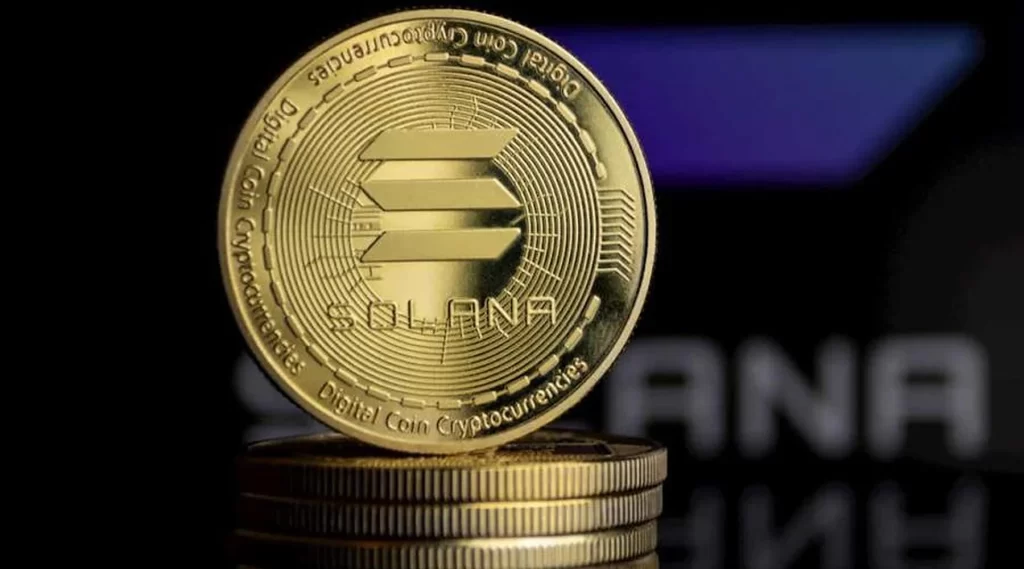
Solana, the Layer-1 blockchain platform often seen as a competitor to Ethereum, has been making significant waves in the crypto market recently.
Its native cryptocurrency, SOL, has experienced a remarkable surge, surpassing the $32 mark.
This surge has captured the attention of asset management firm VanEck, which has not only expressed optimism about Solana’s future but has also shared its price predictions.
In a comprehensive report, VanEck has presented various valuation scenarios for Solana, offering a wide spectrum of possibilities.
Their projections range from a conservative estimate of $9.81 to an ambitious target of $3,211.28 by the year 2030.
To put this in perspective, this would signify an astounding 10,600% price increase for Solana over the next few years, making it a formidable contender in the blockchain arena. In comparison, Ethereum’s price target stands at $11,800.
One particularly intriguing aspect outlined in the report is the potential for Solana to become the first blockchain capable of accommodating applications with over 100 million users.
This not only highlights its technical prowess but also its ability to challenge Ethereum’s dominance in the space.
Currently, SOL ranks among the top 10 cryptocurrencies, having exhibited impressive growth, exceeding 200% since the beginning of 2023.
READ MORE: UK Passes Groundbreaking Legislation Allowing Seizure of Cryptocurrencies in Illicit Activities
The Solana ecosystem boasts a total value locked (TVL) of $378 million, further emphasizing its growing influence in the crypto world.
Nevertheless, there is a hint of caution in the air as the daily directional movement index (DMI) suggests an increasing bearish sentiment on the daily chart.
This situation places the onus on the bulls to defend the gains made, especially since Solana’s recent ascent aligned with Bitcoin’s surge to $35,000.
If the bullish momentum falters, there is a possibility of SOL’s price slipping below the $30 mark.
Traders contemplating short positions for SOL might find this situation compelling, as technical indicators show the blue line (+DI) decreasing while the red line (-DI) is on the rise, signaling a potential price decline.
This pattern suggests an elevated bearish influence and the potential for a market downturn, potentially resulting in a 15% drop in Solana’s price from its current valuation of $32.
This decline corresponds with a nearby support level reinforced by the 21-day exponential moving average.
In the dynamic world of cryptocurrencies, vigilance and strategic decision-making remain paramount as Solana’s journey unfolds.
Google has reaffirmed its commitment to advancing artificial intelligence (AI) by injecting an additional $2 billion into Anthropic, an AI startup, according to a recent report.
Google’s initial investment of $500 million in Anthropic, a competitor to OpenAI, has now been followed by a commitment to pay the remaining $1.5 billion over time.
This substantial investment builds upon Google’s earlier $550 million injection into Anthropic earlier in 2023.
Additionally, Google Cloud has entered into a multiyear agreement with Anthropic, valued at over $3 billion, further solidifying their partnership.
This news comes on the heels of Amazon’s substantial $4 billion investment in Anthropic in September.
Anthropic is channeling these substantial funds into the training of its AI systems, notably AI assistant Claude, with the aim of achieving groundbreaking developments in the AI industry.
READ MORE: UK Passes Groundbreaking Legislation Allowing Seizure of Cryptocurrencies in Illicit Activities
In contrast, OpenAI, which has received more than $13 billion in funding from Microsoft since 2019,
ChatGPT gained rapid popularity, amassing over 100 million users within its first two months after launching in November 2022, drawing the attention of venture capital firms worldwide.
Notably, Anthropic’s co-founders, siblings Dario and Daniela Amodei, were formerly associated with OpenAI but departed in 2021 due to disputes with OpenAI’s CEO Sam Altman regarding the safety implications of AI system development.
Prior to the investments from tech giants Google and Amazon, Anthropic relied heavily on funding from Sam Bankman-Fried, the former CEO of FTX, who contributed approximately $530 million to Anthropic in April 2022.
This investment came roughly seven months before FTX’s financial downturn.
Anthropic’s substantial increase in valuation is seen as a positive sign for creditors of FTX, as they hope to be fully compensated through the bankruptcy proceedings stemming from FTX’s financial difficulties.
The infusion of funds into Anthropic not only underscores the importance of AI in today’s tech landscape but also highlights the fierce competition and investments made by major players like Google and Amazon in the race to advance AI technology.

A U.S. district court judge has issued a decisive ruling in the longstanding legal battle between NFT artists Ryder Ripps and Jeremy Cahen and the creators of Bored Ape Yacht Club (BAYC), Yuga Labs.
On October 25th, the judge ordered Ripps and Cahen to pay Yuga Labs a substantial sum of $1.57 million in disgorgement and damages, in addition to covering legal fees, effectively concluding the protracted “copycat” NFT lawsuit.
This development follows a partial summary judgment issued on April 21st, which favored Yuga Labs.
The judgment was based on Yuga Labs’ claim that Ripps and Cahen, the defendants, had infringed copyright laws by producing imitative versions of their BAYC collectibles.
District Court Judge John Walter, in his ruling, awarded Yuga Labs $1.37 million, affirming that the NFT company was entitled to a disgorgement of the defendants’ profits. An extra $200,000 was granted in statutory damages related to cybersquatting violations.
Furthermore, Judge Walter concluded that Yuga Labs was entitled to recover attorney fees and costs from the NFT artists due to the exceptional nature of the trademark infringement.
READ MORE: $1M Crypto Drop: Celebrate BetFury’s 4th Anniversary
He noted that an exceptional case for awarding attorney fees arises when a party exhibits “malicious, fraudulent, deliberate, or willful” behavior.
Judge Walter dismissed the defendants’ argument that their copycat BAYC versions were satirical or parodic, asserting that they had intentionally infringed on Yuga’s BAYC trademarks with an intent to profit in bad faith.
He also highlighted that the defendants continued to market and promote their copycat BAYC versions even after the partial summary judgment was delivered in April.
The lawsuit against Ripps and Cahen was initially filed by Yuga Labs in June 2022.
In an October 16th hearing in a U.S. appeals court, the lawyers for Ripps and Cahen attempted to argue that the lawsuit should be dismissed on grounds of free speech under California’s anti-SLAPP statute.
However, the three-judge panel did not appear swayed by their arguments.
Bored Ape Yacht Club stands as one of the most valuable NFT collectibles on the OpenSea marketplace.
Since April 2021, it has garnered an impressive 1.32 million Ether (ETH), equivalent to approximately $2.38 billion in trading volume, boasting an average floor price of 27.4 ETH, or roughly $49,200, according to data from OpenSea.