

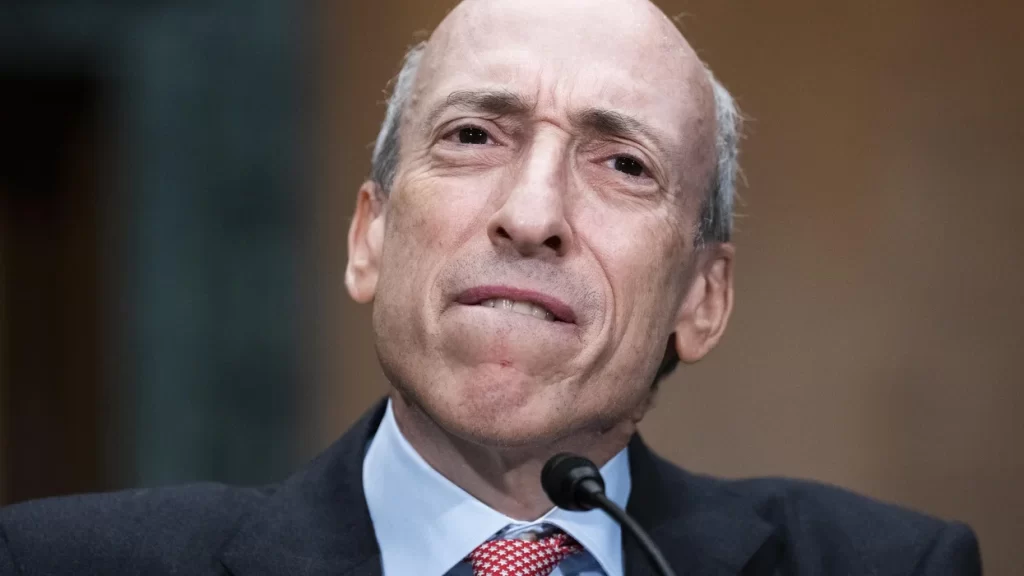
In a recently resurfaced video from 2019, Gary Gensler, now the head of the United States Securities and Exchange Commission (SEC), criticized the SEC’s approach to spot Bitcoin products, calling it “inconsistent.”
The video, which has gained renewed attention on social media, captures a discussion on blockchain regulation between Gensler and SEC Commissioner Hester Peirce during the 2019 MIT Bitcoin Expo.
During the conversation, Gensler expressed his views on the regulatory landscape for Bitcoin and other cryptocurrencies.
He pointed out the perceived inconsistency in the treatment of Bitcoin futures and Bitcoin exchange-traded funds (ETFs). Gensler noted that while Bitcoin futures and possibly Ethereum futures were allowed, Bitcoin ETFs had not received approval.
He highlighted the similarity in the underlying technologies and suggested that this inconsistency was a concern.
In the wake of the video’s resurgence, the cryptocurrency community on social media platforms, including Twitter, couldn’t help but draw attention to the contrast between Gensler’s past and present views on spot Bitcoin ETFs.
READ MORE: Sam Bankman-Fried Denies Wrongdoing But Acknowledges His Mistakes
Some users humorously remarked on the change in Gensler’s stance, with one market analyst posting, “Gary Gensler says Gary Gensler is wrong,” and another user commenting on the shift in his approach.
As of now, the SEC has granted approval for Bitcoin and Ether futures ETFs but has consistently rejected spot Bitcoin ETF applications since 2017.
This pattern of rejections continued under Gensler’s leadership at the SEC. Gensler has justified these rejections by citing concerns about the lack of adequate protections against market manipulation in spot Bitcoin ETFs.
Notably, Gensler’s SEC faced a lawsuit from asset manager Grayscale after it rejected the company’s proposal to convert its existing Bitcoin trust into a spot ETF.
A court ultimately ruled that the SEC’s rejection of the application was “arbitrary and capricious,” and the SEC did not pursue an appeal against this decision.
The resurgence of this video has sparked discussions and debates about the evolving regulatory landscape for cryptocurrencies in the United States and the SEC’s role in shaping it.
It remains to be seen how Gensler’s current position as SEC chairman will influence future decisions regarding spot Bitcoin ETFs and other cryptocurrency-related matters.
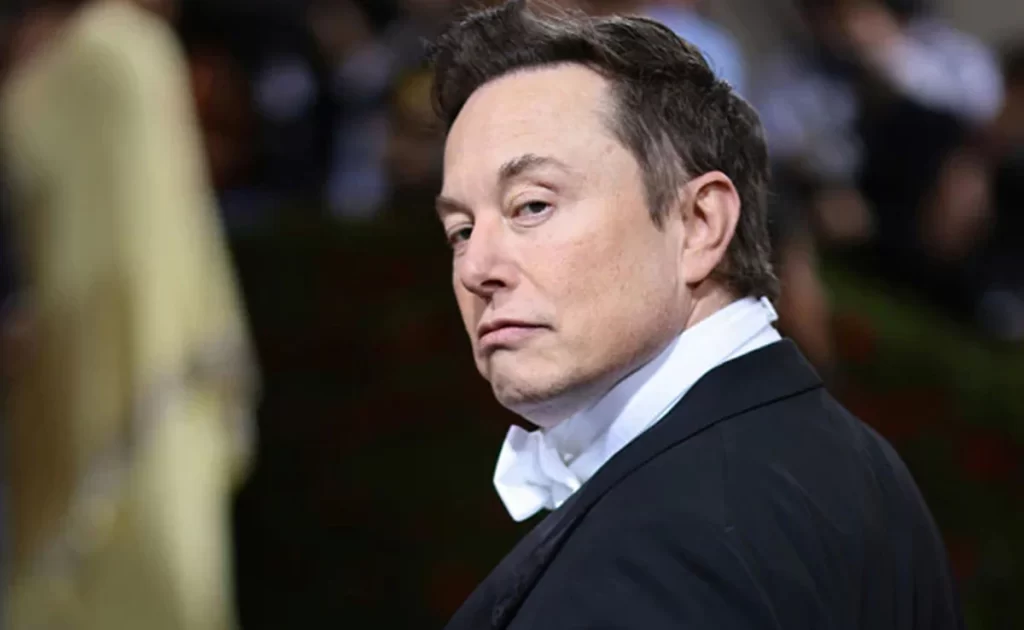
Elon Musk, the executive chairman of X, recently announced a significant policy change aimed at combatting misinformation and sensationalism on the platform.
In a post dated October 29th, Musk revealed that posts deemed misleading or inaccurate and subsequently “corrected” by X’s community-driven fact-checking feature, known as Community Notes, would no longer be eligible for revenue sharing.
The decision was made in a bid to prioritize accuracy over sensationalism within the X community.
Musk emphasized the importance of incentivizing accuracy, stating that any attempt to misuse the feature for nefarious purposes would be immediately apparent, given that the data is open-source.
However, this announcement left X users and Crypto Twitter enthusiasts with several questions and concerns. Some users questioned whether this policy would apply to notes added for context rather than correcting false information.
Bitcoin Archive, a prominent crypto-focused account, pointed out that not all Community Notes serve as refutations or corrections; some merely provide additional context.
READ MORE: The Best Crypto PR Agencies
Similarly, Not Jerome Powell, a finance-focused X account, argued that Community Notes applied in a humorous manner or those providing context should be exempt from this policy.
On the other hand, there was support for Musk’s decision. Dogecoin co-creator Billy Markus urged users to pay attention to those who vehemently disagreed with the change, suggesting that such opposition often came from individuals profiting from spreading misinformation.
Notably, X has not disclosed the number of accounts eligible for revenue sharing or provided details about the 100,000 contributors spanning 44 countries, according to an October 26th post by X CEO Linda Yaccarino.
This lack of transparency leaves many in the X community speculating about the exact implications of Musk’s new policy and how it will be enforced.
In conclusion, Elon Musk’s announcement regarding the ineligibility for revenue sharing of posts corrected by X’s Community Notes has stirred a mixed reaction within the platform’s user base.
While some question the scope of the policy and its potential impact on contextual notes, others see it as a necessary step to combat misinformation and promote accuracy.
Transparency regarding X’s contributor base and monetization eligibility remains a topic of interest and discussion among users.
Zodia, the institutional cryptocurrency custody platform jointly owned by financial giants Standard Chartered, SBI Holdings of Japan, and Northern Trust, is set to extend its services to the bustling financial hub of Hong Kong.
This expansion, revealed by Zodia CEO Julian Sawyer, is in response to the burgeoning demand for cryptocurrencies among institutional investors in the region.
Sawyer emphasized that the surge in crypto interest in Hong Kong primarily stems from institutional players rather than individual retail customers.
This aligns perfectly with Zodia’s core offering, which is tailored to cater to the needs of institutional clients.
He further highlighted that Hong Kong’s regulatory stance on cryptocurrencies is in harmony with Zodia’s ambitions.
The local government recognizes digital assets as the future and is actively positioning Hong Kong to become a pivotal hub in this rapidly evolving landscape.
Zodia’s entry into Hong Kong is part of its broader strategy to aggressively expand its footprint across Asia.
READ MORE: Kraken Suspends Tether, Dai, and More in Canada Amid Regulatory Changes
In recent months, the platform has launched its services in Japan, Singapore, and Australia, tapping into the growing demand for secure cryptocurrency custody solutions.
The CEO stated, “What we’re seeing is there are absolutely clients in all of those four markets who want to do things,” indicating a robust appetite for crypto-related services in these regions.
Moreover, Zodia is also exploring opportunities beyond these jurisdictions, with interest coming from institutional clients and prospects worldwide.
The initial phase of Zodia’s expansion in Hong Kong will involve limited support for a select number of cryptocurrency assets.
Additionally, the platform is actively engaging with Hong Kong’s regulatory bodies, such as the Securities and Futures Commission and the Hong Kong Monetary Authority, to seek regulatory approval and ensure compliance within the financial district.
While Zodia has not responded to requests for comments at the time of writing, it’s worth noting that this development follows Standard Chartered’s original announcement in late 2020 to establish an institutional custodial platform for cryptocurrencies.
Launched in 2021, Zodia secured $36 million in a Series A funding round led by SBI Holdings in April 2023.
In conclusion, Zodia’s expansion into Hong Kong signifies its commitment to meeting the rising institutional demand for cryptocurrency services in Asia, reinforcing its position as a key player in the rapidly evolving digital asset custody space.
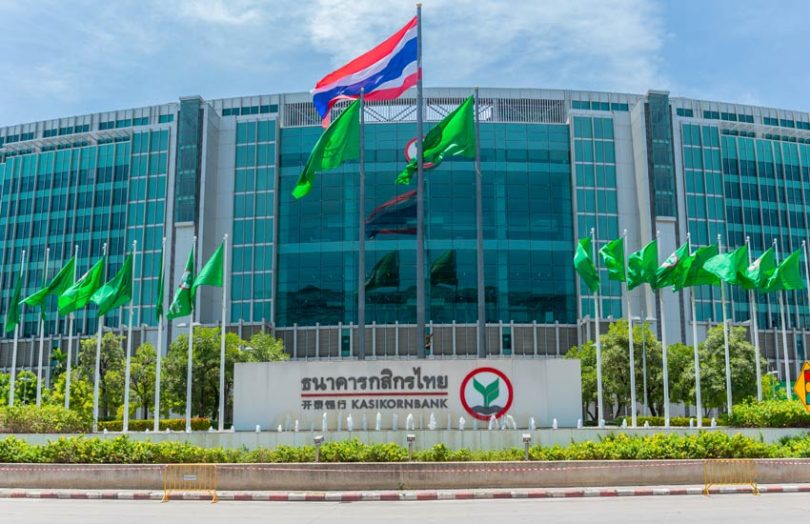
Thailand’s prominent financial institution, Kasikornbank, commonly known as KBank, is venturing into the cryptocurrency sector through its acquisition of a significant stake in the local crypto exchange, Satang.
This strategic move involves the purchase of 97% of shares in Satang’s operator, as revealed in an official announcement posted on the Stock Exchange of Thailand (SET) website on October 30th.
Kasikornbank has valued the acquisition at 3.7 billion Thai baht, equivalent to $103 million.
This transaction is being executed through KBank’s recently established subsidiary, Unita Capital, which specializes in investments within the digital asset industry.
Upon completion of the acquisition, Satang Corporation will undergo a rebranding and be known as Orbix Trade Company Limited.
Kasikornbank’s foray into the crypto domain will comprise three key divisions: Orbix Custodian, a secure custody platform; Orbix Invest, a venture arm; and Orbix Technology, dedicated to blockchain technology development.
READ MORE: SOL Token Surges Above $32 as VanEck Predicts Stellar Future for Solana
Satang holds a prominent position in Thailand’s cryptocurrency landscape, offering services such as a cryptocurrency exchange and other digital asset-related solutions.
The founder of Satang, Poramin Insom, is renowned for launching Firo (formerly Zcoin), a cryptocurrency focused on privacy.
Poramin Insom confirmed the acquisition by Kasikornbank on October 30th via Facebook, expressing his continued commitment to the company and its future.
He also revealed that Satang operates other businesses, including Satang Technology, a blockchain service platform, and Satang Space, a space-related enterprise.
This development follows closely on the heels of KBank’s September 2023 launch of a $100 million fund aimed at investments in Web3, fintech, and artificial intelligence.
KBank stands as Thailand’s second-largest lender by assets, trailing only behind Bangkok Bank.
According to data from the SET, the largest shareholder of KBank is Thai NVDR Company Limited, with the Stock Exchange of Thailand owning a substantial 99.9% of NVDR’s shares.
Kasikornbank’s entry into the cryptocurrency sector through the acquisition of Satang signifies a significant step in the evolution of the financial landscape in Thailand, bridging the traditional banking sector with the rapidly expanding digital asset market.
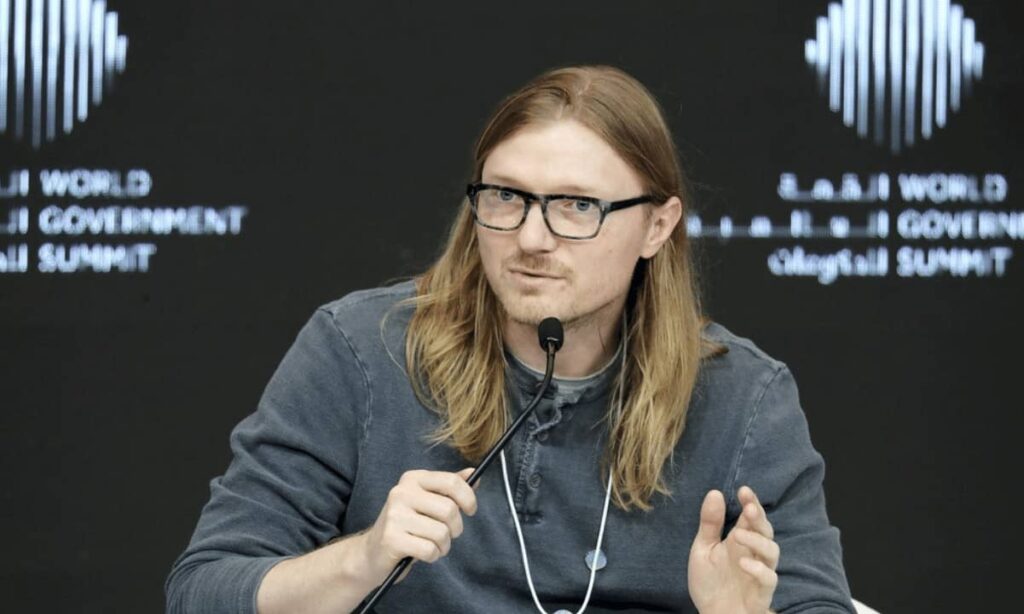
Kraken, a cryptocurrency exchange headquartered in the United States, has announced its compliance with a court order to share the data of approximately 42,000 users with the U.S. Internal Revenue Service (IRS).
The exchange will transmit this information to the IRS in early November.
The court order, originating from the U.S. District Court for the Northern District of California in May 2021, compelled Kraken to provide a broad array of records and data concerning its U.S. clients to the IRS.
Initially, Kraken contested the IRS’s demands and engaged in a legal battle to reduce the scope of the summons. As a result, the number of affected clients and the volume of client data to be disclosed were substantially reduced.
Under the court’s directive, Kraken will furnish profile and transaction data for clients who engaged in transactions exceeding $20,000 in any single year from 2016 to 2020.
This also encompasses individuals who conducted deposits and withdrawals without actual transactions.
The data that Kraken will share with the IRS includes names, dates of birth, tax identification numbers, addresses, contact information, and transaction history for the affected customers.
It is estimated that around 42,000 accounts will have their information provided to the IRS.
READ MORE: Ripple Labs and XRP Community Rally Behind SEC Commissioner’s Call for Justice in LBRY Lawsuit
This development follows a similar case involving the IRS’s request for user data from Coinbase, another cryptocurrency exchange.
In 2018, Coinbase notified its 13,000 impacted customers that it would furnish the IRS with their taxpayer identification numbers, names, birthdates, addresses, and historical transaction records from 2013 to 2015.
A user named James Harper challenged the IRS’s request, seeking to prevent unrestricted access to a user’s transaction history by the U.S. government.
In October 2023, the DeFi Education Fund, a cryptocurrency advocacy group, submitted an amicus brief in support of Harper’s appeal, underscoring the broader implications of user data privacy in the context of cryptocurrency transactions.
In conclusion, Kraken’s decision to comply with the court order and share user data with the IRS reflects the ongoing scrutiny of cryptocurrency exchanges by tax authorities.
These cases raise important questions about user privacy and data protection in the rapidly evolving world of digital currencies.
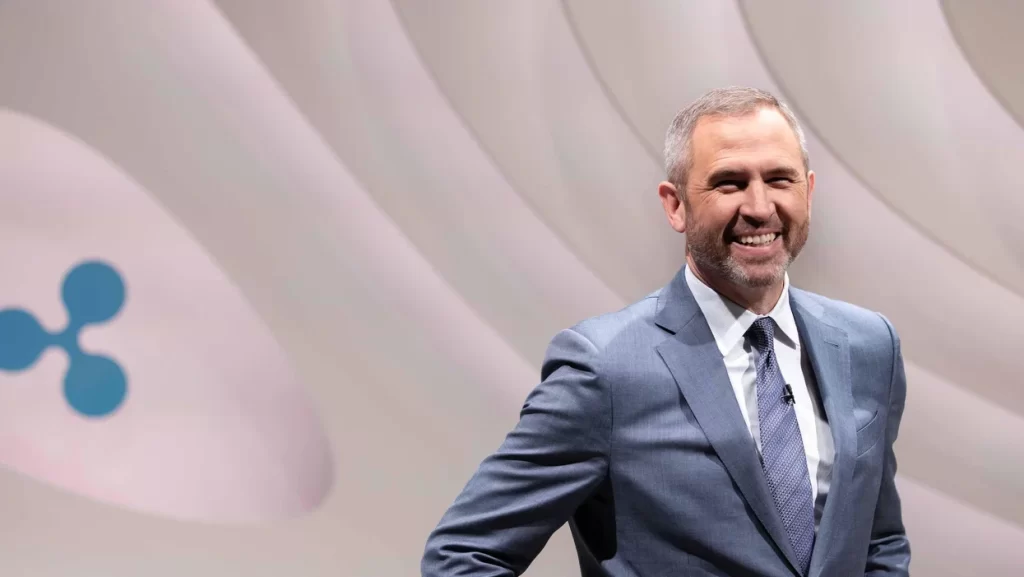
Ripple CEO Brad Garlinghouse has voiced strong criticism of former U.S. Securities and Exchange Commission (SEC) Chair Jay Clayton’s recent statements concerning the agency’s regulatory approach.
The SEC has been actively pursuing regulatory actions against crypto exchanges and companies since the beginning of 2023.
In an interview with CNBC on June 29, 2023, Jay Clayton expressed his belief that the SEC should only take legal action against specific companies when there are solid legal grounds to do so.
He emphasized the importance of regulatory agencies introducing regulations and pursuing legal cases that they are confident will successfully withstand judicial scrutiny.
Brad Garlinghouse seized the opportunity to remind everyone that it was Jay Clayton who had initiated a lawsuit against Ripple, himself, and Ripple co-founder Christian Larsen in December 2020.
The SEC’s lawsuit alleged that the company and its two executives had engaged in an “unregistered, ongoing digital asset securities offering,” having raised over $1.3 billion through the sale of XRP tokens.
Garlinghouse pointed out that Clayton had brought the case against them and then abruptly left his position the very next day.
READ MORE: Sam Bankman-Fried Denies Wrongdoing But Acknowledges His Mistakes
Clayton’s remarks from June 2023 have drawn significant attention, especially in light of the recent developments in the lawsuit involving Garlinghouse and Larsen.
As previously reported, the SEC made a move to dismiss the charges against the two executives in October.
This decision by the SEC follows a significant ruling by Judge Analisa Torres in July.
The ruling partially favored Ripple, declaring that the retail sales of XRP tokens did not meet the legal definition of a security.
However, the court did find Ripple in violation of securities laws for directly selling XRP tokens to institutional investors.
In essence, Garlinghouse’s criticism underscores the ongoing tension between crypto companies and regulatory bodies like the SEC.
The case against Ripple has been a focal point of this tension, with key figures like Clayton at the center of the controversy.
As the crypto industry continues to evolve, these regulatory challenges will likely remain a subject of intense debate and legal scrutiny.
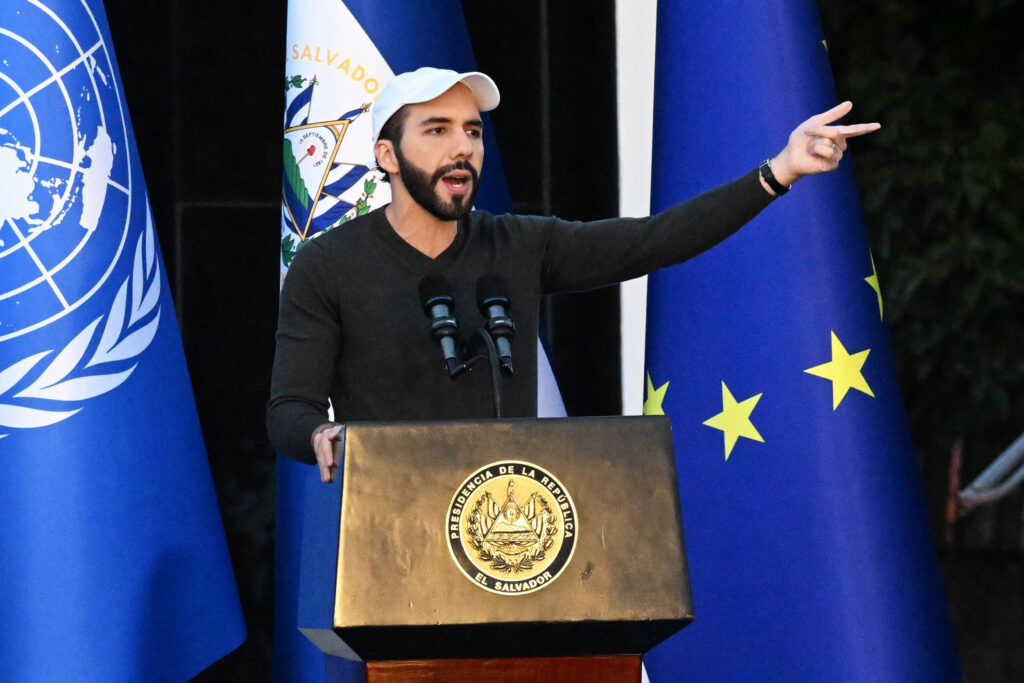
Salvadoran President Nayib Bukele has taken the bold step of filing paperwork for his reelection bid in the upcoming 2024 presidential election, slated for February.
Bukele, known for his advocacy of Bitcoin, garnered strong public support when his party officially nominated him for a second term on October 26.
Addressing a large gathering of Salvadorans, he declared, “Five more [years], five more and not one step back. We need five years to continue improving our country.”
Bukele ascended to power in 2019, marking a historic shift away from the two-party dominance that had lasted for three decades between the Nationalist Republican Alliance and the Farabundo Martí National Liberation Front.
However, despite his popularity among the local populace, critics, including Salvadoran lawyer Alfonso Fajardo, argue that the country’s constitution forbids consecutive presidential terms.
Fajardo pointed out, “Nayib Bukele is running for reelection in El Salvador despite the fact that it’s prohibited in 7 articles of the constitution.
The constitution was drafted after our peace accords, after our bloody civil war. This is unconstitutional.”
Notably, in September 2021, El Salvador’s Supreme Court ruled in favor of presidential consecutive reelections, thereby clearing the way for Bukele’s candidacy. Bukele’s party, New Ideas, boasts the support of a significant 70% of the country’s voting population, dwarfing its closest competitor, which only received 4% of the total votes.
READ MORE:SOL Token Surges Above $32 as VanEck Predicts Stellar Future for Solana
Despite opposition, including a lawsuit from one of New Ideas’ competitors, FMNLB, alleging the unconstitutionality of Bukele’s Bitcoin adoption program, the initiative proceeded as planned.
El Salvador officially made Bitcoin legal tender three months later in September 2021.
The Bukele administration has also embraced tech-friendly policies, such as the elimination of taxes on technological innovations, aimed at bolstering the nation’s economy.
Gabor Gurbacs, a strategy advisor at VanEck, even speculated that El Salvador has the potential to become the “Singapore of the Americas.”
Bukele’s popularity has been bolstered by his resolute crackdown on MS-13, a transnational gang that had contributed to El Salvador’s status as the country with the highest homicide rates in the world six years ago.
Thanks to these efforts, El Salvador’s homicide rate has plummeted by a remarkable 92.6% since its peak of 106 per 100,000 inhabitants in 2015, now standing at just 7.8 in 2022.
The nation now boasts one of the lowest crime rates in Latin America.
However, it’s crucial to note that Bukele’s approach has not been without controversy, as the United Nations and other critics argue that El Salvador violated human rights laws by imprisoning 65,000 individuals without affording them legal rights to defend themselves.
With the presidential election scheduled for February 4, 2024, El Salvador is poised for a pivotal moment in its political landscape as Nayib Bukele seeks to continue his transformative leadership.

Bitcoin saw a steady performance on October 27th, with its price hovering around $34,000 during the Wall Street open.
Investors’ attention had shifted towards assessing Bitcoin’s performance against macroeconomic assets.
As the weekly and monthly closing dates approached, BTC/USD maintained its stability, safeguarding the gains it had made earlier in the week.
Traders like Daan Crypto Trades predicted that Bitcoin would likely remain within the range of $33,000 to $35,000 for some time, emphasizing the importance of monitoring potential price sweeps within this range for quick trading opportunities.
Daan also highlighted that open interest (OI) had recovered to levels seen before the recent surge that propelled Bitcoin to its 17-month high.
Historically, elevated open interest levels had often preceded significant price moves, creating what experts referred to as “squeezes.”
READ MORE: 5 Best Trading Platforms for Day Trading of October 2023
On the other hand, Material Indicators, an on-chain monitoring resource, identified a downside signal in one of its proprietary trading indicators.
With two consecutive daily bearish signals, Material Indicators suggested that only a rise to $34,850 would invalidate the bearish implication.
However, the report acknowledged that this move might still occur before the monthly candle close.
Some traders took a more optimistic stance, looking at Bitcoin’s performance relative to macroeconomic factors.
Social media trader Kaleo pointed out that Bitcoin had significantly outperformed the S&P 500 since September, indicating the potential for further price increases.
He noted that BTC had risen by 36% against the USD while increasing by 48% compared to the S&P 500.
Kaleo presented a chart illustrating the BTC/USD performance against the S&P 500, emphasizing that there was still room for Bitcoin to move higher, possibly reaching $40,000.
Others focused on the significance of recent resistance levels, which were on the verge of transforming into weekly and monthly support.
Crypto and macro analyst Matthew Hyland argued that breaking through the $32,000 resistance level was a noteworthy achievement.
He suggested that bears had limited options left, and their last hope was for Bitcoin to close below this level on a weekly and monthly basis.

El Salvador, under the guidance of investment management firm VanEck’s strategy adviser, Gabor Gurbacs, is poised to emulate Singapore’s remarkable transformation into a financial hub within the Americas.
Gurbacs recently expressed this sentiment on October 28th through a post on X (formerly Twitter).
He highlighted the potential for El Salvador to become a regional economic powerhouse, much like Singapore achieved in the late 1990s.
Gurbacs identified two key catalysts for this transformation: capital investment and immigration.
Just as Singapore attracted substantial capital inflows and a skilled workforce, he expects these factors to drive El Salvador’s economic growth in the coming years.
These observations were sparked by a tweet from Max Keiser, a well-known American broadcaster and Bitcoin advocate who now resides in El Salvador.
Keiser lauded the country as “The New Land of the Free,” citing several compelling reasons.
Notably, El Salvador has embraced Bitcoin, making it legal tender in September 2021 and introducing the Chivo Wallet, a Bitcoin custodial wallet, for all Salvadorans.
This move has garnered significant attention and interest from global investors.
Under President Nayib Bukele’s leadership since June 2019, El Salvador has emerged as a promising emerging economy.
READ MORE: Binance CEO CZ’s Net Worth Plummets by $11.9 Billion Amid Declining Trading Volumes
Its sovereign bonds have outperformed those of many other emerging markets, delivering an impressive 70% return by August.
Major financial institutions like JPMorgan have taken notice of El Salvador’s economic potential.
In addition to its cryptocurrency initiatives, El Salvador is harnessing its volcanic resources to power a Bitcoin mining operation through Volcano Energy, which secured a substantial $1 billion investment and was launched in June.
Keiser serves as the company’s executive chairman, and a partnership with Bitcoin miners Luxor Technology led to the recent launch of its first mining pool.
Furthermore, El Salvador has enlisted Saifedean Ammous, the author of “The Bitcoin Standard,” as an economic advisor to the National Bitcoin Office.
The country’s strategy includes accumulating Bitcoin to reduce its debt over the next five years.
Additionally, Bukele’s decision to eliminate taxes on technology innovations in April is expected to attract more entrepreneurs and foreign capital, further bolstering the nation’s prospects for economic growth.
In summary, El Salvador is on a trajectory to become a financial and economic powerhouse in the Americas, drawing inspiration from Singapore’s success story.
With its progressive stance on cryptocurrencies, favorable investment climate, and innovative policies, the country is poised to thrive in the coming years.
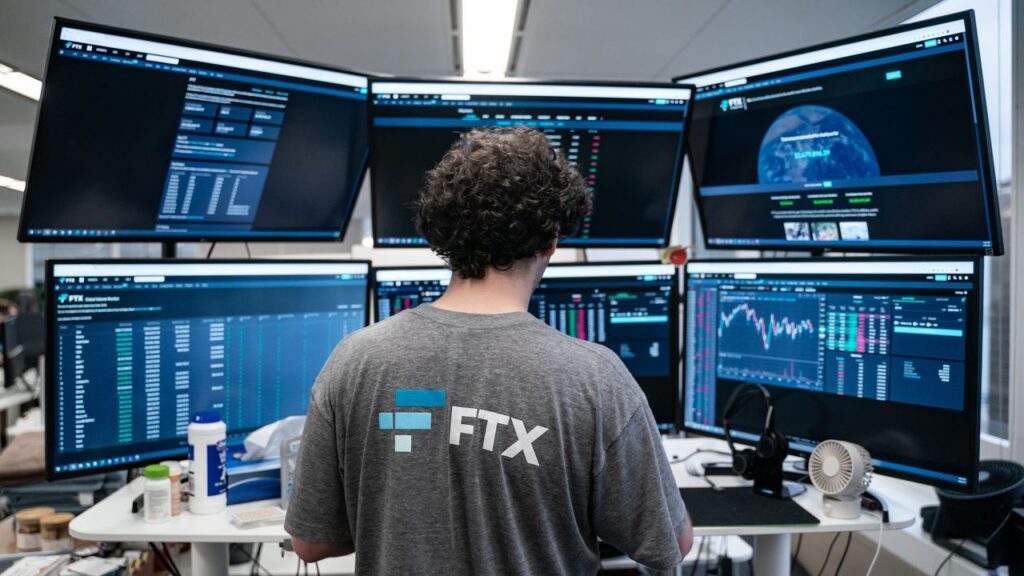
On October 27, Sam “SBF” Bankman-Fried, former CEO of FTX, provided crucial testimony during his trial, shedding light on his relationship with Caroline Ellison and the political donations linked to the crypto exchange. Bankman-Fried’s defense attorney, Mark Cohen, directed the proceedings.
One significant revelation from the courtroom was Bankman-Fried’s assertion that he had not discussed political contributions to U.S. politicians with former FTX engineering director Nishad Singh and former FTX Digital Markets co-CEO Ryan Salame.
Instead, he claimed that the donations made in his name were sourced from “loans from Alameda Research.”
These financial activities were part of a broader strategy to influence U.S. government policies related to cryptocurrency regulation.
Bankman-Fried emphasized the importance of shaping these policies, noting that some in Congress and the executive branch were supportive of FTX’s efforts in cryptocurrency lobbying.
Cohen took a detour from the legal allegations, delving into Bankman-Fried’s personal life. He questioned the former FTX CEO about the reasons behind his breakup with Caroline Ellison.
READ MORE;United Nations Establishes 39-Member Advisory Committee to Address Global AI Regulation
Bankman-Fried explained that the relationship ended because Ellison “wanted more than I could give.” He added that this was not the first time such a situation had arisen.
During her testimony, Ellison pointed out that SBF had not been spending much time with her, which contributed to the relationship’s deterioration.
Cohen also inquired about Bankman-Fried’s unconventional style, to which SBF responded that his unkempt hair was due to his own laziness, and he preferred the comfort of shorts and T-shirts for most occasions.
In an earlier hearing on the same day, Bankman-Fried denied allegations of defrauding FTX users by allowing Alameda to use customer funds.
Former FTX Chief Technology Officer Gary Wang and others testified that SBF had given Alameda the ability to trade more funds than it had on hand.
Bankman-Fried’s testimony is expected to conclude early next week, following cross-examination by attorneys from the U.S. Department of Justice.
Assuming there are no procedural delays, the court will then instruct the jury to deliberate on the seven criminal charges brought against him.