



Bitcoin experienced a downturn in the wake of the Wall Street opening on September 21, accompanied by renewed discussions of a $20,000 price target for BTC.
Over the past 24 hours, BTC’s price action, as reported by Cointelegraph Markets Pro and TradingView, has been lackluster, with the $27,000 level slipping out of sight.
This uninspiring performance came on the heels of the United States Federal Reserve’s decision to pause interest rate hikes, causing BTC/USD to drop by nearly $700 the day before.
In the absence of substantial volatility, market participants adopted a more cautious outlook.
Well-known trader Crypto Tony expressed the sentiment that a gradual ascent to $28,500 over the course of October would be ideal, followed by a surge of hype and FOMO (Fear Of Missing Out), only to witness another price decline.
Monitoring resource Material Indicators raised concerns about a potential “death cross” formation on the weekly chart.
This ominous occurrence takes place when specific moving averages (MAs) intersect, and in this case, the 21-week MA was on a trajectory to dip below its 200-week counterpart.
Material Indicators suggested the possibility of a lower low (LL) at the weekly close, with the 50-week MA potentially providing temporary support and triggering a short-term rally.
However, a LL could pave the way for further downward movement to test the $20,000 mark.
READ MORE: Bitcoin Holds Steady at $27,000 as Crypto Community Awaits Fed’s Decision
Additionally, there was anticipation regarding the liquidation of crypto assets by the defunct exchange FTX, which could exert selling pressure on BTC.
Speculation arose that FTX liquidators might attempt to bolster prices before distribution to prevent excessive erosion, although this remained speculative.
Amidst various viewpoints, some traders remained optimistic. CryptoCon, a popular trader and analyst, asserted that Bitcoin was still in the early stages of its next bull market, emphasizing this view with a chart.
Another trader named Jelle saw the current prices as an attractive buying opportunity for prospective BTC investors.
At the time of writing, BTC/USD was trading around $26,600, with gains in September totaling approximately 2.5%.
This marked Bitcoin’s best month since 2016, as data from monitoring resource CoinGlass indicated that the cryptocurrency had experienced losses every September in recent years.
Other Stories:
Creators Embrace Decentralized Platforms as Web3 Reshapes Adult Content Industry
ASIC Launches Legal Action Against Kraken’s Australian Operator Bit Trade
South Korea’s Cryptocurrency Holdings Surpass $98 Million, Dominating Overseas Assets

Coinbase, a leading cryptocurrency exchange, has achieved a significant milestone in its European expansion by securing Anti-Money Laundering (AML) compliance registration from the Bank of Spain.
This development, announced on September 22, paves the way for Spanish users to securely manage their crypto assets on the platform while conducting cryptocurrency transactions in euros.
With this registration, Coinbase can now offer its full range of services to both retail and institutional users in Spain while adhering to the country’s legal framework.
The move comes as a response to the growing interest in digital assets among Spanish citizens, with a noteworthy 29% of adults believing that cryptocurrencies represent the future of finance.
In an intriguing revelation, cryptocurrency has emerged as the second-most-preferred payment method in Spain, surpassing traditional bank transfers.
This underscores the increasing adoption and trust in cryptocurrencies as a means of conducting financial transactions.
Nana Murugesan, Coinbase’s Vice President of International and Business Development, emphasized the exchange’s commitment to regulatory compliance worldwide.
Coinbase has been actively pursuing regulatory approvals and compliance measures in various countries, including Italy, Ireland, the Netherlands, Singapore, Brazil, and Canada.
READ MORE: IRM Report Highlights Bitcoin’s Potential as a Driver of Global Energy Transition
Coinbase’s achievement in Spain closely follows Crypto.com’s regulatory approval in the country, highlighting the continued growth of the cryptocurrency industry in the region.
The Bank of Spain had previously issued guidelines in October 2021 outlining the steps that crypto service providers should take to ensure AML compliance, reinforcing its commitment to combating illicit activities within the crypto space.
In line with its European expansion efforts, Coinbase made two attempts to acquire the defunct crypto exchange FTX Europe in November 2022 and September 2023.
This strategic move aligns with the European Parliamentary Research Service’s call for stricter oversight of the global crypto market by non-European regulators.
As the Markets in Crypto-Assets Regulation (MiCA) Act approaches its implementation deadline in December 2024, the EPRS emphasizes the need for a robust regulatory framework in non-EU jurisdictions to safeguard the EU’s financial system and autonomy.
Coinbase’s successful registration with the Bank of Spain marks another significant step in the cryptocurrency exchange’s global journey, solidifying its presence in Europe while complying with evolving regulatory standards in the crypto industry.
Other Stories:
Alchemy Pay Secures Key U.S. Money Transmitter License, Expanding Crypto-to-Fiat Services
South Korean City Aims to Become a Leading Blockchain Hub with $75 Million Investment
CBDC Anti-Surveillance State Act Clears Hurdle, Advances to Congressional Vote

The European Parliamentary Research Service (EPRS) has emphasized the critical importance of enhanced oversight from non-European Union (EU) regulators in order to foster greater stability and growth within the global cryptocurrency market.
With the Markets in Crypto-Assets Regulation (MiCA) Act on track for implementation by December 2024, a recent EPRS report underscores the necessity of establishing a more robust regulatory framework in non-EU jurisdictions.
The report underlines that the EU’s financial system and autonomy remain vulnerable to policy actions taken by non-EU countries, particularly in areas where MiCA is applicable.
The report raises significant concerns regarding potential repercussions on financial stability, the diminished attractiveness of the crypto market, and the mainstream adoption of stablecoins. These concerns underscore the urgency of addressing regulatory disparities on a global scale.
One of the key observations made in the report pertains to the United States, where a fragmented regulatory landscape prevails.
The presence of various state-level and federal stakeholders creates a complex web of regulations, indirectly impacting legal clarity and regulatory certainty within the crypto industry.
This fragmentation has the potential to hinder the growth and development of the sector.
The report also sheds light on the United Kingdom’s Financial Services and Markets Act, which, according to a study conducted for the European Parliament, is anticipated to diverge significantly from EU regulations concerning crypto-assets in the coming years.
READ MORE: Bybit Unveils Automated Risk Management Tool ‘Perp Protect’
This divergence could introduce additional challenges for market participants operating in both the UK and the EU.
Highlighting the global scope of regulatory adaptation, the Malta Financial Services Authority (MFSA) initiated a public consultation on September 18th to align its crypto regulations with the forthcoming MiCA regulations.
The proposed revisions aim to harmonize rules governing exchanges, custodians, and portfolio managers with the EU’s MiCA regulations, reflecting the evolving international regulatory landscape.
In conclusion, the EPRS report underscores the critical need for international collaboration and alignment in cryptocurrency regulation.
As the EU moves forward with MiCA implementation, it becomes increasingly vital for non-EU jurisdictions to adopt compatible regulatory frameworks to ensure a stable, secure, and globally accessible cryptocurrency market.
The report serves as a timely reminder of the interconnected nature of the crypto industry and the importance of consistent regulatory standards to support its continued growth and maturation.
Other Stories:
SEC Faces Setback as Judge Denies Immediate Access to Binance.US Software
US House Financial Services Committee Advances Bills to Regulate Central Bank Digital Currency
Binance.US Faces Record-Low Trading Activity Amid Mounting Regulatory and Internal Challenges

The market for bankruptcy claims has displayed a robust appetite for the debts of the defunct cryptocurrency exchange, FTX, with major credit investors rushing to acquire FTX debts.
As reported by Bloomberg on September 21, 2023, investors such as Silver Point Capital, Diameter Capital Partners, and Attestor Capital have collectively purchased over $250 million worth of FTX debts this year, based on an in-house analysis of public court filings.
Notably, FTX’s debt has attracted interest from investors like Hudson Bay Capital Management, which acquired a $23 million FTX claim and subsequently sold approximately 50% of it to Diameter.
This growing demand has led to a surge in the prices of some FTX claims throughout the year. Certain lower-ranking FTX claims have seen a remarkable 191% increase, climbing from $0.12 in early 2023 to approximately $0.35 in recent weeks, according to data from the crypto debt broker Claims Market.
The historical indicative prices of “bid” and “ask” for larger FTX claims have also experienced an upward trend this year, as reported by Claims Market’s charts.
Investors are accumulating FTX claims with the expectation that the firm’s bankruptcy proceedings will unlock additional value when resolved.
However, it’s worth noting that major bankruptcies can take years to unravel, making it challenging to assess the final worth of a collapsed company, especially in the volatile world of cryptocurrency.
Some bankruptcy claim investors believe that the total value of all traded FTX claims may exceed the $250 million reported in public court records.
READ MORE: SEC Faces Setback as Judge Denies Immediate Access to Binance.US Software
Thomas Braziel, a bankruptcy claims investor, suggested that buyers and sellers often delay filing paperwork for debt trades.
He mentioned being aware of individual FTX claims surpassing $100 million, likening FTX to historical financial collapses like Lehman and Madoff.
In addition to debt claims, many investors are acquiring the rights to FTX crypto accounts that still hold assets trapped on the platform since FTX suspended withdrawals in November 2022.
Debt investment firm Contrarian Capital Management, for instance, acquired an FTX account containing a substantial amount of Bitcoin and Ether, alongside $430,000 in cash.
The phenomenon of protracted crypto bankruptcies is not unique to FTX; for instance, Mt. Gox, a major crypto exchange hacked in 2014, has once again extended the deadline for returning Bitcoin holdings to investors by another year. At the time of writing,
Bitcoin’s value has surged over 3,000% since the Mt. Gox hack, underlining the long-lasting repercussions of such incidents.
The backdrop of these developments is FTX’s ongoing restructuring efforts, with executives urging investors to complete the claims process via the FTX Customer Claims Portal by the September 29, 2023 deadline.
Other Stories:
Binance.US Faces Record-Low Trading Activity Amid Mounting Regulatory and Internal Challenges
US House Financial Services Committee Advances Bills to Regulate Central Bank Digital Currency

Amsterdam, Netherlands, September 25th, 2023, Chainwire
New crypto project ‘Meme Kombat’ has announced the presale of its native token is now live, in a September 21st tweet from its official X account @Meme_Kombat.
$MK token is able to be purchased at memekombat.io priced at $1.667, using ETH, USDT or BNB. Presale investors can use a range of wallets including MetaMask, Trust Wallet, Coinbase Wallet, OKX wallet, Ledger Live, Rainbow Wallet and a number of other WalletConnect options.

What Is Meme Kombat?
According to the project’s whitepaper, Meme Kombat is a gaming platform that ‘brings together the exciting world of memes and the competitive thrill of battle arenas. By leveraging cutting-edge technology and the decentralized power of the Ethereum network, Meme Kombat aims to create a unique and engaging gaming experience.’

Within the Meme Kombat ecosystem and its in-game arena, players engage in battle with characters represented by popular internet memes – from Pepe the Frog to Wojak – all brought to life by AI and powered by its core currency $MK.
Wagering & Staking (Live Now)
Combatants can then stake and wager tokens on the outcomes of those battles, adding a play to earn dynamic as well as opportunities to yield farm for passive income.
During the presale buyers can already stake their tokens, for an APY of 112% at present time, September 25th, 2013.
The new cryptocurrency’s high APY and P2E utility are already seeing it gain traction across crypto news media and the Web3 space – including on Cointelegraph, CryptoPotato and other outlets – and approximately $60,000 has already been raised.

Tokenomics
$MK has a capped maximum supply of 12,000,000 tokens, with 50% allocated to the presale, 30% to staking and battle rewards, 10% to additional community rewards, and 10% to locked DEX liquidity.
The Meme Kombat presale has set a $1 million soft cap target and a $10 million hard cap.
Team
Unlike many new cryptocurrency projects in the meme coin sector, the core team behind Meme Kombat are public and transparent – connect with project founder Matt Whiteman via LinkedIn.
Matt was formerly the CEO at Phat Loot DeFi and COO at North Technologies B.V.
Links
- Website – https://www.memekombat.io/
- Telegram – https://t.me/MemeKombatToken
- Twitter – https://twitter.com/Meme_Kombat/
Contact
Meme Kombat
[email protected]
Brian Armstrong, the CEO of the cryptocurrency exchange giant Coinbase, recently took to the social media platform X (formerly Twitter) to voice his stance on the regulation of artificial intelligence (AI).
In his statement on September 23, Armstrong firmly asserted his belief that AI should remain unregulated. He argued that the rapid development of AI is crucial, citing reasons such as national security as driving forces behind this need for swift progress.
Additionally, Armstrong cautioned against the unintended consequences that often accompany regulatory efforts, emphasizing that excessive regulation can stifle innovation and hamper healthy competition.
Drawing parallels to the evolution of the internet, Armstrong reminisced about a “golden age of innovation” in the digital realm when minimal regulation fostered boundless creativity and progress.
He contends that AI technology should follow a similar trajectory, remaining largely unencumbered by strict regulatory frameworks.
As an alternative approach to safeguarding the AI space, Armstrong proposed a decentralized and open-source model.
He suggested “letting the cat out of the bag,” implying that a more open and collaborative environment would be better suited to nurture AI’s growth and potential.
In contrast to Armstrong’s perspective, several jurisdictions worldwide have initiated efforts to regulate AI or voiced concerns regarding its potential impact.
China, for instance, implemented provisional guidelines for the management of AI activities on August 15.
READ MORE: Creators Embrace Decentralized Platforms as Web3 Reshapes Adult Content Industry
These regulations emerged as a joint initiative involving six of the country’s government agencies, marking a significant step in regulating AI amid the industry’s rapid expansion.
Meanwhile, in the United Kingdom, the Competition and Markets Authority conducted an in-depth study on the implications of AI for competition and consumers.
Released on September 18, their findings indicated that AI has the potential to bring profound changes to both work and daily life.
However, the pace of these changes raised concerns about their potential impact on competition in various sectors.
In conclusion, Brian Armstrong’s stance on AI regulation reflects his strong belief in maintaining a regulatory environment that allows AI technology to flourish without unnecessary constraints.
This perspective stands in contrast to the actions of other jurisdictions, such as China and the United Kingdom, which are actively exploring regulatory measures to address the challenges posed by the rapid advancement of artificial intelligence.
Other Stories:
Bitcoin Holds Steady at $27,000 as Crypto Community Awaits Fed’s Decision
South Korea’s Cryptocurrency Holdings Surpass $98 Million, Dominating Overseas Assets
ASIC Launches Legal Action Against Kraken’s Australian Operator Bit Trade
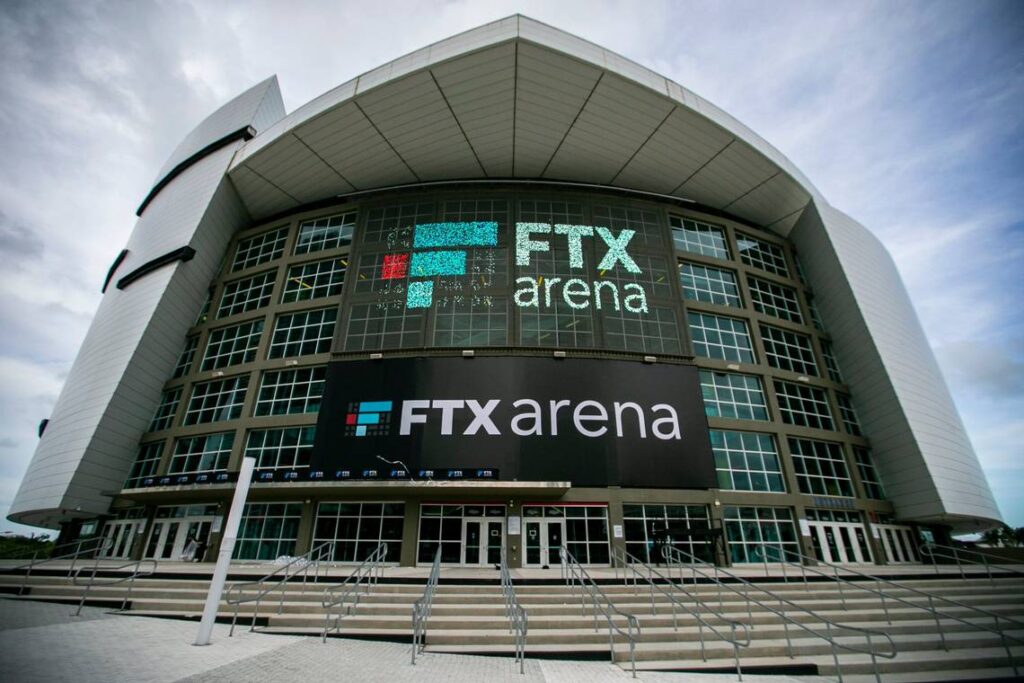
On September 21st, the defunct cryptocurrency exchange FTX initiated legal action against former employees affiliated with the Hong Kong-incorporated entity Salameda, which was once part of the FTX group.
According to court documents, FTX has launched this lawsuit with the aim of reclaiming $157.3 million, alleging that this substantial sum was fraudulently withdrawn just hours before the exchange filed for bankruptcy.
The court filing specifically names Michael Burgess, Matthew Burgess, their mother Lesley Burgess, along with Kevin Nguyen and Darren Wong, in addition to two other corporate entities.
These individuals and entities are alleged to have held ownership of companies with registered accounts on FTX.com and FTX US.
The lawsuit contends that they withdrew funds during the “preference period,” a critical juncture preceding FTX’s bankruptcy declaration.
The court documents assert that these transfers to Defendant Michael Burgess were executed with the intent to obstruct, delay, or defraud the present or future creditors of FTX US.
Notably, these transactions occurred mere hours before FTX suspended all non-fiat user withdrawals on November 8, 2022.
READ MORE: Bybit Unveils Automated Risk Management Tool ‘Perp Protect’
The lawsuit further alleges that Matthew Burgess applied pressure on FTX employees to expedite specific pending withdrawal requests from one of Michael Burgess’s FTX US exchange accounts, while misleadingly representing the account as his own.
This assertion is substantiated with messages exchanged on the communication platform Slack.
In a parallel development, the former CEO of FTX, Sam Bankman-Fried (SBF), currently finds himself incarcerated and awaiting the commencement of his two-part trial.
The first phase is slated to begin on October 3, 2023, with the second following in March 2024.
SBF had sought early release from detention, citing difficulties in adequately preparing for his trial while in jail and alleging that it infringed upon his First Amendment rights under the United States Constitution.
However, on September 21st, the judiciary ruled against granting him early release.
Furthermore, on the same day, Judge Lewis Kaplan upheld a Department of Justice motion, barring the testimony of SBF’s key witnesses.
This legal landscape underscores the complexity and high-stakes nature of the ongoing legal proceedings surrounding FTX and its former executives.
Other Stories:
SEC Faces Setback as Judge Denies Immediate Access to Binance.US Software
US House Financial Services Committee Advances Bills to Regulate Central Bank Digital Currency
Binance.US Faces Record-Low Trading Activity Amid Mounting Regulatory and Internal Challenges

Bitmain, a prominent cryptocurrency mining hardware manufacturer, and the now-bankrupt crypto mining entity, Core Scientific, have reached a significant agreement that involves a combination of equity and cash to advance their mining facility expansion plans.
Under this agreement, Bitmain will provide Core Scientific with 27,000 Bitcoin mining rigs in exchange for $23 million in cash and $53.9 million worth of common stock from the distressed mining company.
Beyond the hardware procurement, the two companies have also inked a fresh hosting arrangement aimed at supporting Bitmain’s mining endeavors.
The deal’s finalization occurred in August, marked by a court filing that spotlighted Bitmain’s intention to trade mining hardware for cash and equity within the context of Core Scientific’s restructuring blueprint.
This restructuring plan encompassed other entities like Anchorage, BlockFi, and Mass Mutual Asset Finance.
Notably, aside from Anchorage, all three firms opted for a combination of cash and equity as a means to settle their claims.
Bitmain’s ambitious expansion and investment strategy are poised to come to fruition by the fourth quarter of 2023, contingent upon approval from a judge.
READ MORE: Bybit Unveils Automated Risk Management Tool ‘Perp Protect’
Once greenlit, this hardware infusion could potentially bolster Core Scientific’s hash rate by an impressive 4.1 exahashes.
Additionally, the two crypto mining collaborators have committed to collaborating on the enhancement of Bitmain’s legacy miners situated within Core Scientific’s data centers, with the ultimate goal of optimizing the firm’s operational efficiency.
Core Scientific’s financial woes led to their Chapter 11 bankruptcy filing in December 2022, with the primary drivers being the financial crisis and the declining value of Bitcoin.
The company faced mounting challenges in the lead-up to its eventual collapse, primarily due to the turbulent conditions prevailing in the cryptocurrency market during that period.
Other Stories:
Binance.US Faces Record-Low Trading Activity Amid Mounting Regulatory and Internal Challenges
SEC Faces Setback as Judge Denies Immediate Access to Binance.US Software
US House Financial Services Committee Advances Bills to Regulate Central Bank Digital Currency

Binance CEO Changpeng “CZ” Zhao and the cryptocurrency exchange he leads have jointly filed a motion to dismiss the lawsuit filed against them by the United States Securities and Exchange Commission (SEC).
This legal development unfolded in the United States District Court for the District of Columbia, with both Binance Holdings and Zhao asserting that the SEC had exceeded its jurisdiction in their lawsuit.
In a detailed 60-page petition, the legal representatives for Binance and Zhao contended that the SEC’s actions were problematic due to a lack of clear regulatory guidance within the crypto industry prior to the lawsuit.
They accused the SEC of attempting to retroactively assert its regulatory authority over cryptocurrency transactions, dating back as far as July 2017 when the SEC had yet to provide any public guidance on cryptocurrencies.
The petition stated, “The SEC pursues these novel theories retroactively, seeking to impose liability for sales of crypto assets that occurred as far back as July 2017, before the SEC provided any public guidance concerning cryptocurrency.
“It is clear that the SEC’s lawsuit has no foundation in the currently enacted securities laws.”
READ MORE: Binance.US Faces Record-Low Trading Activity Amid Mounting Regulatory and Internal Challenges
Furthermore, Binance’s legal team argued that the SEC had misinterpreted securities laws and their applicability to crypto assets, contending that the regulator distorted the text of these laws in its pursuit of regulatory control over the crypto industry.
Notably, Binance’s American counterpart, Binance.US (legally known as BAM Trading Services), also took a similar stance by filing a separate 56-page petition on the same day, seeking the dismissal of charges.
The SEC initially filed the lawsuit against Binance and its affiliates on June 5, alleging that Binance offered the sale of unregistered securities and conducted unlawful operations within the United States.
This legal action followed a similar move by the Commodity Futures Trading Commission (CFTC), which sued Binance three months prior for failing to register and violating its regulatory guidelines.
The ongoing regulatory scrutiny has significantly impacted Binance.US, with daily trading volumes plummeting by over 98% since September 2022.
The exchange also announced layoffs amounting to 30% of its workforce on September 13, with its president and CEO, Brian Shroder, departing from the company amidst these challenges.
Other Stories:
Bybit Unveils Automated Risk Management Tool ‘Perp Protect’
SEC Faces Setback as Judge Denies Immediate Access to Binance.US Software
US House Financial Services Committee Advances Bills to Regulate Central Bank Digital Currency

A recent publication from the Institute of Risk Management (IRM) has drawn attention to the potential of Bitcoin (BTC) to serve as a catalyst for a worldwide energy transition.
The report, authored by members of the IRM Energy and Renewables Group, Dylan Campbell and Alexander Larsen, bears the title “Bitcoin and the Energy Transition: From Risk to Opportunity.”
This comprehensive analysis challenges the prevailing notion that BTC poses a threat due to its energy-intensive nature and instead sheds light on its capacity to instigate transformative changes in the global energy landscape.
The IRM report underscores the indispensable role of energy in contemporary society and the growing demand for sustainable, cost-effective, and clean energy sources.
Notwithstanding the criticisms regarding Bitcoin’s substantial energy consumption, the study offers a more nuanced perspective by elucidating the potential advantages BTC could bring to the energy sector.
One of the most noteworthy findings within the report is the assertion that Bitcoin mining has the potential to reduce global emissions by as much as 8% by 2030.
This ambitious target can be achieved through the conversion of wasted methane emissions into less harmful byproducts.
The report elucidates a theoretical scenario in which captured methane is harnessed to power Bitcoin mining operations, effectively mitigating the release of methane into the atmosphere.
READ MORE:Bybit Unveils Automated Risk Management Tool ‘Perp Protect’
Furthermore, the report outlines additional opportunities for Bitcoin to make meaningful contributions to the energy sector.
It suggests that Bitcoin could enhance energy efficiency by facilitating electricity grid management through the deployment of Bitcoin miners and the transfer of excess heat generated by mining operations to greenhouses, thus optimizing resource utilization.
The authors of the IRM report articulate their perspective succinctly: “We have shown that while Bitcoin is a consumer of electricity, this does not translate to it being a high emitter of carbon dioxide and other atmospheric pollutants.
Bitcoin can be the catalyst to a cleaner, more energy-abundant future for all.” In essence, the report underscores the potential of BTC not only to coexist with the imperative for a sustainable energy future but also to actively drive positive change within the energy sector.
In conclusion, the IRM’s report challenges the prevailing narrative surrounding Bitcoin’s environmental impact, positing that BTC has the potential to be a constructive force in shaping a cleaner, more energy-rich global future.
Other Stories:
Binance.US Faces Record-Low Trading Activity Amid Mounting Regulatory and Internal Challenges
US House Financial Services Committee Advances Bills to Regulate Central Bank Digital Currency
SEC Faces Setback as Judge Denies Immediate Access to Binance.US Software