

In a recent blog post by Joseph Mills, the group product manager of Google Play, it was announced that the platform now permits video game publishers to sell nonfungible token (NFT) games on its store.
This update, shared on July 12, highlights Google Play’s commitment to exploring innovative ways for users to transact blockchain-based digital content within apps and games, while also enhancing user loyalty through unique NFT rewards.
The move by Google Play marks a significant shift from its previous stance on cryptocurrency-related applications.
Back in 2018, the platform banned crypto mining apps, and in 2020, it removed the Bitcoin Blast video game due to “deceptive practices.”
In contrast, Apple’s App Store announced in October that NFTs acquired outside of its ecosystem cannot confer special benefits to users within a game, under the risk of being banned.
Furthermore, NFTs sold within the App Store must adhere to a 30% fee to Apple.

READ MORE: President Xi Jinping Highlights CBDCs and Expansion of SCO
These decisions and statements led many industry experts to speculate that mobile NFT games were under attack. However, Google Play’s recent policy revision clearly signals a welcoming approach to these games on Android devices, albeit with a few regulations in place.
According to Mills’ blog post, game developers must transparently indicate if their games enable users to earn or purchase NFTs or cryptocurrencies.
Moreover, developers are prohibited from glamorizing potential earnings from playing or trading activities, as well as selling loot boxes or incorporating gambling features.
By complying with these guidelines, game developers can leverage tokenized assets to enhance the gaming experience.
They are encouraged to reimagine traditional games by integrating user-owned content. Google Play emphasized that it collaborated with leaders in Web3 gaming to establish these rules and expressed its commitment to engaging with developers to understand their challenges and explore further opportunities.
The decision by Google Play to allow NFT games on its platform represents a significant development for the gaming industry.
With these updated policies in place, developers can harness the power of NFTs to create unique and engaging experiences for players, while adhering to responsible practices outlined by Google Play.
As the ecosystem evolves, it is likely that we will witness further collaboration between game developers and platforms, leading to exciting advancements in the intersection of gaming and blockchain technology.
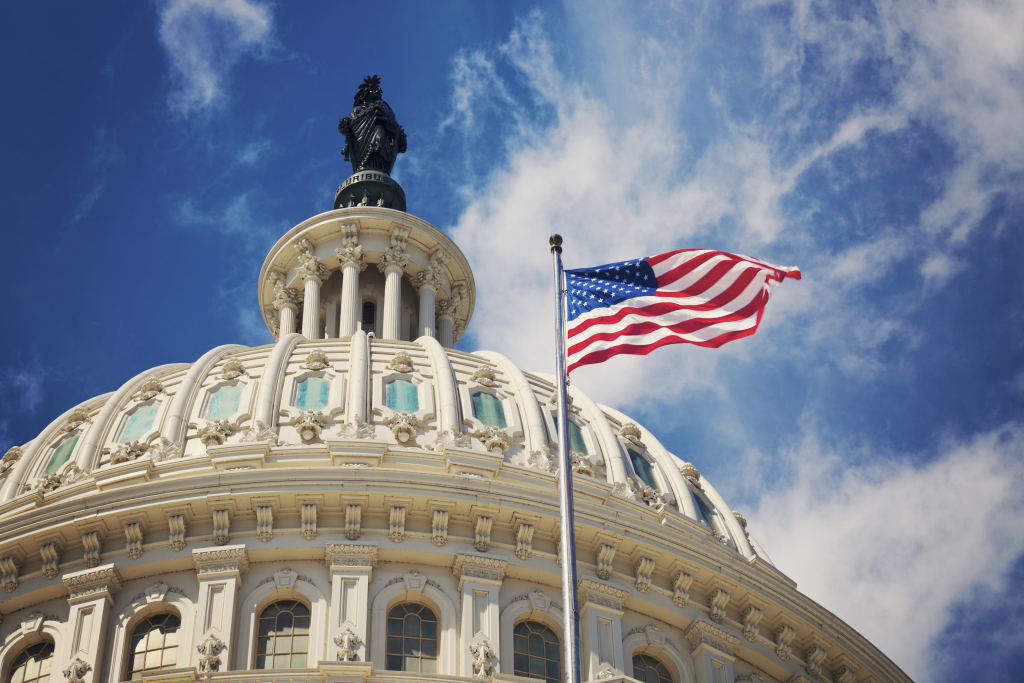
United States Senators Cynthia Lummis and Kirsten Gillibrand are set to reintroduce the Responsible Financial Innovation Act, a piece of legislation aimed at establishing a comprehensive regulatory framework for digital assets.
The bipartisan bill, which had been tabled in the previous session of Congress, will be reintroduced to the Senate on July 12.
The main objective of the Lummis-Gillibrand bill is to provide clarity on the roles of regulatory bodies such as the Securities and Exchange Commission (SEC) and Commodity Futures Trading Commission in overseeing digital assets.
Additionally, the legislation aims to enhance consumer protection measures within the digital asset space.
Originally introduced in June 2022, during a period marked by a significant crypto market crash, the bill seeks to address the aftermath of the market downturn.
It includes updates to the U.S. tax code that would allow the industry to finance its own oversight and implement safeguards to prevent events like the collapse of FTX, a crypto exchange that occurred after the bill’s initial introduction in November 2022.
READ MORE: Cathie Wood’s ARK Invest Takes Profits from Coinbase Holdings
The legislation was prompted by the collapse of Terraform Labs, a South Korea-based firm, which experienced the depegging of its algorithmic stablecoin from the U.S. dollar.
As a response, the bill will require payment stablecoins to be exclusively issued by depository institutions.
Critics of U.S. regulators have argued that there is a lack of clarity in the regulatory environment, which allows firms to operate without fear of enforcement actions.
The Lummis-Gillibrand bill has garnered praise for its bipartisan approach during a time when some elected officials have politicized certain aspects of the crypto space.
While the Responsible Financial Innovation Act represents one option, other legislators in the House of Representatives have proposed alternative legislation to address the regulatory framework for cryptocurrencies.
A discussion draft released in June suggests limiting the SEC’s authority over crypto firms, while the House Financial Services Committee has drafted legislation proposing that the Federal Reserve become the primary regulator responsible for establishing stablecoin requirements.
Overall, the reintroduction of the Responsible Financial Innovation Act reflects ongoing efforts by U.S. lawmakers to develop a comprehensive and balanced regulatory framework for digital assets, with the aim of protecting consumers and promoting innovation within the industry.

Hive Blockchain, a cryptocurrency mining firm based in Vancouver, Canada, has undergone a rebranding process and is now known as Hive Digital Technologies.
The name change aims to highlight the company’s expansion into artificial intelligence (AI) and its evolving focus on revenue opportunities in graphics processing units (GPUs) and cloud computing.
By dropping “blockchain” from its name, Hive seeks to better represent its mission of driving advancements in AI and supporting the new Web3 ecosystem.
The CEO of Hive, Aydin Kilic, emphasized that the company’s GPU Cloud business requires a strategic approach that goes beyond blockchain.
Hive is focused on building infrastructure for emerging digital technologies and intends to leverage its large fleet of GPUs to grow its cloud hosting business.
READ MORE: US Senate Committee Seeks Input on Taxation of Digital Assets
In addition, Hive plans to use its extensive fleet of 38,000 Nvidia GPUs to offer small and medium-sized businesses a more efficient alternative to major cloud service providers.
Kilic expressed confidence in the increasing demand for GPU compute driven by AI and machine learning in the future.
While many crypto mining companies concentrate on mining proof-of-work cryptocurrencies like Bitcoin, Hive stood out by utilizing GPUs to mine Ether, the native cryptocurrency of the Ethereum network, on a large scale.
However, with the completion of the Ethereum Merge in September 2022, which transitioned the Ethereum blockchain to a proof-of-stake consensus mechanism, the profitability of GPU mining for Ether significantly declined.
As a result, Hive has diversified its focus and expanded into AI and other revenue-generating opportunities.
Hive’s rebranding follows a similar move made by another mining company, Riot Blockchain, which changed its name to Riot Platforms on January 3.
Riot’s decision reflected its increasingly diversified business operations beyond the scope of blockchain mining.
The rebranded Hive Digital Technologies is positioning itself to capitalize on the growing demand for GPU compute in AI and machine learning.
By expanding its focus beyond blockchain, Hive aims to leverage its expertise and resources to establish a prominent presence in the evolving digital tech industry and support the development of the new Web3 ecosystem.

Dapper Labs has recently announced its third round of staff layoffs within a span of less than a year.
On July 13, CEO Roham Gharegozlou revealed that the company had to bid farewell to 51 of its talented employees and referred to them as “brilliant colleagues and friends.”
This latest round of cuts affected both full-time staff members and C1 contractors.
Gharegozlou acknowledged the difficulty of this decision, particularly due to the exceptional individuals impacted by it.
However, he emphasized the necessity of the cuts to ensure the company’s efficiency and streamlined operations. Despite the layoffs, Gharegozlou assured that Dapper Labs and its blockchain platform, Flow, remained in a strong financial position.
He expressed confidence in the restructuring, stating that it would enable the company to serve its fans better and foster healthy growth within its communities.
READ MORE: President Xi Jinping Highlights CBDCs and Expansion of SCO
The reduction in staff represents approximately 12% of Dapper Labs’ workforce, according to employee data from Growjo.com.
This downsizing marks the third occurrence in less than a year, following a 22% cut in November 2022 and a 20% reduction in February 2023.
Inquiries were made to Dapper Labs by Cointelegraph for additional comments regarding the layoffs, but a response was not received at the time of publication.
Dapper Labs gained recognition for its development of popular NFT collectibles, including CryptoKitties and NBA Top Shot.
This move to downsize the staff comes amidst a broader decline in NFT markets and trading. In April, Cointelegraph reported on the market’s imbalance, with sellers dominating the scene.
Additionally, many prominent NFT collections experienced substantial decreases in floor prices over the past few months.
Clegainz, a commentator specializing in sports and NFTs, stated that the layoffs were not a surprising development, considering the current state of Web3 and the overall macroeconomic environment.
They further noted that Dapper Labs is not alone in facing these challenges, as numerous other Web3 companies are in similar situations at present.
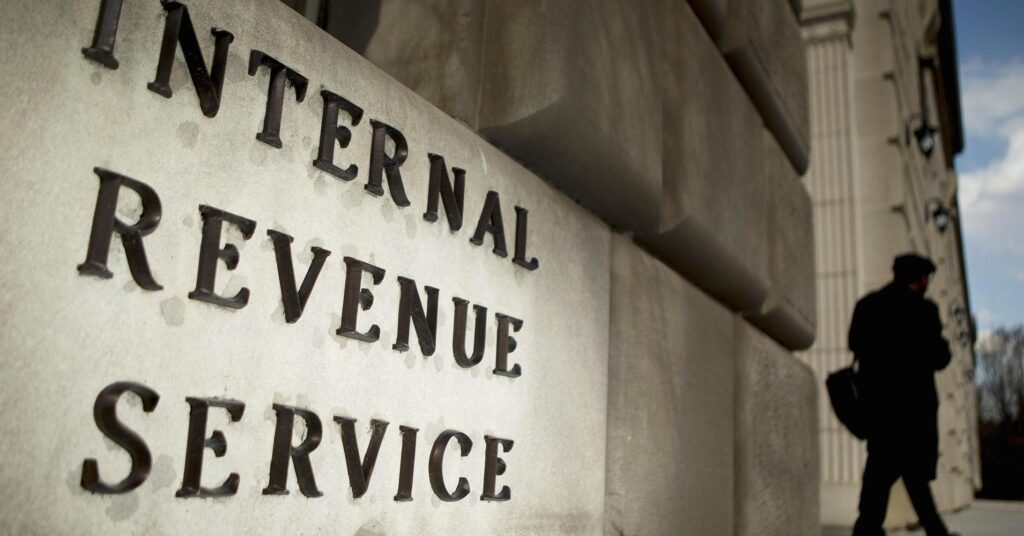
Prosecutors and the Internal Revenue Service (IRS) in the United States are reportedly conducting investigations into wealthy individuals involved in cryptocurrency trading and fund management, suspecting them of illegally benefiting from Puerto Rico’s tax incentives.
Bloomberg’s report on June 12 revealed that civil and criminal cases are being built against hedge fund managers, crypto traders, and other affluent Americans who may have misrepresented their residency and income to exploit the tax breaks.
The investigations extend to attorneys and accountants who promoted Puerto Rico’s tax program, and it is anticipated that at least two criminal investigations will lead to charges in the near future. Charges under scrutiny include conspiracy and wire fraud.
READ MORE: United States Government Accountability Office Publishes Blockchain Report
Attorney Carlos Ortiz shared insights from a conversation with a U.S. federal prosecutor, stating that they are collaborating with IRS agents and Puerto Rico officials. Ortiz summarized the situation by saying, “The message is the noose is tightening.”
Since the implementation of Puerto Rico’s new tax policy in 2012, over 5,000 U.S. individuals have relocated to the territory, attracted by the potential savings in federal income tax.
The tax policy provides a 100% exemption on dividends, a 60% exemption on municipal taxes, and zero federal taxes on income earned within Puerto Rico.
Furthermore, more than 3,600 businesses have enjoyed exemption from taxes on dividends, only paying a 4% tax on exports.
While these tax benefits are among the most lenient globally, the requirements to qualify for them are stringent.
Applicants must prove residency on the island for a minimum of 183 days annually and establish Puerto Rico as their “tax home.”
According to lawyers familiar with the tax regime, the strict eligibility criteria have tempted many individuals to manipulate numbers and engage in fraudulent activities on their tax returns.
Renowned figures such as gold enthusiast Peter Schiff and crypto investor Michael Terpin have relocated to Puerto Rico for tax purposes.
However, Schiff’s bank was recently shut down by Puerto Rican regulators for failing to meet minimum capital requirements.
Speaking at Miami’s annual Bitcoin Conference, Terpin praised Puerto Rico as the only place where one can avoid paying global taxes without relinquishing U.S. citizenship.
Despite the potential scrutiny, Terpin expressed confidence in his meticulous record-keeping and willingness to face an audit.
While wealthy residents laud the tax breaks for attracting top fund managers and entrepreneurs to the island, protests have arisen, claiming that the influx of low-tax “colonizers” has raised living costs.
The tax program remains a subject of contention in Puerto Rico.
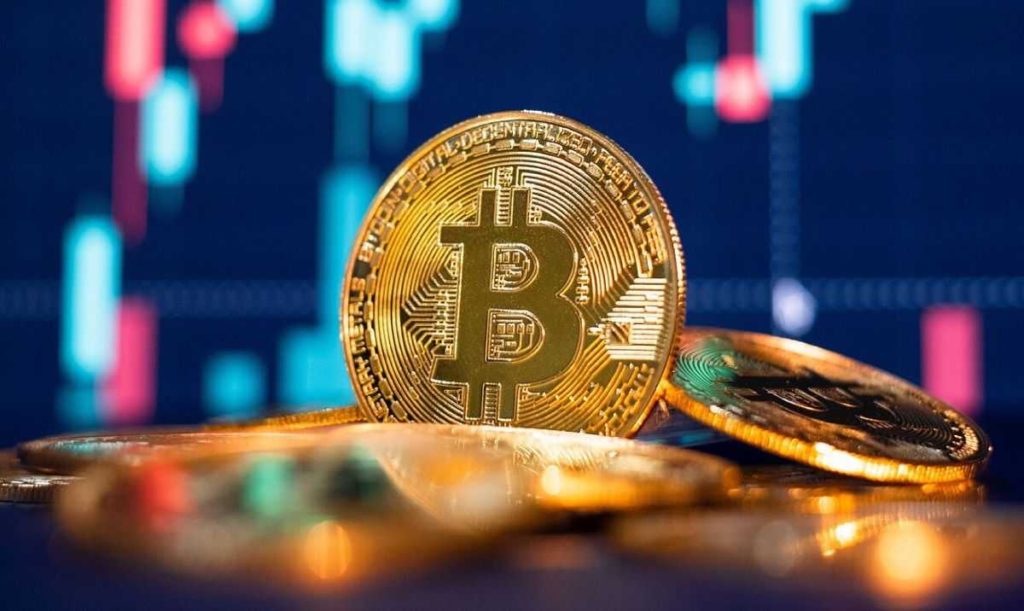
The United States Department of Justice (DOJ) has reportedly conducted a series of transactions involving a cryptocurrency wallet associated with them, moving approximately 9,825.25 Bitcoin worth around $299 million on July 12.
The purpose of these transactions and the current whereabouts of the Bitcoin remain unclear.
Initially, around 9,825 Bitcoin associated with the Silk Road seizure were sent in two transactions to three addresses at approximately 1:00 pm UTC.
The majority of these coins, equivalent to 8,200 BTC worth nearly $250 million, were transferred to a single address.
Subsequently, this address split the total amount across 101 separate addresses a little over an hour later.
READ MORE: United States Government Accountability Office Publishes Blockchain Report
The U.S. government had previously announced its plans to sell the remaining Bitcoin from the Silk Road seizure in four batches throughout the year.
It is speculated that the recent transactions may be part of the government’s liquidity testing strategies. On March 7, 2023, one account involved in the batch transactions reportedly made a profit of $237,934,919 from BTC holdings not associated with the July 12 transactions.
However, another account that received 9,825.6 BTC from the DOJ during the March 7 batch distributed the coins among 101 accounts.
Subsequently, this account, along with 599 others, sent approximately 0.1 BTC (about $3,032) to yet another account, which then divided its holdings of approximately 51 BTC across 37 addresses.
The exact nature and purpose of these transactions have sparked speculation within the crypto community.
With over 800 wallet addresses involved, it has become increasingly challenging to track the U.S. government’s intentions with each coin.
This uncertainty has led some to fear that the Bitcoin market may be negatively impacted or that it could disrupt the ongoing bull run in the cryptocurrency economy, prompting investors to abandon their positions.
However, others dismiss these concerns as unnecessary fear, uncertainty, and doubt.
Despite the significant number of transactions, the market movement of BTC remained relatively stable, with less than 1% change in value over six hours after the transactions were conducted.
As the situation continues to unfold, the crypto community awaits further information regarding the DOJ’s actions and their potential impact on the cryptocurrency market.
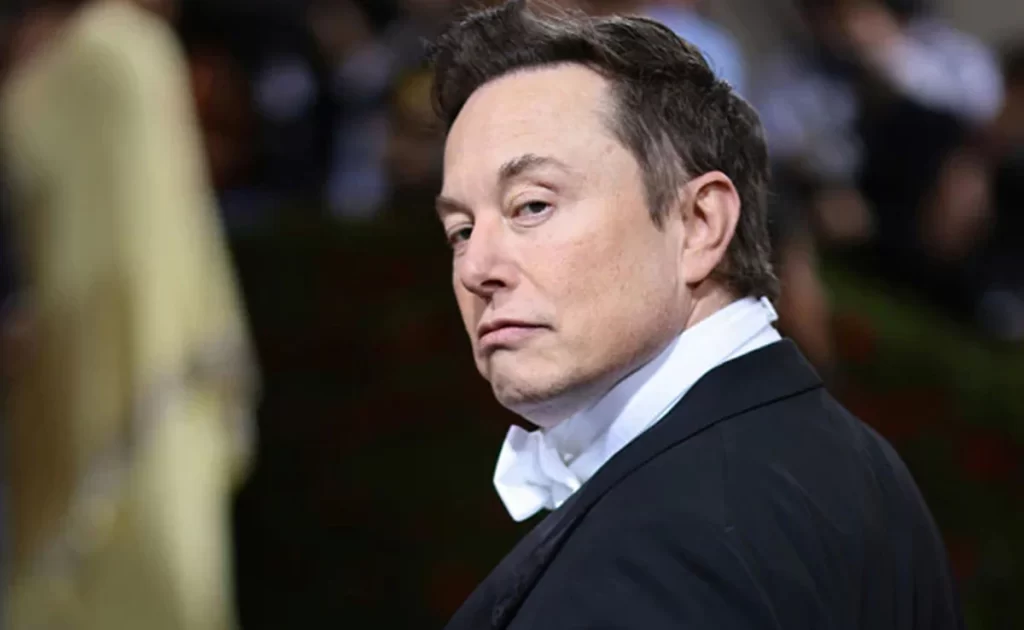
Elon Musk, the prominent American business magnate, has recently launched an innovative company called “xAI” with a bold objective: to comprehend “the true nature of the universe.”
In an announcement made on July 12, xAI revealed its intention to collaborate closely with Twitter, Tesla, and other enterprises under Musk’s ownership to advance its mission.
The company is actively seeking experienced engineers and researchers in the San Francisco Bay area to join its technical team. Notably, Dan Hendrycks, the director of the Center for AI Safety, has been enlisted as an advisor to xAI.
The developers associated with xAI boast an impressive track record, having previously worked at esteemed institutions such as DeepMind, OpenAI, Google Research, Microsoft Research, Tesla, and the University of Toronto.
They have collectively made substantial contributions to the field, including the development of widely utilized methods like the Adam optimizer, Batch Normalization, Layer Normalization, and the discovery of adversarial examples.
READ MORE: President Xi Jinping Highlights CBDCs and Expansion of SCO
Moreover, the xAI team has played a pivotal role in groundbreaking projects such as AlphaStar, AlphaCode, Inception, Minerva, GPT-3.5, and GPT-4. To engage with the public and foster discussion, xAI has scheduled a Twitter Space chat for July 14.
In a previous report by Cointelegraph on April 17, it was revealed that Musk is also working on a competitor to ChatGPT called “TruthGPT.”
This large language model is being developed to explore the “mysteries of the universe.”
Musk claims that TruthGPT aims to counter the perceived “left-wing” bias prevalent in the industry, alleging that ChatGPT is programmed by experts who lean towards the left and, therefore, train the chatbots to deceive.
Musk has been vocal about the need for increased regulatory oversight of artificial intelligence (AI).
On July 6, he expressed concerns that AI technology may eventually surpass human intelligence in all domains.
He also emphasized the transformative impact of AI-powered devices such as autonomous cars and robots, stating that they will bring about profound changes in society.
With the launch of xAI and the ongoing development of TruthGPT, Elon Musk continues to make significant strides in the realms of artificial intelligence and technological innovation.
As these ventures progress, the industry eagerly anticipates the potential breakthroughs and advancements they may bring forth.
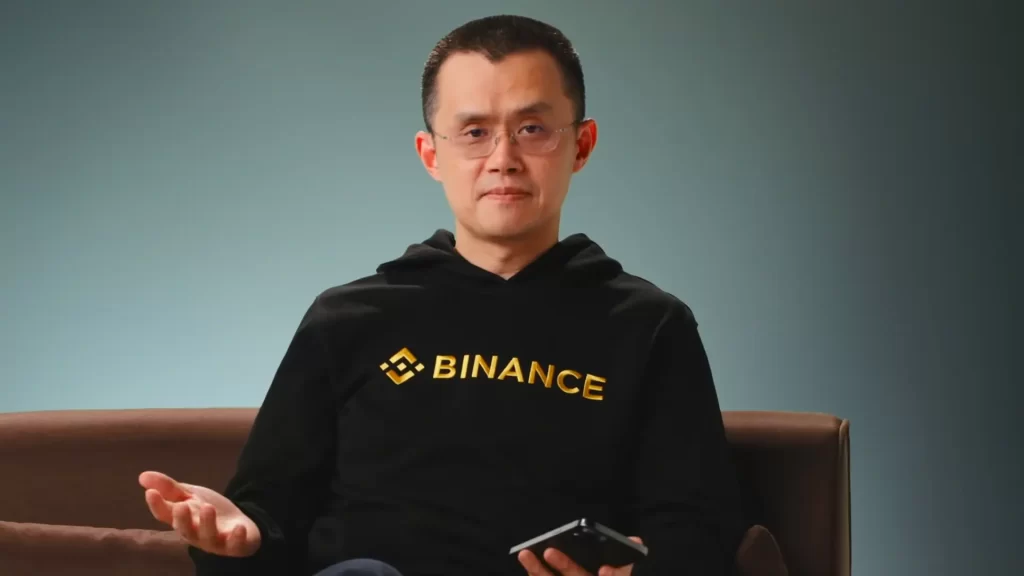
Binance’s BNB Beacon Chain mainnet is gearing up for a critical hard fork, which introduces a novel feature that enables the blockchain to stop new block production under specific conditions.
The impending upgrade, called “ZhangHeng,” is slated to take place at block height 328,088,888, expected to happen on July 19, as revealed in a statement from BNB Chain on July 12.
This significant hard fork will implement the Binance Evolution Proposal BEP-255, aimed at introducing on-chain asset reconciliation.
The addition comes in light of cross-chain bridge exploits such as the BNB Smart Chain breach in October 2022, which Binance believes can be mitigated by this strategy.
READ MORE: President Xi Jinping Highlights CBDCs and Expansion of SCO
Despite security enhancements like BEP171, Binance affirms the need for asset security on the BNB Beacon Chain, especially following bridge exploitation.
The BEP-255 implementation allows tracking of user balance changes per block, and reconciliation to spot potential anomalies.
Binance points out that if any reconciliation errors are detected, block production will cease. This move may affect bridges, deposits, and withdrawals on exchanges but is deemed crucial for the chain and user protection.
Restarting the blockchain will necessitate a hard fork and resolution of the detected reconciliation error. In case of an exploit, the related accounts will need to be corrected or blacklisted.
The blockchain’s resumption will also restore downstream services.
The upcoming hard fork also involves other upgrades, such as fixing a bug that curbs rogue key attacks. Existing vote addresses will be cleared when the hard fork reaches its height, and validators will have to re-add vote addresses.
The update is also designed to enable the chain to handle complex business rules and logic more effectively.
Binance highlights the need for two-thirds of validators to upgrade to software version v0.10.16 prior to the hard fork to avoid complications. Failing to upgrade would prevent full nodes from executing further blocks post-hard fork.
BNB Chain has provided comprehensive instructions for node operators to conform to the hard fork upgrade. BNB token holders using Binance.com, other centralized exchanges, or cold wallets, however, need not take any action presently.
On June 19, BNB Chain introduced opBNB, a new Ethereum Virtual Machine-compatible layer-2 scaling solution based on Optimism’s OP Stack.
Mike Novogratz, founder of Galaxy Digital, believes the United States government and the U.S. Securities and Exchange Commission (SEC) granting approval for a Bitcoin exchange-traded fund (ETF) would serve as a significant endorsement for the cryptocurrency.
Speaking in a recent Bloomberg TV interview, he noted that such approval could catalyze wider adoption as it would offer an easy entry point for many who are still hesitant to invest in cryptocurrencies.
Novogratz highlighted the influx of spot Bitcoin ETF applications before the SEC, including one from the $10 trillion asset manager, BlackRock. “BlackRock, Invesco, and other ETF providers signify a real indicator that adoption is forthcoming,” Novogratz stated.
READ MORE: Cathie Wood’s ARK Invest Takes Profits from Coinbase Holdings
There’s a substantial infrastructure in place for these ETFs.
Proposals from BlackRock, Valkyrie, Invesco, VanEck, WisdomTree, Fidelity, and a joint fund by ARK Invest and 21Shares are awaiting approval. Novogratz anticipates that several, if not all, of these ETFs will likely receive the green light from the SEC.
He stated, “The SEC won’t just approve one; this will lead to these huge sales teams enabling access for people previously without.”
SEC Chair Gary Gensler has asserted that except for Bitcoin, other crypto assets fall under his agency’s jurisdiction, as they typically involve known developers and anticipated profits.
Regarding the likelihood of Galaxy and Invesco’s spot Bitcoin ETF obtaining a listing before the end of the year, Novogratz remained noncommittal.
“The SEC has been notably tough and unyielding on crypto. No significant player has yet made it through the listing process.
We’re engaged in that process, but it’s been lengthy and challenging,” he commented.
Novogratz is also optimistic about Bitcoin’s price trajectory. He predicted a year-end high for Bitcoin, stating that if the peak is breached, the cryptocurrency will enjoy a substantial uptrend.
He concluded, “A shift in the SEC’s stance or an administrative change would probably be needed for meaningful progress in U.S. crypto regulation.”
Singapore, Singapore, July 13th, 2023, Chainwire
Recently, ungrounded allegations are spreading on social media regarding a supposed “decline in assets” at global major exchange Huobi. To prevent panic among users, Huobi has released a necessary response based on data and facts.
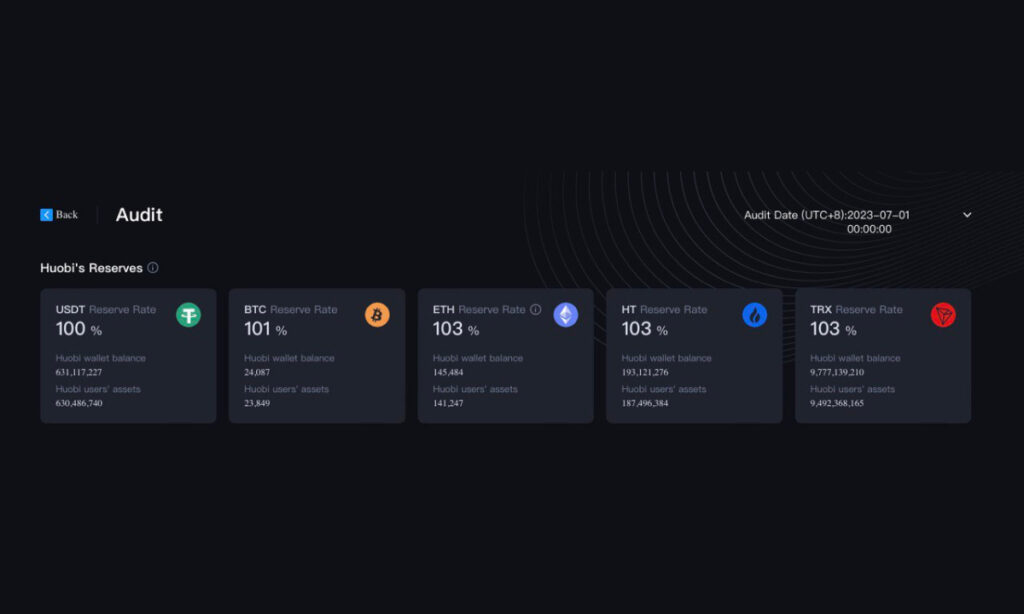
On July 1, the crypto giant published its Merkle Tree-based proof of reserves for July, confirming that the total assets the platform holds in custody for users exceed $3 billion.
Misleading claims stem from outdated data on third-party platform
Since July 6, some social media influencers have posted unsubstantiated claims about “asset decline” at Huobi. In response, the exchange made the following statements:
Those influencers’ claims are based on asset data provided by Glassnode. However, according to professional analysis, the data obtained by Glassnode is inaccurate, with evident gaps and omissions in addresses. This is due to the following reasons:
1. Huobi’s major cold and hot wallet addresses used for asset storage have been changed since the completion of a share transfer on October 8, 2022.
2. Huobi’s assets are distributed across multiple chains, including 400 million USDT on TRON, 6,500 TRC20 BTC, and a portion of ETH used as collateral for ETH validators. However, Glassnode failed to promptly update relevant data based on this information and changes.
Huobi has established contact with Glassnode and requested the necessary data updates.
Huobi has voluntarily disclosed its major addresses since the end of November 2022. Following the collaboration with Nansen, a blockchain analytics platform, Huobi has provided Nansen with the relevant addresses. Furthermore, all address changes whether resulting from the replacement of major shareholders or due to system upgrades have been synchronized with Nansen.
The Huobi assets details displayed on Nansen can be found publicly at: https://portfolio.nansen.ai/dashboard/huobi
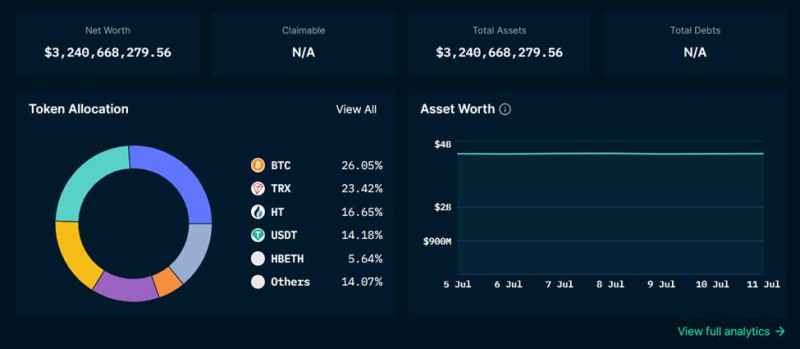
In reality, this steep decline is not caused by any changes in the platform security or user trust. Instead, it can be attributed to Huobi’s withdrawal from certain markets. Therefore, it is important to understand that both the fluctuations in user base and assets are within the realm of normalcy.
Since the beginning of 2023, Huobi has maintained a stable and upward momentum, without experiencing any significant changes.
Pursuit of asset transparency by upholding highest industry standards in safeguarding user assets
As a prominent digital asset exchange, Huobi prioritizes its users and considers the protection of user funds as its primary responsibility. Huobi’s on-chain wallet assets are publicly transparent, and users can verify at any time that their funds have a 1:1 backing of real assets.
Starting in 2023, Huobi updates the Merkle Tree-based proof of reserves every month and publishes it to the public. Currently, Huobi’s on-chain assets ensure permanent 100% redeemability for user assets. Users can view Huobi reserves of BTC, ETH, BETH, TRX, USDT, and HT in detail on the asset audit page of Huobi’s official website, including reserve ratio, Huobi wallet’s assets, and Huobi’s user assets.
The specific asset proof of reserves can be viewed at: https://www.huobi.com/en-us/finance/merkle/.
The assets applicable for Proof of Reserves are BTC, ETH, BETH, USDT, TRX, and HT.
Huobi’s current reserve ratios are as follows:
USDT: 100%
BTC: 101%
ETH+BETH: 103%
HT: 103%
TRX: 103%
In the future, Huobi will continue to publish Merkle Tree PoR to the public and put users first with professional and reliable digital asset trading services in line with high industry standards.
About Huobi
Founded in 2013, Huobi has evolved from a crypto exchange into a comprehensive ecosystem of blockchain businesses that span digital asset trading, financial derivatives, wallets, research, investment, incubation and other areas. Huobi serves millions of users worldwide, with a business presence covering over 160 countries and regions across five continents. Its three development strategies – “global development, technology drives development, and technology for good” underpin its commitment to providing comprehensive services and values to global cryptocurrency enthusiasts.
Contact
Michael Wang
[email protected]