



A former security engineer employed by an international technology firm has been apprehended and accused of exploiting a smart contract bug to steal approximately $9 million in cryptocurrency from a decentralized crypto exchange based on the Solana blockchain.
Damian Williams, the United States Attorney for the Southern District of New York, recently announced the “first-ever criminal case” involving an attack on a decentralized exchange’s smart contract.
According to Williams, Shakeeb Ahmed, the accused individual, utilized his expertise to defraud the exchange and its users, pilfering the substantial sum of cryptocurrency.
The attack transpired in July 2022 and targeted a decentralized exchange operating on the Solana blockchain.
READ MORE: Chinese Government Tightens Regulations on AI Development
The assailant exploited a vulnerability in the exchange’s smart contracts, resulting in the generation of inflated fees through flash loans.
Subsequently, these funds were withdrawn and laundered through intricate transfers on the blockchain, involving the swapping of cryptocurrencies, navigation across various crypto blockchains, and utilization of overseas crypto exchanges.
Although the specific decentralized exchange that fell victim to the attack in July was not disclosed by Williams, previous reports from Cointelegraph unveiled that an unidentified hacker exploited Crema Finance, a Solana-based liquidity protocol, on July 2, 2022, resulting in the theft of $9.6 million in cryptocurrency.
The attacker eventually returned most of the funds but was allowed to retain $1.6 million as a white hat bounty.
Williams stated that Ahmed, in an attempt to evade legal repercussions, returned the majority of the stolen funds, withholding $1.5 million.
However, these actions failed to conceal the defendant’s tracks or deceive law enforcement agencies.
Ahmed was subsequently arrested in New York and now faces charges of wire fraud and money laundering relating to the attack on the Solana-based decentralized exchange in July 2022.
Crema Finance was contacted by Cointelegraph for further clarification but had not responded at the time of reporting.
Commenting on this recent development, Orlando.btc, a lawyer specializing in cryptocurrencies and startups, expressed the belief that such actions could benefit the decentralized finance ecosystem as a whole.
The indictment suggests that the U.S. Department of Justice is prepared to pursue criminal charges against individuals who intentionally exploit protocols in manners inconsistent with their intended use.

The recent surge in filings for spot Bitcoin exchange-traded funds (ETFs) signifies a significant validation for Bitcoin, according to Michael Sonnenshein, the CEO of Grayscale Investments.
Sonnenshein, in an interview on CNBC’s Last Call, dismissed the idea that BlackRock’s entry into the Bitcoin ETF race diminished its appeal.
He emphasized that BlackRock’s involvement adds credibility to the asset class and demonstrates its longevity.
READ MORE: Arkham Introduces World’s First On-Chain Intelligence Exchange Amidst Huge Controversy
Over the past month alone, seven prominent institutional firms, including BlackRock, have submitted applications for spot Bitcoin ETFs in the United States.
If approved, these ETFs would offer both institutional and retail investors in the U.S. a straightforward and compliant avenue to gain exposure to Bitcoin’s price without actually owning the digital currency.
Sonnenshein highlighted the tried and tested nature of the ETF structure, which has facilitated access to various assets like commodities and stocks.
He emphasized that Bitcoin is an enduring asset that investors desire and deserve access to.
Previously, Grayscale provided U.S. investors with an indirect method of gaining exposure to Bitcoin through the Grayscale Bitcoin Trust (GBTC), which allowed trading of shares tied to large Bitcoin holdings.
However, the company intends to convert the GBTC into a spot Bitcoin ETF.
This transition would offer investors a more streamlined way to trade Bitcoin’s price, eliminating the discount to net asset value associated with GBTC.
Sonnenshein described the move to an ETF structure as a crucial development, providing investors with the additional safeguards they seek.
In June 2022, Grayscale filed a lawsuit against the United States Securities and Exchange Commission (SEC) after the rejection of its 2021 application to convert GBTC into an ETF.
Sonnenshein stated that a successful outcome in this legal challenge would unlock billions of dollars in investor capital.
Following BlackRock’s filing for a spot Bitcoin ETF on June 15, the price of Bitcoin surged by over 20%, reaching a year-high of $31,460 on July 6. As of now, it is trading at $30,633.
These developments indicate a growing interest in Bitcoin from institutional players and the potential for increased mainstream adoption through the introduction of regulated ETFs.
Overall, the flood of spot Bitcoin ETF filings represents a moment of validation for Bitcoin as a legitimate asset class, with the potential to broaden its accessibility to investors while providing additional protection and market opportunities.

London, England, July 13th, 2023, Chainwire
Decentralized wireless network operator World Mobile has announced it has secured licensed spectrum in the United States of America. This strategic move marks a significant milestone in the company’s mission to bring reliable and affordable internet access to under-connected areas of the United States.
World Mobile has secured up to 20MHz of spectrum across the states of California, New Mexico, Nevada and Utah, providing a solid foundation for World Mobile’s US expansion plans. The spectrum will play a pivotal role in enabling the company’s decentralized hybrid-connectivity solution, which combines blockchain technology with aerial and terrestrial infrastructure to provide connectivity at a cost multiples lower than traditional mobile network operators.
World Mobile CEO Micky Watkins said: “By securing licensed spectrum, we are signaling our intent to revolutionize the connectivity landscape in the United States. Securing spectrum strengthens our position to deploy our network and support a profitable sharing economy. We believe in harnessing the collective power of individuals and communities to create a more inclusive and connected world.”
World Mobile securing licensed spectrum aligns with the US government’s plan to support connectivity across the country. President Biden recently announced a $42 billion high-speed internet initiative, which aims to expand broadband access to rural and low-income areas, as well as to promote competition and affordability in the market.
The Commerce Department has officially distributed the funding, awarding grants at State level, ranging from roughly $27 million to more than $3.3 billion, based largely on local needs.
World Mobile plans to deploy its service in the US later this year, following a successful commercial launch in Tanzania, and field tests in Kenya, Nigeria and Mozambique. The company has recently been bolstered by the appointment of ex-Softbank India country head and Bharti Airtel CEO, Manoj Kohli, who brings over 40 years’ of telecoms experience to the leadership team.
About World Mobile
World Mobile was founded with a far-reaching goal: to connect everyone, everywhere while advocating for economic freedom and dignity. Unlike traditional mobile networks, World Mobile is based on blockchain and incentivizes people to be part of a sharing economy that taps into the trillion dollar global telecom market. Individuals and business owners around the world can operate nodes on its network and bring their community online while earning revenue.
Learn more: https://worldmobile.io/
Contact
Dan Edelstein
[email protected]
Ripple, the blockchain company currently facing a lawsuit from the United States Securities and Exchange Commission (SEC), may have to wait a little longer for a decisive ruling.
A district court judge in the U.S., Paul Barbadoro, declined to determine whether the secondary sale of LBRY Credits (LBC) qualifies as a security.
On July 11, Judge Barbadoro made his decision in a case brought by the SEC against LBRY, a decentralized content platform.
This ruling could establish legal precedent for Judge Analisa Torres, who will preside over the SEC’s case against Ripple in the coming months.
READ MORE: Bitcoin Attempts Fresh Breakout as Battle for Yearly Highs Intensifies
In his ruling, Barbadoro abstained from taking a position on whether the registration requirement applies to secondary market offerings of LBC.
The secondary market involves trading securities between traders, while the primary market entails direct trading from the issuing company.
John Deaton, a U.S. lawyer representing numerous XRP tokenholders, sought clarification from Barbadoro regarding LBC’s classification as a security.
However, the judge upheld his “judicial restraint” and refrained from providing a definitive answer.
This recent opinion from Barbadoro represents a reversal from his stance during a January appeal hearing, where Deaton successfully argued that the secondary sale of LBC should not be considered a securities offering.
During the appeal hearing, the New Hampshire judge clarified that LBC only qualifies as a security when sold directly.
The SEC also acknowledged that secondary market sales of LBC do not fall under the definition of a security.
Although the SEC obtained a summary judgment in November 2022, it opted to settle for $22 million during the appeal hearing in January.
In May, the SEC revised the amount and requested a reduced fine of $111,000 due to LBRY’s financial struggles.
In the meantime, Jeremy Hogan, a U.S.-based attorney and advocate for Ripple, shared with Cointelegraph that Judge Analisa Torres is expected to deliver her ruling within the next few months.
Hogan anticipates that the broader outcome will be known before the year’s end, unless Ripple achieves a complete victory.
If the details of the ruling are unfavorable, appeals are likely to prolong the legal process.
However, Hogan reassured typical XRP holders that the final outcome would not significantly affect them.

Investment veteran Cathie Wood, known for her pro-Bitcoin stance, has decided to take some profits from ARK Invest’s significant Coinbase holdings.
ARK sold 135,152 Coinbase shares, amounting to $12 million, from its ARK Innovation ETF.
This sale represented 0.14% of the fund’s total holdings.
The move comes as the price of Coinbase stock experienced a sharp increase, briefly surpassing $90 on July 11 before closing at $89.
This is the second time this year that Wood has taken profits from Coinbase shares. In March, ARK sold 160,887 shares for $13.5 million.
However, prior to these profit-taking moves, Wood’s firm had been actively accumulating Coinbase stock in various ARK funds. In June alone, ARK purchased about $40 million worth of shares.
In previous months, they had bought around $33 million in April and May, as well as $117 million in March.
Coinbase executives have also been selling their shares amid the price rally. CEO Brian Armstrong and other senior executives sold a combined total of 88,058 shares worth $6.9 million on July 6. In June, Coinbase’s chief accounting officer, Jennifer Jones, sold 74,375 shares, netting $5.2 million.
Despite facing a securities violation lawsuit from the U.S. Securities and Exchange Commission, Coinbase’s stock has been performing well.
The growth can be attributed to the anticipation surrounding the BlackRock spot Bitcoin ETF filing, where Coinbase was named a “surveillance-sharing” partner.
Overall, Wood’s decision to take profits from Coinbase shares reflects a calculated move to lock in gains.
While the cryptocurrency exchange continues to face legal challenges, its stock price has surged over the past month, increasing by more than 60%.
Wood’s active participation in accumulating Coinbase shares earlier this year indicates her belief in the long-term potential of the company.
As the cryptocurrency market and related investments evolve, market participants will continue to closely monitor the developments surrounding Coinbase and its role in the growing crypto ecosystem.

According to a recent report by the United States Government Accountability Office (GAO), blockchain technology has the potential to enhance oversight of the Small Business Administration’s (SBA) programs.
The GAO explored various applications of blockchain within SBA programs, which aim to support entrepreneurs and small businesses.
The report emphasized several benefits of blockchain, including streamlined annual reporting, secure loan processes, and enhanced monitoring of business development progress.
READ MORE: Arkham Introduces World’s First On-Chain Intelligence Exchange Amidst Huge Controversy
While the SBA has not yet considered implementing blockchain technology, experts cited in the GAO study believe that it could help the agency overcome numerous challenges it currently faces.
These challenges include expediting reporting to Congress by utilizing a blockchain-based ledger, collecting real-time data for determining program participants’ eligibility, and facilitating program oversight.
To assess the potential use and limitations of blockchain adoption, the study focused on four SBA programs.
The report revealed that blockchain could effectively mitigate fraud risks associated with the SBA’s 7(a) Loan Program, the agency’s primary loan guarantee initiative for assisting small businesses.
By storing information about 7(a) loans on a blockchain-based ledger, the characteristics of the loans and borrowers could be verified by trusted sources, thereby enhancing SBA oversight.
However, it should be noted that blockchain technology alone cannot prevent fraud committed by lender service providers.
In addition, the GAO highlighted the 8(a) Business Development Program, which supports small businesses owned and controlled by socially and economically disadvantaged individuals.
Blockchain technology could be utilized in this program to collect real-time data, ensuring the ongoing eligibility of program participants.
The report also identified other potential use cases for blockchain within SBA programs.
For instance, the Disaster Loan Program could leverage blockchain to expedite the application process, while the Small Business Innovation Research (SBIR) and Small Business Technology Transfer (STTR) programs could benefit from improved timeliness in agency reporting.
Overall, the GAO’s findings indicate that blockchain technology has significant potential in enhancing the efficiency, security, and oversight of various SBA programs.
By adopting blockchain solutions, the SBA could address critical challenges and better support entrepreneurs and small business owners across the United States.
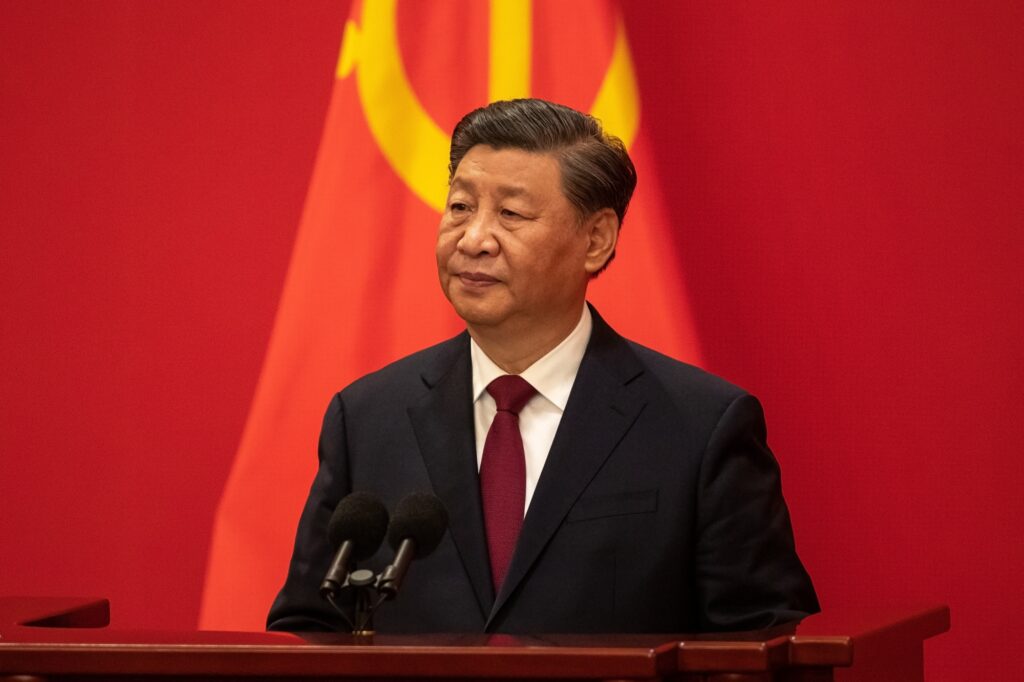
China’s President Xi Jinping addressed the 2023 Shanghai Cooperation Organization (SCO) Summit, and Xinhua News Agency published the transcript of his speech. President Xi welcomed Iran as a full member of the organization and praised Belarus for joining.
He also emphasized the significance of central bank digital currencies (CBDCs) and proposed expanding the use of local currency settlements among SCO countries, promoting sovereign digital currency cooperation, and establishing SCO development banks.
The People’s Bank of China reported in January that there were 13.61 billion digital yuan CBDCs in circulation, although it represented only a small fraction of the monetary supply.
Despite continuous promotion, the digital yuan has faced challenges in gaining widespread adoption.
READ MORE: President Xi Jinping Advocates for CBDC Expansion
In other news, a SIM card linked to the digital yuan CBDC will soon be available to Chinese consumers, according to a report by East Money.
The embedded digital wallet will allow individuals to make payments for phone bills even when their phones have no power.
Hong Kong’s crypto licensing costs have surged to HK$100 million ($12.77 million) since the license’s inception on June 1, as reported by Tencent News.
Obtaining a regulatory license is necessary for crypto exchanges to continue operations in Hong Kong.
Some teams have relocated to Malaysia, citing cost advantages and favorable conditions for crypto projects in Southeast Asia.
Multichain, a Chinese cross-chain bridge protocol, experienced a security breach resulting in the loss of over $126 million in funds.
The protocol’s private keys were compromised, and the stolen assets were transferred to another wallet address.
This incident follows a previous hack in July 2021, and the CEO of Multichain, Zhao Jun, has been missing for nearly two months, with rumors suggesting his arrest by Chinese authorities.
Singapore’s Monetary Authority will require Digital Payment Token (DPT) providers to place clients’ assets in a statutory trust by the end of the year.
Retail investors will be prohibited from accessing crypto lending and staking services, although these services will still be available to institutional and accredited investors.
The MAS aims to enhance investor protection and market integrity in DPT services.
Thai cryptocurrency exchange Bitkub has sold a 9.22% equity stake worth $17.1 million to Asphere Innovations PLC.
Bitkub holds significant assets and customer deposits, along with liabilities, and reported a gross profit in the first quarter of 2023.
It is the largest crypto exchange in Thailand, but its total assets decreased by 64% between December 2021 and December 2022.
South Korean NFT firm Line Next signed an agreement with Japanese video game giant Sega to remake one of Sega’s classic games on its Web3 gaming platform, Game Dosi.
The platform currently offers six titles, allowing players to buy and sell NFT heroes and compete against others.
Sega, known for its iconic franchise Sonic the Hedgehog, is a prominent player in the Japanese video game industry.
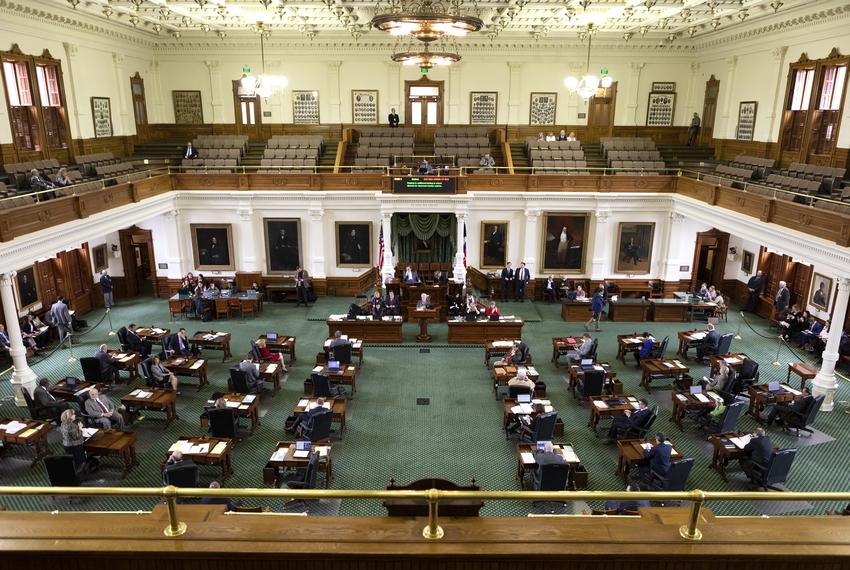
On July 11, the United States Senate Financial Services Committee Chair Ron Wyden and ranking member Mike Crapo reached out to the digital asset community through an open letter, seeking input on the taxation of digital assets.
Recognizing the highly complex nature of this issue, the senators provided background reading from the Joint Committee on Taxation to assist respondents in formulating their answers.
The senators acknowledged that the Internal Revenue Code of 1986 does not offer a straightforward classification for digital assets.
As a result, they posed a series of questions covering nine subject areas to gain a deeper understanding of the challenges surrounding the taxation of digital assets.
READ MORE: Chinese Government Tightens Regulations on AI Development
They explained that the Committee on Finance had initiated a bipartisan effort to identify key questions at the intersection of digital assets and tax law.
The letter explored various topics, including fair value (mark-to-market) accounting, the trading safe harbor to encourage foreign investment, digital asset loans, wash sales, constructive sales (related to short-selling), income from staking and mining, “nonfunctional currency,” reporting by foreign firms, and valuation and substantiation on an exchange.
Throughout the letter, specific sections of the tax code were referenced to provide context for the questions.
While the Internal Revenue Service (IRS) has primarily focused on combating criminal activities related to cryptocurrencies, it has also begun taking a more proactive approach to income taxation.
Earlier this year, the IRS proudly announced that it had seized a total of $10 billion in crypto as part of its law enforcement efforts.
In a recent case, the IRS demonstrated its increased emphasis on income taxation by issuing a summons to the crypto exchange Kraken in 2021.
The summons demanded user information on all transactions exceeding $20,000. On June 30, the District Court for the Northern District of California ordered Kraken to comply with the IRS’s request.
Interested parties have until September 8 to respond to the Senate committee’s letter, providing their insights and perspectives on the taxation of digital assets.
This outreach demonstrates the senators’ commitment to understanding the complexities involved and seeking input from the digital asset community to shape future tax policies.
The recent criticism faced by Arkham, the startup behind the blockchain intelligence platform, revolves around its new platform called “Intel Exchange.”
The platform rewards users with its ARKM token for identifying anonymous blockchain addresses, with the goal of unmasking scammers and hackers in the cryptocurrency space.
However, it has been branded as a “snitch-to-earn” system by critics on Crypto Twitter.
READ MORE: Arkham Introduces World’s First On-Chain Intelligence Exchange Amidst Huge Controversy
In response to the backlash, Miguel Morel, the CEO of Arkham, defended the platform during a Twitter Space session held on July 11.
Morel clarified that the platform is not intended to be a completely unrestricted marketplace and emphasized that there are restrictions and guidelines in place.
He highlighted the inadequacy of publicly available blockchains in maintaining the confidentiality of private information, emphasizing that Arkham would retain control of the data.
According to Morel, the primary aim of Arkham’s Intel Exchange is to reveal the identities of trading firms, market makers, large institutions, and exchanges.
He argued that these entities often benefit from having knowledge of who is buying and selling large positions of specific tokens.
To address concerns about potential abuse and false accusations, Morel assured listeners that the platform would be carefully regulated.
He stated that every bounty would need to be approved, making it more regulated than social media platforms like Twitter or Facebook.
However, TV host Ran Neuner expressed reservations, particularly regarding Arkham’s management of user data.
This concern comes in the wake of a recent controversy involving Arkham’s weblink referrals program, which inadvertently exposed user emails through identifiable strings of characters in referral links, revealing the referring email address.
This incident has raised further questions about the company’s data management practices and data security.
Overall, Arkham’s CEO Miguel Morel has dismissed the accusations of the Intel Exchange platform being a “snitch-to-earn” system, emphasizing its purpose of unmasking scammers and providing transparency in the cryptocurrency space.
Nevertheless, concerns regarding data management and security have added to the criticism and scrutiny faced by the startup.

In a recent blog post, blockchain security and analytics firm Chainalysis suggested that the multimillion-dollar exploit of the cross-chain bridge protocol Multichain may have been an internal rug pull.
The unauthorized withdrawals, which occurred on July 6, 2023, have led to a loss of over $125 million.
According to Chainalysis, the exploit could have been carried out by insiders who had compromised administrator keys.
READ MORE: Hacker Exploits Code Vulnerability, Drains $455,000 from Arcadia Finance
This possibility has also been previously suggested by blockchain security firm SlowMist. In response to queries from Cointelegraph, Chainalysis confirmed that they consider the incident a potential rug pull.
Multichain employs a multiparty computation (MPC) system in its smart contracts, similar to a multisignature wallet.
Chainalysis explained that it is possible the attacker gained control of Multichain’s MPC keys to execute the exploit.
While it is conceivable that external hackers obtained these keys, some security experts and analysts believe the exploit could be an inside job due to recent issues experienced by Multichain.
One prominent internal issue highlighted by Chainalysis was the disappearance of Multichain’s CEO, known as “Zhaojun,” in late May.
Additionally, the platform encountered delayed transactions and other technical problems that led Binance to withdraw support for several bridged tokens on July 7.
Attempts to reach out to Multichain for comment on these claims have been unsuccessful at the time of publication.
In the midst of these developments, blockchain investigators have noticed further suspicious movements of Multichain tokens in the past few hours.
These abnormal outflows included the draining of token addresses across multiple chains by the Multichain executor address.
Furthermore, stablecoin issuers Circle and Tether took action on July 8 by freezing over $65 million in assets associated with the Multichain exploit.
Chainalysis found it intriguing that the exploiter did not convert these assets into centrally controlled ones like USDC, which can be frozen by the issuing company.
As the investigation into the Multichain exploit continues, it is becoming increasingly likely that the incident was an inside job or rug pull.
The repercussions of this exploit have resulted in substantial financial losses and raised concerns about the security and integrity of the protocol.