
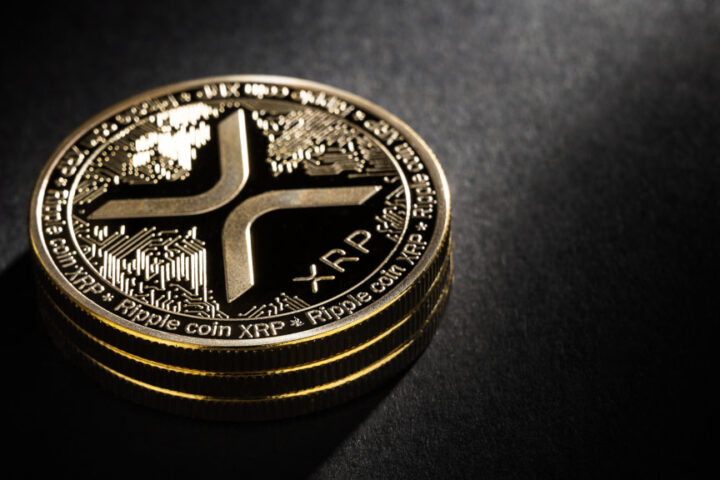

Ripple Labs’ recent victory against the U.S. Securities and Exchange Commission (SEC) has been seen as a blow to the regulator’s efforts to regulate the crypto industry.
However, experts caution that this ruling may not be a definitive victory for the industry as a whole.
In a groundbreaking decision on July 13, U.S. district court Judge Analisa Torres ruled that XRP, Ripple’s cryptocurrency, is not a security when sold to the general public.
This ruling was met with excitement from XRP tokenholders and led to a significant surge in the token’s price.
Industry leaders, including those from crypto exchanges Coinbase and Binance, hailed the decision as a positive development for their ongoing lawsuits.
Luke Martin, the founder of crypto investment firm Venture Coinist, believes that this ruling deals a substantial blow to the SEC and its Chair, Gary Gensler.
He sees it as a positive sign for the industry and its fight against allegations of offering unregistered securities.
While many celebrated the ruling, several digital asset lawyers urge caution.
READ MORE: Elon Musk Launches xAI: A New Venture to Unravel the Mysteries of the Universe
They highlight that the summary judgment is only partial and does not establish a binding precedent.
It may serve as persuasive commentary for future courts but does not guarantee consistent rulings.
Furthermore, there is a possibility that the SEC may appeal the decision, and a higher court could overturn the ruling made by Judge Torres.
Despite these warnings, some experts believe that the SEC may face challenges if it decides to appeal.
Justin Slaughter, Paradigm policy director and former SEC adviser, suggests that the Supreme Court has recently been critical of government agencies and may not miss the opportunity to scrutinize the SEC’s actions.
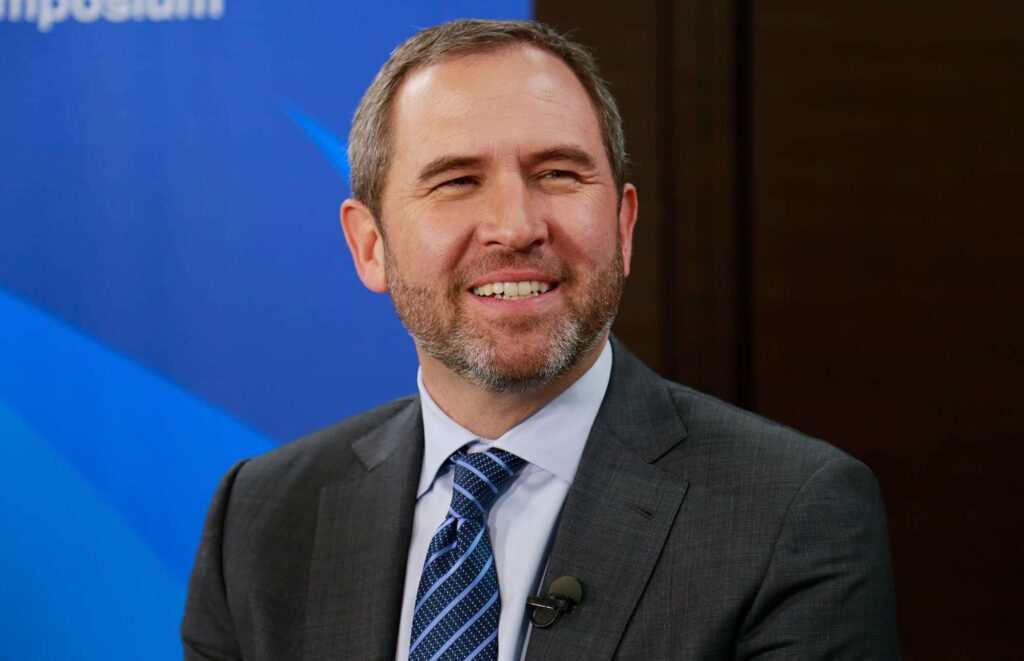
Ripple still faces the SEC’s claim that its CEO, Brad Garlinghouse, and co-founder, Chris Larsen, “aided and abetted” the institutional sale of XRP.
The SEC alleges that $728 million worth of XRP was sold through institutional sales. This claim was set aside by Judge Torres and will likely be contested at trial.
In conclusion, while Ripple’s victory in the XRP case is seen as a setback for the SEC’s regulatory efforts, it is not a definitive win for the entire crypto industry.
The ruling may be subject to appeal, and future courts may not necessarily follow Judge Torres’ decision.
The legal battle between Ripple and the SEC is far from over, and there are still significant challenges to overcome.
Other Stories:
United States DoJ Moves $299 Million Worth of Bitcoin in Recent Transactions
Bitcoin ETF Approval Could Act as Government’s ‘Seal of Approval’

OpenAI, the creator of the AI chatbot ChatGPT and other related products, has reportedly received a criminal investigative demand (CID) from the Federal Trade Commission (FTC) of the United States, as reported by The Washington Post on July 13. A CID is akin to a subpoena, requiring the recipient to comply with the information requests.
The FTC is initiating an investigation into OpenAI’s potential use of “unfair or deceptive privacy or data security practices” and “unfair or deceptive practices relating to risks of harm to consumers, including reputational harm.”
The CID suggests that the agency is also contemplating the imposition of a monetary penalty if the alleged practices are deemed to be against the public interest.
The 20-page document contains 49 detailed questions and requests 17 categories of documents for the investigation.
READ MORE: Elon Musk Launches xAI: A New Venture to Unravel the Mysteries of the Universe
OpenAI has been given a 14-day deadline to contact an FTC counsel to discuss how it intends to address the demands put forth by the agency.
Among the inquiries posed by the FTC in the CID are questions regarding the specific large language models used in OpenAI’s products, their application, training methodologies, and mechanisms to ensure accuracy.
The document also touches on advertising policies, risk assessments, personal information collection and protection, determination of “public figure” status, and procedures for handling feedback and complaints.
The introduction of Microsoft-backed ChatGPT on November 30 caused significant ripples in the IT industry.
Its powerful capabilities prompted concerns about potential implications, and competitors hurried to keep up with the technology.
Unsurprisingly, this triggered a wave of investigations in numerous countries. A letter signed by 2,600 tech figures, including Elon Musk and Steve Wozniak, called for a moratorium on AI development.
OpenAI CEO Sam Altman also testified on AI safety before the United States Senate.
OpenAI has additionally faced legal challenges. In June, a class action lawsuit was filed in the Northern California District Court, accusing the company of unauthorized scraping of personal data from the internet.
Furthermore, popular authors Mona Awad and Paul Tremblay filed a copyright infringement suit against OpenAI, and comedian Sarah Silverman, along with two other authors, sued OpenAI and Meta the following month, alleging the use of illegal “shadow libraries” in training their AI.
It remains to be seen how OpenAI will navigate these investigations and legal proceedings, which have significant implications for the company and the broader AI industry.
Other Stories:
Bitcoin ETF Approval Could Act as Government’s ‘Seal of Approval’
United States DoJ Moves $299 Million Worth of Bitcoin in Recent Transactions

Worldcoin’s World ID project, which aims to provide a global digital identification protocol, has experienced significant success with over two million users signing up for the program.
Surpassing the first million mark in less than half the time, World ID is gaining traction in its beta testing phase.
The primary goal of World ID is to offer a digital passport stored on users’ mobile devices, enabling them to validate their identity while safeguarding their privacy through zero-knowledge proofs.
To enroll in the World ID program and obtain a digital passport, individuals are required to visit an “orb” where they scan one of their irises.
This process generates a unique identifier called “IrisHash,” which verifies their distinctiveness.
READ MORE: United States DoJ Moves $299 Million Worth of Bitcoin in Recent Transactions
Users who successfully upload their sensitive biometric data are rewarded with Worldcoin, the project’s native cryptocurrency.
Worldcoin attributes the surge in sign-ups to its recent multicity tour across Barcelona, Berlin, and Tokyo. During the tour, an average of 40,000 new verified World ID members were added each week.
The project anticipates that the availability of the five-pound, chrome eye-scanning devices, known as “Orbs,” will expand globally in the coming months due to increased demand.
Moreover, Worldcoin highlights the growing adoption of the World ID protocol by various apps and services. Notably, Okta’s Auth0 and Talent Protocol have integrated World ID and Worldcoin into their respective onboarding procedures.
On May 8, Worldcoin introduced the World App, a gas-free crypto wallet designed for verified individuals, compatible with Android and iOS operating systems.
Shortly thereafter, on May 25, the project secured $115 million in a Series C funding round to support the widespread implementation of its World ID program.
Worldcoin’s World ID project has successfully garnered substantial interest, as demonstrated by the significant number of users signing up for the program.
With the integration of the World ID protocol into various platforms and the development of the World App, Worldcoin is poised to continue expanding its influence and establishing itself as a prominent player in the digital identification and cryptocurrency space.
Other Stories:
Bitcoin ETF Approval Could Act as Government’s ‘Seal of Approval’
Elon Musk Launches xAI: A New Venture to Unravel the Mysteries of the Universe

Monochrome Asset Management, a crypto investment firm based in Australia, has made an update to its application, aiming to introduce a spot Bitcoin exchange-traded fund (ETF) on the Australian Securities Exchange (ASX) in collaboration with Vasco Trustees.
The newly proposed ETF, called the Monochrome Bitcoin ETF, will provide direct exposure to Bitcoin and Ether (ETH) for retail investors in Australia, as stated in the company’s announcement on July 14.
Monochrome CEO Jeff Yew explained in an interview with Cointelegraph that the Bitcoin ETF would allow Australian retail investors to engage with Bitcoin in a regulated environment, offering them the freedom to utilize this asset class as they see fit while operating within the established regulatory framework.
Yew emphasized the advantage of investor protection that comes with a regulated ETF, in contrast to unregulated exchanges where such safeguards may be lacking.
Yew further expressed his belief that the introduction of a Bitcoin ETF on the ASX would convey a significant message to traditional investors, signaling the end of the unregulated “Wild West” phase.
The ETF’s existence would assure investors of a familiar, structured, and protected environment, enhancing their confidence in the crypto market.
READ MORE: Bitcoin ETF Approval Could Act as Government’s ‘Seal of Approval’
Vasco, Monochrome’s “Responsible Entity Partner,” holds the necessary authorization under an Australian Financial Services Licence to offer regulated exposure to cryptocurrencies to retail investors, as outlined by the company.
Spot Bitcoin ETF applications have garnered considerable attention in the industry recently, particularly in the United States.
Over the past few weeks, major financial firms such as Fidelity, Invesco, Wisdom Tree, Valkyrie, and the $10 trillion asset management giant BlackRock have all submitted filings for spot Bitcoin ETFs, indicating growing interest in providing regulated exposure to digital assets.
The introduction of a Bitcoin ETF on the ASX through Monochrome Asset Management’s application update marks a significant step toward facilitating mainstream adoption and regulatory acceptance of cryptocurrencies in Australia.
Other Stories:
United States DoJ Moves $299 Million Worth of Bitcoin in Recent Transactions
Elon Musk Launches xAI: A New Venture to Unravel the Mysteries of the Universe
Binance’s BNB Beacon Chain Set to Halt New Block Production in Upcoming Hard Fork for Enhanced
Ripple’s XRP cryptocurrency has experienced a significant surge, becoming the fourth largest cryptocurrency by market capitalization.
This came after Ripple Labs achieved a partial victory over the Securities and Exchange Commission (SEC) on July 13.
Following the court ruling, XRP’s market cap skyrocketed by an impressive $21.2 billion, reaching a new yearly high of $46.1 billion.
This surge propelled XRP from the seventh position to surpass Circle’s USD Coin (USDC) and Binance’s BNB token, securing its place as the fourth largest cryptocurrency.
However, as of now, Ripple’s market capitalization has settled at $42.5 billion.
The substantial growth in Ripple’s market capitalization can be attributed to the favorable court ruling. The District Court for the Southern District of New York determined that the sale and offer of XRP on digital asset exchanges did not constitute the sale of investment contracts.
This legal case involved Ripple Labs and the SEC.
READ MORE: Elon Musk Launches xAI: A New Venture to Unravel the Mysteries of the Universe
Simultaneously, the price of XRP experienced a sharp increase of up to 98% immediately following the court decision, with prices reaching as high as $0.93 according to TradingView data.
The sudden surge in demand for XRP was so intense that it caused disruptions for Uphold, a U.S.-based cryptocurrency exchange.
Uphold faced technical difficulties and went down temporarily due to an unprecedented spike in trading volume.
Uphold was among the few larger U.S. exchanges that continued to offer XRP sales, as others chose to delist the cryptocurrency.
In response to the court ruling, major U.S. exchanges such as Coinbase, Kraken, and iTrustCapital have initiated the process of re-listing XRP, allowing users to trade the cryptocurrency on their platforms.
Additionally, Gemini, a crypto exchange owned by the Winklevoss twins, has hinted at relisting XRP in the near future.
Overall, Ripple’s XRP has experienced a significant boost in market capitalization and price following the recent court ruling in its favor.
This outcome has not only solidified its position as the fourth largest cryptocurrency but has also prompted a renewed interest from prominent U.S. exchanges to list XRP on their platforms.
Other Stories:
United States DoJ Moves $299 Million Worth of Bitcoin in Recent Transactions
Bitcoin ETF Approval Could Act as Government’s ‘Seal of Approval’
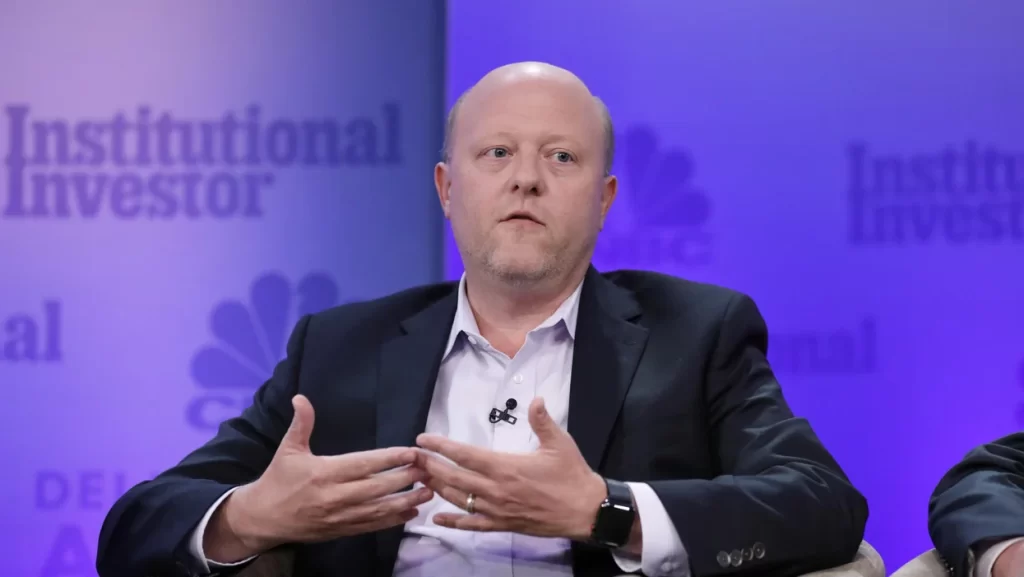
Circle’s CEO, Jeremy Allaire, has issued a warning that the United States dollar’s status as a global reserve currency could be in jeopardy if Congress fails to swiftly regulate stablecoins.
In a brief video released by Circle on July 13, Allaire directed his message towards lawmakers, emphasizing the need for action.
This plea coincides with the reintroduction of bipartisan legislation specifically focused on digital assets to Congress on July 12.
Originally proposed in June 2022, the bill was temporarily shelved but has now resurfaced.
Allaire drew attention to the escalating competition posed by foreign digital currencies, asserting that the dollar’s dominance is at stake.
Allaire went on to raise a pivotal question: Will global commerce transpire in digital dollars, digital euros, or digital yuan? He further speculated that China could leverage stablecoins to boost the adoption and utilization of the yuan.
Consequently, he urged the United States to make a choice—either assert the dollar as the bedrock of online currency or relinquish that role to other nations.
READ MORE: United States DoJ Moves $299 Million Worth of Bitcoin in Recent Transactions
To maintain the dollar’s position as the world’s reserve currency and to continue leading the global economy in the years ahead, Allaire contended that immediate steps must be taken to instill trust in digital dollars and regulate stablecoins.
Allaire argued that cryptocurrencies will fundamentally revolutionize payment methods, citing the inefficiencies of traditional financial transactions that take days to process and accumulate substantial fees, which he likened to a trillion-dollar burden on the global economy.
Allaire found support in Mike Novogratz, the founder of crypto investment firm Galaxy Digital.
Novogratz posed a rhetorical question to his Twitter followers on July 13, inquiring whether they would prefer owning a stablecoin that offers higher interest rates over a bank that resembles a hedge fund.
Novogratz unequivocally expressed his hope that U.S. lawmakers would endorse the development of well-regulated stablecoins rather than impede their progress.
In conclusion, Circle’s CEO, Jeremy Allaire, and crypto advocate Mike Novogratz have urged Congress to expedite the regulation of stablecoins to safeguard the United States dollar’s supremacy as a global reserve currency.
The growing influence of foreign digital currencies and the transformative potential of cryptocurrencies necessitate proactive measures to foster trust and ensure the dollar’s continued prominence in the digital era.
OTHER STORIES:
Elon Musk Launches xAI: A New Venture to Unravel the Mysteries of the Universe
Bitcoin ETF Approval Could Act as Government’s ‘Seal of Approval’

The European Securities and Markets Authority (ESMA), the regulatory body for financial markets in the European Union, has released a consultative paper on Markets in Crypto-Assets (MiCA) mandates.
This paper, which is the first of three consultative packages, focuses on the technical specifications for crypto asset service providers (CASPs).
Under MiCA, entities that are already licensed are presumed to be capable of providing crypto-asset services.
However, they will be required to provide additional information to the national competent authorities (NCAs) of their respective countries through notifications.
The consultative paper seeks feedback on regulatory and technical standards for these notifications from CASPs.
ESMA is also seeking feedback on regulatory and technical standards related to CASP authorization applications, handling complaints, managing and preventing conflicts of interest, and disclosures to NCAs by entities planning to acquire shares in a CASP.
READ MORE: US Senate Committee Seeks Input on Taxation of Digital Assets
Interested stakeholders and market participants have until September 20 to respond to the consultative paper.
ESMA plans to submit a draft of the finalized standards to the European Commission by June 30, 2024, as mandated by MiCA.
The second consultative package will be released in October, followed by the third in the first quarter of 2024, aligning with the deadlines set for ESMA in MiCA.
In addition to specific feedback, ESMA has posed four general questions to respondents.
These questions aim to gather more insight into the current and planned activities of market participants and their expectations for the future development of the EU crypto-asset markets.
The questions cover topics such as expected turnover, the number of white papers respondents plan to publish, and their utilization of on-chain and off-chain trading.
MiCA, approved by the European Parliament on April 20, will be implemented in three stages between 2024 and 2025.
It represents a comprehensive regulatory framework for crypto assets within the European Union. The consultation process conducted by ESMA is an important step in shaping the technical standards and guidelines that will govern the operation of CASPs under MiCA.
In a significant court ruling, Ripple Labs emerged victorious as the United States District Court for the Southern District of New York declared that XRP, the digital token associated with Ripple, is not a security.
This decision has reignited the excitement and enthusiasm surrounding the Ripple ecosystem. However, with the surge in XRP’s value, Ripple’s Chief Technology Officer, David Schwartz, felt compelled to issue a warning to potential investors.
The legal battle between Ripple and the United States Securities and Exchange Commission, which had been ongoing for two years, took a notable turn on July 13.
The court’s ruling, which removed the “security” label from XRP, had an immediate impact on the token’s market price.
Within a single day, XRP experienced a remarkable rally, surging over 70% and elevating its value from $0.47 to $0.82.
READ MORE: Elon Musk Launches xAI: A New Venture to Unravel the Mysteries of the Universe
This spike represents the most significant price increase for XRP in the past year.
Such hype surrounding cryptocurrencies and crypto ecosystems often attracts the attention of scammers seeking to exploit unsuspecting investors.
Schwartz, therefore, took to Twitter to caution against the surge in XRP-related scams.
He emphasized that there were no airdrops, giveaways, or special offers associated with the recent court ruling.
Due to Ripple’s widespread popularity and growing community, scammers frequently mimic the official Ripple website to promote fraudulent giveaways and airdrops.
Their intention is to deceive victims and gain access to their crypto wallets, enabling them to steal funds either immediately or at a later time.
In a related incident back in April 2023, a prominent YouTube creator, DidYouKnowGaming, faced a hacking attack that resulted in the promotion of XRP scams on their channel.
The hackers were able to exploit YouTube’s platform and gain control over the account, which had approximately 2.4 million subscribers.
Fortunately, with swift action from YouTube, the channel owner regained access and recovered the deleted videos.
However, the precise method employed by the hackers to breach YouTube’s security remains unknown.
As the court ruling on XRP’s security status brings renewed attention and value to the token, it is crucial for investors to remain vigilant and exercise caution.
The cryptocurrency ecosystem has unfortunately become a target for scammers seeking to take advantage of unsuspecting individuals.
It is essential to verify the authenticity of any promotional offers and be wary of suspicious activities to ensure the safety of one’s investments.
Other Stories:
United States DoJ Moves $299 Million Worth of Bitcoin in Recent Transactions
Bitcoin ETF Approval Could Act as Government’s ‘Seal of Approval’
PwC recently published its fifth annual global crypto hedge fund report on July 12, which was based on surveys conducted in the first quarter of 2023 among both crypto-native and traditional hedge funds.
Despite the recent crypto winter and ongoing regulatory uncertainties, the report revealed a predominantly positive outlook among the funds.
According to the report, crypto-native hedge funds are actively working towards rebuilding confidence and ensuring their needs are heard.
An overwhelming majority of these funds (93%) expect the market cap to rise over the course of the year. Interestingly, more than half of them (53%) reported no exposure to FTX or the Terra Luna ecosystem.
The report also highlighted that most of the funds performed better than the price of Bitcoin (BTC), which stood at $30,553 in 2022.
This finding emphasizes the popularity of crypto hedge funds as investment vehicles for those seeking exposure to the crypto-asset market.

READ MORE: US Senate Committee Seeks Input on Taxation of Digital Assets
While over half of the funds (54%) operate in the United States, they did not respond differently from others to U.S. regulations. In fact, 42% of these funds stated that they do not expect the regulations to impact them significantly.
The report further revealed that the funds expressed a desire for trading venues to implement certain requirements, including asset segregation (75%), financial audits (62%), and an independent statement of reserve assets (60%).
The report also shed light on the limited impact of tokenization within the sector. Only 15% of the surveyed funds are considering investments in tokenized securities, and merely 4% tokenize units within their own funds.
Regarding traditional hedge funds, the proportion investing in crypto decreased from 37% in 2022 to 29% in 2023.
Among those still investing in crypto, 62% allocate less than 5% of their assets under management to the crypto market, while only 8% hold more than 20% in crypto.
The survey found that 46% of these funds plan to increase their crypto investments this year, a decline from 67% in the previous year. Notably, none of the respondents mentioned a decrease in their capital deployed in crypto.
For traditional funds that do not invest in crypto, “client reaction or reputational risk” has become the primary reason, surpassing “regulatory uncertainty.”
Moreover, 40% of these funds stated that the removal of regulatory barriers would not motivate them to begin investing in crypto.
The survey was conducted in collaboration with CoinShares, an alternative asset manager, with 131 crypto-native funds participating. Data from 59 traditional hedge funds was obtained by the Alternative Investment Management Association.

The CEO of Digitex, Adam Todd, has been ordered by a United States federal court to pay approximately $16 million in disgorgement and penalties as a result of a case brought by the Commodity Futures Trading Commission (CFTC).
In a recent announcement on June 12, the CFTC stated that a judge in the U.S. District Court for the Southern District of Florida issued a default judgment against Todd and several affiliated companies, namely Digitex LLC, Digitex Limited, Digitex Software Limited, and Blockster Holdings Limited Corporation.
The judgment was made due to their failure to register with the CFTC and their involvement in manipulating the price of the DGTX token.
As part of the judgment, Todd and the four companies are prohibited from participating in any CFTC-regulated markets.
Additionally, they are required to pay $3,912,220 in disgorgement and a civil monetary penalty amounting to $11,736,660.
READ MORE: Cathie Wood’s ARK Invest Takes Profits from Coinbase Holdings
Ian McGinley, the enforcement director of the CFTC, emphasized the commitment of the organization to ensuring the lawful registration of entities and addressing the manipulation of commodities in interstate commerce.
He stated, “Regardless of the technology used, the CFTC will aggressively use its well-established authority to ensure entities are lawfully registered and to address the manipulation of commodities in interstate commerce.”
According to McGinley, Todd allegedly employed a computerized bot to artificially inflate the price of DGTX. In 2020, Todd deployed this bot on third-party exchanges, resulting in the purchase of a larger quantity of the token than what was sold.
The charges against Todd and Digitex were filed by the commission in September 2022.
It is important to note that the $16 million order and any additional financial penalties imposed may not necessarily lead to repayment to Digitex users.
The CFTC, along with the U.S. Securities and Exchange Commission (SEC), is currently engaged in multiple civil suits against cryptocurrency firms and their executives for failing to comply with regulatory guidelines.
Among these cases are allegations against Binance, a popular cryptocurrency exchange, and civil charges against Sam Bankman-Fried, the former CEO of FTX.
The regulatory bodies are actively working to enforce compliance and maintain integrity in the crypto industry.