

Cardano, a prominent cryptocurrency, witnessed an impressive surge in price, soaring by 23.9% on July 13.
This significant rally has left investors intrigued about the potential for further gains and has sparked questions regarding Cardano’s ability to break the $0.40 mark.
The surge in price came shortly after a favorable judicial decision related to XRP, another cryptocurrency.
There are three key factors supporting Cardano’s bullish momentum. Firstly, Cardano has the potential to integrate with other blockchains, which opens up new possibilities and expands its reach.
Secondly, there has been increased activity in decentralized applications (DApps) built on the Cardano platform, which demonstrates growing adoption and usage.
Lastly, the recent XRP ruling has alleviated regulatory risks, benefiting ADA and other coins impacted by regulatory concerns.
It is worth mentioning that Cardano and its ADA token faced scrutiny from the United States Securities and Exchange Commission (SEC) during recent legal actions against major exchanges like Coinbase and Binance.
The SEC referred to ADA as a potential security. However, it is important to note that while the staking offering may be considered a security, it does not pose a direct risk to Cardano or its development companies.
READ MORE: Worldcoin’s World ID Project Surpasses 2 Million Users
The XRP ruling on July 13 helped mitigate regulatory concerns and contributed to the rally in ADA’s price.
A proposal to incorporate Algorand as a Cardano sidechain has gained attention within the cryptocurrency community.
Although it may seem unlikely for the Algorand community to accept this suggestion, the proposal gains relevance given AlgoFi’s shutdown announcement following regulatory allegations against Algorand.
This integration could help Algorand avoid regulatory scrutiny while boosting the adoption of Cardano’s ecosystem.
Smaller altcoins could also be incentivized to become Cardano sidechains, benefiting from Cardano’s treasury and marketing potential.
In terms of activity in Cardano’s DApps and NFT markets, the increased usage of smart contracts and NFT sales indicates a growing ecosystem.
Ethereum’s struggles with high transaction fees have made Cardano an attractive alternative for developers and users.
Cardano’s total value locked (TVL) in ADA terms has seen a 10% month-on-month increase, reaching 550 million ADA on July 14.
Additionally, decentralized exchange volumes experienced a 6% rise in the past week.
Cardano’s nonfungible token sales have surged by 56% to $3.1 million, outperforming platforms like Solana and Ethereum.
Despite these positive developments, there are still regulatory risks to consider.
While the XRP decision was beneficial, Cardano’s ICO was not explicitly addressed in the court ruling, and the ongoing XRP trial will determine Cardano’s regulatory status.
Furthermore, Cardano’s TVL of $200 million lags behind other layer-1 smart contract alternatives, suggesting limited demand for its services.
To solidify its position and surpass the $0.40 mark, Cardano must continue growing and delivering on its promises.
Planned updates for 2023, such as the Hydra L2 solution and Basho, will be crucial in improving scalability, performance, and transaction efficiency on the Cardano network.
These updates will help Cardano attract more users and cement its position as a leading blockchain platform.
Other Stories:
Monochrome Asset Management Proposes Bitcoin ETF on ASX
Ripple’s XRP Victory Against SEC: A Blow to Regulator’s ‘War on Crypto’
OpenAI Faces FTC Investigation Over Privacy and Data Practices
Coinbase, a prominent cryptocurrency exchange based in the United States, has made the decision to temporarily halt customers in four states from staking additional assets due to ongoing legal proceedings initiated by local regulators.
In a blog post published on July 14, Coinbase announced that users located in California, New Jersey, South Carolina, and Wisconsin would be restricted from utilizing specific staking services until further notice.
This move comes after the U.S. Securities and Exchange Commission (SEC) filed a lawsuit against the exchange in June, alleging the offering of unregistered securities.
Consequently, regulatory bodies in ten states took their own legal actions, leading Coinbase to suspend certain services.
Coinbase expressed its disagreement with the accusation that their staking services are considered securities, stating, “We strongly disagree with any allegation that our staking services are securities.”
READ MORE: Monochrome Asset Management Proposes Bitcoin ETF on ASX
However, the exchange emphasized its commitment to fully complying with the preliminary state orders, even before having an opportunity to defend itself.
According to Coinbase, the pause in staking additional assets is only applicable to the regulatory actions taken in California, New Jersey, South Carolina, and Wisconsin.
Users based in Alabama, Illinois, Kentucky, Maryland, Vermont, and Washington can continue to stake cryptocurrency as they did prior to the regulatory proceedings.
This announcement followed the first pre-motion hearing in the SEC’s case against Coinbase.
The commission filed the lawsuit on June 6, alleging that the exchange has been operating as an unregistered security broker since 2019. Coinbase has consistently denied these allegations.
In recent times, both state and federal regulators have targeted various cryptocurrency firms for their staking services, arguing that such services violate securities laws.
In February, Kraken, another prominent exchange, reached a $30-million settlement with the SEC, necessitating the cessation of staking services and programs for its U.S. clients.
Coinbase’s decision to temporarily halt staking services in certain states reflects the growing scrutiny and legal complexities surrounding the cryptocurrency industry.
As regulatory actions and lawsuits continue, exchanges are navigating the challenges posed by compliance requirements while striving to defend their business practices.
Other Stories:
Ripple’s XRP Victory Against SEC: A Blow to Regulator’s ‘War on Crypto’
Worldcoin’s World ID Project Surpasses 2 Million Users
OpenAI Faces FTC Investigation Over Privacy and Data Practices
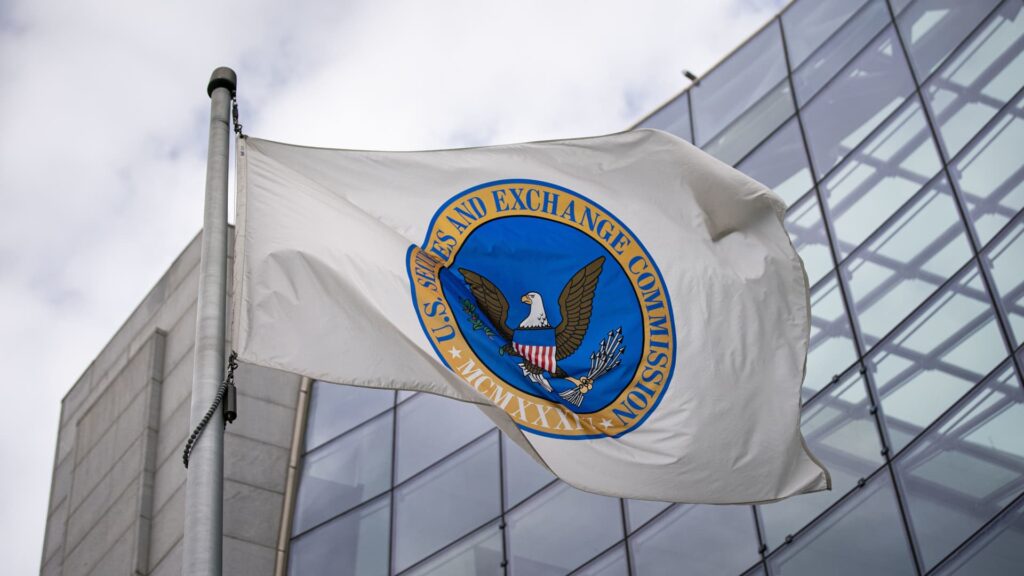
The United States Securities and Exchange Commission (SEC) has clarified its stance on approving firms’ S-1 applications to go public.
According to court documents from the SEC vs. Coinbase case on July 13, the SEC argued that granting approval for a company to go public does not imply that the agency endorses or verifies the business’s compliance with regulations.
During the pre-motion hearing, SEC trial counsel Peter Mancuso emphasized that the approval of an S-1 filing does not constitute a blessing of the company’s entire business or its underlying structure.
Mancuso further stated that there was no evidence to suggest that the SEC examined specific assets or made determinations regarding their classification as securities, thereby providing Coinbase with assurances against future regulatory issues.
READ MORE: Worldcoin’s World ID Project Surpasses 2 Million Users
This statement by the SEC raised questions among individuals on Crypto Twitter, including Gemini co-founder Cameron Winklevoss.
It challenged the SEC’s role in allowing a potentially noncompliant business to proceed with a public listing, considering its responsibility to safeguard American consumers.
In the United States, companies must submit an S-1 filing to the SEC before listing shares on a national stock exchange.
This filing requires a comprehensive disclosure of the business structure and the planned utilization of funds from the initial public offering.
U.S. District Judge Katherine Polk Failia expressed skepticism and raised concerns about the SEC’s position during the hearing.
She expected the SEC to conduct due diligence on Coinbase’s activities and potentially warn against any securities law violations or uncharted territories regarding the assets on Coinbase’s platform.
Mancuso clarified that the SEC’s focus in approving S-1 filings is primarily on reviewing company disclosures rather than providing endorsement or approval of the business structure itself.
Judge Failia then questioned whether the SEC had the power to instruct Coinbase to register as a securities exchange. Mancuso responded that he couldn’t comment on that matter.
The SEC had initially charged Coinbase for allegedly conducting unregistered securities offerings dating back to 2019.
Coinbase is seeking an early dismissal of the case based on various arguments, one of which asserts that the SEC is charging the company despite having received detailed descriptions of its business structure and planned activities prior to the public offering.
In summary, the recent court documents shed light on the SEC’s position that approving an S-1 filing does not indicate endorsement of a company’s business structure or regulatory compliance.
The case involving Coinbase highlights the complexities surrounding regulatory oversight of cryptocurrency-related businesses.
Other Stories:
OpenAI Faces FTC Investigation Over Privacy and Data Practices
Monochrome Asset Management Proposes Bitcoin ETF on ASX
Ripple’s XRP Victory Against SEC: A Blow to Regulator’s ‘War on Crypto’

Zac Prince, the CEO of cryptocurrency lending firm BlockFi, is facing allegations of ignoring warnings from the company’s risk management team regarding lending assets to Alameda Research.
The unsecured creditors’ committee filed a document on July 14 with the United States Bankruptcy Court for the District of New Jersey, stating that BlockFi’s risk management team had raised concerns about the high risks associated with lending assets to Alameda.
Despite these concerns, Prince allegedly dismissed the team’s recommendations and proceeded to lend Alameda $217 million by August 2021.
The risk management team had warned about potential risks if the loans secured by the FTX Token (FTT) needed to be liquidated.
The filing revealed that as early as August 2021, BlockFi’s risk management team was informed that a significant portion of Alameda’s balance sheet consisted of unlocked FTT tokens.
This information alarmed the team, but Prince disregarded their concerns and encouraged them to become comfortable with Alameda’s borrowing size.
READ MORE: Ripple’s XRP Victory Against SEC: A Blow to Regulator’s ‘War on Crypto’
Discussions between Prince and the risk management team regarding the risks associated with lending to Alameda shifted to offline meetings and Slack after January 2022.
BlockFi had approximately $1.2 billion tied to FTX and Alameda when it filed for bankruptcy.
In November 2022, when BlockFi filed for Chapter 11 bankruptcy, it acknowledged its significant exposure to FTX and its associated entities.
In July 2022, FTX US received a $400 million credit line from BlockFi, further deepening the financial ties between the two firms during a period referred to as the crypto winter.
The report stated that BlockFi recalled its loans from Alameda in June 2022, and Alameda repaid most of its outstanding balance.
However, instead of severing ties with Alameda, BlockFi decided to lend them nearly $900 million between July and September 2022, with the loans primarily collateralized by FTT tokens.
While it is acknowledged that Alameda/FTX’s downfall might have contributed to BlockFi’s demise, the filing emphasized that BlockFi’s problems were rooted in its own business practices and decisions that predated Alameda/FTX’s bankruptcy filing.
BlockFi issued a statement to Cointelegraph, stating its disagreement with the report.
The firm also filed a separate court document claiming that the committee behind the report cherry-picked statements out of context and failed to provide the promised objective analysis.
BlockFi directly cited its exposure to FTX as one of the reasons for its bankruptcy filing.
The practice of collateralized loans based on FTT tokens by FTX resulted in losses for numerous firms when the token’s price plummeted from over $25 to under $2 during the Chapter 11 filing and reported liquidity issues.
Other Stories:
OpenAI Faces FTC Investigation Over Privacy and Data Practices
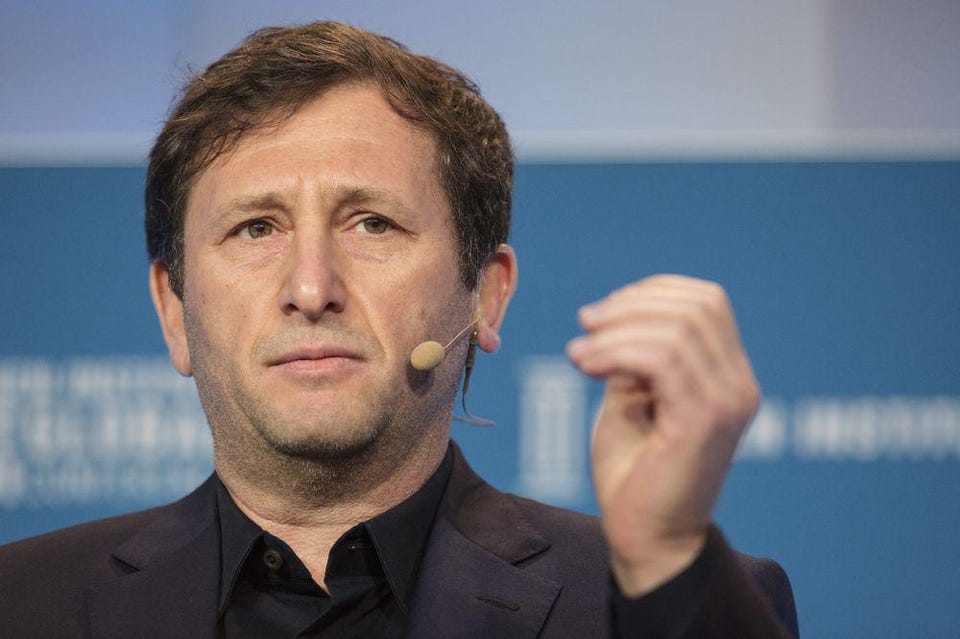
The now-bankrupt cryptocurrency lender, Celsius Network, has announced its satisfaction with the resolutions reached with several U.S. government agencies.
This follows the Federal Trade Commission (FTC)’s enforcement of a $4.7 billion fine, which has been suspended to allow the company to return its remaining funds to users amidst its ongoing bankruptcy proceedings.
Celsius has confirmed that these developments will not affect its Chapter 11 bankruptcy plan or its capability to refund customers. The company has further pledged to cooperate with regulators and government agencies during this period.
However, this announcement was met with harsh criticism from members of the crypto community.
READ MORE: OpenAI Faces FTC Investigation Over Privacy and Data Practices
Many expressed outrage on Twitter, accusing the company of mishandling customers and using corporate and legal jargon in its communication.
They also suggested that the company should use its remaining funds to compensate users instead of dealing with more legal expenses.
Simultaneously, former Celsius CEO Alex Mashinsky has been indicted with multiple criminal charges, including securities fraud, commodities fraud, wire fraud, and manipulation of the CEL token.
This development came after the U.S. Securities and Exchange Commission (SEC) filed a lawsuit against Celsius and Mashinsky for allegedly making false promises about safe investments via the company’s “Earn Interest Program”.
The U.S. Attorney for the Southern District of New York and the Federal Bureau of Investigation further announced fraud charges against Mashinsky, who was subsequently arrested. In response, Mashinsky pleaded not guilty to the charges of misleading customers and inflating the CEL token.
U.S. Magistrate Judge Ona Wang approved Mashinsky’s release on a $40 million bond, under conditions that restrict his travel and prohibit him from opening new bank or cryptocurrency accounts.
As the company struggles with its legal woes and bankruptcy, Celsius is committed to regulatory compliance and user reimbursement.
Despite the severe backlash, it is yet to be seen how these developments will affect the broader cryptocurrency market.
Other Stories:
Ripple’s XRP Victory Against SEC: A Blow to Regulator’s ‘War on Crypto’
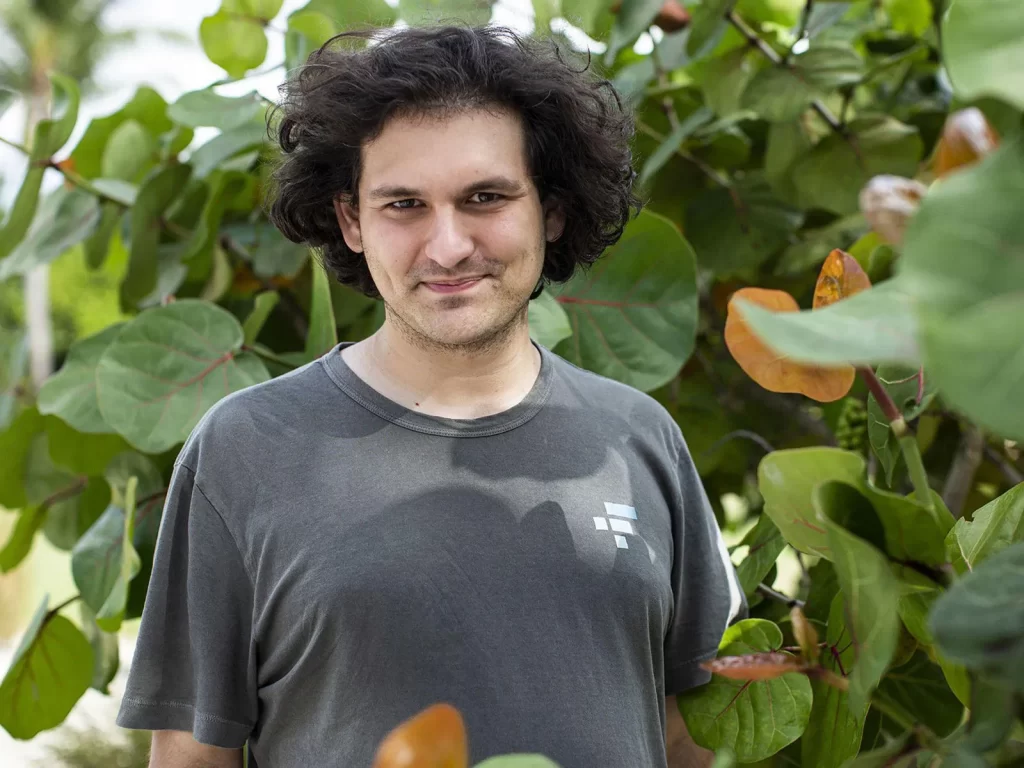
Former FTX CEO Sam Bankman-Fried has made a request to the New York District Court Judge Lewis Kaplan, seeking permission for his “close friends” to visit him at his parent’s home without undergoing the security checks mandated by his bail conditions.
Bankman-Fried’s lawyers submitted a letter on July 13, urging the judge to extend the exemption from security measures to individuals on a pre-approved list.
At present, only Bankman-Fried’s legal representatives and employees from his contracted law firm are exempt from these checks.
The lawyers have requested that this privilege be extended to the visitors authorized by the court.
The list submitted by Bankman-Fried’s lawyers, which has been reviewed by the prosecutors without objection, includes “close friends and colleagues of Bankman-Fried’s parents and household help who regularly visit the house.”
To ensure the privacy and safety of the individuals mentioned in the list, the document was filed under seal, with the lawyers arguing that the importance of protecting the mentioned individuals far outweighs any presumption of public access to the list.
As part of the bail conditions set by Judge Kaplan, Bankman-Fried is currently limited to using a laptop solely for accessing court-approved websites, including specific news sites and YouTube. He is also in possession of a phone that has no internet access, allowing him only to make and receive calls and texts.
The lawyers representing Bankman-Fried assured that those on the approved visitor list are fully aware of his bail conditions and are committed to complying with them, which includes refraining from sharing any electronic devices with him.
Since being granted bail in December 2022, Bankman-Fried has been residing at his parent’s residence in Palo Alto, California.
It is important to note that the same property has been put up as collateral for his substantial $250 million bail bond.
While Bankman-Fried was originally scheduled to stand trial on October 2, a subsequent decision split five of the charges into a separate trial set to commence on March 11, 2024.
Other Stories:
United States DoJ Moves $299 Million Worth of Bitcoin in Recent Transactions
Bitcoin ETF Approval Could Act as Government’s ‘Seal of Approval’
Elon Musk Launches xAI: A New Venture to Unravel the Mysteries of the Universe
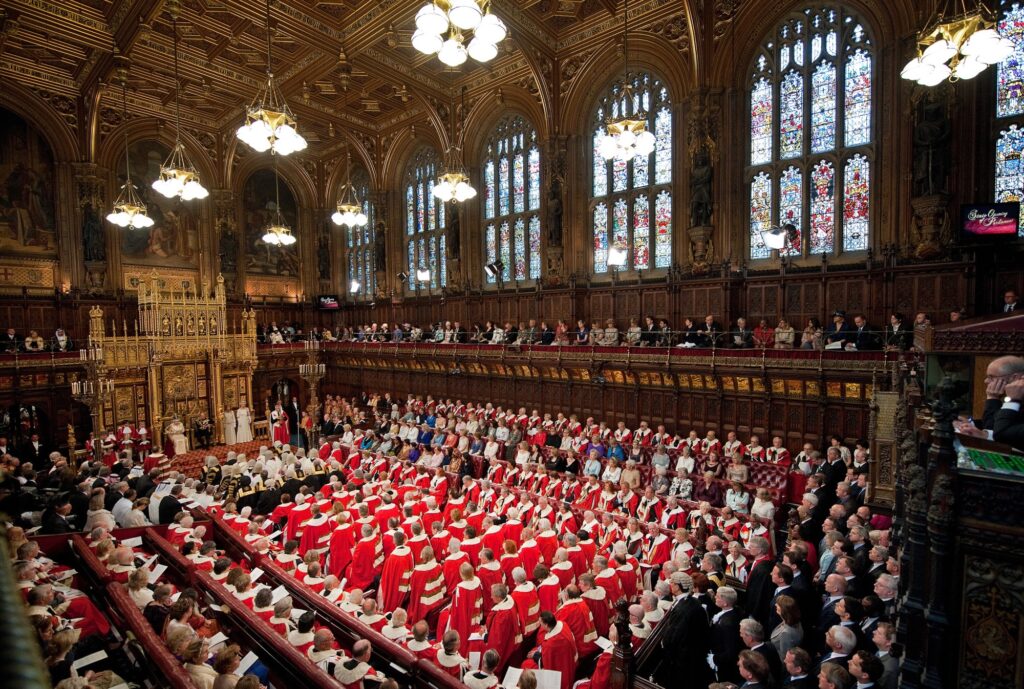
Members of the House of Lords in the United Kingdom have expressed the need for legislation that encompasses activities in the metaverse as part of the Online Safety Bill.
During a parliamentary session on July 12, lawmakers deliberated on whether the bill should address potential harmful content that users may encounter in virtual environments like the metaverse.
The focus of their concerns primarily revolved around the well-being of children who could be exposed to objectionable material online.
Timothy Clement-Jones, a member of the House of Lords, emphasized that the metaverse and its associated environments should not be exempt from the scope of the Online Safety Bill.
He argued that failure to include these elements within the bill’s purview would be a disservice to children and vulnerable adults, implying a dereliction of duty.
Several members of the U.K. Parliament supported this viewpoint, highlighting that the bill’s current language includes “anything communicated by means of an internet service.”
Stephen Parkinson, another member, suggested that this definition could encompass not only text and images provided by other users but also virtual objects and avatars present in the metaverse.
Legislation pertaining to the regulation and safeguarding of online activities varies across countries and is still evolving alongside the increasing adoption of new technologies.
In the United States, advocacy groups have urged Meta, the parent company of Facebook, to restrict minors from using its metaverse platform, Horizon Worlds.
Concerns regarding harassment and privacy violations have been raised as potential risks associated with the platform.
The Online Safety Bill in the United Kingdom is scheduled for further debate in the House of Lords on July 17. Before becoming law, the bill will need to undergo a third reading in the House, during which final amendments can be proposed and considered.
The inclusion of provisions covering the metaverse within the bill’s framework would signify the government’s commitment to ensuring the safety and protection of individuals in virtual spaces.
Other Stories:
United States DoJ Moves $299 Million Worth of Bitcoin in Recent Transactions
Bitcoin ETF Approval Could Act as Government’s ‘Seal of Approval’
Elon Musk Launches xAI: A New Venture to Unravel the Mysteries of the Universe
Coinbase’s Base mainnet is now accessible to builders, as stated in a blog post by the network’s development team on July 13.
This early opening of the network is aimed at allowing more time for user onboarding before its official public launch, which is scheduled for August.
Coinbase initially unveiled the Base network on February 23, presenting it as an Ethereum layer-2 solution that would leverage the OP Stack software developed by Optimism.
The Ethereum community welcomed this announcement, perceiving it as a significant vote of confidence for Ethereum’s future.
In the recent announcement on July 13, the team revealed that the Base mainnet currently features two operational block explorers and an official RPC node, enabling users to access data and transmit transactions.
READ MORE: Bitcoin ETF Approval Could Act as Government’s ‘Seal of Approval’
Data from the block explorers indicates that the network has been operational since July 2, having successfully processed over 1 million transactions.
Blockchain data confirms the deployment of an official “OptimismPortal” or Base bridge contract on Ethereum.
This contract enables developers to transfer Ether (ETH) to the new network for gas fee payments.
Notably, the bridge does not have a web-based user interface (UI), necessitating the use of a command-line interface or script-based interactions.
During the initial “builder” phase, the team has decided to withhold a publicly accessible bridge with a UI.
They have specifically requested developers to refrain from launching UIs for their applications until the upcoming public launch, where this feature will be available.
To celebrate this milestone, builders are given the opportunity to mint a commemorative non-fungible token (NFT) called “Base is for builders.”
Furthermore, developers deploying a contract to the network and completing a form on the project’s website will receive a “Genesis Builder NFT” as a reward.
Optimism Labs, the creator of the OP Stack, envisions a future where Base and Optimism form a “Superchain,” comprising multiple networks sharing the same security features.
However, this Superchain is expected to face competition from zkSync’s “Hyperchains,” which aim to offer similar functionalities.
In conclusion, Coinbase’s Base mainnet is now accessible to builders, enabling them to explore and contribute to the network ahead of its public launch.
This marks an important step in the development of the Base network and its integration with Ethereum’s ecosystem.
Other Stories:
United States DoJ Moves $299 Million Worth of Bitcoin in Recent Transactions
Elon Musk Launches xAI: A New Venture to Unravel the Mysteries of the Universe
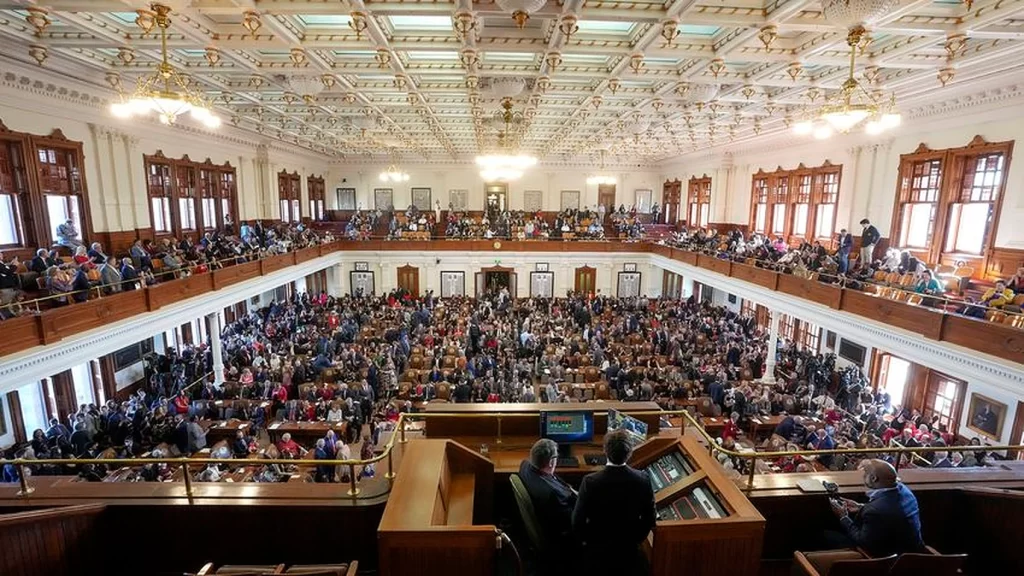
Steven Kinard, the director of Bitcoin mining analytics at the Texas Blockchain Council, a crypto advocacy group, has announced his candidacy for the Texas House of Representatives.
Kinard revealed his plans on July 11, stating his intention to seek the Republican Party nomination for Texas House District 70 in the Dallas-Fort Worth area.
If elected, he would serve a two-year term starting in 2025. Prior to joining the Texas Blockchain Council in March 2022, Kinard had worked for approximately three years at BOK Financial.
In his campaign, Kinard expressed his commitment to promoting “digital freedom” and advocating for “strategic technology investments.”
He is expected to compete against the incumbent Democratic Representative, Mihaela Plesa, who has been serving in the Texas House since 2023.
One of Kinard’s key points of criticism is directed at the Federal Reserve for its attempts to launch a central bank digital currency (CBDC), which he considers a reckless move.
This sentiment aligns with that of other Republican lawmakers, including Florida governor and 2024 presidential candidate Ron DeSantis.
READ MORE: Elon Musk Launches xAI: A New Venture to Unravel the Mysteries of the Universe
Kinard’s campaign website states his intention to actively resist and prevent any research into CBDCs.
Texas, particularly the capital city of Austin, has emerged as a significant hub for cryptocurrency mining activity, especially after the departure of many miners from China.
While a bill aimed at limiting incentives for crypto miners was passed by the Texas State Senate in April, the government has also shown support for incorporating crypto into the state’s Bill of Rights.
Governor Greg Abbott has openly identified himself as a supporter of crypto law proposals.
As the 2024 United States primaries approach in the following months, the crypto and blockchain industry has become a prominent issue for many voters.
Coinbase CEO Brian Armstrong has urged crypto users to support pro-crypto candidates in all 435 U.S. congressional districts, emphasizing the importance of electing officials who understand and advocate for effective legislation to regulate digital assets.
Other Stories:
United States DoJ Moves $299 Million Worth of Bitcoin in Recent Transactions
Bitcoin ETF Approval Could Act as Government’s ‘Seal of Approval’
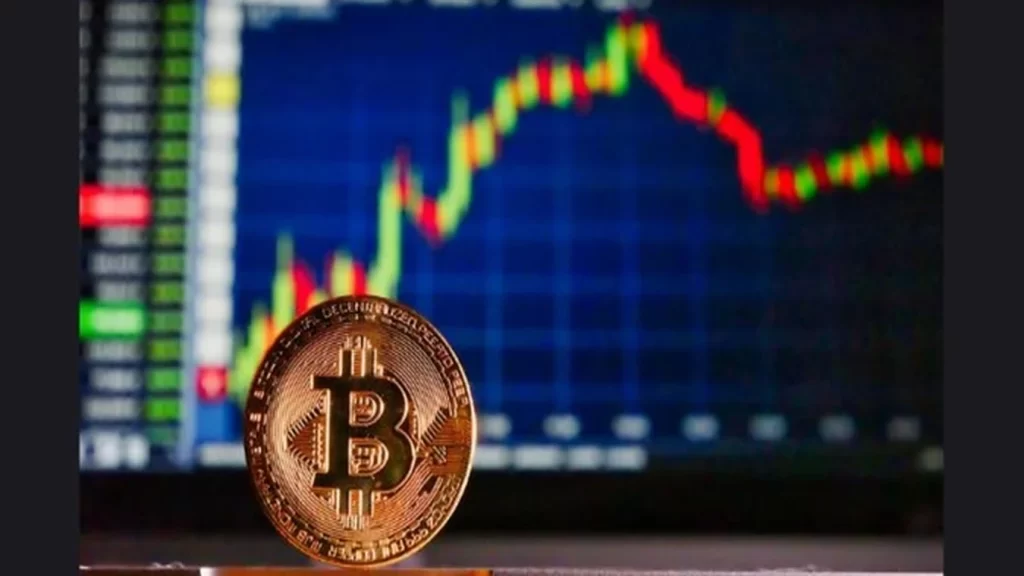
The determination of prices in any market, whether it’s for goods or financial assets, relies on the interplay between supply and demand.
When there is a scarcity of a product like tomatoes due to a flood, the price at the supermarket will naturally be higher, assuming the demand remains the same.
Similarly, if there is a fixed supply of tomatoes but an increased number of people wanting to buy them, the price will also rise.
In the financial market, the price of a mutual fund is unaffected by demand if the supply is unlimited.
In such cases, additional shares are simply issued at the net asset value (NAV) of the fund, which represents its true value based on its assets.
However, if the available shares are limited, the price will fluctuate based on the uneven supply and demand.
In such situations, the price may deviate from its intrinsic value, especially when an asset is in high demand.
Estimating the correct price of an asset can be challenging. In 2021, the author published data attempting to estimate the fair value price of Bitcoin.
By analyzing the number of wallets in circulation and the average amount held in each wallet, the author derived an estimation of Bitcoin’s capitalization and price.
READ MORE: United States DoJ Moves $299 Million Worth of Bitcoin in Recent Transactions
The transparency provided by the blockchain technology enables the collection of reliable information, such as tracking the number of Bitcoin addresses with non-zero balances.
The graph illustrating the average amount in wallets fluctuates due to supply and demand factors.
By considering the 90th and 10th percentiles, a range can be established to estimate Bitcoin’s price.
This approach, although simple, proves effective due to the large numbers involved and a complete price cycle analysis.
Additionally, certain market phenomena provide insights into Bitcoin’s potential price appreciation.
For example, during the last days of a crypto winter, there is often an increase in withdrawals from crypto exchanges and a decrease in balances held on centralized platforms.
This indicates a preference for long-term Bitcoin holdings, signaling bullish sentiment and contributing to cyclical price appreciation.
Based on this model, the data suggests that Bitcoin could reach its next ceiling in autumn 2025, potentially exceeding $130,000.
It is crucial to emphasize that this forecast should not be considered financial advice, but rather an expected value based on certain assumptions with a degree of confidence.
Other predictive models also support similar price growth estimates.
The growing interest in the asset class from institutional players like BlackRock further suggests a level of faith in these models, as evidenced by their pursuit of approval for a spot Bitcoin exchange-traded fund.
Other Stories:
Elon Musk Launches xAI: A New Venture to Unravel the Mysteries of the Universe
Bitcoin ETF Approval Could Act as Government’s ‘Seal of Approval’