
A recent report published by Galaxy Digital, a crypto investment firm, reveals that despite regulatory scrutiny in the United States, crypto firms in the country are still driving innovation.
In fact, nearly half of all capital investments in the crypto industry are flowing toward U.S.-based crypto businesses.
The report, released on July 14, highlights the significant share of interest from venture capital (VC) firms in U.S. crypto startups.
It states that these startups accounted for more than 43% of all completed deals and raised over 45% of the capital invested by VC firms.
Meanwhile, the United Kingdom secured 7.7% of the capital investment, with Singapore and South Korea attracting 5.7% and 5.4% respectively.
However, the report also points out that the total amount of capital invested in crypto and blockchain startups has been declining quarter-to-quarter.
Only $720 million was raised by 10 new crypto VC funds in Q2 2023, marking the lowest since the beginning of the COVID-19 pandemic in Q3 2020.
READ MORE: Coinbase Temporarily Suspends Staking Services
Interestingly, the combined capital raised by crypto and blockchain startups in the last three quarters was less than what they raised in Q2 of the previous year.
The report reveals that while companies in the “broad Web3 category” had more deals, it was companies in the “trading category” that raised more capital.
These findings come at a time when the United States Securities and Exchange Commission (SEC) has been taking action against several U.S. crypto firms.
In a case between the SEC and Ripple Labs, a judge recently ruled partially in favor of Ripple by declaring that XRP is not a security when sold on digital asset exchanges.
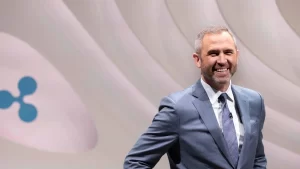
Ripple CEO Brad Garlinghouse has criticized the SEC, believing that the regulatory body is stifling innovation and the cryptocurrency industry in the United States.
He argued that the SEC’s handling of the Hinman speech documents during the Ripple case reflects its overall negative stance toward the crypto industry.
Adding to the regulatory actions, the SEC also took action against major crypto exchanges Binance and Coinbase in early June, accusing them of violating securities laws and offering unregistered securities.
Despite these regulatory challenges, the report highlights the resilience and ongoing investment interest in U.S. crypto startups, emphasizing their crucial role in driving innovation within the industry.
Other Stories:
SEC Stresses Crucial Clarification Amid Coinbase Battle
Bitcoin Long-Term Holders Return as BTC Price Surges
Cardano Surges 23.9% Following Favorable XRP Ruling, Investors Eye Further Gains
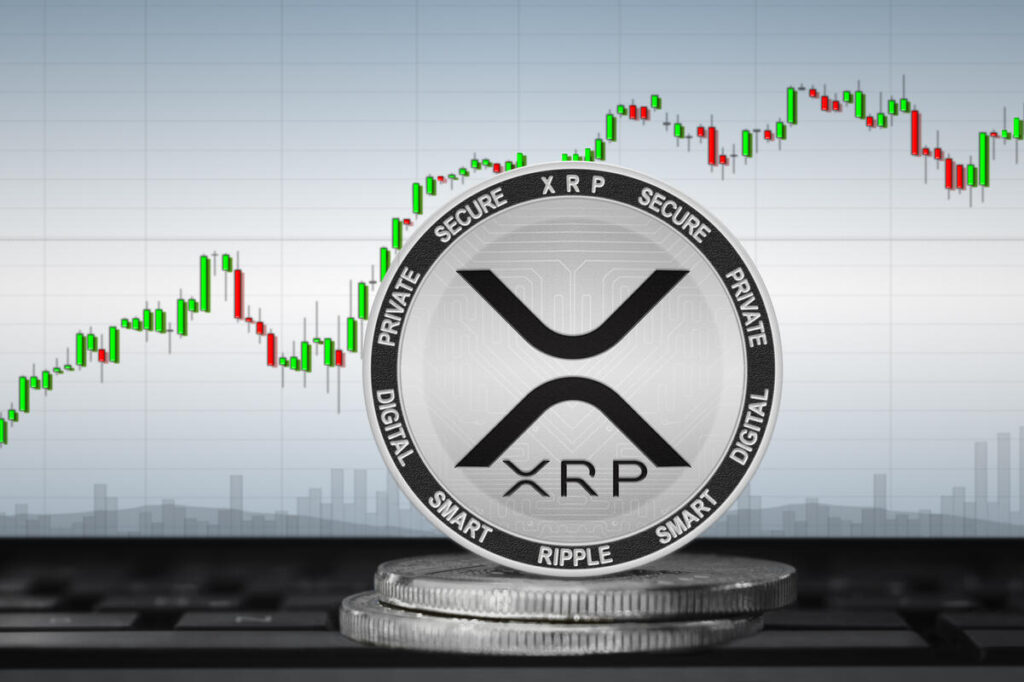
XRP (XRP) has experienced a significant surge in price following a recent federal court ruling that deemed its sales on cryptocurrency exchanges compliant with United States securities laws.
On July 14, the XRP price encountered a minor setback, dropping by approximately 10% to $0.76. Nevertheless, it still maintained a notable 65% increase compared to the previous day’s lowest price.
During the past 24 hours, the XRP/USD pair reached its highest level at $0.93, marking its strongest performance since December 2021, coming close to breaching the $1 mark.
Analysis suggests that the ongoing surge in XRP’s price may not be a mere short-term reaction to the positive news regarding Ripple.
Several indicators point to the involvement of significant players in driving this rally. Notably, the duration of XRP’s substantial price increase coincides with a 10-month high in trading volumes.
Additionally, the number of XRP whale transactions, involving wallets holding over $100,000, has reached its peak in 2023, indicating support from wealthy investors.
READ MORE: Bitcoin Long-Term Holders Return as BTC Price Surges
The fact that whales have been accumulating XRP rather than selling during this rally suggests their intent to position themselves for further gains.
Entities holding a balance of 100,000 to 10 million XRP tokens have seen an increase in supply, further bolstering this notion.
While XRP may test the crucial $1 level in the coming days from a technical perspective, the likelihood of its rally extending beyond that appears weak at present.
The pullback experienced on July 14 coincided with a resistance confluence formed by a long-term horizontal trendline and a descending trendline ceiling.
Furthermore, the weekly relative strength index (RSI) for XRP has entered overbought territory, increasing the possibility of a correction.
In the event of a pullback, the XRP price could decline towards its ascending trendline support near $0.45 by September, representing a 55% decrease from the current price level.
Alternatively, an overbought RSI could result in the XRP price consolidating within the $0.75–$1 range.
If the XRP price successfully surpasses the $1 mark, its next target by September is likely to be around $1.35, a resistance level observed during the August to December 2021 period.
Other Stories:
SHIB Coin Prediction: Will Shiba Inu Coin Reach $1?
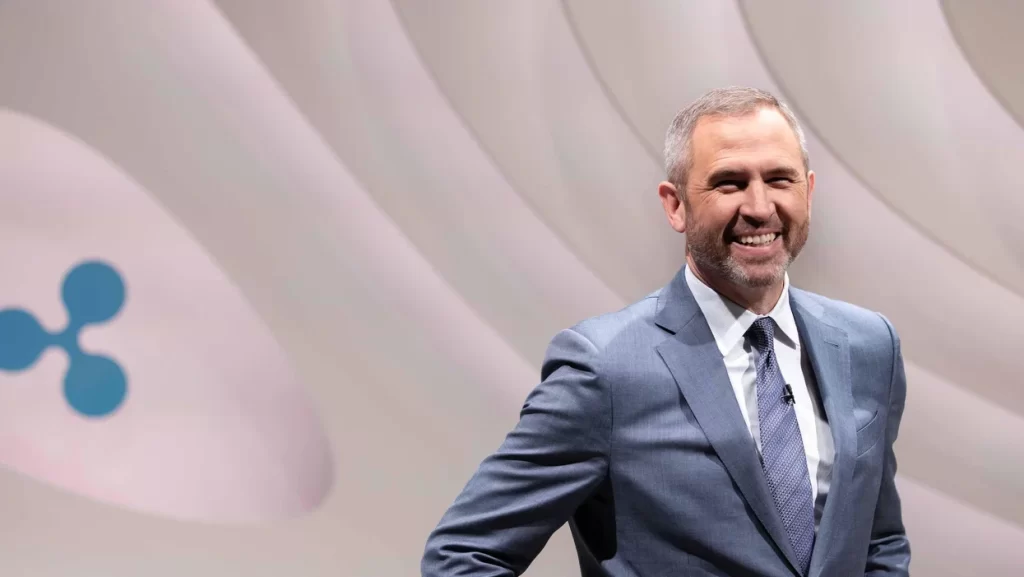
Ripple CEO Brad Garlinghouse expressed his belief that the United States Securities and Exchange Commission (SEC) will face a lengthy process before having the opportunity to appeal the ruling in its case against Ripple Labs.
On July 13, Judge Analisa Torres of the U.S. district court delivered a partial ruling in favor of Ripple, stating that the XRP token is not a security when sold on retail digital asset exchanges, but ruled it as a security when sold to institutional investors based on the Howey test.
In an interview with Bloomberg on July 15, Garlinghouse downplayed the significance of the institutional sales decision, considering it to be the least significant aspect of the lawsuit.
He believes that if the SEC were to appeal the ruling on retail sales, it would further solidify Judge Torres’ decision.
Garlinghouse emphasized that the current legal stance is that XRP is not a security, and he expressed optimism while noting that the SEC’s appeal process would likely take years.
READ MORE: Bitcoin Long-Term Holders Return as BTC Price Surges
Garlinghouse pointed out that this case marks the first time the SEC has lost a crypto-related lawsuit. He criticized the SEC for targeting players in the crypto industry who lacked the resources to mount a robust defense, describing the agency as a “bully.”
When the case was initially filed against Ripple, many U.S. crypto exchanges adopted a wait-and-see approach due to the resulting uncertainty.
Consequently, exchanges like Coinbase and Kraken completely delisted XRP.
According to Garlinghouse, the SEC’s actions created confusion in the market. He accused the agency of intentionally causing more confusion while having full knowledge of the existing confusion.
This deliberate confusion, in Garlinghouse’s view, allowed the SEC to assert power and hinder innovation within the United States.
Garlinghouse argued that the SEC prioritizes power and politics over sound policy and clear regulatory guidelines.
This approach, he asserted, has made it challenging for entrepreneurs and investors to participate in the U.S. crypto market and blockchain industry, hindering growth and innovation in the country.
Overall, Garlinghouse’s outlook is positive, considering the court ruling a significant milestone for Ripple and suggesting that the SEC’s appeal process would be protracted.
He called for a shift towards clear and supportive regulations to foster a thriving crypto ecosystem within the United States.
Other Stories:
Coinbase Temporarily Suspends Staking Services
Cardano Surges 23.9% Following Favorable XRP Ruling, Investors Eye Further Gains

Fantom network’s co-founder, Andre Cronje, expressed his concern over Multichain’s recent troubles, stating that it dealt a significant blow to the smart contract platform.
In recent weeks, Fantom has witnessed a sharp decline in activity. Data from DefiLlama revealed that Fantom’s total value locked (TVL) plummeted from over $364 million in early May to approximately $70 million on July 14. In 2022, the platform’s TVL reached its peak at $7.5 billion.
Additionally, the price of Fantom’s native token, Fantom (FTM), decreased from $0.41 to $0.28 within the same period.
Cronje conveyed his disappointment in a thread on Fantom’s forum, stating that Multichain’s failure had a profound impact.
He had received numerous assurances from the Multichain team regarding server decentralization, access, and geolocation distribution.
Reflecting on the situation, Cronje emphasized the need to “don’t trust, verify” even within his own projects.
READ MORE: Bitcoin Long-Term Holders Return as BTC Price Surges
Multichain made an announcement on July 14, revealing that it would be ceasing operations due to the arrest of its CEO in May.
As the sole controller of Multichain’s servers, the CEO’s arrest left the company in disarray.
Compounding the challenges faced by Multichain, the platform fell victim to an exploit on July 6.
The exploit resulted in the withdrawal of over $125 million worth of cryptocurrencies from multiple wallets, impacting the Ethereum side of Fantom, Moonriver, and Dogechain bridges.
These withdrawals accounted for a significant portion of the funds held on each bridge.
It was discovered that Multichain had stored all shards of its private keys in a “cloud server account” controlled solely by its CEO.
This cloud server account was subsequently utilized by an unauthorized individual to drain funds from the protocol.
The repercussions of Multichain’s issues also extended to the lending protocol Geist Finance, which was forced to permanently shut down due to losses incurred from the exploit.
Prior to the hack, Geist Finance had over $29 million worth of crypto assets locked in contracts on the Fantom network. The closure of Geist Finance had a profound impact on Fantom’s TVL.
In response to the exploit, stablecoin issuers Circle and Tether have frozen more than $65 million in assets associated with the attack.
Fantom is actively collaborating with both companies to explore options for native issuance and reviewing rollups for native bridge infrastructure.
Cronje affirmed their commitment to recover assets, stating that they are engaging with relevant organizations in pursuit of a solution.
Other Stories:
Cardano Surges 23.9% Following Favorable XRP Ruling, Investors Eye Further Gains

Florida Governor Ron DeSantis, a United States presidential candidate, has once again expressed his opposition to central bank digital currencies (CBDCs) and stated his intention to ban a digital dollar in the country if elected as president.
Speaking at the Family Leadership Summit on July 14, DeSantis firmly declared, “If I am the president, on day one, we will nix central bank digital currency. Done. Dead. Not happening in this country.”
His remarks were made in Iowa alongside six other Republican Party candidates.
DeSantis has consistently voiced his concerns about a digital dollar in the United States. In May, he signed a bill in Florida that prohibits the use of federal CBDCs as legal tender.
Furthermore, he also banned the utilization of foreign CBDCs, arguing that it would result in a substantial shift of power from consumers to a central authority.
A central bank digital currency closely resembles traditional currency issued by central banks. It represents a digital version of fiat currency, offering the advantages of digital assets.
Nevertheless, CBDCs have been a subject of controversy within the cryptocurrency community.
Critics argue that they pose a threat to citizens’ privacy and could enable excessive government control.
On the other hand, proponents view CBDCs as a means to promote adoption and as a global use case for blockchain technology.
READ MORE: Coinbase Temporarily Suspends Staking Services
According to Cointelegraph’s CBDC database, the number of CBDC projects has significantly increased in recent years, with over 100 countries exploring the technology and at least 39 nations either conducting CBDC pilots, implementing proof-of-concept initiatives, or pursuing other related efforts.
While the U.S. Federal Reserve currently has no immediate plans to introduce a digital dollar, this stance could change following next year’s election, as more candidates are engaging in discussions about crypto-related topics during their early campaign stages.
For example, Robert F. Kennedy Jr., vying for the Democratic Party nomination for president, has been actively promoting Bitcoin since May and has disclosed investments worth up to $250,000 in the cryptocurrency.
As the political landscape continues to evolve, the debate surrounding CBDCs and their potential impact on financial systems, privacy, and government control will likely remain at the forefront of discussions among policymakers and candidates.
Other Stories:
SEC Stresses Crucial Clarification Amid Coinbase Battle
Bitcoin Long-Term Holders Return as BTC Price Surges
Cardano Surges 23.9% Following Favorable XRP Ruling, Investors Eye Further Gains
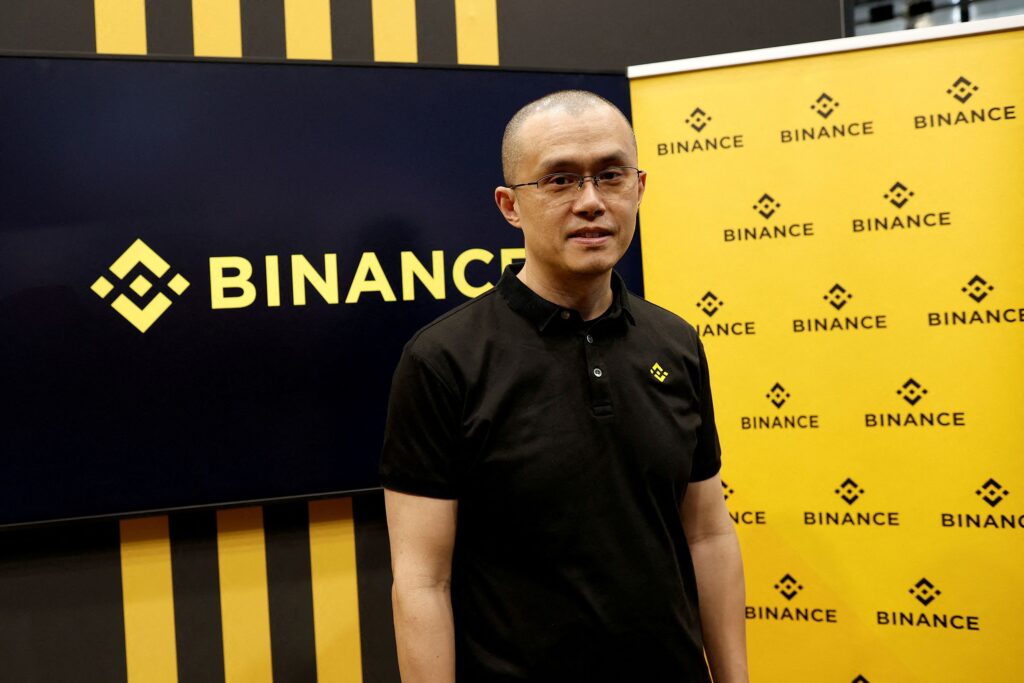
In a recent letter to Binance users, Changpeng Zhao, the CEO of the popular cryptocurrency exchange, reflected on the company’s past and outlined key trends shaping the industry.
As Binance celebrated its sixth anniversary, Zhao acknowledged the challenges the company has faced over the years.
He recalled the bear market of January 2018, which followed a surge in user registrations.
Despite the market decline, Zhao emphasized the importance of prudent financial management, which the team learned during that period.
Zhao also discussed Binance’s experiences during the company’s second crypto winter. He mentioned the firm’s investments in the collapsed crypto project Terra and the bankrupt crypto exchange FTX.
Binance’s initial $3 million investment in Terra Classic (LUNC) experienced a significant increase in value, soaring to $1.6 billion before crashing close to zero in 2022.
In contrast, the company exited its investment in FTX early, more than a year before it encountered difficulties.
READ MORE:Ripple’s XRP Victory Against SEC: A Blow to Regulator’s ‘War on Crypto’
These incidents led to increased regulatory scrutiny, with Binance being associated with FTX. Zhao addressed these comparisons, stating that Binance and FTX are different entities.
He rejected the notion that they should be grouped together, drawing a parallel to investment firms on Wall Street and the infamous Madoff case.
Despite the challenges, Zhao reassured Binance users that the company remains committed to prioritizing their interests and protecting them.
Looking forward, Zhao highlighted several trends shaping the industry.
He noted that traditional finance entering the crypto space would facilitate institutional adoption, decentralized finance (DeFi) would continue to accelerate, and more people would engage with Binance’s products.
Additionally, he anticipated the growth of regulated exchanges despite current market uncertainties.
Zhao emphasized the significance of getting the regulatory landscape right, asserting that countries that do so will have a significant advantage in the future.
He believes that we are at a pivotal moment in history, where the decisions made now will have far-reaching consequences for centuries to come.
In conclusion, Changpeng Zhao’s letter to Binance users reflected on the company’s journey, highlighting the lessons learned from past challenges.
He also outlined key trends in the industry, emphasizing the importance of regulatory clarity and the potential for transformative shifts in the financial landscape.
Despite the obstacles, Binance remains focused on its users and committed to their protection.
Other Stories:
Worldcoin’s World ID Project Surpasses 2 Million Users
Monochrome Asset Management Proposes Bitcoin ETF on ASX
OpenAI Faces FTC Investigation Over Privacy and Data Practices
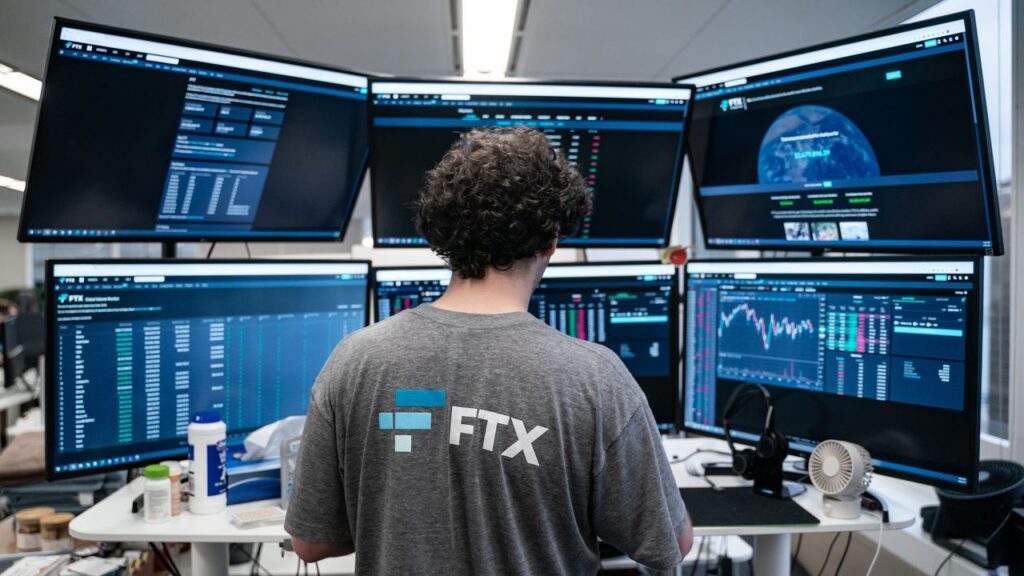
OPNX, a specialized exchange for trading bankruptcy claims of collapsed cryptocurrency firms, has recently added FTX and Celsius claims to its platform.
In an announcement made on July 14, it was revealed that FTX claims can be instantly onboarded and converted into collateral in the form of OPNX’s native reborn OX (reOX) tokens or oUSD, the platform’s credit currency.
This allows users to engage in cryptocurrency futures trading using reOX as collateral.
The tokenization of the claims and the onboarding process are facilitated through a partnership with Heimdall, which also handles user verification.
The developers at OPNX explained the conversion process:”At the outset, claims will be converted into reOX tokens with a bonus of 100% of the market price, gradually reducing to 0% over a period of 50 weeks.
This means that during the first week, users will receive double the market price for their FTX claim.”
To illustrate this, OPNX provided an example: Suppose a user holds an FTX claim worth $1 million with a claim price of 30 cents on the dollar.
They would receive $600,000 worth of reOX claim amounts in return.
If a user’s claim is determined to have preference, an equivalent dollar value of the issued reOX tokens will be reclaimed from the user.
READ MORE: Worldcoin’s World ID Project Surpasses 2 Million Users
The claims are transferred and securely stored in a separate trust.
OPNX was established earlier this year by Kyle Davies and Zhu Su, who are the co-founders of Three Arrows Capital, a bankrupt Singaporean hedge fund also known as 3AC.
On its first day of operation, OPNX recorded a modest total trading volume of $13.64.
However, by late June, the daily exchange volume had surpassed an impressive $30 million.
In May, Cointelegraph reported that the United States Internal Revenue Service is seeking $44 billion in unpaid taxes from FTX’s bankruptcy proceedings.
Similarly, on July 13, the U.S. Federal Trade Commission imposed a $4.7 billion fine on Celsius, with the judgment currently suspended.
OPNX’s listing of FTX and Celsius claims demonstrates its commitment to providing a platform for trading these bankruptcy claims in a secure and transparent manner.
With its tokenization process and collaboration with Heimdall, the exchange aims to offer users a convenient and efficient way to convert and trade their claims.
The growing trading volume on OPNX indicates the increasing interest and participation of users in this unique market.
Other Stories:
Ripple’s XRP Victory Against SEC: A Blow to Regulator’s ‘War on Crypto’
Monochrome Asset Management Proposes Bitcoin ETF on ASX
OpenAI Faces FTC Investigation Over Privacy and Data Practices

Lending protocol Geist Finance has announced its permanent closure due to significant losses resulting from the Multichain exploit, according to a social media post from the development team on July 14.
The protocol, which operated on the Fantom network, temporarily paused its contracts on July 6 and then resumed limited functionality, allowing only withdrawals and repayments, on July 9.
However, the latest announcement confirms that Geist Finance will not reopen for lending and borrowing activities.
Before the exploit occurred, Geist Finance had locked over $29 million worth of cryptocurrency assets in its contracts.
The lending protocol permitted users to borrow, lend, and utilize bridged tokens from the Multichain platform as collateral, including tokens such as USD Coin (USDC), Tether (USDT), Bitcoin (BTC), and Ether (ETH).
Chainlink oracles were employed to track the prices of these assets and determine their collateral and loan values.
READ MORE: Worldcoin’s World ID Project Surpasses 2 Million Users
The recent social media post revealed that the Chainlink oracles had ceased to provide reliable information.
They were now listing the values of the non-bridged, or “real,” versions of each coin, which were more than four times the value of their Multichain derivatives.
As a consequence, reopening lending activities would result in bad debt for holders of non-Multichain coins, rendering it impossible to resume operations.
Geist Finance clarified that it did not hold Chainlink oracles responsible for its closure and placed blame on Multichain.org.
Blockchain analytics experts initially reported the Multichain exploit on July 7. Over $100 million had been withdrawn from the Ethereum side of Multichain bridges, affecting platforms like Dogechain, Fantom, and Moonriver.
While the Multichain team labeled the transactions as “abnormal” and advised users to stop utilizing the protocol, they refrained from explicitly referring to it as a hack or exploit.
Further investigations by on-chain sleuths and Twitter user Spreek on July 11 unveiled an unknown individual draining funds from the protocol using a fee-based exploit.
On July 14, the Multichain team confirmed that the withdrawals on July 7 resulted from a hack.
It was discovered that all shards of the network’s private keys were stored in a cloud server account controlled solely by the CEO, who had been apprehended by Chinese authorities.
Subsequently, the cloud server account was accessed by an unauthorized party to siphon funds from the protocol.
In an attempt to recover the assets, the Multichain team engaged in a fee-based counter-exploit initiated by the CEO’s sister on July 11.
However, she was later arrested, and the status of the assets she recovered remains uncertain.
Other Stories:
Ripple’s XRP Victory Against SEC: A Blow to Regulator’s ‘War on Crypto’
Monochrome Asset Management Proposes Bitcoin ETF on ASX
OpenAI Faces FTC Investigation Over Privacy and Data Practices
Binance, the popular cryptocurrency exchange, is marking its sixth anniversary amidst reports of significant layoffs.
The Wall Street Journal revealed that more than 1,000 employees have been laid off in recent weeks, resulting in a global downsizing of the workforce.
Customer service workers, particularly in India, have been heavily impacted by these cuts. With these recent layoffs, the total number of job losses at Binance now exceeds 1,000.
Prior to these cuts, Binance’s global headcount was estimated to be around 8,000, implying a potential reduction of more than one-third of its staff due to ongoing restructuring efforts.
On May 31, Binance had already announced a 20% reduction in staff, although they insisted it was not a downsizing measure but rather a reallocation of resources.
According to a spokesperson for Binance who spoke to Cointelegraph, the aim of these changes was to enhance the company’s agility and adaptability in preparation for the next major bullish phase in the cryptocurrency market.
Recent data from Glassdoor revealed that Binance had some of the least satisfied employees in the crypto industry.
READ MORE: Ripple’s XRP Victory Against SEC: A Blow to Regulator’s ‘War on Crypto’
In response, a Binance spokesperson stated that the company seeks to hire individuals who can excel in a high-performance environment and are entirely dedicated to delivering exceptional service to users.
Since early June, Binance has faced a series of regulatory challenges globally, triggered by a lawsuit filed by the United States Securities and Exchange Commission.
In just 30 days, Binance was ordered to cease operations in Belgium, failed to secure a license in the Netherlands, was denied a crypto custody license in Germany, and lost its euro banking partner.
Furthermore, the exchange is under scrutiny in France and has been summoned to appear before Brazil’s Congress in relation to a Ponzi scheme investigation.
According to The Wall Street Journal, Binance’s most significant ongoing challenge is the investigation by the U.S. Justice Department into its activities and executives.
Binance CEO Changpeng “CZ” Zhao has steadfastly refused to relinquish control or step aside, which has raised concerns about the exchange’s long-term survival.
This stance reportedly led to the departure of several top executives, including former Chief Strategy Officer Patrick Hillmann.
On Binance’s sixth anniversary, celebrated on July 14, Zhao acknowledged that the company’s journey had been far from smooth sailing.
Other Stories:
Worldcoin’s World ID Project Surpasses 2 Million Users
OpenAI Faces FTC Investigation Over Privacy and Data Practices
Bitcoin (BTC) long-term holders are reemerging as the price of BTC continues to climb, according to the latest analysis.
On July 13, Philip Swift, the creator of on-chain data resource LookIntoBitcoin, highlighted the classic behavior of “older” BTC investors during bull markets.
Despite the ongoing debate about how high BTC’s price could ultimately reach in this current cycle, one thing remains clear: Hodler behavior remains consistent.
The increase in BTC/USD, which has more than doubled in 2023, has resulted in an uptick in on-chain spending velocity, indicating profit-taking activities.
Swift shared a chart of the Value Days Destroyed (VDD) Multiple, a metric based on the Coin Days Destroyed (CDD) indicator.
The VDD measures the inactivity period each time BTC moves on-chain and compares it to the current BTC price, providing a 30-day result compared to the 365-day average.
READ MORE: Ripple’s XRP Victory Against SEC: A Blow to Regulator’s ‘War on Crypto’
The chart shows that the current cycle aligns closely with previous cycles in terms of on-chain spending volume, indicating where we are in the current market cycle.
Swift explains that the VDD Multiple highlights when older coins begin entering the market for sale as long-term participants seek to capitalize on the price increase during major bull market cycles.
The VDD Multiple currently stands at 1.32, just below its peak of 1.37 in April 2023. Swift sees this as a sign of the “1st stage bull market.”
Checkmate, the lead on-chain analyst at Glassnode, praised the findings, emphasizing the remarkable consistency of market cycles and human reactions to similar stimuli.
Moreover, data from Glassnode highlights the temptation for hodlers to cash out at current prices. Bitcoin’s market-value-to-realized-value (MVRV) ratio for long-term holders (LTHs) and short-term holders (STHs) indicates that both groups are significantly in profit.
LTH coins, defined as dormant for at least 155 days, are now worth 1.52 times more than when they were last moved, while STH coins show a value increase of 1.12.
Previous reports have already highlighted the influence that STHs have on BTC price action.
With both long-term and short-term holders in profitable positions, it remains to be seen how these trends will impact BTC’s price movement going forward.
The consistent behavior of BTC hodlers in response to market conditions suggests that this cycle is following a similar pattern to previous ones.
Other Stories:
Monochrome Asset Management Proposes Bitcoin ETF on ASX
Worldcoin’s World ID Project Surpasses 2 Million Users
OpenAI Faces FTC Investigation Over Privacy and Data Practices