
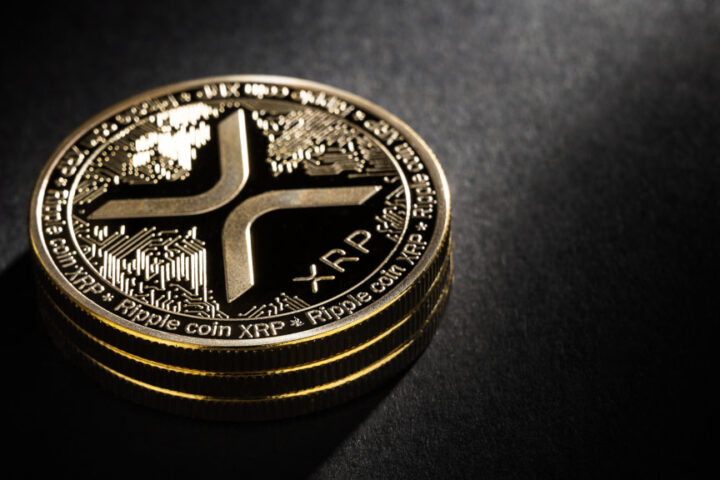

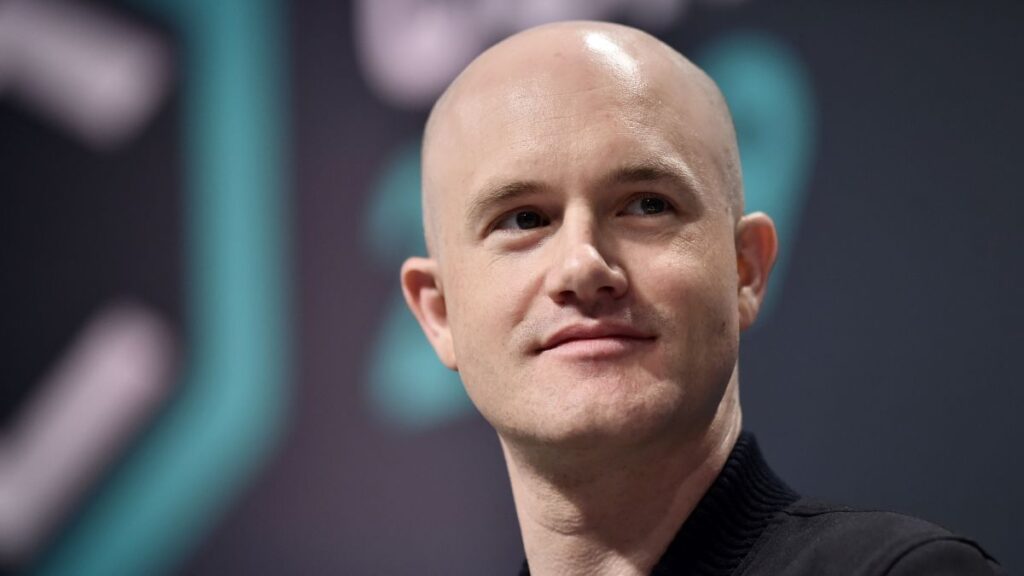
Cathie Wood, the CEO and founder of ARK Investment Management, has expressed her optimism about Coinbase following Ripple’s recent legal victory over the Securities and Exchange Commission (SEC) on July 13.
While Wood acknowledged that the ruling did not entirely favor Ripple, she still viewed it as a positive development for cryptocurrency exchanges as a whole.
Wood’s sentiments align with those of other experts in the crypto industry who believe that the ruling, which determined that XRP tokens sold on exchanges were not securities, could set a favorable precedent for Coinbase and Binance in their ongoing legal battles with the SEC.
Despite receiving a Wells notice in March and facing a lawsuit from the SEC in June, Coinbase’s share price did not reach new lows, indicating resilience in the value of the company’s stock.
READV MORE: Ex-Federal Prosecutor Surprised by Potential SEC Appeal in Ripple Case
On July 17, three of Wood’s ARK Investment exchange-traded funds (ETFs) took advantage of Coinbase’s recent rally and sold a total of 248,838 shares, amounting to $26.3 million at the time.
This came after the ARK Innovation ETF sold an additional $12 million worth of Coinbase stock on July 11.
Coinbase’s shares have seen a significant surge since the beginning of 2023, starting at $33.60 per share and reaching $105.55 at the time of publication, marking an increase of over 184%, according to TradingView data.
While many industry insiders are becoming increasingly bullish on Coinbase, analysts from Berenberg Capital Markets have cautioned that several regulatory aspects concerning crypto exchanges are yet to be resolved.
In an investment note on July 17, lead analyst Mark Palmer highlighted Coinbase Earn, a product offering yield on crypto staking, as particularly vulnerable to being classified as a security.
Palmer’s concerns stemmed from Judge Analisa Torres’ remarks in her ruling on the Ripple case.
In conclusion, Cathie Wood’s positive outlook on Coinbase in light of Ripple’s legal victory reflects a growing optimism within the crypto industry.
However, analysts warn that regulatory challenges for crypto exchanges are still unresolved, and specific products like Coinbase Earn may face scrutiny.
Other Stories:
Web3 Needs Asset Protection, and This Startup Wants to Make it Widely Available
Bitcoin On-Chain Data Reveals $30,000 as Most Popular ‘Buy’ Level

National Australia Bank (NAB) has become the latest major bank in Australia to take action against certain cryptocurrency platforms due to the high risk of scams in the industry.
NAB announced a series of measures on July 17 as part of its “bank-wide scam strategy” to protect customers from fraud.
In addition to stopping millions of dollars in payments between March and July 2023, NAB will implement blocks on “some cryptocurrency platforms” to safeguard customers from scams.
While the specific exchanges were not mentioned, NAB’s executive for group investigations and fraud, Chris Sheehan, stated that the blocks would be imposed on “high-risk” platforms where scams are more prevalent.
Sheehan highlighted the involvement of organized transnational crime groups in cryptocurrency scams, explaining that these criminals are increasingly using cryptocurrency platforms to quickly send stolen funds overseas.
READ MORE: Aave Launches GHO Stablecoin on Ethereum Mainnet
It has been suggested that the cryptocurrency exchange Binance may be affected by NAB’s crypto blocks.
Sheehan indicated that NAB’s approach would align with the rest of the industry, following reports that other major Australian banks, including Westpac and the Commonwealth Bank, have already blocked payments to Binance.
Neither NAB nor Binance provided immediate comments in response to inquiries from Cointelegraph.
NAB reiterated the prevailing narrative among local banks, claiming that nearly 50% of scam funds reported in Australia are linked to cryptocurrency.
The bank emphasized that cryptocurrency scams pose one of the fastest-growing security threats, with Australians losing over $221 million to such scams last year.
In support of their measures, NAB cited a survey indicating that 40% of Australians are willing to accept slower payments if it means better protection against scammers.
As of now, NAB’s decision to block certain cryptocurrency platforms stands, but further information and updates are expected as the situation develops.
Other Stories:
3 Best Crypto PR Agencies – Fees, Results and Full Review
Primed For Major BTC Rally? SEC Begins Review of BlackRock’s Bitcoin ETF Application
Binance Integrates Bitcoin Lightning Network for Lightning-Fast BTC Transactions

Multichain, a Chinese decentralized cross-chain bridge protocol, recently announced its closure after the arrest of its co-founder and CEO, Zhao Jun, and his sister.
Zhao Jun, the alleged sole holder of the private keys to over $1.5 billion in users’ cryptocurrencies stored on Multichain, was reportedly arrested in May, although this information was not initially disclosed by the protocol’s staff.
In late May, Multichain users reported delays in receiving funds, to which the admins attributed a backend node upgrade.
Co-founder Alfred Xu attempted to dispel rumors and assure users that operations were proceeding normally.
However, concerns escalated when it was revealed that Zhao Jun was unreachable, leading to suspicions of a hack or inside job.
On July 7, users discovered unauthorized withdrawals amounting to over $100 million from Multichain’s Fantom Ethereum bridge and other sidechains.
Tether and USD Coin froze around $65 million after the transactions sparked fears of a hack.
READ MORE: Ex-Federal Prosecutor Surprised by Potential SEC Appeal in Ripple Case
Developers found evidence suggesting abnormal transfers of user assets and discovered that Zhao Jun’s sister had moved the remaining assets to her controlled addresses as an “asset preservation action.” Subsequently, Zhao Jun’s sister was also arrested.
The arrest of Zhao Jun and his sister has left Multichain in disarray, as they were the only ones with access to operational funds, user assets, servers, and even the project’s website.
With no access to crucial resources, the project’s development team can no longer function effectively.
The reasons behind Zhao Jun’s arrest and the charges against him remain unknown, but under Chinese law, seized funds may be considered proceeds of crime, potentially leading to their seizure by the state. Multichain’s users now face uncertain prospects, and the platform’s TVL (Total Value Locked) has plummeted to $139 million.
In a separate incident, cryptocurrency exchange Binance faced its own challenges. On its sixth anniversary, Binance announced layoffs of up to 1,000 employees, primarily in the global and customer service sectors, as part of ongoing reorganization.
The exchange attributed the layoffs to the challenges posed by an ongoing U.S. Department of Justice investigation.
Binance’s CEO, Changpeng Zhao (CZ), responded to the layoffs by stating that the company was still hiring and that the numbers reported by the media were exaggerated.
However, on July 17, it was reported that Binance had stopped employee reimbursements for various expenses, citing the current market environment, regulatory climate, and the need to reduce expenses.
Binance is currently engaged in litigation with the U.S. Securities and Exchange Commission and the U.S. Commodities and Futures Trading Commission over allegations of offering unregistered securities and operating an unregistered exchange in the U.S.
Both Multichain and Binance’s recent troubles highlight the risks and challenges faced by cryptocurrency projects and exchanges, emphasizing the need for transparency, security, and regulatory compliance in the industry.
Other Stories:
3 Best Crypto PR Agencies – Fees, Results and Full Review
Bitcoin On-Chain Data Reveals $30,000 as Most Popular ‘Buy’ Level
Web3 Needs Asset Protection, and This Startup Wants to Make it Widely Available

The Israel Defense Forces (IDF) has incorporated artificial intelligence (AI) into its operations to select targets for air strikes and coordinate wartime logistics, amid escalating tensions in the occupied territories and with Iran.
While specific details remain classified, the IDF employs an AI recommendation system to analyze large amounts of data and identify targets for air strikes.
The subsequent planning and execution of raids are facilitated by another AI model called Fire Factory, which calculates munition loads, assigns targets to aircraft and drones, and proposes a schedule.
Human operators oversee these systems and approve individual targets and air raid plans. However, there is currently no international or state-level regulation governing the use of this technology.
Supporters argue that AI algorithms can surpass human capabilities and potentially minimize casualties.
Critics, on the other hand, caution against the potential deadly consequences of relying on increasingly autonomous systems.
Concerns arise regarding accountability and the lack of explainability in AI decision-making. Mistakes or errors in AI calculations could lead to devastating consequences, such as the unintended destruction of innocent lives.
READ MORE: Former SEC Official Criticizes Ripple Ruling as ‘Troublesome on Multiple Fronts’
The IDF has gained battlefield experience with AI systems during periodic conflicts in the Gaza Strip, where it employs AI to identify rocket launchpads and deploy drone swarms.
Israel also conducts raids in Syria and Lebanon, targeting weapons shipments to Iran-backed militias like Hezbollah.
As tensions with Iran escalate, the IDF anticipates retaliatory actions from Iranian proxies in multiple fronts, necessitating AI-based tools like Fire Factory for rapid decision-making and response.
The IDF has expanded its use of AI across various units to position itself as a global leader in autonomous weaponry.
It has developed a vast digital architecture, encompassing drone and CCTV footage analysis, satellite imagery interpretation, electronic signals analysis, and other data processing for military purposes.
The Data Science and Artificial Intelligence Center, operated by the IDF’s 8200 unit, plays a crucial role in interpreting this torrent of information.
The secretive nature of AI development raises concerns about the potential for semi-autonomous systems to transition into fully autonomous killing machines, removing humans from decision-making positions.
One worry is that the rapid adoption of AI surpasses research into its inner workings. The lack of transparency in how algorithms reach their conclusions and the involvement of private companies and militaries in algorithm development further exacerbate these concerns.
While the IDF acknowledges the complexity of understanding AI decision-making, it claims that its military AI systems leave behind traceability, allowing human operators to recreate the steps taken by the AI.
Ethical concerns surround the development and use of AI in military applications.
Israeli leaders have expressed their intention to make the country an “AI superpower,” but details regarding investment and specific defense contracts remain undisclosed.
The lack of an international framework to address responsibility for civilian casualties or unintended escalations caused by AI systems is a significant challenge.
The need for rigorous testing and data training to ensure precision and accuracy in AI systems is another critical consideration.
Some experts argue that integrating AI into battlefield systems can potentially reduce civilian casualties and improve operational efficiency.
However, the risks and potential negative outcomes cannot be overlooked.
Calls have been made for the IDF to restrict the use of AI exclusively to defensive purposes, emphasizing the importance of value-based decisions that cannot solely rely on AI.
In conclusion, the IDF’s use of AI in target selection and logistics coordination presents both advantages and ethical concerns.
While AI has the potential to enhance military capabilities, the lack of transparency, accountability, and regulation raise significant questions about the consequences of relying on increasingly autonomous systems in conflict scenarios.
Other Stories:
Binance Integrates Bitcoin Lightning Network for Lightning-Fast BTC Transactions
Primed For Major BTC Rally? SEC Begins Review of BlackRock’s Bitcoin ETF Application
The CEO of Haun Ventures, Katie Haun, a former federal prosecutor turned chief executive of a crypto-focused venture capital fund, expressed her surprise at the possibility of an immediate appeal from the United States Securities and Exchange Commission (SEC) regarding the Ripple case ruling.
Haun believes that the SEC benefits from the lack of legal clarity in the current situation.
On July 13, Judge Analisa Torres granted a partial summary judgment in favor of Ripple Labs, determining that XRP is not a security.
While some commentators speculated that the SEC might appeal the decision, Haun took to Twitter on July 15 to explain her skepticism about an immediate appeal.
She stated that the SEC likely wants to maintain the current confusion as it works in their favor, and losing on appeal could put their future enforcement actions at risk.
Haun’s perspective is supported by Ripple Labs CEO Brad Garlinghouse, who also believes that it will take several years before the SEC decides to lodge an appeal.
READ MORE: Synthetix Expands DeFi Offering with Introduction of Infinex Derivatives Exchange
Garlinghouse further suggested that an appeal from the SEC would only reinforce Judge Torres’ decision that XRP is not a security.
Jeremy Hogan, a U.S. lawyer and Ripple commentator, shared his belief that the SEC might launch an appeal after the scheduled trial between the SEC and Ripple concludes in early 2024.
The SEC is currently involved in lawsuits against prominent crypto exchanges Binance and Coinbase for alleged securities law violations.
The recent ruling in the Ripple case, while not a binding precedent, could potentially influence the outcomes of these cases.
In response to the ruling and the resulting confusion, many crypto commentators and lawmakers are urging Congress to provide legal clarity for the cryptocurrency industry.
Brian Quintenz, the former commissioner of the Commodity Futures Trading Commission and head of policy for crypto venture capital fund a16z, argued that the Ripple court ruling only adds to the existing uncertainty faced by entrepreneurs and builders in the crypto space.
U.S. Senator Cynthia Lummis emphasized the urgent need for Congress to establish a clear and comprehensive regulatory framework for the cryptocurrency industry, highlighting the significance of the recent ruling.
Other Stories:
Eeon Intervenes in SEC Lawsuit Against Binance, Seeks Representation for Customers
Investor Spends $1.04 Million on PEPE Coin as Ripple CEO Criticizes SEC in Landmark Case
ARK Invest Sells More Coinbase Shares, Expands Investments in Meta Platforms and Robinhood

The crypto space is rife with phishing scams, fraud, and hacks, making it incredibly dangerous and tough to navigate for the newbies. This problem affected banks and traditional institutions as well, until deposit insurance came to the rescue. Now, a new startup called FairSide wants to bring the same peace of mind to crypto asset holders.
The latest crypto winter of 2022 was particularly rough on regular users, as they had to navigate half a dozen major bankruptcies and exchange collapses. Companies like Celsius, BlockFi, Babel Finance, who promised their users consistent yield on their crypto, fell like dominoes in a systemic solvency crisis. The sudden crash of FTX in November 2022 helped break a decade-old record for the largest value of crypto lost in fraud or hacks in a year.
Self-custody might seem like the obvious solution, but it’s also a path fraught with peril. Phishing attacks in crypto can be incredibly sophisticated, going as far as using advanced deepfakes of important people. Over $2 million in NFTs gets stolen from users in phishing attacks and exploits every month. Software wallets can get compromised by viruses, SIM swaps, or physical break-in. And even if the user avoids all targeted attacks, catching a DeFi hack is very likely.
Web3 and crypto can be exciting, and offer the opportunity for making outsized returns, but that’s because the risk of losing it all is immense. Insuring assets could alleviate many of these risks, just like the FDIC insurance program did in 1933 for bank deposits.
Unfortunately, asset coverage in crypto has been lacking so far. There are a number of DeFi “insurance” projects protecting against hacks in a particular protocol, but their coverage is limited, and there are several instances of them refusing to honour their claims because of technicalities. In any case, no insurance coverage exists for individual hacks and scams.
FairSide aims to introduce a true safety net to the Web3 space, focusing on all the issues that could result in tokens and NFTs getting stolen, including phishing, man-in-the-middle attacks, clipboard hijacking, local frontend hacking and many others.
The FairSide system provides what the team calls “Blanket Coverage” to cover all possible instances of personal crypto theft. The coverage costs 1.95% of the user’s wallet value per year, and it can secure up to 100 ETH per wallet, currently worth about $190,000 — quite close to the FDIC’s $250,000 insurance limit. Compared to other forms of coverage in crypto, the fixed premium makes for much more predictable returns at a fairly low price.
The program lasts for a full year, is fully cross-chain and applies for any type of personal wallet including MetaMask, Ledger and others. For now, FairSide doesn’t provide general coverage against hacks for a particular DeFi or NFT protocol, given that it’s a more complex model targeted mostly at high net worth individuals.
A protocol where anyone can become the insurer
FairSide’s vision is to provide coverage for the regular people, and it allows anyone to stake their assets to receive fee proceeds from the insurance premiums.
This is a major advance allowed by Web3. Traditional companies need to bootstrap a huge amount of capital to ensure that they don’t get bankrupted by a bad year where everyone submits claims. But with DeFi staking, it’s possible to easily bootstrap the reserve through the community by sharing some of the fees collected for the service.
In FairSide’s case, the staking is powered by a combination of the platform’s FSD token and ETH, which are tied together in a pool following a special bonding curve. Its goal is to modify the price and liquidity of FSD based on the protocol’s demand for capital.
When the protocol is well-capitalized, the curve will adjust to increase the price of FSD in ETH and disincentivize staking more capital. When the protocol needs more capital, the curve will instead lower the price of FSD. Unlike regular DEX pools, the system directly mints a matching amount of FSD when staking ETH, which is given back to the user as a representation of their ETH.
There are additional FSD staking benefits, including membership fees, and “strong hands” rewards, where users who have staked the longest receive the most rewards, which is useful to maintain a stable level of liquidity in the insurance pool.
Coverage as the key to tame the crypto Wild West
With stories of hacks and fraud saturating the popular perception about crypto, there won’t be a new bull cycle until people can feel safe when interacting with crypto. Self-custody is important, but very few people are willing to put in the work required to do it safely (for example, using air-gapped computers).
There are some ways to protect against DeFi hacks, but with the bear market, the general DeFi yield is not enough to justify the risks incurred. For example, Sherlock, an auditing platform providing a “warranty” for its audits, is reportedly running near empty on its reserves following a couple of incidents.
Better security practices, and potentially regulation for centralized entities, is bound to improve the situation at a general ecosystem level. But the individual dangers of self-custody will always remain, which is why FairSide may be the key to a general solution to this problem.

MOOKY, the groundbreaking memecoin poised to redefine the crypto landscape, is gearing up to make its grand debut in July 2023. With an array of exciting features such as CEX listings, NFT integration, and an extensive marketing campaign, MOOKY is set to establish itself as the leading memecoin of the year.
As the final stage of the presale approaches, anticipation is reaching new heights. Investors and crypto enthusiasts eagerly await the opportunity to get their hands on MOOKY tokens and be part of this groundbreaking journey.
One of the key milestones for MOOKY is its upcoming listing on prominent exchanges, BitMart and LBank. This strategic partnership will provide MOOKY with increased accessibility and liquidity, attracting a broader audience of investors. Additionally, the team is planning an exciting Uniswap launch to enhance further MOOKY’s presence in the decentralized finance (DeFi) ecosystem.
In line with its innovative approach, MOOKY recognizes the significance of non-fungible tokens (NFTs) in the crypto space. Integrating NFT functionality, MOOKY opens up new avenues for token utility and engagement. The team envisions a vibrant NFT marketplace where MOOKY holders can explore unique digital assets and unlock exclusive experiences.
To ensure widespread awareness and adoption, MOOKY is rolling out an extensive marketing campaign. By leveraging various channels and influencers, MOOKY aims to capture the attention of the crypto community and beyond. The team is dedicated to fostering a strong and supportive community where members can connect, share insights, and contribute to MOOKY’s success.
With the final presale stage underway and the launch just around the corner, now is the perfect time to get involved with MOOKY. Stay tuned for more updates and announcements as MOOKY revolutionizes the memecoin space in 2023.
To learn more about MOOKY and participate in the presale, visit www.mooky.io.
About MOOKY
MOOKY is a forward-thinking memecoin that aims to redefine the crypto landscape in 2023. With its CEX listings, NFT integration, and extensive marketing campaign, MOOKY is set to lead the way as the top memecoin of the year. Join the MOOKY community and be part of the future of memecoins.

According to recent on-chain data, the popular “buy” level for Bitcoin (BTC) is at $30,000, as indicated by the highest number of transactions occurring near this price point. Glassnode, a crypto analytics firm, monitors unspent transaction outputs (UTXOs) and reveals that the largest number of UTXOs were created at a price of $30,200.
To accurately reflect real purchasing events, the firm excludes coin movements between addresses controlled by the same entity and supply held on exchanges, which could distort the mean purchasing price.
The data suggests that there is significant demand for BTC at the $30,000 level, despite the current price action stalling. In fact, 3.8% of the total BTC supply was last moved at $30,200, surpassing even the volume moved at $16,500, which marked the area near the 2022 post-FTX bottom.
These findings have led some market participants, such as pseudonymous trader Mikybull Crypto, to anticipate a potential significant movement in the BTC price.
Furthermore, additional on-chain data supports the notion that long-term holders are uninterested in selling their BTC, despite the price doubling this year.
Glassnode’s Hodled or Lost Coins metric, which examines the “liveliness” of the Bitcoin blockchain, reveals that “old and large stashes” of BTC continue to reach new record highs.
This metric provides insights into the supply’s stagnancy and includes BTC that is likely to be inaccessible indefinitely, such as when owners lose access to their wallets.
Read our review of the best Crypto PR agencies
Currently, the Hodled or Lost Coins segment accounts for 7.77 million BTC, equivalent to approximately $233 billion.
This represents the highest tally in the past five years.
Previous estimates have suggested that around 20% of Bitcoin’s total supply of 21 million units may already be permanently locked from circulation.
In summary, the on-chain data indicates that the $30,000 level is the most popular “buy” level for Bitcoin, with a significant number of transactions occurring at this price.
Additionally, long-term holders are reluctant to sell their BTC, resulting in a stagnant supply. These insights provide valuable information for market participants and suggest that a significant price movement may be on the horizon.
Other Stories:
Investor Spends $1.04 Million on PEPE Coin as Ripple CEO Criticizes SEC in Landmark Case
ARK Invest Sells More Coinbase Shares, Expands Investments in Meta Platforms and Robinhood
Synthetix Expands DeFi Offering with Introduction of Infinex Derivatives Exchange

AnubisDAO, a decentralized finance (DeFi) project inspired by dogs, fell victim to a rug-pulling incident nearly two years ago.
The perpetrators made off with almost $60 million worth of Ether (ETH). However, the stolen funds have resurfaced as they were recently discovered being moved through Tornado Cash.
Back in October 2021, AnubisDAO managed to raise 13,556 ETH from cryptocurrency investors, capitalizing on the popularity of Dogecoin (DOGE) at the time.
Unfortunately, within just 20 hours of the investment, the funds were maliciously sent to a different address, resulting in a complete loss for the unsuspecting investors.
Fast forward to the present, and it has been revealed that the illicitly obtained funds were channeled through Tornado Cash, a decentralized protocol known for facilitating private transactions.
READ MORE:Synthetix Expands DeFi Offering with Introduction of Infinex Derivatives Exchange
The individuals responsible for the theft divided the 13,556 ETH into multiple transactions of 100 ETH each, as evidenced by a transaction history screenshot.
PeckShield, a blockchain investigator, alerted the community to the exploit when t. value of the 13,556 ETH stood at approximately $60 million.
As of the time of writing, the stolen funds are now worth around $26.2 million.
While some of the defrauded investors hold out hope for a recovery of their funds once the bear market improves, such an outcome is highly unlikely.
Consequently, potential investors are strongly advised to conduct thorough research on projects and their founders before committing any funds.
The consequences of the multichain exploit extended beyond AnubisDAO. Geist Finance, a lending protocol, was compelled to permanently shut down due to losses resulting from the exploit.
In a recent announcement, the Geist Finance team confirmed that lending and borrowing services will not be reinstated.
Furthermore, a technical complication related to this incident renders it “impossible” for Geist Finance to resume lending.
Reactivating lending functionality would result in unfavorable debt for holders of non-Multichain coins such as Magic Internet Money (MIM) or Fantom (FTM), which are currently valued at $0.26.
The incident involving AnubisDAO serves as a reminder of the risks associated with investing in the crypto space. Vigilance, thorough due diligence, and caution are essential when considering investments in DeFi projects.
Other Stories:
Eeon Intervenes in SEC Lawsuit Against Binance, Seeks Representation for Customers
Investor Spends $1.04 Million on PEPE Coin as Ripple CEO Criticizes SEC in Landmark Case
ARK Invest Sells More Coinbase Shares, Expands Investments in Meta Platforms and Robinhood
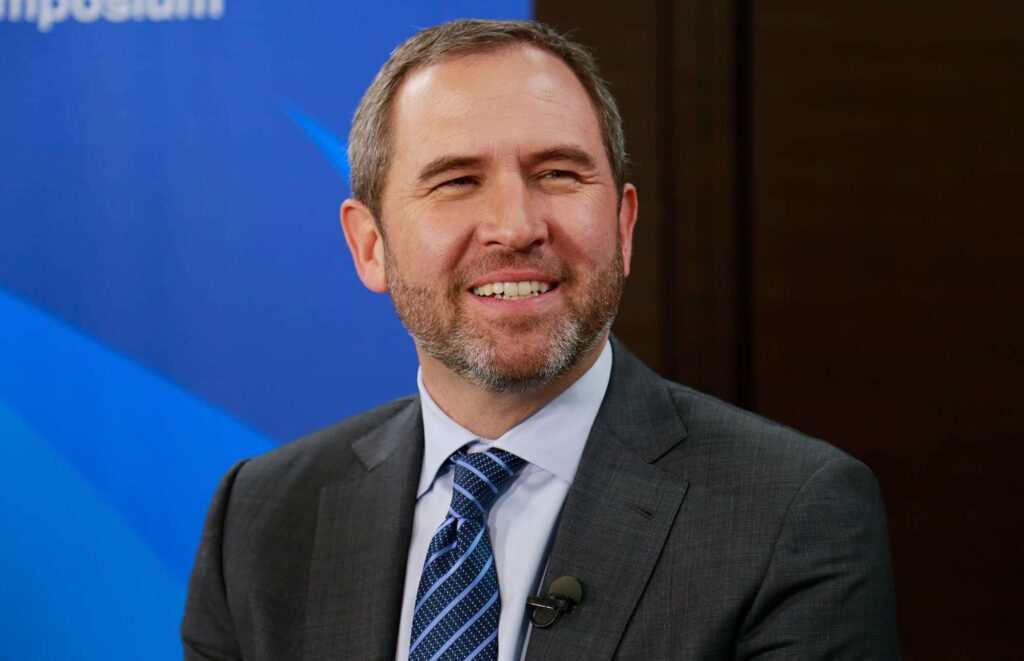
In a LinkedIn analysis, former Securities and Exchange Commission (SEC) official John Reed Stark criticized the recent ruling on Ripple Lab’s case, describing it as “troublesome on multiple fronts.”
Stark dissected Judge Analisa Torres’ decision from July 13, which favored Ripple in a lawsuit brought by the SEC in 2020. The SEC alleged that Ripple’s XRP token, valued at $0.74, was a security.
Judge Torres concluded that the XRP token was a security when sold to institutional investors but not in “programmatic sales” and other types of sales, such as token distribution to employees.
Ripple also faces penalties and potential rescission for institutional investors, involving sales of approximately $720 million.
According to the ruling, institutional investors had a reasonable expectation that Ripple would utilize the capital from sales to enhance the XRP ecosystem and increase the token’s price.
READ MORE: Eeon Intervenes in SEC Lawsuit Against Binance, Seeks Representation for Customers
In contrast, investors purchasing XRP tokens through exchanges could not reasonably expect the same outcome.
Stark raised concerns about the decision, claiming it established a discriminatory “class of quasi-securities” based on the investor’s sophistication.
He expressed disbelief that the same token could be considered a security in some instances but not in others, and that retail investors with less knowledge would receive less protection.
Stark highlighted the contradiction between the decision and investor protection principles, arguing that investors’ level of protection should not depend on their familiarity with the materials related to the asset purchase.
He noted that securities laws were designed to safeguard individual investors who may not have the ability to fend for themselves, but the Ripple decision appeared to contradict this principle.
Given his extensive experience as an attorney in the SEC’s Enforcement Division, Stark believed the decision was on shaky ground and likely to be appealed and overturned.
He predicted that the SEC would appeal to the 2nd Circuit, and the District Court’s rulings on “programmatic” and “other sales” would be overturned.
While Judge Torres’ ruling was viewed as a victory by the crypto community and Ripple, CEO Brad Garlinghouse anticipated a prolonged process before the SEC could appeal.
Garlinghouse also regarded the institutional sale decision as the least significant aspect of the lawsuit, suggesting that an appeal against the retail sale ruling would only strengthen Torres’ decision.
Overall, the Ripple case has sparked controversy and raised important questions about the classification of cryptocurrencies and the extent of investor protection under securities laws.
The final outcome remains uncertain as the legal battle continues.
Other Stories:
Synthetix Expands DeFi Offering with Introduction of Infinex Derivatives Exchange
ARK Invest Sells More Coinbase Shares, Expands Investments in Meta Platforms and Robinhood
Investor Spends $1.04 Million on PEPE Coin as Ripple CEO Criticizes SEC in Landmark Case