


Meta and Microsoft have joined forces to introduce Llama 2, an open-source large language model developed by Meta that will be integrated into Microsoft’s Windows operating system and Azure cloud computing platform.
The collaboration between the two tech giants was officially announced on July 18. Llama 2, designed specifically for business and research purposes on Meta’s AI technology stack, is now available for free use in both academic and commercial settings.
Additionally, the model has been optimized to run seamlessly on Windows.
Meta claims that Llama 2 has been trained using a significantly larger dataset, incorporating 40% more publicly available online sources compared to its predecessor, Llama 1.
This enhancement allows Llama 2 to process twice as much context, boosting its performance in coding, proficiency, reasoning, and knowledge tests.
However, the company acknowledges that Llama 2 falls slightly behind closed-source competitors like OpenAI’s GPT-4 in terms of efficiency, as highlighted in one of Meta’s research papers.
READ MORE: FSB Proposes Global Regulatory Framework for Cryptocurrencies
Expressing his enthusiasm, Meta CEO Mark Zuckerberg took to Instagram on July 18 to emphasize the benefits of Llama 2, stating that it provides researchers and businesses with a cutting-edge language model as the foundation for their work.
Meta has been pleasantly surprised by the overwhelming demand for Llama 1 since its limited release in February.
Despite only offering limited access, the company received over 100,000 requests. Unfortunately, Llama 1 was later leaked online by a user on the imageboard website 4chan.
In contrast, ChatGPT, another popular language model, enjoyed tremendous success, attracting an estimated 100 million or more users within the first three months, as reported by Reuters in February.
With this partnership, Microsoft has now established itself as a supporter of two major players in the AI domain. In 2023 alone, the company invested a total of $13 million in OpenAI, according to a Fortune report published in January.
Meta’s decision to open source Llama received criticism from two US senators in June.
The senators raised concerns about the potential vulnerabilities in the initial version of Llama, suggesting that it could be exploited by malicious actors for criminal purposes.
Overall, the collaboration between Meta and Microsoft aims to advance the capabilities of large language models, providing researchers and businesses with powerful tools while addressing any potential risks associated with their deployment.
Other Stories:
PEPE Coin in Trouble? Financial Regulator Clamps Down On Crypto Memes
SEC Chair Gary Gensler Advocates Greater Use of Artificial Intelligence for Market Surveillance
Celo Blockchain Plans Transition to Ethereum Layer-2 Solution

Bitcoin’s performance in the second quarter of 2023 has been strong, with its market dominance increasing against altcoins that experienced losses during the period, as reported by CoinGecko.
The crypto data aggregator released its Q2 industry report on July 18, revealing that Bitcoin (BTC) and Ether (ETH) continued to build on their gains from the previous quarter.
While Bitcoin and Ether made progress, other cryptocurrencies suffered double-digit losses.
Binance Coin (BNB), XRP, and Cardano (ADA) were among the hardest hit. BNB and ADA were particularly affected due to their classification as securities in lawsuits against Binance and Coinbase filed by the Securities and Exchange Commission.
The decentralized finance (DeFi) sector also took a hit, with tokens like Uniswap (UNI), Chainlink (LINK), and Lido (LDO) experiencing significant losses.
Metaverse and play-to-earn tokens, including Axie Infinity (AXS), Sandbox (SAND), and Decentraland (MANA), also faced losses of up to 40%.
Bitcoin’s dominance reached a two-year high of over 52% in late June but subsequently dropped below 50% due to an altcoin rally fueled by Ripple’s partial court victory.
READ MORE: PEPE Coin in Trouble? Financial Regulator Clamps Down On Crypto Memes
However, most altcoins that had gained following the XRP pump lost their gains, returning the market to its pre-ruling state.
CoinGecko’s report highlighted that the total market capitalization remained relatively stable throughout the quarter, starting and ending at $1.2 trillion.
As the third quarter began, the market cap remained unchanged at $1.2 trillion.
Bitcoin emerged as the winner of the period, outperforming the rest of the market with a gain of nearly 7%.
However, the average daily trading volume for BTC declined by 58.7% compared to the previous quarter.
Despite this decline, the report stated that Bitcoin still outperformed most major asset classes in Q2, trailing only behind the NASDAQ and S&P 500.
With most altcoins, except for XRP, currently experiencing a retreat, the prospects for an early “altseason” are diminishing. Bitcoin continues to maintain its position as the dominant cryptocurrency in the market.
Other Stories:
Celo Blockchain Plans Transition to Ethereum Layer-2 Solution
SEC Chair Gary Gensler Advocates Greater Use of Artificial Intelligence for Market Surveillance
FSB Proposes Global Regulatory Framework for Cryptocurrencies
Fidelity Digital Assets recently released its “Q2 2023 Signals Report” on July 18, expressing a positive outlook for Ether (ETH) in both the short and long term.
While the investment firm is optimistic about Ether’s performance in the coming months, it doesn’t necessarily believe that the current bullish trend will be sustained.
To assess the accuracy of Fidelity’s analysis, let’s compare it against network and market data.
Fidelity’s bullish outlook for Ether is supported by several factors.
First, the report highlights the network’s higher burn rate compared to coin issuance, which has resulted in a net supply decrease of over 700,000 Ether since the Merge in September 2022.
Additionally, the report points to an increasing number of Ethereum addresses transacting for the first time, indicating healthy network adoption.
Furthermore, the report mentions a 15% rise in the number of active Ethereum validators during the second quarter, indicating increased participation in securing the network.
READ MORE: Celo Blockchain Plans Transition to Ethereum Layer-2 Solution
The anticipated upgrade of the leading decentralized exchange (DEX), Uniswap, is another potential bullish factor for the Ethereum network.
Uniswap v4 is expected to introduce features such as programmable buttons, native ETH support, and a singleton contract, which could improve the efficiency and cost-effectiveness of smart contracts.
If the upgrade includes the implementation of EIP-1153, it could help Ethereum regain market share lost due to high gas fees. Presently, Ethereum’s total value locked has decreased to its lowest level since April 2020.
The upgrade could also boost decentralized application activity, which has declined recently, as indicated by decreased usage of platforms like Uniswap, 1inch Network, MetaMask Swap, and OpenSea.
Despite these positive indicators, derivatives metrics have remained flat, signaling caution among professional traders.
Ether quarterly futures currently trade at a premium of 4% compared to spot markets, below the neutral threshold. This suggests reduced enthusiasm for leveraged bullish positions on ETH.
Additionally, investor sentiment may have become overly optimistic due to Ether’s 59% gains year-to-date.
A survey of North American cryptocurrency investors revealed that 46% named Ether as the top contender to surpass Bitcoin.
However, it’s important to note that the survey did not inquire about the likelihood of any coin eventually flipping Bitcoin.
While Fidelity’s analysis provides valid reasons for its bullish stance on Ether’s performance over the next 12 months, it acknowledges the challenges posed by high gas fees and reduced interest from leverage buyers in the short term.
These factors increase the chances of Ether’s price breaking below the current bullish channel support.
Other Stories:
PEPE Coin in Trouble? Financial Regulator Clamps Down On Crypto Memes
SEC Chair Gary Gensler Advocates Greater Use of Artificial Intelligence for Market Surveillance
FSB Proposes Global Regulatory Framework for Cryptocurrencies
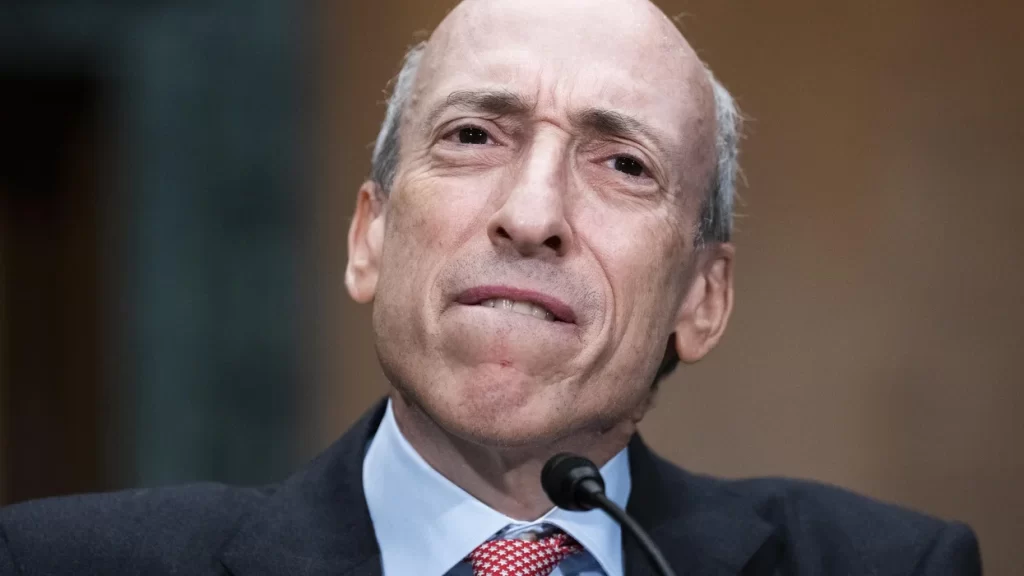
New York Representative Ritchie Torres has urged Gary Gensler, Chair of the United States Securities and Exchange Commission (SEC), to reconsider the regulator’s stance on cryptocurrencies following a recent court ruling.
In a letter dated July 18, Torres requested that the SEC focus its enforcement efforts on “bonafide bad actors” instead of treating the majority of crypto assets as securities without discrimination.
The lawmaker’s appeal comes in light of a court ruling in the SEC’s case against Ripple, which indicated that the XRP token is largely not a security.
Torres criticized the lack of clarity and guidance provided by the SEC under Chair Gensler’s leadership.
He pointed out that the commission has not issued any rules on crypto assets and has been inconsistent in its messages, often contradicting both the Commodities Futures Trading Commission (CFTC) and itself.
Torres echoed the sentiments of other experts who believe that a swift appeal against the court decision is unlikely.
This ruling could also jeopardize the SEC’s case against Coinbase, which the commission filed in June for allegedly offering unregistered securities.
The lawmaker emphasized the need for the SEC to reconsider its regulatory approach to the crypto industry, describing it as a “reckless regulatory assault.”
He called for a reassessment of the commission’s actions, highlighting the urgency of establishing clear regulations for the sector.
READ MORE: SEC Chair Gary Gensler Advocates Greater Use of Artificial Intelligence for Market Surveillance
It is worth noting that Representative Torres coincidentally shares a surname with the judge presiding over the SEC v. Ripple case, Judge Analisa Torres.
He referred to the court ruling as the “Torres Doctrine,” likely in reference to the judge rather than himself, as he expressed confidence in the judge’s decision-making. Representative Torres is a member of the Congressional Blockchain Caucus.
The response from the SEC to the court ruling remains uncertain. Chair Gensler expressed disappointment on July 17 regarding the potential impact on retail investors, and the commission is still deliberating on the actions it may take in response.
The development raises questions about the future regulatory landscape for cryptocurrencies in the United States and the SEC’s approach under Chair Gensler’s leadership.
Other Stories:
Celo Blockchain Plans Transition to Ethereum Layer-2 Solution
PEPE Coin in Trouble? Financial Regulator Clamps Down On Crypto Memes
FSB Proposes Global Regulatory Framework for Cryptocurrencies

FTX Australia, the local subsidiary of the bankrupt crypto exchange, has had its financial license canceled by the Australian financial services regulator.
The announcement was made by the Australian Securities and Investments Commission (ASIC) on July 19, and the cancellation came into effect on July 14.
However, FTX Australia will still be allowed to provide limited financial services until July 12 next year, as it wraps up its dealings with clients.
ASIC emphasized that FTX Australia is obligated to make arrangements for compensating clients until the specified date.
The exchange had approximately 30,000 retail clients and served 132 local companies, making the compensation process a significant undertaking.
In November of the previous year, ASIC had already suspended FTX Australia’s Australian Financial Services (AFS) license, which allowed the exchange to create derivatives and foreign exchange contracts for its local clients.
This suspension occurred shortly after the Bahamian-based parent company, FTX, filed for bankruptcy on November 11, 2022.
Following FTX’s bankruptcy filing, voluntary administrators from KordaMentha, an investment and advisory firm based in Sydney, were appointed to aid in the restructuring of FTX Australia and its subsidiary, FTX Express.
READ MORE: FSB Proposes Global Regulatory Framework for Cryptocurrencies
In a recent report submitted to a United States bankruptcy court, the restructuring chief for FTX’s global entity disclosed that approximately $7 billion in liquid assets had been recovered.
However, an estimated $8.7 billion worth of customer assets were allegedly misappropriated, indicating a significant shortfall.
There have been reports suggesting that FTX may re-launch as an entirely new exchange.
The restructuring team has been engaging in discussions with potential parties interested in providing financial backing for this potential reboot.
If successful, this relaunch could offer a fresh start for the troubled exchange.
As FTX Australia grapples with the cancellation of its financial license, it faces the challenging task of winding down its operations and compensating its clients.
The aftermath of the bankruptcy filing and the potential re-launch of FTX pose both uncertainties and possibilities for the future of the exchange and its stakeholders.
Other Stories:
PEPE Coin in Trouble? Financial Regulator Clamps Down On Crypto Memes
SEC Chair Gary Gensler Advocates Greater Use of Artificial Intelligence for Market Surveillance
Celo Blockchain Plans Transition to Ethereum Layer-2 Solution
The cryptocurrency industry has experienced significant growth in terms of employment despite notable instances of cryptocurrency failures.
Research conducted by K33, a crypto research startup, reveals a substantial surge of nearly 160% in the number of individuals working in crypto-related positions since 2019.
In their report titled “The Emerging Crypto Industry,” K33 estimates that the total headcount of crypto professionals reached nearly 190,000 individuals in 2023, compared to approximately 73,000 in 2019.
The industry experienced its peak in terms of staff numbers in 2021, surpassing 211,000 professionals. This growth coincided with Bitcoin’s impressive performance, reaching an all-time high price of $68,000 in November 2021.
While the number of crypto employees has seen a reduction of approximately 11% since 2021, it remains significantly higher than four years ago.
This increase appears to align with the fluctuation of Bitcoin’s price, which surged over 300% from its average annual price of around $7,200 in 2019.
The findings of K33 are supported by data from various major industry players.
READ MORE: 3 Best Crypto PR Agencies – Fees, Results and Full Review
For instance, Kraken, a prominent cryptocurrency exchange, has witnessed a 150% rise in staff numbers since 2019, according to Pranesh Anthapur, the firm’s chief people officer.
Similarly, Trezor, a major hardware wallet company, has increased its headcount by 120% since 2019, as reported by CEO Matej Zak.
These companies prioritize long-term talent retention and development, even during bear markets.
Kraken’s Anthapur highlights the significance of securing the right talent to navigate the challenges of disrupting traditional finance.
Trezor’s Zak emphasizes their focus on building and retaining talent over cyclical hiring and firing based on short-term market trends.
Despite the overall growth in employment, the cryptocurrency industry has also witnessed layoffs at various firms, including Coinbase, Binance, Crypto.com, Dapper Labs, and Kraken.
Binance, in particular, reportedly laid off more than 1,000 employees recently, following a 20% reduction in staff announced in May.
Interestingly, while some major firms have engaged in significant layoffs, other crypto giants have maintained relatively small workforces.
Tether, the issuer of the world’s largest stablecoin, employs only around 60 individuals, according to a company spokesperson.
They emphasize a cautious approach to hiring, prioritizing employee well-being and future prospects, and demonstrating a track record of not downsizing staff even during previous downturns in the crypto market.
Overall, despite the challenges and setbacks faced by the cryptocurrency industry, the number of people employed in crypto-related roles has experienced substantial growth, indicating the continued interest and potential of the industry.
Other Stories:
Web3 Needs Asset Protection, and This Startup Wants to Make it Widely Available
Bitcoin On-Chain Data Reveals $30,000 as Most Popular ‘Buy’ Level
Ex-Federal Prosecutor Surprised by Potential SEC Appeal in Ripple Case

Crypto firms and influencers operating in the United Kingdom may soon be required to include disclaimers on crypto-related memes to ensure compliance with advertising laws.
The Financial Conduct Authority (FCA), the country’s financial regulator, recently released proposed guidance on social media financial promotions, specifically targeting promotional memes and financial influencers, also known as “finfluencers.”
The FCA highlighted the presence of promotional memes from crypto firms that many people are unaware are subject to its promotional rules.
While promotional memes are particularly prevalent in the crypto sector, the FCA emphasized that any form of communication could be deemed a financial promotion.
Considering crypto investments as high-risk, the FCA permits their advertisement to retail investors but imposes certain requirements, such as the inclusion of risk warnings and a ban on investment incentives.
According to the FCA, in the fourth quarter of 2022, 69% of financial promotions on websites or social media from authorized firms were either amended or withdrawn following the regulator’s intervention.
To update its existing 2015 guidance and provide clearer expectations for marketers regarding promotions, the FCA initiated this consultation.
READ MORE: Web3 Needs Asset Protection, and This Startup Wants to Make it Widely Available
The FCA also expressed concern about the growing number of finance-oriented influencers promoting financial products without sufficient knowledge, particularly targeting younger audiences.
It warned influencers that promoting financial products without adequate expertise could result in legal consequences, including up to two years of imprisonment, an unlimited fine, or both.
The law applies not only to promotions originating outside the UK but also those that may impact the country.
To support its stance, the FCA referred to a report indicating that over 60% of individuals aged 18 to 29 follow social media influencers, with three-quarters expressing trust in their advice.
A 2021 FCA survey revealed that 58% of respondents under 40 cited social media hype and news as reasons for investing in cryptocurrencies, which the regulator deems a high-risk product.
In summary, the FCA’s proposed guidance aims to ensure compliance with advertising laws by requiring disclaimers on crypto memes and warning financial influencers about the legal consequences of promoting financial products without sufficient knowledge.
This move intends to safeguard consumers, especially younger individuals who may be influenced by social media endorsements.
Other Stories:
Bitcoin On-Chain Data Reveals $30,000 as Most Popular ‘Buy’ Level
3 Best Crypto PR Agencies – Fees, Results and Full Review
Ex-Federal Prosecutor Surprised by Potential SEC Appeal in Ripple Case
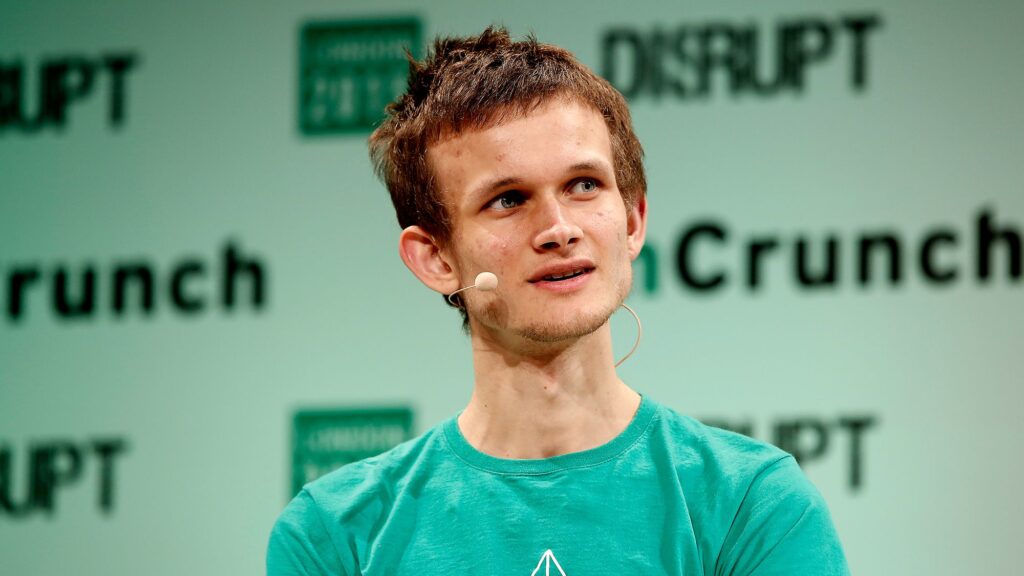
CLabs, the organization behind the development of the Celo blockchain, is planning to make a significant move by transitioning from its independent EVM-compatible layer-1 blockchain to an Ethereum layer-2 solution.
This shift back to the Ethereum ecosystem is aimed at leveraging the benefits of the OP Stack architecture and enabling Celo developers to access the full range of Ethereum tooling and libraries more easily.
The proposed transition includes several key elements. Firstly, an off-chain data availability layer, operated by Ethereum node operators and protected by restaked Ether (ETH), would be established.
This would enhance the security of the network while maintaining low gas fees. The current validators would also be transformed into decentralized sequencers for the layer-2 solution.
Layer-1 and Layer-2 blockchains differ in purpose and design. Layer-1 networks are self-sufficient, while Layer-2 solutions are designed to improve the performance of Layer-1 blockchains rather than operate independently.
Read our crypto PR agency guide
The benefits of this transition, as outlined in the proposal, include increased security and the potential for lower gas costs compared to other layer-2 solutions.
The proposal will be discussed on a governance call on July 21 and subsequently released for a “temperature check” the following day.
Adopting this proposal would not affect end-users or CELO tokenholders, who would retain control over core contracts through voting on governance proposals. CELO tokens would also continue to be used for gas payments.
While the transition appears to be primarily a technical upgrade, it could have various implications for the Celo ecosystem.
On one hand, it may facilitate increased liquidity flow between Celo and other chains. On the other hand, it could impose additional costs on sequencers, including fees on the data availability layer and gas on the Ethereum network.
The potential impact on sequencers’ rewards compared to current validators’ rewards remains uncertain.
Celo has been focusing on improving its mobile experience and incorporating enhanced functionality and specific features to cater to the needs of developing economies.
By aligning with Ethereum’s layer-2 solution, Celo aims to enhance its capabilities while continuing to serve as a technological payment solution in these economies.
In an increasingly competitive blockchain landscape, this move by CLabs demonstrates their commitment to innovation and their recognition of the advantages offered by Ethereum’s layer-2 solutions.
Other Stories:
ARK Invest Sells More Coinbase Shares, Expands Investments in Meta Platforms and Robinhood
Synthetix Expands DeFi Offering with Introduction of Infinex Derivatives Exchange
Investor Spends $1.04 Million on PEPE Coin as Ripple CEO Criticizes SEC in Landmark Case

The Financial Stability Board (FSB), an international organization responsible for overseeing the global financial system, has developed a comprehensive global regulatory framework for cryptocurrencies.
The guidelines have been presented to the G20, which represents the 20 leading economies worldwide. The framework is built on the principle of “same activity, same risk, same regulation.”
On July 17, the FSB released a public note and two separate guideline documents.
These documents comprise high-level recommendations for regulating cryptocurrencies in general, as well as revised recommendations specifically focused on “global stablecoins.”
The latter refers to stablecoins that have the potential for cross-jurisdictional usage.
The FSB emphasizes the importance of segregating clients’ digital assets from the funds of crypto platforms and maintaining clear functional separation to avoid conflicts of interest.
Cross-border cooperation and oversight by regulators are essential in ensuring the effectiveness of these measures.
While acknowledging the value of privacy, the FSB urges local regulators to ensure that activities related to decentralized finance (DeFi) protocols do not hinder the identification of responsible entities or affiliated entities.
READ MORE: Former SEC Official Criticizes Ripple Ruling as ‘Troublesome on Multiple Fronts’
The recommendations state that authorities should have access to necessary data to fulfill their regulatory and supervisory mandates.
Regarding global stablecoins, the FSB highlights the need for stablecoin issuers to establish a “governance body” consisting of identifiable and responsible legal entities or individuals.
Issuers are expected to hold reserve assets in a minimum proportion of 1:1 unless they are subject to prudential requirements equivalent to those imposed on commercial banks.
One notable addition to the guidelines is the potential requirement for global stablecoin issuers to obtain permits to operate in each jurisdiction.
The FSB states that GSC arrangements should not be permitted within a jurisdiction unless they meet all regulatory, supervisory, and oversight requirements, including obtaining affirmative approval.
The FSB plans to assess the worldwide implementation of its recommendations by the end of 2025.
In September 2023, in collaboration with the International Monetary Fund, it will submit a joint report on existing policies and regulatory issues to the G20.
In alignment with the FSB’s stance, the Association for Financial Markets in Europe recently urged European Union lawmakers to incorporate decentralized finance (DeFi) into the first EU-wide crypto framework, referencing the FSB’s position on the matter.
Other Stories:
Aave Launches GHO Stablecoin on Ethereum Mainnet
Primed For Major BTC Rally? SEC Begins Review of BlackRock’s Bitcoin ETF Application
Binance Integrates Bitcoin Lightning Network for Lightning-Fast BTC Transactions
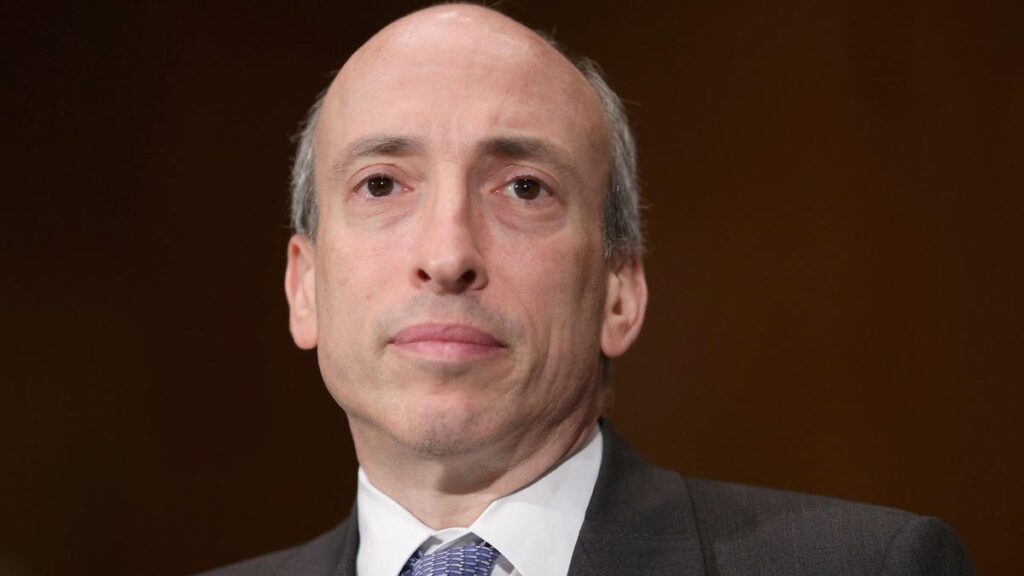
Gary Gensler, the chair of the United States Securities and Exchange Commission (SEC), has expressed his belief in the potential benefits of artificial intelligence (AI) for the agency’s staff.
In a speech delivered on July 17 at the National Press Club, Gensler outlined several areas where AI could assist the SEC in its role as a securities watchdog.
Gensler emphasized the value of AI in market surveillance, disclosure review, exams, enforcement, and economic analysis, stating, “We at the SEC also could benefit from staff making greater use of AI in their market surveillance, disclosure review, exams, enforcement, and economic analysis.”
The chair highlighted the importance of leveraging AI to enhance the efficiency and effectiveness of regulatory processes.
While Gensler did not provide specific details on how the SEC could employ AI, he praised the technology and its potential positive impact on financial markets and humanity as a whole.
He acknowledged the transformative nature of AI, comparing it to other groundbreaking technologies such as the internet and mass production of automobiles.
However, Gensler also acknowledged the lingering issues associated with AI. He pointed out that many AI systems suffer from biases, deception, privacy infringements, and conflicts of interest.
Biased predictive AI models, for example, may inaccurately reflect historical biases, leading to false predictions.
READ MORE: Web3 Needs Asset Protection, and This Startup Wants to Make it Widely Available
Gensler himself fell victim to misinformation when a fabricated AI-generated text of his resignation circulated online.
Conflicts of interest can arise when AI systems prioritize company interests over customer interests.
Gensler highlighted the need for the SEC to address potential conflicts across various investor interactions and requested recommendations from SEC staff for rule proposals.
Moreover, Gensler expressed concern about the emergence of AI monopolies and their potential impact on the economy, even suggesting a potential role in future financial crises.
He emphasized the SEC’s commitment to taking action against fraudsters who misuse AI to deceive the public, asserting that fraud remains fraud regardless of the technology employed.
In an interview with Yahoo Finance, Gensler reiterated the SEC’s responsibility to pursue those who employ AI for fraudulent purposes, emphasizing that the regulator is authorized and mandated by Congress to take action against such misconduct.
Overall, Gensler recognizes the immense potential of AI in enhancing the SEC’s capabilities as a regulatory body.
While acknowledging the challenges and risks associated with AI, he remains committed to leveraging its benefits while addressing its shortcomings to ensure the integrity and protection of investors and financial markets.
Other Stories:
3 Best Crypto PR Agencies – Fees, Results and Full Review
Bitcoin On-Chain Data Reveals $30,000 as Most Popular ‘Buy’ Level
Web3 Needs Asset Protection, and This Startup Wants to Make it Widely Available