



Fidelity Investments, a prominent asset manager, has taken a step forward in its pursuit of a spot Bitcoin exchange-traded fund (ETF).
As disclosed in a filing by Cboe BZX Exchange with the United States Securities and Exchange Commission (SEC) on June 19, Fidelity has submitted an application for the ETF.
This move by Fidelity follows a series of similar applications made by other financial giants.
BlackRock, WisdomTree, Invesco, and Valkyrie had all submitted their respective spot Bitcoin ETF applications in the preceding days, with BlackRock initiating the trend on June 15.
According to Bloomberg, a total of seven spot Bitcoin ETF applications have been filed this year. Notably, Fidelity, WisdomTree, and Invesco are making a second attempt at securing approval for their spot BTC ETFs.
The applications submitted for the spot Bitcoin ETFs emphasize the significance of the regulated CME Bitcoin Futures market as it pertains to the spot Bitcoin market.
Fidelity’s application, much like others, argued extensively on this point and supported its claim with thorough research.
In its 193-page application, Fidelity stated, “The lack of a Spot Bitcoin ETP exposes U.S. investor assets to significant risk because investors that would otherwise seek crypto asset exposure through a Spot Bitcoin ETP are forced to find alternative exposure through generally riskier means.”
It also highlighted past instances, such as the cases of FTX, Celsius, BlockFi, and Voyager Digital, where investors had resorted to riskier alternatives due to the absence of a spot Bitcoin ETP.
Fidelity Digital Assets Services, a regulated custodian licensed by the New York Department of Financial Services, would be entrusted with the custody of the trust’s Bitcoin.
Furthermore, Cboe BZX Exchange announced its intent to establish a surveillance-sharing agreement with a United States-based cryptocurrency exchange.
It’s worth noting that the SEC is yet to approve any of the applications for a spot Bitcoin ETF. Fidelity’s filing, using the 19b-4 form, revealed that the firm is reviving its Wise Origin Bitcoin Trust product, which was initially submitted for approval in March 2021.
Unfortunately, the previous application was rejected despite two deliberation extensions.
With approximately $11 trillion in assets under administration, Fidelity Investments holds significant clout in the financial industry.
If approved, its spot Bitcoin ETF would provide investors with a regulated and more accessible avenue for exposure to Bitcoin, reducing the need for riskier alternatives.
However, the ultimate decision rests with the SEC, and the market awaits their verdict on these applications.
Other Stories:
Bankrupt Crypto Exchange FTX Takes Steps Towards Relaunching as a New Entity
SEC Commissioner Pushing For ‘Reserved’ Approach to Cryptocurrency Regulation
EDX Cryptocurrency Exchange Prepares to Switch Custody Providers
Solana’s Cardinal protocol is ceasing operations due to economic conditions, after raising $4.4 million approximately a year ago to enhance the utility of nonfungible tokens (NFTs).
The protocol recently announced on Twitter that users should make their withdrawals by August 26.
Cardinal Labs, an infrastructure provider, had focused on supporting NFT use cases on the Solana network by offering protocols and software development kits (SDKs) for various purposes, including staking, rentals, subscriptions, royalties, and trading.
As per the closing schedule, certain operations will be halted on July 19.
These include staking pool creations, token management, NFT rentals and rental extensions, social media handles, and new deposits.
Users are required to complete their withdrawals by August 26, when the two-month notice period ends.
The Cardinal team expressed their efforts to navigate the challenging macroeconomic environment since their inception 18 months ago.
They acknowledged that NFT-based products have gained traction but mentioned that they have remained confined within the crypto maximalist community.
In July 2022, Cardinal raised $4.4 million in a seed funding round co-led by Protagonist, a crypto venture firm, and Solana Ventures, along with participation from Animoca Brands, Delphi Digital, CMS Holdings, and Alameda Research, the sister company of the now-bankrupt crypto exchange FTX.
A spokesperson clarified that Alameda’s investment constituted a small portion of the funding round and did not contribute to the protocol’s financial difficulties.
Neo Ventures also provided $750,000 in pre-seed funding in 2021. In total, Cardinal secured $5.2 million in funding over 18 months, attracting over 65,000 staked NFTs on the protocol by July 2022.
Despite the challenging times, the NFT market is gradually maturing.
A recent report from DappRadar indicates that the NFT market had a promising start to the year, with Q1 2023 being the best quarter since Q2 2022.
Although trade volume decreased in March, overall performance remained strong due to intense competition among NFT marketplaces.
Other Stories:
EDX Cryptocurrency Exchange Prepares to Switch Custody Providers
Bankrupt Crypto Exchange FTX Takes Steps Towards Relaunching as a New Entity
SEC Commissioner Pushing For ‘Reserved’ Approach to Cryptocurrency Regulation

Manchester, UK, June 30th, 2023, Chainwire
Manchester City and OKX, one of the leading crypto exchanges by trading volume and a leading Web3 technology company, today announced OKX as the Club’s Official Sleeve Partner in a new multi-year agreement.
As part of the expanded deal, the OKX brand will feature on the left sleeve of both the men’s and women’s first team playing kits and will retain its position on the left sleeve of the first team training kits, in addition to appearing across further digital and physical club assets.
OKX’s partnership with Manchester City began in March 2022, first expanding in July 2022 to become the Club’s Official Training Kit Partner for the 2022/23 season. To date, the partnership has helped introduce the brand to millions of football fans around the world through innovative Web3 experiences like the OKX Collective, through which fans can get up-close-and-personal with Manchester City players and OKX Ambassadors such as Jack Grealish and Alex Greenwood.
The partnership expansion was unveiled at an exclusive reveal at the Etihad Stadium featuring City Football Group Chief Executive Officer Ferran Soriano and OKX Global Chief Marketing Officer Haider Rafique. As part of the event, the sleeve was unveiled in a ‘virtual reveal’ with a hero video featuring player avatars. Manchester City legend Gaël Clichy was also in attendance for a media Q&A.
In a session moderated by Manchester City presenter Natalie Pike, Rafique and Soriano spoke about OKX’s vision of reaching City fans around the world through the partnership. They also discussed the role Web3 technology can play in fan engagement, especially when it comes to designing engaging, immersive experiences for fans.
Ferran Soriano, Chief Executive Officer at City Football Group, said: “We are very proud to have OKX represented on the sleeve of the Manchester City shirt. Both OKX and Manchester City are leading companies driven by a passion for innovation. We have already seen great Web3 experiences designed by OKX for Manchester City’s global fan base and there will be many more to come. This is a very exciting partnership.”
Haider Rafique, CMO at OKX, said: “The journey with the Man City team has been incredible. Manchester City was our first official global brand partnership and in just a year and a half we have come a long way. We always intended to integrate with the sport and help the Club lead on leaning into Web3. Fast forward fifteen months, we now have a metaverse, an NFT initiative and a number of other new projects that we are excited about.
The sleeve partnership brings us closer to City fans across the globe, and we look forward to collaborating to create unique, exciting and innovative engagements through Web3 technology. As the Club’s Official Cryptocurrency Exchange Partner, fans can expect amazing things every time they interact with OKX.”
About OKX
OKX is a world-leading technology company building the future of trading and Web3. Its leading self-custody solutions include the Web3-compatible OKX Wallet, which allows users greater control of their assets while expanding access to DEXs, NFT marketplaces, DeFi, GameFi and thousands of dApps.
OKX partners with a number of the world’s top brands and athletes, including: English Premier League champions Manchester City F.C., McLaren Formula 1, The Tribeca Festival, Olympian Scotty James, and F1 driver Daniel Ricciardo.
OKX is committed to transparency and security and publishes its Proof of Reserves on a monthly basis.
To learn more about OKX, download our app or visit: okx.com
About Manchester City Football Club
Manchester City FC is an English Premier League club initially founded in 1880 as St Mark’s West Gorton. It officially became Manchester City FC in 1894 and has since then gone onto win the UEFA Champions League, European Cup Winners’ Cup, nine League Championship titles, seven FA Cups and eight League Cups. Manchester City FC is one of 13 clubs comprising the City Football Group.
Under manager Pep Guardiola, one of the most highly-decorated managers in world football, the Club plays its domestic and UEFA Champions League home fixtures at the Etihad Stadium, a spectacular 53,500 seat arena that City has called home since 2003. Today, the stadium sits on the wider Etihad Campus, which also encompasses the City Football Academy, a state-of-the-art performance training and youth development facility located in the heart of East Manchester. Featuring a 7,000-capacity Academy Stadium, the City Football Academy is also where Manchester City Women’s Football Club and the Elite Development Squad train on a daily basis and play their competitive home games.
Disclaimer
OKX IS NOT REGULATED BY THE FCA, THUS, PROTECTIONS SUCH AS THE FINANCIAL OMBUDSMAN SERVICE OR FINANCIAL SERVICES COMPENSATION SCHEME WILL NOT BE AVAILABLE. YOU SHOULD CONSIDER WHETHER YOU UNDERSTAND HOW CRYPTO WORKS AS THE VALUE OF YOUR ASSETS, INCLUDING STABLECOINS, CAN INCREASE OR DECREASE AND PROFITS MAY BE SUBJECT TO CAPITAL GAINS TAX. PAST PERFORMANCE DOES NOT INDICATE FUTURE RESULTS.
Contact
Media
[email protected]
0788118718
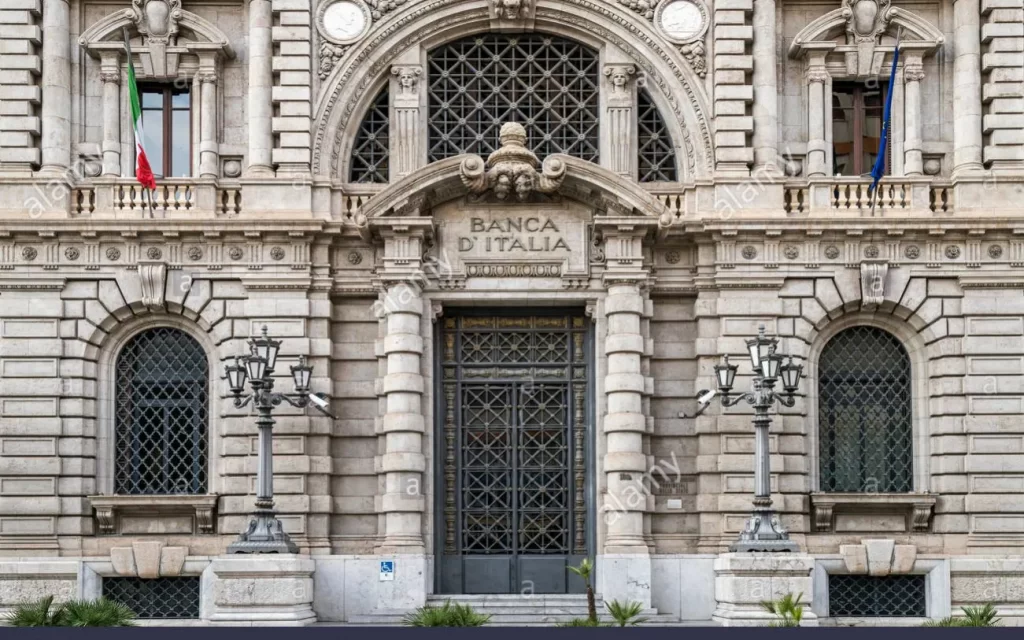
Italy’s top banking authority is advocating for a robust and risk-based regulatory framework for stablecoins in order to prevent a worst-case scenario of a “run” on stablecoins.
The central bank’s latest report, titled “Markets, Infrastructures and Payment Systems” for June, emphasizes the need for regulators to apply financial conduct standards to stablecoin issuers.
The report highlights the significant consumer harm caused by the rise of cryptocurrencies and the boom and bust cycles experienced in an unregulated environment.
The Italian bank considers stablecoin issuers to be a priority for regulatory attention due to their close connection to decentralized finance (DeFi).
It asserts that implementing a strong and risk-based regulation of stablecoins is crucial to reduce the fragility of the DeFi ecosystem, given the asset class’s prominent role in decentralized finance.
Furthermore, the report states that stablecoins have not proven to be stable at all, citing the collapse of Terra’s algorithmic stablecoin, TerraClassicUSD (USTC), in May 2022.
The bank argues that the industry needs to dispel the “decentralization illusion” by recognizing that many decentralized protocols are controlled by core stakeholders who often benefit disproportionately.
The Italian banking authority suggests that such projects should be required to operate within traditional, accountable business structures before participating in the regulated financial sector.
However, the report clarifies that not all crypto assets or activities should be subject to financial services regulation.
It proposes that regulation should primarily focus on those crypto assets that serve customers’ financial needs through payment or investment functions.
In addition to financial applications, the report acknowledges the non-financial use cases enabled by blockchain technology, including decentralized identification, real estate, supply chain management, voting, and carbon credits.
Italy’s central bank also emphasizes the importance of international cooperation and the establishment of an international regulatory framework.
Since the technology operates beyond national borders, a coordinated effort is necessary to effectively regulate the crypto industry.
In conclusion, Italy’s top banking authority calls for a robust and risk-based regulatory approach to stablecoins, highlighting the need to prevent “runs” on stablecoin issuers.
It emphasizes the connection between stablecoins and DeFi and advocates for synchronization in policy interventions.
The report also emphasizes the importance of dispelling the illusion of decentralization and suggests international cooperation for the establishment of a regulatory framework.
Other Stories:
Sale of FTX’s $500 Million Stake In AI Startup Paused, Hindering Efforts To Fill $2 Billion Gap
Bitcoin (BTC) Miners Experience Record Surge in Revenue Sent to Exchanges
Drop Wireless, NextEPC To Reshape The Future Of Cellular Connectivity And Bridge The Digital Divide

Coinbase, the leading American cryptocurrency exchange, has taken a strong stance in its legal battle against the United States Securities and Exchange Commission (SEC) by filing a motion to dismiss the SEC’s complaint.
The motion, submitted to the U.S. District Court for the Southern District of New York on Thursday, June 29, raises concerns about the SEC’s interpretation of securities laws, suggesting that the agency is overstepping its legal authority.
In its bid to challenge the SEC’s lawsuit, Coinbase’s legal team argues in the motion that even if the allegations in the lawsuit are true, the plaintiff lacks a valid legal claim.
The filing asserts that the SEC’s actions not only violate Coinbase’s due process rights but also constitute an extraordinary abuse of process, demanding dismissal of the case.
Coinbase’s determination to defend its position against the SEC’s claims is evident in this motion.
The SEC’s lawsuit accuses Coinbase of facilitating unregistered trading of 12 digital tokens that the agency considers securities.
However, Coinbase has strongly contested this allegation, asserting that the SEC is applying securities laws to digital tokens in a manner that deviates significantly from existing legal frameworks.
Paul Grewal, Coinbase’s chief legal officer, expressed this sentiment in a tweet on June 29, stating that the SEC’s claims “go far beyond existing law” and should be dismissed accordingly.
The SEC’s definition of securities encompasses investment contracts, which have been interpreted by the Supreme Court through the Howey test to include transactions where individuals invest money in a common enterprise with the expectation of primarily profiting from the efforts of others.
The SEC’s lawsuit identifies 12 crypto tokens, such as Solana, as securities based on this definition.
Coinbase’s legal team also highlighted that in 2021, the SEC had declared the company’s registration statement effective, allowing Coinbase to sell its shares to investors during its public listing.
This approval came after a thorough review process involving extensive discussions between Coinbase and the SEC, spanning several months.
Consequently, Coinbase was authorized to trade over 240 tokens on its spot exchange, including six of the 12 tokens currently disputed by the SEC.
By filing this motion to dismiss, Coinbase continues to challenge the SEC’s lawsuit and its interpretation of securities laws.
The outcome of this legal battle will not only impact Coinbase’s operations but also shape the regulatory landscape for the broader cryptocurrency industry in the United States.
Other Stories:
Bankrupt Crypto Exchange FTX Takes Steps Towards Relaunching as a New Entity
US Federal Reserve Stress Tests: Largest Banks Pass Severe Recession Scenario
SEC Commissioner Pushing For ‘Reserved’ Approach to Cryptocurrency Regulation

The price of Bitcoin (BTC) remained within a narrow trading range between $30,000 and $31,000, showing no significant upward or downward movement, according to data from Cointelegraph Markets Pro and TradingView.
However, market participants started to anticipate a potential breakthrough above resistance levels.
Several traders and analysts expressed optimism about Bitcoin’s future performance.
A popular trader known as Jelle tweeted that Bitcoin’s current price action resembled its breakout in late 2020, suggesting a potential upward trend.
Another prominent analyst, Rekt Capital, pointed out positive signs on monthly timeframes, indicating that Bitcoin was positioning itself for a monthly close above a resistance level that had previously rejected its price.
Michaël van de Poppe, the founder and CEO of trading firm Eight, echoed the positive sentiment, stating that both Bitcoin and altcoins were showing promising movements, suggesting the possibility of another upward leg in the markets.
On the macroeconomic front, market participants were eagerly awaiting the release of major data, including comments on economic policy by Jerome Powell, the chair of the United States Federal Reserve.
The volatility catalyst for risk assets was expected to be the Personal Consumption Expenditures (PCE) figures, which served as Powell’s preferred inflation measurement tool.
Additionally, the options open interest expiry on June 30 attracted attention, as it amounted to a substantial $4.7 billion.
Traders speculated on the potential impact of this expiration on the crypto market, with some expecting spot buying from dealers to hedge their books if the options were rolled into more calls.
Tedtalksmacro, a financial commentator, suggested that there might be limited movement in the crypto market until the expiry of the options open interest.
Overall, while Bitcoin remained range-bound in the short term, market participants showed growing optimism about a potential breakout above resistance levels.
Traders and analysts highlighted similarities to past bullish trends, and the release of macroeconomic data, including PCE figures and the options expiry, was expected to bring potential volatility to the market.
Other Stories:
SEC Commissioner Pushing For ‘Reserved’ Approach to Cryptocurrency Regulation
EDX Cryptocurrency Exchange Prepares to Switch Custody Providers
Bankrupt Crypto Exchange FTX Takes Steps Towards Relaunching as a New Entity

During a panel discussion at Collision 2023 in Toronto, Anthony Scaramucci, the founder of Skybridge Capital and former White House communications director, expressed his concerns about the impact of disgraced crypto executive Sam Bankman-Fried on the regulatory landscape in the United States.
According to Scaramucci, Bankman-Fried’s actions have had a detrimental effect on the industry.
Scaramucci stated that Bankman-Fried’s behavior had not only embarrassed politicians but also resulted in a swing towards over-regulation and excessive prosecutorial oversight in the United States.
He pointed out that Bankman-Fried had made substantial donations to politicians, including spending a significant amount of time with Gary Gensler, the chair of the Securities and Exchange Commission (SEC).
However, the subsequent controversies surrounding Bankman-Fried’s activities had caused a backlash and a shift towards stricter regulations.
When asked about the crypto regulatory environment in Canada compared to the United States, Scaramucci praised Canada for learning from the mistakes of the US and adopting a different approach.
He explained that Canada had actively engaged with industry players to develop fair regulations and protect against bad actors.
By working closely with legislators, they had established guidelines that fostered the growth of the Canadian crypto and digital asset space.
Scaramucci also commented on the future of cryptocurrency exchanges and expressed his admiration for Binance CEO Changpeng Zhao, also known as CZ, who is a Canadian national.
He commended CZ’s execution and the growth of Binance, which has become a dominant player in the market.
However, Scaramucci noted that transparency had been a concern and criticized some past actions. He emphasized that while the SEC has filed a lawsuit against Binance, no criminal charges have been brought forth yet.
In his closing statements, Scaramucci acknowledged that CZ would face criticism but maintained that he would remain the most influential person in the crypto industry.
Scaramucci highlighted CZ’s platform as the key to achieving mass adoption of cryptocurrency while maintaining legitimacy and operating in major jurisdictions worldwide.
Scaramucci’s remarks at the panel underscored his belief that Bankman-Fried’s actions had negatively impacted the crypto regulatory environment in the United States.
In contrast, he praised Canada for its collaborative approach to regulation and expressed optimism about the future of cryptocurrency exchanges under CZ’s leadership.
Other Stories:
EDX Cryptocurrency Exchange Prepares to Switch Custody Providers
SEC Commissioner Pushing For ‘Reserved’ Approach to Cryptocurrency Regulation
Bankrupt Crypto Exchange FTX Takes Steps Towards Relaunching as a New Entity
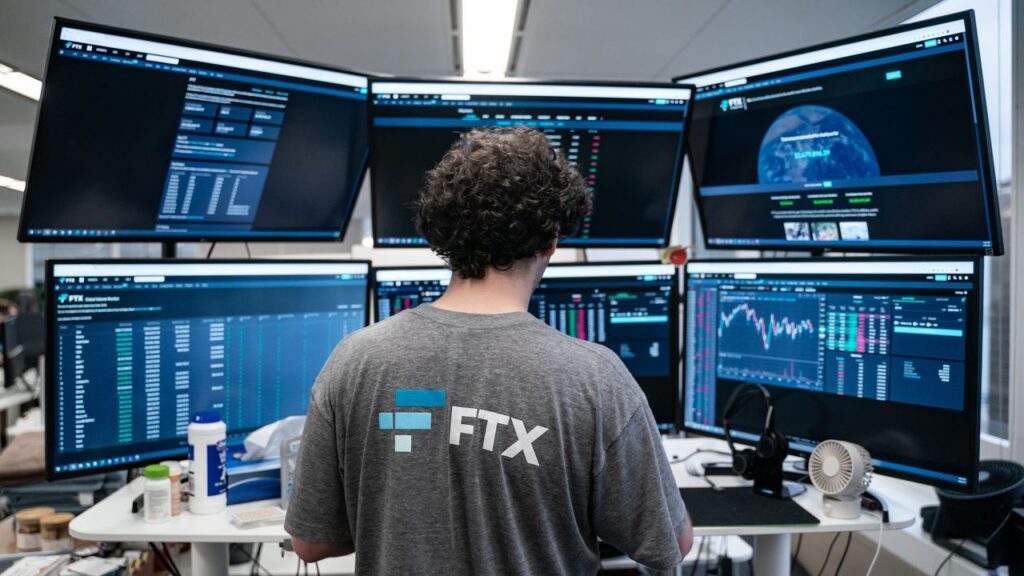
FTX, the bankrupt crypto exchange, is moving closer to relaunching itself as an entirely new exchange, as stated in a recent report from The Wall Street Journal on June 28. John Ray, the restructuring chief at FTX, announced that the company has initiated the process of seeking interested parties for the reboot of the FTX.com exchange.
Sources familiar with the matter revealed that FTX has been engaged in discussions with potential investors regarding financing for the relaunch.
Among the interested parties is Figure, a blockchain lending company. However, Figure did not respond to Cointelegraph’s request for comment.
Potential bidders have been given until the end of the week to submit their Letters of Intent, which outline the terms and conditions for their participation in the process.
Notably, current FTX creditors may be offered a stake in the reorganized crypto exchange, along with other forms of compensation.
In an effort to distance itself from its troubled past, FTX is expected to rebrand with a new name rather than being called “FTX 2.0” or any variation of its original name.
The FTX team, led by John Ray, believes that a reboot is the best course of action to ensure that creditors receive the best possible outcome in terms of repayment.
FTX’s legal team had previously stated in April that they anticipated the launch of the new exchange to be completed sometime in the second quarter of 2024.
However, the recovery process for FTX is not without challenges. A June 26 report highlighted a significant deficit of nearly $2 billion in FTX’s books.
Furthermore, the efforts to recover these missing funds have been further complicated by allegations of the misuse of customer assets by key leadership at FTX.
Daniel Friedberg, a former regulatory officer at FTX, who has been mentioned as an unnamed party in many legal proceedings, was sued by FTX on June 27.
The lawsuit accuses Friedberg of orchestrating “hush money” payments to silence potential whistleblowers and approving fraudulent transfers and loans.
The report on the missing funds also shed light on alleged investments in venture capital firms, a $243 million Bahamian real estate portfolio, and numerous donations to non-profit organizations.
Other Stories:
Bitcoin (BTC) Miners Experience Record Surge in Revenue Sent to Exchanges
Sale of FTX’s $500 Million Stake In AI Startup Paused, Hindering Efforts To Fill $2 Billion Gap
Reshape The Future Of Cellular Connectivity And Bridge The Digital Divide
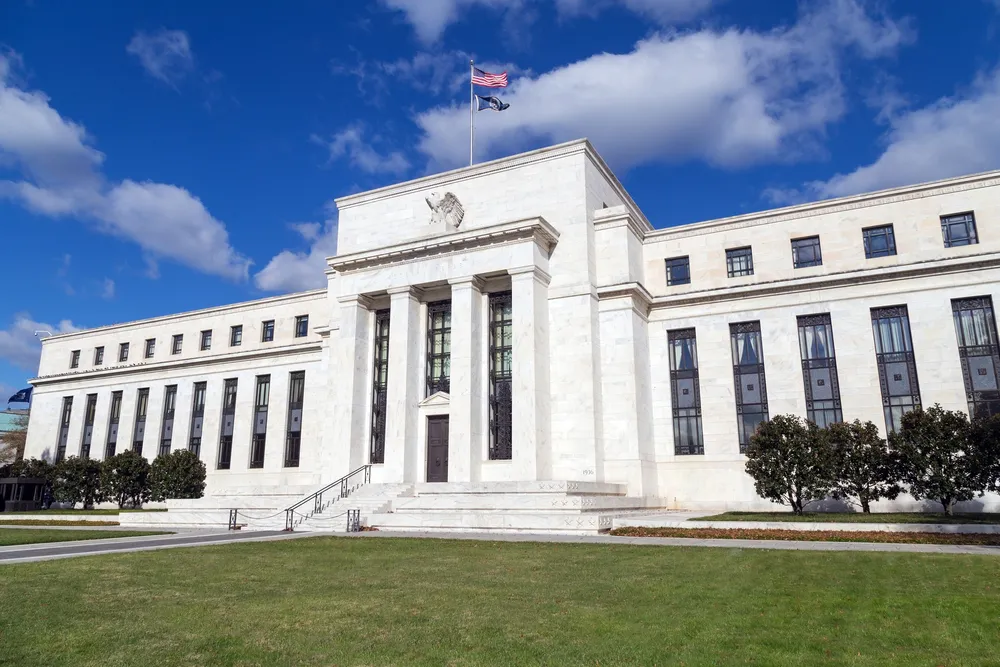
According to the United States Federal Reserve, all 23 of the country’s largest banks have passed the “stress tests” and would be able to withstand a severe recession.
The report, released on June 28, highlighted some weaknesses among midsize and regional banks, although the stress tests only included the participation of the largest lenders.
In light of the banking crisis earlier this year, Federal Reserve policymakers have suggested that future stress tests could become more rigorous.
Michael Barr, the Fed’s vice chair for supervision, emphasized the importance of remaining humble in the face of potential risks and continuing efforts to ensure that banks are resilient to various economic scenarios, market shocks, and other stresses.
Since the 2008 financial crisis, which was caused by U.S. banks, bank stress tests have been conducted annually.
The purpose of these tests is to evaluate the potential losses the banking industry would incur in the event of skyrocketing unemployment and a significant contraction in economic activity.
In this year’s stress test, the Federal Reserve examined a severe global recession scenario that resulted in a 40% decline in commercial property prices and a 38% decline in home property prices.
In the worst-case scenario, unemployment would reach 10%, compared to the current rate of 3.7%. The tests revealed that the 23 largest banks would collectively experience losses amounting to $541 billion in this hypothetical scenario.
To receive a passing grade, a bank must maintain a stressed capital ratio of at least 4.5%, which serves as a crucial indicator of its financial strength, according to the Federal Reserve’s requirements.
Earlier this year, the American banking system was shaken by the collapse of several prominent institutions, including Silicon Valley Bank, Signature Bank, Silvergate Bank, and First Republic Bank.
Others, such as PacWest and Western Alliance, were also teetering on unstable ground.
To address the challenges faced by smaller banks, the Federal Reserve established the Bank Term Funding Program (BTFP) in March, actively providing bailout assistance.
Federal Reserve data indicates that over $100 billion has already been allocated to support struggling small and mid-sized banks.
Overall, the stress tests conducted by the Federal Reserve offer valuable insights into the resilience of the largest banks in the United States while underscoring the need for ongoing efforts to strengthen the banking sector and mitigate potential risks in the future.
Discover the Crypto Intelligence Blockchain Council
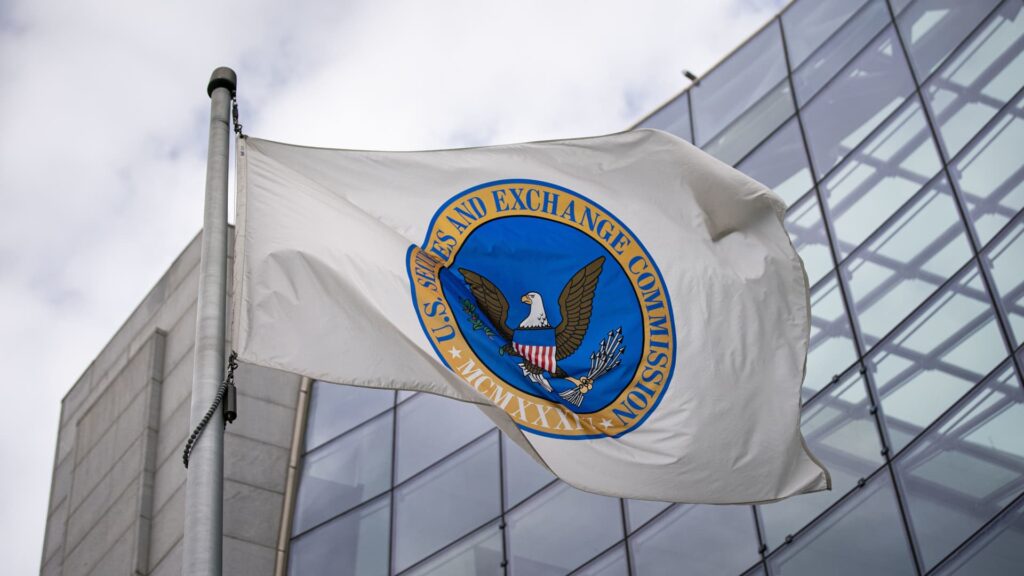
Cryptocurrency laws in the United States should adopt a “reserved” approach and avoid regulating the technology solely from a financial perspective, according to a commissioner at the U.S. Securities and Exchange Commission (SEC).
Commissioner Hester Peirce, often referred to as “Crypto Mom,” shared her views during her remote appearance at Australian Blockchain Week on June 29.
Peirce emphasized the need for regulatory frameworks to acknowledge that cryptocurrencies have applications beyond the financial realm.
While crypto is often associated with financial assets, Peirce highlighted its potential in facilitating decentralized interactions, such as in social media platforms.
She argued that any legal framework should be flexible enough to accommodate the evolving uses of crypto and blockchain technology, while still providing clarity that enables experimentation.
Taking a subtle jab at the SEC’s current approach, which has received criticism from various quarters, Peirce cautioned against delayed enforcement actions resulting from an inflexible regulatory framework. She suggested that regulations should strike a balance between being reserved and offering sufficient clarity, allowing individuals and businesses to explore new possibilities in the crypto space.
When asked about her advocacy for cryptocurrencies, Peirce expressed her belief that the SEC can improve its approach.
She emphasized the importance of being able to speak openly and questioned the purpose of her position if she is unable to do so.
Peirce viewed cryptocurrencies as an opportunity for the SEC to reevaluate its approach to innovation, asserting that the current regulatory stance is inadequate.
Referring to the recent collapse of FTX and subsequent allegations of misconduct, Peirce encouraged the crypto industry to embrace self-regulation.
She stressed the significance of addressing counterparty risks, conflicts of interest, and leverage.
While acknowledging that these steps should ideally be taken without government intervention, Peirce also recognized the potential role of government regulators in this process.
In summary, Commissioner Hester Peirce called for a reserved approach to cryptocurrency regulation in the United States.
She emphasized the need to recognize the broader applications of crypto beyond finance and cautioned against rigid regulatory frameworks. Peirce advocated for a regulatory environment that encourages innovation while still providing clarity.
Furthermore, she encouraged the crypto industry to undertake self-regulation and pay attention to risk factors, suggesting that government regulators could play a supportive role in this endeavor.
Other Stories:
Drop Wireless, NextEPC To Reshape The Future Of Cellular Connectivity And Bridge The Digital Divide
Sale of FTX’s $500 Million Stake In AI Startup Paused, Hindering Efforts To Fill $2 Billion Gap
Bitcoin (BTC) Miners Experience Record Surge in Revenue Sent to Exchanges