



Hong Kong is actively embracing the development of Web3 by establishing a task force comprised of industry and government officials to oversee its progress and ensure ethical growth.
The government’s commitment to the sustainable and responsible development of Web3 was announced in the 2023-24 Budget, with the Financial Secretary, Paul Chan, expressing Hong Kong’s ambition to be a frontrunner in the Web3 sector.
The task force consists of 15 industry participants and 11 key government officials who will collaborate to provide recommendations on the development of Web3 in Hong Kong.
Chan believes that by bringing together leaders and professionals from relevant sectors, the task force will offer valuable advice to transform Hong Kong into a thriving Web3 hub.
The government’s policy statement on virtual asset development, released in October 2022, received a positive response from the market, with over 80 virtual asset-related companies expressing interest in establishing a presence in Hong Kong.
Hong Kong has been actively promoting itself as an attractive destination for cryptocurrency firms.
On June 10, Johnny Ng, a member of the Hong Kong Legislative Council, extended an invitation to global virtual asset trading platforms, including Coinbase, to apply for a virtual asset service provider license in Hong Kong.
This invitation came shortly after the United States Securities and Exchange Commission took legal action against Coinbase on June 6.
The Hong Kong Securities and Futures Commission also announced on May 23 that licensed platforms would soon be able to cater to retail investors, encouraging operators of virtual asset trading platforms to submit license applications if they comply with the proposed guidelines.
With these initiatives, Hong Kong aims to position itself as a leading center for Web3 development and innovation.
By attracting top-notch companies and talent in the field, the region strives to build a thriving ecosystem.
The task force’s supervision and the government’s supportive policies demonstrate Hong Kong’s commitment to fostering sustainable growth in the Web3 sector and establishing itself as a global hub for Web3 technology.
Other Stories:
Crypto ATM Company To Go Public After Announcing Merger
Crypto Scams and Hacks Resulted In Almost $700 Million Loss In First Half of 2023
Paysafe Payment Solutions, the European banking partner of Binance, announced on Thursday that it will no longer offer its embedded wallet solution to the U.S. cryptocurrency exchange across the European Economic Area (EEA) starting from September 25.
In an email to Reuters, Paysafe stated that they are working with Binance to implement a fair and orderly process to terminate this service over the next few months.
Binance confirmed the news and stated that it would be changing its banking provider for euro deposits and withdrawals through the Single Euro Payments Area (SEPA), but no specific details about the new partner were disclosed.
A spokesperson from Binance mentioned that more information will be provided at a later time.
Typically, Binance accesses SEPA through payment intermediaries.
However, the spokesperson assured that during this transition, all methods of depositing and withdrawing other fiat currencies, as well as buying and selling cryptocurrencies on Binance.com, will remain unaffected.
Paysafe’s decision to end its wallet solution comes at a time when Binance is under scrutiny from regulators who are aiming to crack down on money laundering.
In recent developments, Binance and its U.S. affiliate reached an agreement with the Securities and Exchange Commission (SEC) to ensure that customer assets in the United States remain within the country until the resolution of a comprehensive lawsuit filed by the regulatory agency.
Last year, Binance partnered with Paysafe to enable its users to deposit sterling via Faster Payments, a network responsible for overseeing payments and bank account transfers in Britain.
In summary, Paysafe Payment Solutions will no longer offer its embedded wallet solution to Binance across the European Economic Area.
Binance will seek a new banking provider for euro transactions through SEPA.
However, the change will not impact other deposit and withdrawal methods or the trading of cryptocurrencies on Binance.com.
Paysafe’s decision coincides with increased regulatory scrutiny faced by Binance, and the company has also recently resolved an agreement with the SEC regarding customer assets in the United States.
Other Stories:
Crypto Investor Reports Huge Bitcoin (BTC) Gains With Questionable Strategy
Coinbase, the largest cryptocurrency platform in the United States, has announced its intention to request the dismissal of a lawsuit filed against it by the U.S. Securities and Exchange Commission (SEC).
The lawsuit alleges that Coinbase violated the law by failing to register its business.
In a letter submitted to the Manhattan federal court just before midnight on Wednesday, Coinbase argued that the SEC lacks the authority to pursue civil claims because the assets traded on its platform do not fall under the category of “investment contracts” and, therefore, should not be considered securities.
According to Coinbase, the SEC can only pursue its claims if the tokens and staking services in question are classified as securities, which the company asserts they are not.
As of now, there has been no immediate response from the SEC regarding Coinbase’s argument.
The SEC initiated the lawsuit against Coinbase on June 6, accusing the platform of making billions of dollars by acting as a middleman in the trading of at least 13 crypto assets or tokens, such as Solana, Cardano, and Polygon, that should have been registered as securities.
Apart from the alleged securities violations, Coinbase also faces legal action over its “staking” program.
This program involves pooling crypto assets to support blockchain network activity, with customers receiving rewards in exchange for their participation while Coinbase takes commissions.
The SEC’s legal action against Coinbase came shortly after its lawsuit against Binance, the world’s largest cryptocurrency exchange.
The SEC accused Binance of inflating trading volumes, mishandling customer funds, and providing false information about its operations.
SEC Chair Gary Gensler has been actively asserting jurisdiction over the cryptocurrency industry, claiming that it has undermined investor trust in U.S. capital markets.
In a separate filing disputing the SEC’s claims, Coinbase stated that it welcomes regulation but believes the regulator is overstepping its boundaries and attempting to fill a “regulatory gap” without the necessary authorization from Congress.
Coinbase argued that the SEC’s actions in this case exceed its authority and are therefore unlawful.
Following the news of Coinbase’s response, shares of its parent company, Coinbase Global, experienced a 2.2% increase, rising by $1.58 to reach $72.33 during afternoon trading on the Nasdaq.
The lawsuit against Coinbase is officially known as SEC v Coinbase Inc et al, and it is being heard in the U.S. District Court for the Southern District of New York under case number 23-04738.
Other Stories:
Crypto ATM Company To Go Public After Announcing Merger
Crypto Scams and Hacks Resulted In Almost $700 Million Loss In First Half of 2023
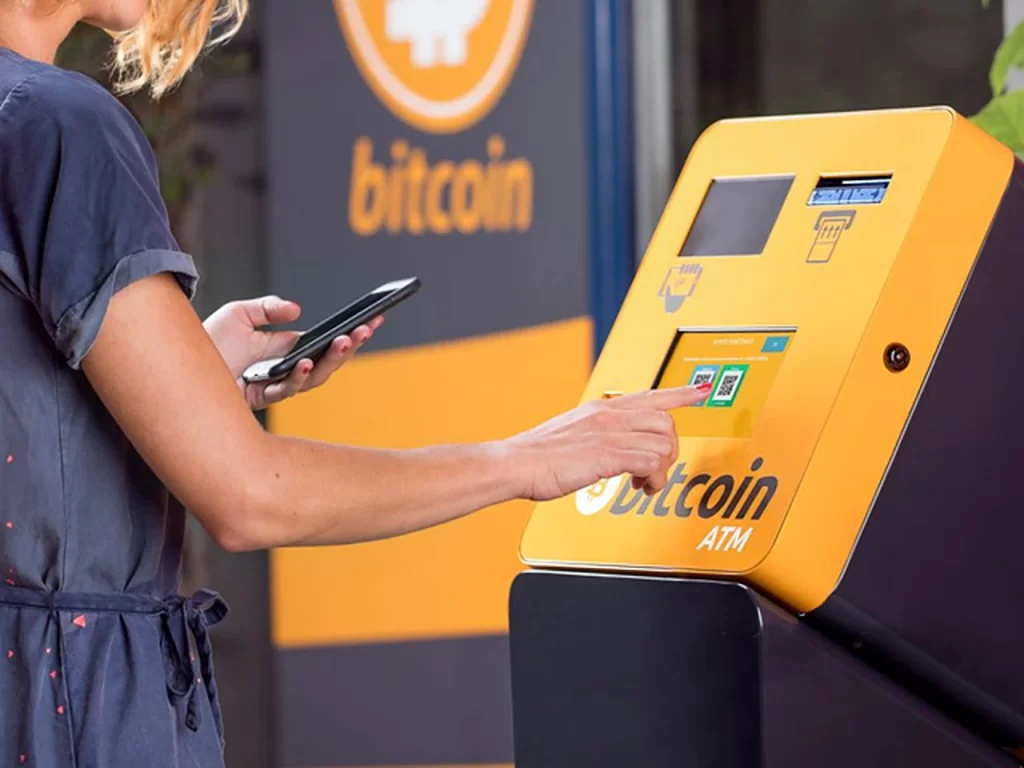
Bitcoin Depot, a leading cryptocurrency ATM company in the United States, has revealed its plans to go public after successfully closing a merger deal.
The merger, facilitated by fintech firm GSR II Meteora Acquisition Corporation, was approved by stockholders on June 30.
The deal, which was reported in August 2022, carried a price tag of $885 million and is expected to enable investors to access Bitcoin Depot on the Nasdaq exchange starting from July 3.
Brandon Mintz, the founder and CEO of Bitcoin Depot, stated that the merger was aimed at supporting various growth opportunities and fostering the widespread adoption of Bitcoin (BTC) in North America.
Investors will have the opportunity to trade Bitcoin Depot shares on the Nasdaq under the ticker symbols BTM and BTMWW for common stock and public warrants, respectively.
This announcement comes at a time when regulatory scrutiny of cryptocurrency firms in the United States is intensifying.
The Securities and Exchange Commission has recently filed lawsuits against major exchanges, such as Binance and Coinbase, accusing them of conducting unregistered securities offerings.
Despite this, investment vehicles that offer exposure to cryptocurrencies are gaining popularity. BlackRock, for instance, filed an application in June to list a Bitcoin exchange-traded fund, indicating growing interest in crypto-related investments.
Bitcoin Depot, established in 2016, has emerged as one of the largest crypto ATM companies in North America, boasting more than 9,130 locations, as stated on its website.
However, the crypto industry is not without its challenges. In May, Bitcoin of America, another ATM provider, announced the closure of its operations in Connecticut due to the state’s Department of Banking asserting that the company lacked the necessary licensing.
With its merger and subsequent public listing, Bitcoin Depot aims to capitalize on its strong market position and expand its operations further.
The company’s commitment to driving Bitcoin adoption aligns with the growing interest in cryptocurrencies and the increasing demand for accessible and user-friendly avenues to buy and sell digital assets.
As Bitcoin Depot makes its debut on the Nasdaq, it will be interesting to observe how this development shapes the landscape of the cryptocurrency industry in the United States.
Other Stories:
Maple Finance Launches Direct Lending Program, Filling Void Left by Bankrupt Lenders
ASX Considers Listing Tokenized Real-World Assets
UK To Pass Law To Bring Cryptocurrencies Under Traditional Asset Regulations

A member of the r/CryptoCurrency community, known as r/Vaginosis-Psychosis on Reddit, recently shared their bold investment strategy, claiming to have profited $19,500 or 25% by taking out three personal loans totaling $59,000 to purchase Bitcoin over the past 18 months.
As of now, they hold 2.65 BTC, valued at $80,400, and are optimistic about BTC reaching $100,000 by early 2025.
In a post on June 30 on r/CryptoCurrency, the Redditor explained their approach to acquiring BTC through these risky loans.
The first two loans, acquired in February and June 2022, amounted to $15,000 and $20,000, respectively.
These loans carried fixed annual percentage rates (APR) of 6% and 4.9% with monthly payments of $225 and $326.
The third loan, obtained in June 2023, was worth $24,000 with a fixed APR of 8% and monthly payments of $405.
According to the Redditor, they have already paid off the $15,000 loan in May and made a $3,500 payment on the second loan.
Their plan is to focus on repaying the most recent loan due to its higher APR. Including interest paid, their average acquisition cost for BTC is around $24,000 or $22,264 without considering interest.
The Redditor justifies their investment strategy by highlighting their belief in the declining value of the US dollar.
They aim to repay the loans using the potentially inflated dollars they earn from their job.
Expressing confidence in Bitcoin’s future, they anticipate its price to reach approximately $100,000 per coin within 18 months.
With over 500 comments on the post, opinions are divided. While some express support for the idea, others caution against the risks associated with this approach.
One top comment with 457 upvotes argues that taking out loans for crypto investing is a horror story, citing survivorship bias and emphasizing the calculated nature of the Redditor’s risk.
The Redditor provides additional context, revealing that they are single with no dependents and earn an annual income of around $60,000.
They have affordable rental arrangements and are willing to invest 25–30% of their income into BTC each month.
The main risks they face include a significant crash in BTC price without recovery in the coming years and the potential loss of holdings due to hacking if they keep their assets in a hot wallet.
Sustaining employment is crucial for them to continue repaying the loans.
Despite the risks, some commenters encourage the Redditor, highlighting the potential life-changing outcome if their investment pays off.
They view the calculated risk as worth taking, even if the BTC price fails to exceed $35,000 for several years.
It is important to note that taking out loans to invest in cryptocurrency carries significant financial risks and should be approached with caution.
Other Stories:
ASX Considers Listing Tokenized Real-World Assets
UK To Pass Law To Bring Cryptocurrencies Under Traditional Asset Regulations
Polygon Labs has unveiled its proposed architecture for the upcoming “Polygon 2.0” project.
The team has outlined four distinct layers that will interconnect to establish a web of networks, all ultimately linked through Ethereum.
If approved by validators, Polygon 2.0 will introduce an aggregator that facilitates near-instant and atomic bridge transactions.
Initially announced on June 12, Polygon 2.0 aims to establish the value layer of the internet; however, specific details were scarce at that time.
Co-founder Mihailo Bjelic later suggested on June 20 that upgrading the current Polygon network to incorporate zero-knowledge proofs would be crucial for aligning the existing network with the vision of 2.0.
In a blog post on June 30, Polygon Labs provided a more comprehensive overview of Polygon 2.0. The project’s foundation will consist of the staking layer that already exists.
This layer comprises a validator manager contract on Ethereum, along with a chain manager contract for each individual Polygon chain. New Polygon chains will be able to form in the future by launching new chain manager contracts on Ethereum.
The staking layer will connect to an interoperability layer, which will incorporate bridges linking each Polygon chain to one another through Ethereum.
The security of this layer will be ensured through the use of zero-knowledge proofs for validating all transfers.
Additionally, the interoperability layer will incorporate an aggregator that combines individual zero-knowledge proofs from each bridge into a single proof before transmitting it to Ethereum. This mechanism will enable seamless bridge transactions and significantly reduce Ethereum gas consumption required for proof verification.
The third layer of Polygon 2.0 will be the existing execution layer, which relies on the Erigon Ethereum client.
The fourth layer, known as the proving layer, will standardize the zero-knowledge proof process across all Polygon chains.
The team has promised to provide further details about each layer in the future.
Polygon is not the only network aiming to expand into a multichain ecosystem.
zkSync Era has announced plans to create a network of “Hyperchains” and aims to launch them on a testnet by year-end.
Optimism, in collaboration with Coinbase’s Base network, is also working on creating a “Superchain” and has recently implemented the “Bedrock” upgrade to facilitate this transformation.
Other Stories:
ASX Considers Listing Tokenized Real-World Assets
UK To Pass Law To Bring Cryptocurrencies Under Traditional Asset Regulations
According to a report released on June 30 by Web3 security firm Beosin, the total value of cryptocurrencies lost in scams, hacks, and rug pulls reached $656 million in the first half of 2023.
This amount includes $471.43 million lost in 108 protocol attacks, $108 million in various phishing scams, and $75.87 million in 110 rug pulls.
Notably, this represents a significant decrease compared to the losses in the second half of 2022, where $1.91 billion and $1.69 billion were lost in hacks, respectively.
The report also highlighted that around $215 million of stolen assets were recovered, accounting for 45.5% of all stolen assets.
In contrast, only 8% of stolen assets were recovered in 2022. Additionally, $113 million of stolen assets were transferred to mixers, with $45.38 million going into Tornado Cash and $68.14 million into other mixers.
The majority of the crypto lost in the first half of 2023 were coins and tokens minted on the Ethereum blockchain, accounting for 75.6% of the total. Binance Smart Chain tokens, on the other hand, represented just 2.6% of the stolen assets.
Smart contract vulnerabilities were identified as the main cause of loss, responsible for 56% of the stolen crypto, while 21.4% had no clear identifiable reasons for the loss.
However, these figures indicate a significant decrease compared to the second half of 2021, when a record $2.1 billion was lost in crypto due to hacks, phishing scams, and rug pulls.
In the second quarter of 2023, over $208 million was exploited and hacked from decentralized finance (DeFi) protocols, with only $4.5 million of funds recovered, resulting in total losses of over $204 million.
The DeFi ecosystem, despite its substantial daily trading volume, remains a niche industry accessible to a limited population within the crypto industry.
To gain a comprehensive understanding of DeFi, Cointelegraph Research has released a new report titled “Investing in DeFi: A Comprehensive Guide.”
Maple Finance, a web3 lending platform, has recently introduced a direct lending program to fill the void left by bankrupt major lending protocols like BlockFi.
This program aims to replace services previously provided by Celsius, BlockFi, and other now-defunct lenders.
Following the Bedrock upgrade, transactions on the Optimism network surged by 67%. The upgrade led to an increase in daily transactions from less than 300,000 to over 550,000.
Despite market drawdown, leading wallet service providers have added support for the BRC-20 token standard issued on the Bitcoin network, including BitKeep and OKX.
The overall DeFi market experienced a bullish surge after three bearish weeks, with most of the top 100 DeFi tokens trading in the green. However, the total value locked in DeFi protocols remained below $50 billion.
Other Stories:
UK To Pass Law To Bring Cryptocurrencies Under Traditional Asset Regulations
The United States Bankruptcy Court for the Southern District of New York has granted approval for Celsius Network, a bankrupt cryptocurrency lender, to convert its altcoins into Bitcoin.
The decision was made by Judge Martin Glenn, and the liquidation process will pave the way for the distribution of funds to creditors in the near future.
The approval of this proposal came after extensive discussions between Celsius and the U.S. Securities and Exchange Commission (SEC).
According to the ruling of the bankruptcy judge, the struggling lender is now authorized to sell or convert any cryptocurrency assets, with the exception of tokens associated with Withhold or Custody accounts, into Bitcoin (BTC) or Ether (ETH) starting from July 1, 2023.
Celsius Network faced bankruptcy in 2022 following the collapse of the Terra ecosystem, which affected its Terra (LUNA) and TerraUSD (UST) tokens.
Creditors have been awaiting a resolution since the bankruptcy filing several months ago, and this recent approval opens up new possibilities and extends the ongoing proceedings.
In light of the recent regulatory crackdown by the SEC on altcoins, which the regulator has categorized as securities, many cryptocurrency companies are opting to convert their altcoins into BTC and ETH.
Notable altcoins that have been labeled as securities by the SEC include Cardano.
Despite the ongoing bankruptcy proceedings, Celsius Network was acquired by the crypto consortium Fahrenheit in May 2023.
Under the stewardship of its new owners, the network continues to operate.
The new owners have announced their intention to develop a revised bankruptcy plan, although specific details of these plans have not yet been disclosed.
However, it is now clear that the assets will be exclusively distributed in Bitcoin and Ether.
Following Celsius Network’s bankruptcy, other companies in the cryptocurrency industry, such as Voyager Digital and FTX, have also faced financial challenges.
As a result, they have been exploring unique strategies to address the demands of their creditors for reimbursement.
In summary, the United States Bankruptcy Court’s approval for Celsius Network to convert its altcoins into Bitcoin marks a significant step towards resolving the lender’s bankruptcy proceedings.
With the involvement of the SEC and the acquisition by Fahrenheit, the network is now moving forward under new ownership and is expected to distribute its assets in BTC and ETH.
This development reflects a broader trend in the industry as crypto companies grapple with regulatory concerns and seek solutions to address creditor demands.
Other Stories:
Maple Finance Launches Direct Lending Program, Filling Void Left by Bankrupt Lenders
UK To Pass Law To Bring Cryptocurrencies Under Traditional Asset Regulations

According to Yat Siu, the CEO of Animoca Brands, the crypto industry is experiencing contrasting conditions in different parts of the world.
While Web3 startups are thriving in the Middle East and Asia, crypto entrepreneurs in North America are facing challenges due to tough macroeconomic and regulatory circumstances.
Siu shared his insights with Cointelegraph during the Collision conference in Toronto, emphasizing that the situation is not as dire as it may seem.
Siu acknowledged that Web3 startups can still secure funding from venture firms, but he pointed out that current conditions, such as higher interest rates and a decline in crypto asset prices, have raised the entry barrier for newcomers.
Despite these challenges, Siu remains optimistic, stating that the number of builders and smart contracts in the space continues to increase.
He also highlighted that Animoca Brands had made nearly 60 investments in the past few months, underscoring their bullish stance.
However, the overall strength of the crypto industry has diminished compared to its past performance.
According to the PitchBook Crypto Report for Q1 2023, crypto companies raised $2.6 billion across 353 investment rounds, representing a decrease of 11% and 12.2% in deal values and total deal value, respectively.
Siu’s comments follow significant developments in the crypto space, including the collapse of FTX in November 2022.
In the United States, the Securities and Exchange Commission has launched a crackdown on crypto firms, aiming to regulate the industry through enforcement actions.
In contrast, Hong Kong and the United Kingdom have implemented licensing systems and approved legislation to regulate crypto businesses and mitigate associated risks.
Siu noted that the regulatory aspect has had a significant impact on Web3 companies, generating fear and uncertainty among market participants.
He highlighted the contrasting environments between North America and regions like the Middle East and Asia, where the crypto industry remains vibrant.
Siu believes that these different approaches reflect each country’s agenda for emerging technology.
According to Siu, the diverse regulatory landscapes are not coincidental but rather deliberate decisions based on national interests.
He believes that by relinquishing control of the crypto industry to other parts of the world, the United States is enabling the flourishing of ecosystems that were previously constrained.
While Siu acknowledges the importance of the U.S. in the crypto space, he believes that political reasons have compelled the country to cede its role to other global players.
Overall, Siu’s observations shed light on the varying conditions faced by crypto entrepreneurs worldwide, highlighting the challenges in North America and the opportunities in the Middle East and Asia.
Despite regulatory hurdles, Siu remains optimistic about the continued growth of the crypto industry and the emergence of thriving ecosystems around the world.
Other Stories:
ASX Considers Listing Tokenized Real-World Assets
UK To Pass Law To Bring Cryptocurrencies Under Traditional Asset Regulations
Maple Finance Launches Direct Lending Program, Filling Void Left by Bankrupt Lenders
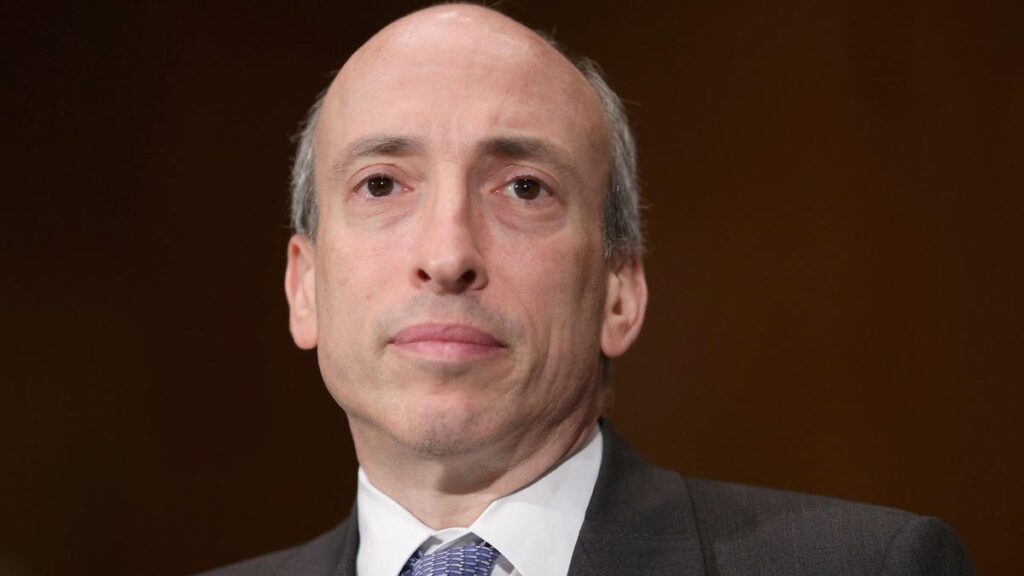
Three committee chairs in the United States House of Representatives have expressed their dissatisfaction with the response received from U.S. Securities and Exchange Commission (SEC) Chair Gary Gensler regarding their inquiry into recordkeeping requirements.
Judiciary Committee Chair Jim Jordan, Oversight Committee Chair James Comer, and Financial Services Committee Chair Patrick McHenry issued a letter demanding a more satisfactory response, stating that Gensler’s reply did not address their direct requests.
The congresspeople, joined by Rep. Tom Emmer, were prompted to take action following a Wall Street Journal report that criticized the SEC and other agencies for inadequate recordkeeping.
The report highlighted the use of chats by government officials for official business, which were not being searched to fulfill Freedom of Information Act requests.
The recent letter reiterates the original requests and includes a demand for an explanation if Gensler does not intend to comply.
The letter, dated June 28, also points out inconsistencies in Gensler’s publicly accessible meeting schedules in 2021 and makes mention of cryptocurrency.
Gensler faced additional criticism related to cryptocurrencies when the Blockchain Association released a paper suggesting that he should recuse himself from digital asset enforcement decisions.
The paper claimed that the SEC had neglected its role as a rulemaking body in the digital asset space.
It specifically raised concerns about the SEC’s stance on whether digital assets other than Bitcoin qualify as securities and whether digital asset trading platforms are considered unregistered securities exchanges.
The paper argued that Gensler had shown bias in his statements, asserting that he had already formed opinions on these matters.
The paper reminded recipients of Wells notices, who are individuals or entities facing potential SEC enforcement actions, that they could seek Gensler’s recusal either through the SEC or in federal court.
In summary, three committee chairs have expressed their dissatisfaction with the SEC Chair’s response to their inquiry into recordkeeping requirements, citing unaddressed requests.
This comes in the wake of criticism regarding the SEC’s recordkeeping practices and Gensler’s handling of digital asset enforcement decisions, prompting calls for his recusal in certain cases.
Other Stories:
SEC Commissioner Pushing For ‘Reserved’ Approach to Cryptocurrency Regulation
Bankrupt Crypto Exchange FTX Takes Steps Towards Relaunching as a New Entity
EDX Cryptocurrency Exchange Prepares to Switch Custody Providers