



Japan is setting its sights on boosting strategic domestic investments in Web3 startups by permitting limited partnership (LP) firms to acquire and retain crypto assets.
The Ministry of Economy, Trade and Industry (METI) in Japan has greenlit a bill aimed at fostering the establishment of new businesses and industries through increased domestic investments.
This is to be achieved by amending four key acts, notably the Act on Investment Limited Partnership Agreements. An excerpt from the revision states:
“We will take measures such as the addition of crypto assets to the assets that can be acquired and held by investment limited partnerships (LPS).”
This revision enables LPs in Japan to invest in medium-sized companies and startups involved in cryptocurrencies in exchange for a proportional share of the venture’s profits.
Consequently, the Web3 community in the region anticipates a surge in the emergence of crypto and blockchain startups originating in Japan.
READ MORE: Jupiter Asset Management Withdraws Investment in Ripple XRP ETP
The amendments in other acts such as the Industrial Property Information and Training Center Act, the New Energy and Industrial Technology Development Organization Act, and the Industrial Competitiveness Enhancement Act further underscore Japan’s commitment to promoting innovation and stimulating domestic investment.
Prior to the approval of the bill, Japanese venture capital firms were barred from investing in crypto assets. Consequently, Web3 startups in Japan often sought support from overseas investors.
Masaaki Taira, a Japanese politician and member of the House of Representatives, announced the development:
“Cabinet decision has been made! Measures will be taken to add crypto assets to the list of assets that can be acquired and held by investment limited partnerships (LPS).”
Additionally, Japan is actively addressing legal issues pertaining to the issuance of a digital yen, slated for the spring of 2024.
A report released on Jan. 26 indicated that neither the Bank of Japan (BoJ) nor the government had officially confirmed the launch of the digital yen.
Any decision in this regard will be made following a national discussion, scheduled no sooner than 2026.
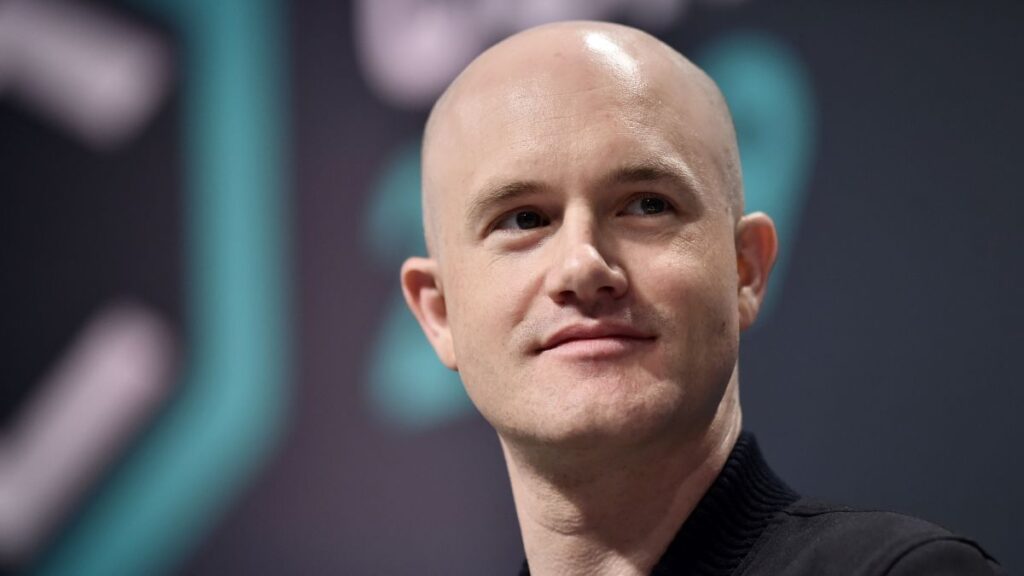
Cryptocurrency exchange Coinbase opines that the sanction for bankrupt crypto lending firm Genesis to offload its Grayscale Bitcoin Trust (GBTC) shares will not disrupt the crypto market.
It contends that the majority of the funds will re-enter the crypto ecosystem, resulting in a neutral impact on the market.
Genesis received approval from a bankruptcy judge on Feb. 14 to liquidate approximately £1.3 billion worth of GBTC to reimburse creditors.
Nevertheless, since Grayscale Investments obtained approval to convert GBTC into a spot Bitcoin exchange-traded fund (ETF) on Jan. 10, GBTC has witnessed outflows exceeding £5 billion.
There are concerns within the crypto industry that Genesis’ recent approval to sell-off GBTC shares could further depress the price of Bitcoin.
In its weekly report, Coinbase argued that although it remains uncertain whether the additional GBTC outflows will enter other spot Bitcoin ETFs or go directly into Bitcoin for creditor reimbursement, it believes the funds will likely remain within the crypto ecosystem.
“Our view is that much of these funds will likely remain within the crypto ecosystem, contributing to a neutral overall effect in the market,” Coinbase stated.
The bankruptcy plan permits Genesis to either convert GBTC shares into the underlying Bitcoin asset for creditors or sell the shares outright and distribute the cash.
The confirmation hearing is set for Feb. 26.
READ MORE: Bitcoin Hash Rate Expected to Drop by Up to 20% Post Halving, Analysts Predict
Genesis holds 35.9 billion shares of GBTC, 8.7 million shares of the Grayscale Ethereum Trust (ETHE), and 3 million shares of the Grayscale Ethereum Classic Trust (ETCG).
Furthermore, it emphasised that net inflows for Bitcoin ETFs in the initial 30 days surpassed those of State Street’s SPDR Gold Shares ETF in its debut month.
Sam Callaghan, senior analyst at Swan Bitcoin, mentioned in an X post that there will be some “netting” in the crypto market due to Genesis’ GBTC sales.
However, Callaghan expressed uncertainty regarding the number of creditors who will sell their Bitcoin holdings.
Meanwhile, Bitfinex head of derivatives Jag Kooner indicated to Cointelegraph that the significant discount offered to GBTC investors was a primary driver for the high volume of share selling in recent weeks.
Singapore, Singapore, February 20th, 2024, Chainwire
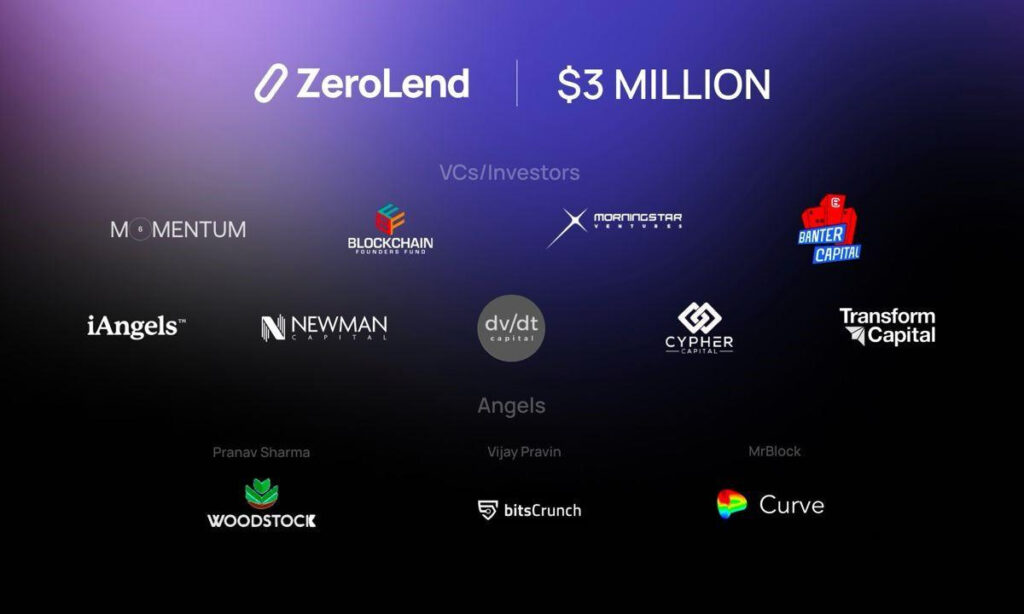
ZeroLend, one of the fastest-growing DeFi protocols in 2024 is set to launch its native governance token ZERO in Q1 2024. Securing 3 million USD at a 25 million valuation, ZeroLend announces the successful closure of its Seed Round, with the Private Round rapidly filling up.
Currently the largest protocol on zkSync and third-largest on Manta in terms of TVL, ZeroLend aims to lead these chains before moving to other L2s and becoming a dominant platform on these chains.
Impressive Growth Reflects ZeroLend’s Momentum
ZeroLend is one of the fastest-growing DeFi protocols this year, with a 1500+% growth in TVL from 3 million to 50 million.
Averaging around 100k Daily Active Users, ZeroLend’s Zero Gravity airdrop campaign is a pivotal part of its strategy, highlighting its integration with Pyth and potential future integrations with Manta and zkSync ecosystem partners.
These incredible growth metrics underscore the increasing popularity and trust users place in ZeroLend’s decentralized lending protocol.
Investors Rally Behind ZeroLend’s Vision and Growth
Building on this momentum, the recently secured seed and private round funding will fuel the development and expansion of ZeroLend, a project incubated by MahaDAO.
Some of the notable VCs in the Seed and Private round include Momentum 6, Blockchain Founders Fund, Morning Star Ventures, Banter Capital, Newman Capital, dVdT, Transform Capital, Cypher Capital, Bison Fund, Ozaru Ventures, iAngels, Krypital, Genblock, viaBTC, GBV and Asteroid Capital.
Apart from VCs, some of the angels include MrBlock from Curve Finance, Pranav Sharma from Woodstock, Michael from Boxmining, Avi Felman from GoldenTree, Nick Rose from Ethernity Chain, Ajeet Khurana from Reflexical, Vijay Pravin from Bitscrunch, Vijay Garg from Mapleblocks and Danish Chaudhary ex-Bitcoin(dot)com, amongst over 100 other VCs and angels
Airdrop Initiatives and Future Plans
As part of its commitment to user engagement and community involvement, ZeroLend is gearing up for a series of airdrop initiatives under its Zero Gravity Campaign to coincide with the launch of its native governance token ZERO.
This launch signifies a crucial step in ZeroLend’s journey, opening the gateway to a series of potential airdrops for ZERO holders.
An official statement from Danilo Carlucci fromi Morningstar Ventures says: “As an early investor, I’m impressed by ZeroLend’s substantial growth and its strategic initiatives like the Zero Gravity campaign and integrations with key partners. I see great potential for ZeroLend to continue its trajectory, becoming a significant player in DeFi across various Layer 2 solutions.”
About ZeroLend
ZeroLend is the largest lending protocol on zkSync and the third largest lending protocol on Manta, with a focus on DeFi, lending on RWAs, privacy and account abstraction.
Website: https://zerolend.xyz
Docs / Whitepaper: https://docs.zerolend.xyz
Twitter: https://twitter.com/zerolendxyz
Discord: https://discord.gg/zerolend
DefiLlama: https://defillama.com/protocol/zerolend
Contact
Gafoor
[email protected]

The National Anti-Corruption Commission (NACC) of Australia has alleged that a federal police officer erased a Trezor hardware wallet containing 81.62 Bitcoin at a crime scene.
The authorities utilised crypto tracing software to claim that he transferred the Bitcoin into his own possession.
As per a recent report, the Australian police discovered the hardware wallet during a drug raid at a residence but waited approximately three weeks to obtain court permission to access it.
However, upon accessing the wallet, there was no Bitcoin at all, as federal agent William Wheatley allegedly transferred it out shortly after the raid.
The hardware wallet purportedly held 81.62 Bitcoin, valued at $309,000 at the time of the raid in 2019. However, it is currently worth approximately $4.2 million.
Detective Sergeant Deon Achtypis of the cybercrime squad indicated that authorities initially suspected an associate of a crime syndicate for the Bitcoin theft.
“The suspicion arose as the police force also discovered a device containing the seed phrase to the hardware wallet, which is a sequence of 12 to 24 random words that can be used as a recovery method in case the wallet is stolen or lost.”
However, after an extensive investigation into IP addresses used to access the stolen Bitcoin using crypto tracing software, Achtypis allegedly found a link to Wheatley.
“I formed the opinion that a police member may have been involved in the movement of the cryptocurrency.”
Enforcement authorities around the world are adopting crypto-tracing software to tackle illicit activity with digital assets.
In August 2023, Canadian law enforcement announced it had started using Chainalysis Reactor software to help trace illicit crypto transactions.
READ MORE: Coin Metrics Research: Nation-States Unable to Destroy Bitcoin and Ethereum Networks
Moreover, advancements in crypto detective software technology are leading to a higher rate of recovered stolen crypto.
On Jan. 29, Cointelegraph reported that over $674 million was recovered from more than 600 large-scale crypto hacks in 2023.
Meanwhile, Wheatley is pleading innocent against accusations of exploiting his position as a public officer for personal gain, theft, and involvement with proceeds of crime.
He is reportedly prepared to contest the charges regarding the stolen Bitcoin from the Trezor wallet.
This comes amid Trezor’s acknowledgment of a security breach affecting nearly 66,000 users.
On Jan. 20, Cointelegraph reported that Trezor disclosed unauthorised entry into a third-party support portal on Jan. 17.
The company warned that individuals who had engaged with Trezor’s support team since December 2021 might have had their data compromised in the incident.

Cryptocurrency exchange Coinbase has bestowed a generous sum of £3.6 million upon Brink, a non-profit organisation that extends support to developers contributing to the Bitcoin blockchain.
In a post dated February 16th on X, Brink acknowledged Coinbase CEO Brian Armstrong and the exchange’s team for their contribution towards “Bitcoin developing funding efforts.”
The platform emphasised that the donation came with “no strings attached” and would bolster the endeavours of engineers involved in open-source development for the BTC blockchain.
Coinbase’s GiveCrypto initiative, spearheaded by Armstrong in 2018, facilitated the donation to Brink.
However, the exchange disclosed in December 2023 its intention to phase out the platform due to its inability to effect enduring change solely through unconditional cash transfers.
Established in 2020, Brink offers fellowship and grant programmes aimed at bolstering Bitcoin developers and engineers.
READ MORE: Uniswap Foundation Announces Launch Date for Protocol’s v4 Following Ethereum’s Dencun Upgrade
Noteworthy backers of the platform include Block CEO Jack Dorsey, who pledged £5 million in July 2023.
Prior to the approval of its spot BTC exchange-traded product by the United States Securities and Exchange Commission on January 10th, VanEck announced its commitment to allocate 5% of profits from the investment vehicle to Bitcoin core developers.
This asset management firm made a comparable pledge to Ethereum core developers in September 2023.
Coinbase disclosed a net revenue of £905 million in the fourth quarter of 2023, marking a 45% increase over Q3.
On February 15th, JPMorgan analysts revised their rating of the crypto exchange’s stock from underweight to neutral, having initially downgraded the shares in January.
Tokyo, Japan, February 19th, 2024, Chainwire
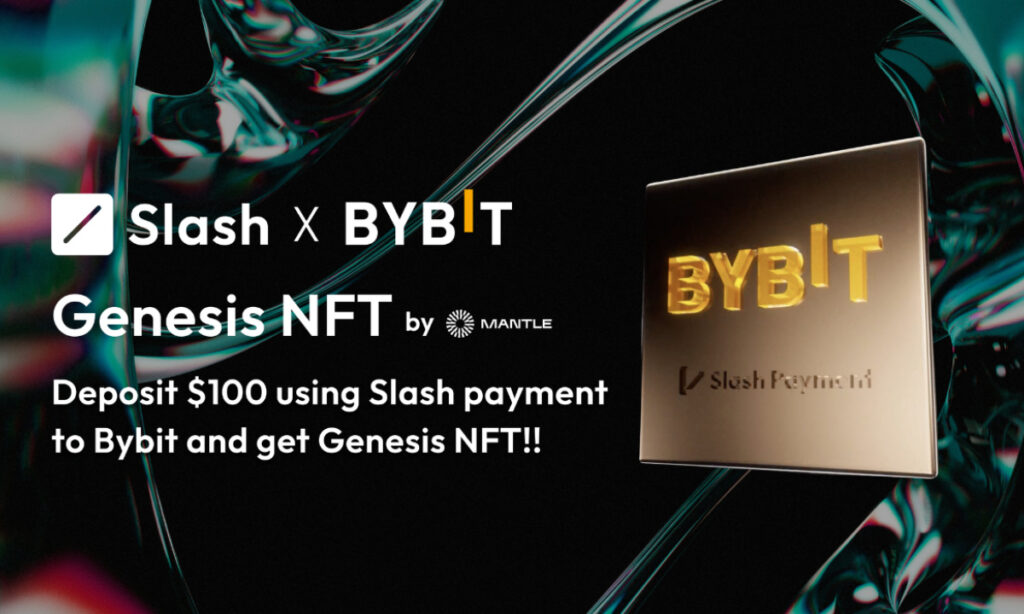
Slash Fintech Limited is expanding the availability of the Slash Deposit feature, previously exclusive to Japanese users on Bybit, to all Bybit users worldwide. This move aligns with our goal of improving accessibility and user experiences in the crypto space. To mark this milestone, we are launching a Genesis NFT campaign in preparation for our upcoming token launch.
The Slash Deposit feature, introduced in September 2023 to a limited group in Japan, facilitates deposits with any token on Ethereum, BNB Chain, Polygon, Arbitrum One, Optimism, and Mantle Network. Processing over $13 million USD worth of deposits since its launch, Slash Deposit has garnered momentum, leading to its global expansion in partnership with Bybit.
With the Slash Deposit feature now available globally, users can manage their crypto assets on Bybit with enhanced flexibility and convenience. Whether users are seasoned traders or new to cryptocurrencies, Slash Deposit offers a secure and efficient solution for deposits.
To appreciate our community’s support, Slash is launching the Slash x Bybit Genesis NFT campaign. Users depositing $100 or more to Bybit using Slash Deposit can mint a limited-edition “Slash x Bybit Genesis NFT” on the Mantle Network. These NFTs will play a significant role in our upcoming token launch, symbolizing community participation and support.
The Slash x Bybit Genesis NFT campaign will run from February 19, 2024, to April 26, 2024. Each eligible wallet address can mint one NFT, with users able to claim their NFT within three business days after a $100 deposit.
About Slash Fintech Limited
Slash Fintech Limited commenced offering cryptocurrency payment service, “Slash Payment,” in August 2022. Any Merchant can get set up with Slash Payments with a few clicks and immediately start accepting payments in cryptocurrencies at no cost to the merchant. Slash Payment currently supports eight blockchain networks, including Ethereum, BNB Chain, Polygon, Avalanche, Astar, Arbitrum One, Optimism, and Mantle Network.
Website | X | Discord | Medium | Whitepaper
Contact
Slash Team
[email protected]
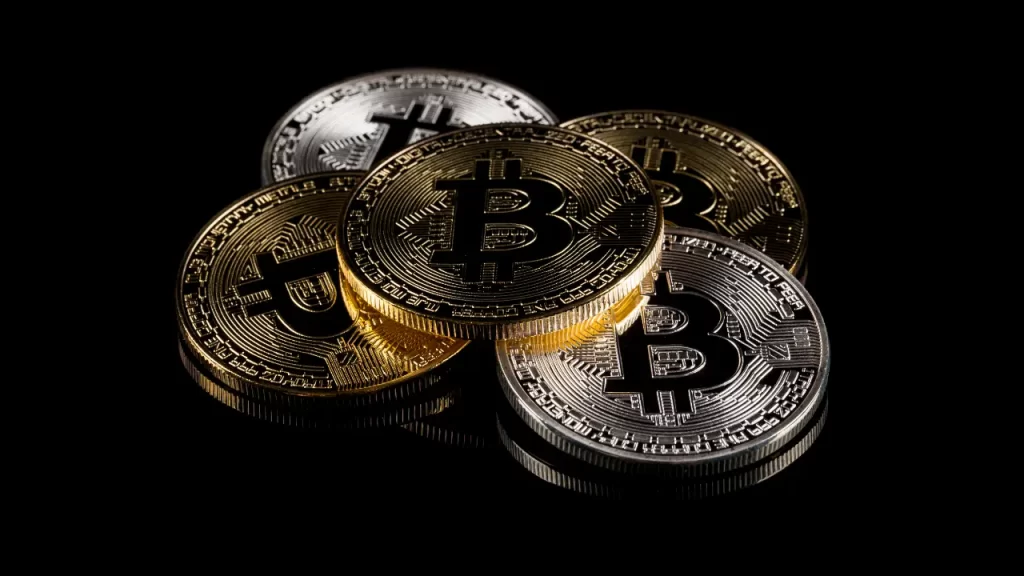
Bitcoin mining difficulty, which gauges the level of complexity in solving the intricate cryptographic puzzles integral to the mining process, surpassed 80 trillion on Friday, February 16th.
As per BTC.com, the network’s hash rate, indicating the cumulative computational power utilised by miners, achieved 562.81 exahashes per second (EH/s), with the mining difficulty reaching a peak of 81.73 trillion.
The escalation in Bitcoin (BTC) mining difficulty has been consistent since January 2023, with forecasts anticipating a climb to 100 trillion in the imminent months.
In Bitcoin’s proof-of-work consensus mechanism, heightened difficulty necessitates miners to employ greater computational power and energy to uncover the correct hash.
Over the past year, Bitcoin’s difficulty level has more than doubled.
During its automatic readjustment on February 15th, Bitcoin mining difficulty was slated to surge by an estimated 6%.
If this transpires, data from monitoring resource BTC.com suggests it will propel the difficulty to unprecedented heights above 80 trillion for the first time.
On February 16th, Bitcoin maintained a value of $52,000 at the commencement of Wall Street trading, buoyed by the revelation of surpassing expectations in the latest United States macro data.
READ MORE: Bakkt Secures Regulatory Approval to Raise $150 Million Amid Financial Concerns
Figures from Cointelegraph Markets Pro and TradingView depicted a stagnant BTC price performance as the week’s final TradFi trading session unfolded.
In April, Bitcoin’s mining rewards are set to halve in what is termed the Bitcoin Halving.
As a hedge against inflation, Bitcoin’s developers integrated this reduction into the token’s structure approximately every four years, with the previous halving transpiring in May 2020.
The forthcoming halving will diminish Bitcoin’s rewards from 6.25 BTC to 3.125 BTC.
This adjustment may lead to a reduced hash rate, with less efficient miners grappling to cover expenses and potentially shutting down their mining rigs.
Consequently, a diminished hash rate is likely to precipitate a decline in Bitcoin mining difficulty as the network endeavours to sustain a consistent block production rate every 10 minutes.
Analysts from Galaxy Digital speculate that as much as 20% of Bitcoin’s existing hash rate could deactivate post the Bitcoin halving, leaving only the most efficient mining rigs operational.
The Backpack cryptocurrency exchange, built on Solana, swiftly attained the £300 million milestone within a mere 24 hours of commencing its pre-season beta launch, as stated in a Feb. 15 post by Backpack.
The exchange was initiated by the minds behind Solana’s Mad Lads executable nonfungible token (NFT) collection.
The exchange’s surge in popularity is attributed in part to the outstanding success of the Mad Lads xNFT collection within the Backpack ecosystem and the promising potential of the underlying Solana blockchain, as highlighted by Anndy Lian, an intergovernmental blockchain expert and the author of the book NFT: From Zero to Hero. Lian conveyed to Cointelegraph:
“Backpack Exchange leverages the Solana blockchain, one of the fastest and most scalable platforms for decentralized applications […] Solana is also seen as a potential contender for the future of decentralized finance, or DeFi, which is a fast-growing sector of the crypto industry.”
Within 24 hours of its pre-season launch, Backpack recorded 6,000 unique deposit transactions, as per a Feb. 13 post by Armani Ferrante, the founder and CEO of Backpack.
The recently unveiled exchange showcases impressive trading statistics, including one-millisecond order placement and sub-one millisecond order cancellation, as confirmed by Ferrante.
READ MORE: BONK Memecoin Surges 7% Amidst Revolut Partnership Rumors
Backpack’s SOL/USDC spot trading pair amassed over £643 million in 24-hour trading volume, surpassing the trading pair of the world’s largest exchange, Binance, which accrued £2.4 million in 24-hour trading volume.
In October 2023, Backpack Exchange acquired a virtual asset service provider (VASP) license from the Dubai Virtual Assets Regulatory Authority (VARA).
Moreover, the exchange secured various other operational licenses across numerous jurisdictions worldwide in the latter half of 2023.
Following Backpack’s triumph, the 24-hour trading volume of Mad Lads NFTs escalated by 77.93% to surpass £1 million, positioning it as the third-largest collection by daily trading volume across all blockchain networks.
Solana witnessed a 20.19% surge in sales volume to £7.35 million, ranking as the second-largest blockchain by daily NFT sales volume after Ethereum, which amassed £18.28 million in 24-hour NFT sales volume, according to NFT data aggregator CryptoSlam.

Crypto marketing and media relations are pivotal elements in the blockchain and cryptocurrency industry, shaping public perception and driving adoption. As a novel and rapidly evolving sector, the role of effective marketing and strategic media relations cannot be overstated.
Importance
Crypto marketing and media relations are crucial for several reasons. First, they help in building awareness and educating the public about cryptocurrencies and blockchain technology. Given the complexity and novelty of these topics, clear and accessible information is essential for fostering understanding and trust among potential users. Second, effective marketing and media strategies can differentiate a project within the crowded and competitive crypto space, attracting investors, users, and partnerships. Finally, positive media coverage and strategic marketing efforts can bolster the legitimacy and acceptance of cryptocurrencies, encouraging wider adoption.
Strategies Employed
The strategies used in crypto marketing and media relations are diverse and innovative, reflecting the industry’s digital and decentralized nature. Social media marketing, through platforms like Twitter, Reddit, and Telegram, plays a significant role. These platforms facilitate direct engagement with the community, real-time updates, and viral marketing campaigns. Influencer marketing is another strategy, where projects collaborate with influential figures within the crypto space to gain visibility and credibility.
Content marketing, including blogs, whitepapers, and video content, is used to educate the audience about the technology, use cases, and benefits of a project. Additionally, search engine optimization (SEO) ensures that this content reaches its intended audience. Public relations (PR) efforts, including crypto PRs and interviews with reputable crypto and financial publications, further extend the reach and enhance the credibility of projects.
Challenges Faced
Despite the opportunities, crypto marketing and media relations face several challenges. The regulatory landscape is a significant hurdle, with varying and sometimes unclear regulations regarding crypto advertising and promotion across different jurisdictions. This complexity can hinder marketing efforts and expose projects to legal risks.
Misinformation and scams are prevalent in the crypto space, leading to skepticism among the public and media. Overcoming this skepticism requires consistent and transparent communication, which can be resource-intensive. Additionally, the fast-paced nature of the crypto market means that marketing and media strategies must be agile and adaptable to remain effective.
Future Outlook
Looking forward, the importance of crypto marketing and media relations is only set to increase as the industry matures. As regulatory frameworks around the world become more defined, there will be clearer guidelines for marketing and promotional activities, potentially opening new avenues for reaching wider audiences.
Technological advancements, such as the integration of artificial intelligence in personalized marketing and the use of blockchain for transparent and verifiable marketing analytics, could offer new tools for marketers. Moreover, as the industry continues to evolve, there will be a growing need for educational content and sophisticated marketing strategies to address the increasingly diverse audience of crypto users.
Crypto marketing and media relations are essential components of the blockchain and cryptocurrency ecosystem. Through innovative strategies and effective communication, they build awareness, educate the public, and foster adoption. Despite the challenges, the future offers promising opportunities for more sophisticated and impactful marketing efforts. As the industry continues to grow and evolve, the role of marketing and media relations will undoubtedly expand, playing a key role in shaping the trajectory of cryptocurrencies and blockchain technology.
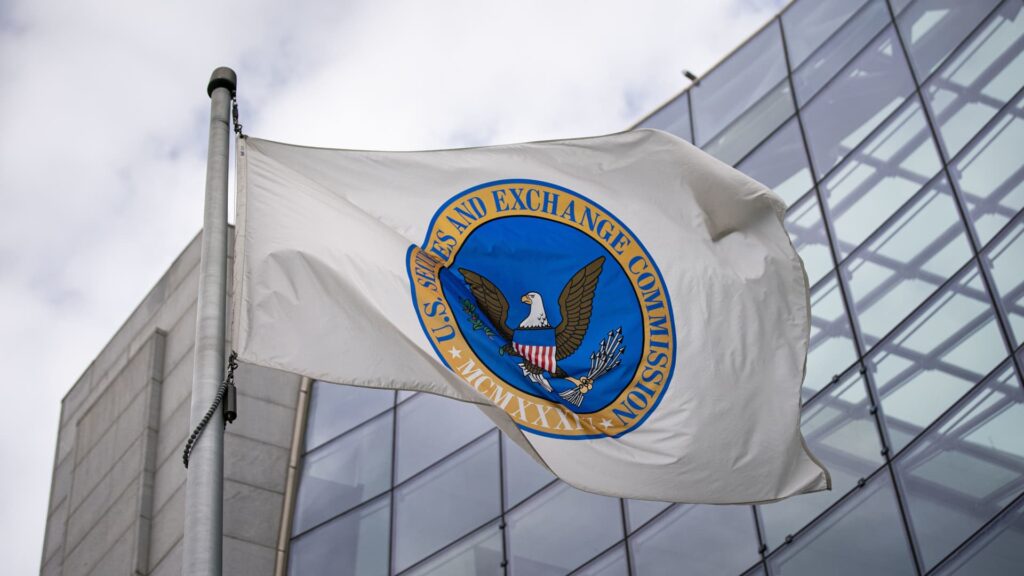
Cash-strapped crypto firm Bakkt has announced it has received regulatory approval to raise up to $150 million through the sale of its securities, just a week after expressing concerns about its financial position.
On 14th February, the company stated it had obtained approval for a “shelf registration,” also referred to as a shelf offering – a procedure where a company registers a new issuance of securities with the United States Securities and Exchange Commission (SEC) that can be gradually sold over a period without requiring separate approval each time.
Bakkt stated that this approval would enable it to raise an aggregate of $150 million in capital through one or more offerings over a span of three years.
“Bakkt believes the flexibility of a shelf registration on Form S-3 will provide the Company with significant benefits when raising capital in the future,” the company said.
Bakkt, previously hailed as Bitcoin’s “saviour” during the 2018 bear market, disclosed on 7th February that it was facing a cash shortage and thus “might not be able to continue.”
At that time, Bakkt mentioned its intention to potentially raise additional capital by issuing its registered securities in the public markets to “fund our long-term vision.”
READ MORE: Bitcoin Dips as US Inflation Data Rattles Markets
Since being publicly listed in October 2021, the firm has reported eight consecutive quarters of net losses.
According to company financials, despite the crypto market’s recovery from a challenging 2022, the firm incurred losses of $44.9 million, $50.5 million, and $51.7 million in the first three quarters of 2023.
Net losses decreased in 2023 after the firm reported significant losses of $1.59 billion and $323.9 million in the third and fourth quarters of 2022, respectively.
The firm has recorded a total of $2.26 billion in net losses since the fourth quarter of 2021.
Bakkt operates a digital asset trading platform for institutions and has established strategic partnerships with companies such as Starbucks and Amazon Web Services to facilitate digital asset transactions and services.
Founded in 2018 by Intercontinental Exchange, the U.S.-based firm that owns the New York Stock Exchange, Bakkt saw its share price rise by 7.8% to $1.03 before the news.
However, it remains more than 51% down in 2024.
Although its share price reached over $42 on 29th October 2021, it sharply declined to $3.61 the following January and has since been steadily declining.