


The Canadian Security Intelligence Service (CSIS), Canada’s primary national intelligence agency, has expressed growing concerns regarding the use of artificial intelligence (AI) deepfakes in disinformation campaigns on the internet.
These deepfakes, which are becoming increasingly realistic, pose a significant threat to Canadians, as they are often difficult to recognize or detect.

CSIS has highlighted instances where deepfakes have been utilized to harm individuals, emphasizing the potential risks associated with this technology.
In its report, CSIS warns that deepfakes and other advanced AI technologies have the potential to undermine democracy, as certain actors may exploit uncertainty or propagate false information based on synthetic or falsified content.
This threat is exacerbated when governments are unable to prove the authenticity of their official content.
CSIS also referenced Cointelegraph’s coverage of deepfakes targeting crypto investors, particularly those featuring Elon Musk.
Since 2022, malicious actors have been using sophisticated deepfake videos to deceive unsuspecting crypto investors into parting with their funds.
Elon Musk himself issued a warning against deepfakes after a fabricated video of him endorsing a cryptocurrency platform with unrealistic returns circulated on X (formerly Twitter).
READ MORE: New York Tightens Cryptocurrency Listing and Delisting Rules to Enhance Investor Protection
In addition to the threat of deepfakes, CSIS has identified other concerns related to AI, including privacy violations, social manipulation, and bias.
The agency recommends that governmental policies, directives, and initiatives evolve in response to the increasing realism of deepfakes and synthetic media.
CSIS emphasizes the need for governments to act swiftly, as delaying interventions may render them irrelevant.
CSIS proposes collaboration among partner governments, allies, and industry experts to address the global distribution of legitimate information.
Canada has taken steps to involve allied nations in addressing AI concerns, as evidenced by the Group of Seven (G7) industrial countries’ agreement on an AI code of conduct for developers on October 30.
This code comprises 11 points aimed at promoting safe, secure, and trustworthy AI worldwide while addressing and mitigating the associated risks.
In conclusion, the Canadian Security Intelligence Service is deeply concerned about the use of deepfake technology in disinformation campaigns and its potential impact on democracy and individuals.
CSIS calls for proactive measures, international collaboration, and the development of policies to counter the growing threat posed by AI deepfakes and synthetic media.
Gas fees on Ethereum’s Layer-2 network, Polygon, experienced an astonishing surge, skyrocketing by over 1,000% to peak at $0.10.
This sudden escalation in fees was triggered by an influx of users flooding the network while minting tokens inspired by Ordinals, known as POLS tokens.
Polygon founder, Sandeep Nailwal, expressed his astonishment on Nov. 16, through a post on X (formerly Twitter), as he observed this unprecedented transactional activity.
Speculation circulated that this surge might have been linked to the launch of a new nonfungible token (NFT) collection built on the Polygon network.
The primary driver behind the surge in network activity and the subsequent spike in gas fees was the fervor surrounding the minting of POLS tokens.
Data from Dune Analytics revealed a rush of minting activity coinciding with the use of over 102 million MATIC tokens, valued at $86 million at current market prices, for gas.
READ MORE:Solana (SOL) Achieves New Yearly Highs with 17% Surge after Cathie Wood’s Praise
The POLS token is based on the PRC-20 protocol, which functions similarly to the Bitcoin Ordinals-derived BRC-20 token standard.
As per data from Ethereum Virtual Machine data provider EVM, only 8.7% of the total POLS supply has been minted, with slightly over 18,100 individuals claiming ownership of the token.
As of the time of this publication, Polygon’s gas fees have reverted to their typical levels, settling at around 882 gwei.
Gas fees measure the computational effort required to execute transactions on a blockchain, with 1 gwei being approximately equivalent to 0.000000001 MATIC.
This surge in gas fees on Polygon resembles a similar occurrence on the Bitcoin network earlier in the year.
In May, the Bitcoin network experienced a prolonged surge in activity following the release of the Ordinals protocol, allowing users to mint NFTs directly on the Bitcoin blockchain.
The ensuing frenzy for Ordinals NFTs and BRC-20 tokens led to Bitcoin fees reaching levels not seen since April 2021.
Some more traditional Bitcoin enthusiasts, like Samson Mow and Adam Back, criticized the NFT protocol and token standard as wasteful due to this development.
Hong Kong, Hong Kong, November 15th, 2023, Chainwire
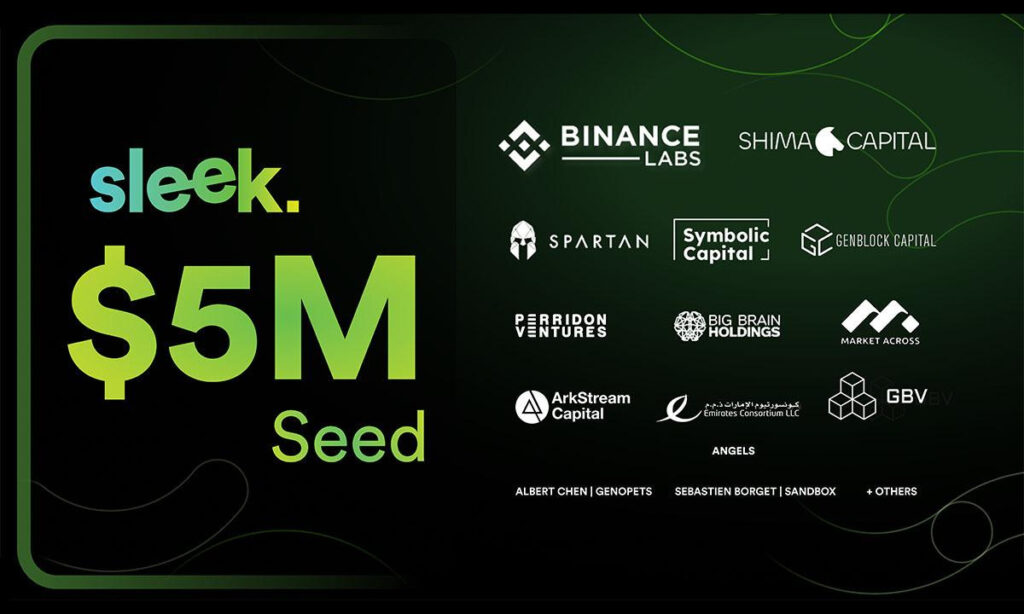
Sleek, a Web3 social network, today announces they have successfully raised US$5 million in a seed round, enabling them to power the ownership economy and bring blockchain-powered social media to the masses.
Officially launched in April 2023, the company aims to revolutionize human connection by making networking simple, fun, and productive. Sleek offers a comprehensive platform that enables users to seamlessly exchange information, onboard new people into their network, as well as incentivize community building via Web3 Social Finance (SocialFi) business models. For the very first time, users can directly monetize their content and social capital to become a new class of creators.
Sleek’s first product, Sleek Card, was designed to empower Web3 professionals to network in person. Each card creates a blockchain wallet and a decentralized identity for each user, seamlessly onboarding individuals into the Web3 space. Sleek Card leverages NFC technology and its proprietary messaging bot to help users efficiently capture data and manage contacts, creating powerful on-chain social graphs.
To date, the Sleek Card has powered over 300,000 connections, solidifying its position as a leading player in the Web3 space. Sleek Card has also partnered with Solana Hacker Houses, Coinfest, Digital Art Fair, and NFTNow to bring innovative event experiences to life.
“We are launching monetization models in our platform that are only possible through the blockchain, so talented creators from various verticals who don’t have a full team supporting them can earn sustainably”, said co-founder, Tania Tse.
“Leveraging our own experiences and lessons learnt, we are building applications alongside our users to power the future of Web3 social”, said co-founder, Chase Guo.
In the first half of 2024, Sleek will launch an open marketplace that empowers domain experts to become creators by tokenizing their knowledge into liquid and accessible assets. The future holds the promise of a more equitable, user-centric, and transparent digital social landscape.
Sleek’s investors include Binance Labs, Shima Capital, Spartan Group, Symbolic Capital, Genblock Capital, Big Brain Holdings, Market Across, Emirates Consortium, Arkstream, Perridon, GBV, and several angel investors. Binance Labs, the VC arm of Binance, invested in Sleek through the Binance Labs Incubation Program.
With blockchain-based social assets and a suite of pioneering products, Sleek is poised to reshape the social networking landscape and open new doors for creators to prosper in the Web3 era.
About Sleek
Sleek is a Hong Kong-based Web3 social network that revolutionizes authentic human connection in the digital age. Their mission is to power the ownership economy and bring blockchain-powered social media to the masses.
Sleek’s platform consists of Sleek Card and a knowledge marketplace launching in the first half of 2024. Sleek Card is an identity platform for seamless networking in person. Sleek’s NFC cards and proprietary messaging bot bring together the user’s collective identities with a single tap, facilitating 300,000+ connections and powering 60+ global events. Sleek’s knowledge marketplace facilitates the discovery of domain experts who can monetize directly with consumers.
For more information visit Sleek’s: Official Website | Twitter | Telegram
Contact
Marketing and PR
Sleek
[email protected]
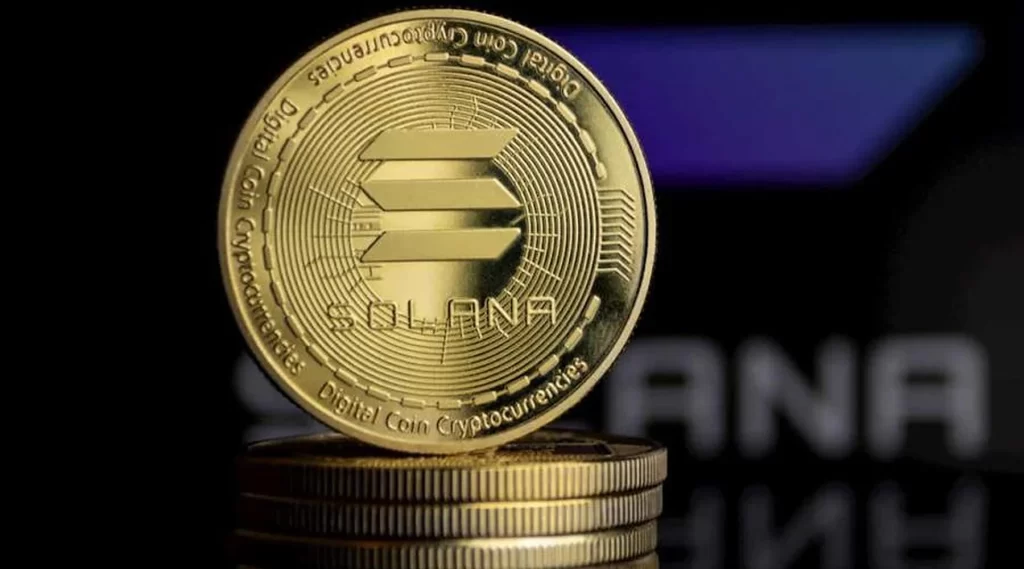
Solana’s SOL token has surged to new yearly highs, registering a remarkable 17% gain just a day after Cathie Wood, CEO of ARK Invest, praised the network’s efficiency and cost-effectiveness during a CNBC interview on November 15th.
Wood hailed Solana as a major player in the broader blockchain ecosystem, commending its performance in recent market conditions.
Comparing Solana to Ethereum, Wood emphasized the former’s superior speed and cost-effectiveness, stating, “Ether was faster and cheaper than Bitcoin in the day – that’s how we got Ether.
Solana is even faster and more cost-effective than Ether.” She underscored the significance of Ethereum and Solana as essential infrastructure layers within the blockchain ecosystem, capable of supporting a wider range of real-world applications compared to Bitcoin.
While the overall cryptocurrency market is experiencing an uptrend, Solana’s recent gains have outstripped those of other major cryptocurrencies, surging by an impressive 197% over the last month.
READ MORE: Poloniex Prepares to Resume Operations Following $100 Million Hack
In contrast, Bitcoin and Ether have seen more modest gains of 32% and 28%, respectively, during the same period.
As of now, Solana is trading at just over $66, according to TradingView data.
Wood also addressed the current market anticipation surrounding pending spot Bitcoin exchange-traded fund (ETF) products.
She urged investors to stay focused on the fundamental importance of Bitcoin as a catalyst for “the money revolution” and cautioned against becoming too fixated on short-term price fluctuations.
Acknowledging the possibility of a “sell on the news” scenario, where investors’ anticipation of ETF approval exceeds the market’s demand for the actual event, Wood warned of a potential rapid selloff in the days following such an approval.
In essence, Wood emphasized the importance of maintaining a long-term perspective on the transformative potential of cryptocurrencies and blockchain technology, regardless of short-term market dynamics.
Paxos, a prominent crypto infrastructure company, has achieved preliminary approval from Singapore’s regulatory authority for the establishment of a new entity dedicated to launching a stablecoin backed by the U.S. dollar.
In an announcement made on November 15th, Paxos revealed that it had received an initial endorsement from the Monetary Authority of Singapore (MAS) for its newly formed entity, Paxos Digital Singapore Pte. Ltd.
This new entity is authorized to provide digital payment token services and has intentions to introduce a stablecoin denominated in U.S. dollars, which will comply with MAS’ forthcoming stablecoin regulations.
Upon obtaining full regulatory approval, Paxos intends to collaborate with enterprise clients to facilitate the issuance of the stablecoin within Singapore.
Walter Hessert, Paxos’ head of strategy, emphasized the increasing global demand for the U.S. dollar while acknowledging the challenges faced by consumers outside the United States in accessing dollars securely, reliably, and with regulatory safeguards.
He noted that the in-principle approval from MAS would enable Paxos to extend its regulated platform to a broader international user base.
READ MORE: Global Tech Giants Unveil Ambitious Plan After Poloniex Hack
The Monetary Authority of Singapore previously outlined its regulatory framework for stablecoins on August 15th.
This framework is designed to oversee stablecoins linked to the Singapore dollar or major G10 currencies like the euro, British pound, and U.S. dollar, provided their circulation exceeds 5 million Singapore dollars ($3.7 million).
On August 7th, PayPal launched its own USD-backed stablecoin, PYUSD, which was issued by Paxos.
It’s worth mentioning that Paxos had previously minted Binance’s BUSD stablecoin, but it was compelled by the New York Department of Financial Services to cease issuing the token due to the agency’s classification of it as an unregistered security.
Paxos clarified that all of its stablecoins are fully backed by U.S. dollars and cash equivalents, underscoring their commitment to compliance.
They further highlighted their practice of issuing monthly attestations and reserve reports to ensure transparency and regulatory adherence.
This commitment to regulatory compliance aligns with Paxos’ mission to provide a reliable and secure platform for the issuance of stablecoins, catering to the growing global demand for the U.S. dollar.
Binance, the renowned cryptocurrency exchange, is set to make its presence felt in Thailand through a joint venture with Gulf Energy Development, a local energy giant.
According to a November 15 filing with the Stock Exchange of Thailand by Gulf Energy, the new venture, named Gulf Binance, will initially operate on an invitation-only basis, with plans for a public rollout in early 2024.
This initiative received the green light from the Thai Securities and Exchange Commission (SEC) on November 10, paving the way for Binance’s expansion into the Thai market.
A spokesperson from Binance confirmed that the platform’s launch has commenced with invitation-only access, with more details to follow as they become available.
Gulf Binance achieved a significant milestone on May 26 when it secured digital asset operator licenses from Thailand’s Ministry of Finance, enabling it to operate a regulated cryptocurrency exchange under the supervision of the country’s SEC.
Initially, Binance had aimed to launch its Thai branch by the fourth quarter of 2023.
Richard Teng, Binance’s regional head of Asia, Europe, the Middle East, and North Africa, emphasized the strategic importance of leveraging Gulf Energy’s local presence and network to introduce blockchain technology to Thai users.
READ MORE: Global Tech Giants Unveil Ambitious Plan After Poloniex Hack
Gulf Energy Development, founded and led by Thai billionaire Sarath Ratanavadi, is a major player in Thailand’s natural gas distribution sector.
The company is known for its diverse investments in various business sectors, including renewable power generation, infrastructure development projects, and digital infrastructure businesses.
Gulf Energy had previously invested in Binance’s United States-based subsidiary, Binance.US, through its participation in the “Series Seed Preferred Stock” issued by BAM Trading Services, the operator of Binance.US.
In recent developments, Binance collaborated with the Royal Thai Police to seize $277 million from scammers, which resulted in over 3,200 victims seeking compensation.
Tigran Gambaryan, Binance’s head of financial crime compliance, emphasized the company’s commitment to partnering with authorities worldwide to restore trust in the digital asset ecosystem.
The joint venture between Binance and Gulf Energy Development signifies Binance’s expanding footprint in the cryptocurrency market and its dedication to collaborating with local partners to promote blockchain technology adoption.
With the Thai SEC’s approval, Gulf Binance is poised to make a significant impact on the cryptocurrency landscape in Thailand.
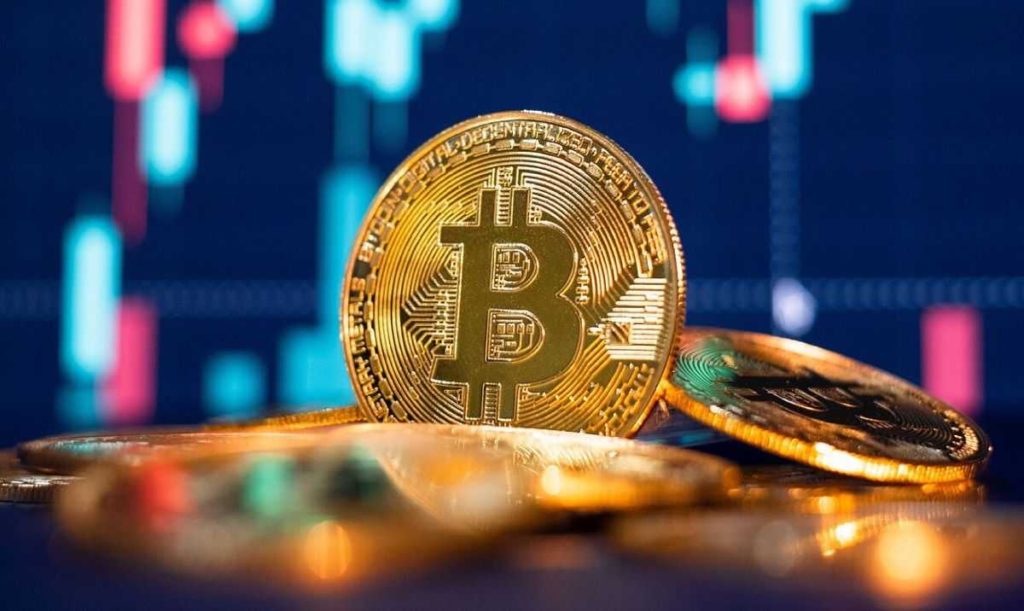
On November 14th, Bitcoin faced a critical test as it dipped to the $35,000 support level, experiencing a significant drop in price.
In just one hour, the cryptocurrency plummeted by over $1,000, creating a sense of sell-side pressure in the market.
Fortunately, Bitcoin managed to find support at the $35,000 mark, acting as a springboard for a recovery to approximately $35,600 at the time of this report.
This sudden volatility came shortly after what initially seemed like a positive development for Bitcoin and the crypto market, with United States inflation data showing a slowdown beyond expectations.
However, it became evident that beyond smaller retail investors, there was limited enthusiasm for purchasing Bitcoin at its previous levels, which had recently reached 18-month highs.
Analysts pointed out that Bitcoin whales began to cash in on their profits on November 3rd as the BTC price surged from $35,000 to nearly $38,000. Over 15 wallets holding more than 1,000 BTC each either sold or redistributed their holdings.
An accompanying chart from on-chain analytics firm Glassnode revealed that the number of whale wallets had reached its lowest point in about a month.
Following the release of the inflation data, monitoring resource Material Indicators highlighted the need to anticipate periods of downside movements within the broader Bitcoin uptrend.
They cautioned against assuming that the market would only move upwards, emphasizing that market dynamics are more complex and require patience and conviction from investors.
A subsequent update revealed that bid support had shifted closer to the spot price, moving from $33,000 to $34,500, while whales continued to offload their holdings.
One notable development was the surge in long liquidations, with data from CoinGlass indicating the highest daily volume of long Bitcoin liquidations in several months, totaling $120 million on November 14th.
Interestingly, this amount was nearly equal to the short Bitcoin liquidations that occurred when the price spiked to $38,000 the previous week.
Furthermore, across the cryptocurrency market, long positions in various cryptocurrencies were liquidated, amounting to nearly $300 million.
In conclusion, Bitcoin’s recent price action showcased the cryptocurrency’s ongoing volatility, with fluctuations driven by factors such as profit-taking by whales and market sentiment.
Traders and investors need to exercise caution and be prepared for both upward and downward movements in the ever-evolving cryptocurrency market.
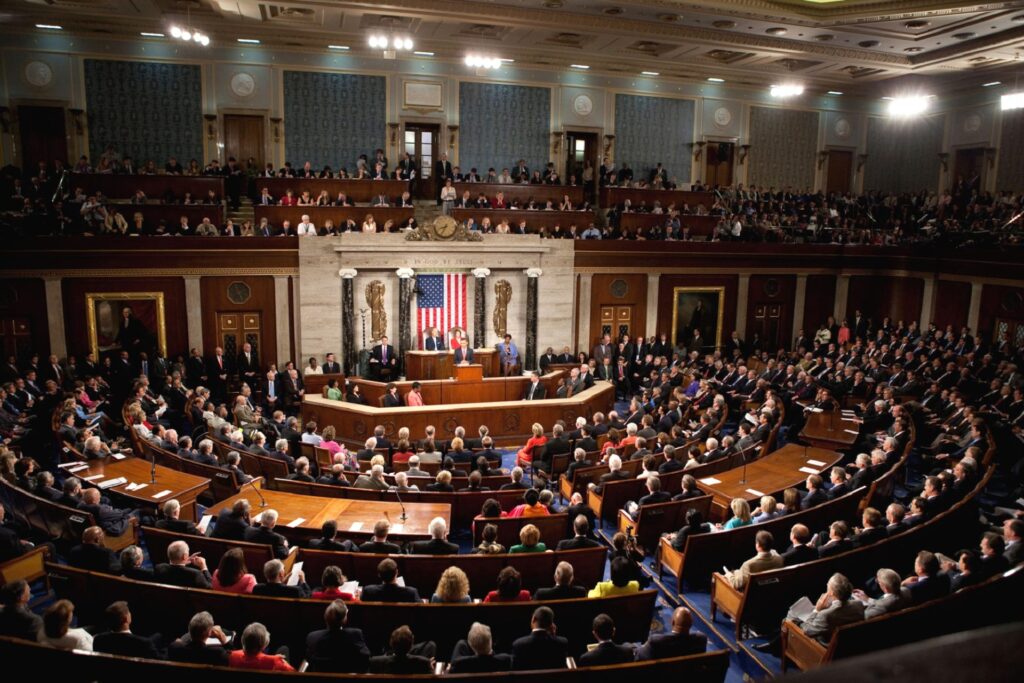
The United States House Financial Services Subcommittee on Digital Assets, Financial Technology, and Inclusion gained insights into blockchain technology during a hearing titled “Crypto Crime in Context: Breaking Down the Illicit Activity in Digital Assets” on November 15.
The bipartisan nature of the hearing was emphasized by Chair French Hill at the outset.
Chair Hill initiated the meeting by referencing an article published by The Wall Street Journal on October 10, which highlighted the use of cryptocurrencies by Hamas for fundraising.
It’s worth noting that the article was corrected on October 27 to provide a more accurate representation of data from blockchain analytics firm Elliptic, as Hill pointed out.
He underscored that just as phones and the internet cannot be blamed for terror financing, cryptocurrencies shouldn’t be either.
Subcommittee ranking member Stephen Lynch expressed hope that preconceived notions about cryptocurrencies could be set aside.
The panel of witnesses included representatives from Consensys and Chainalysis, as well as forensic experts and a senior counsel from law firm Hogan Lovells.
They emphasized the importance of international and public-private collaboration to combat the misuse of digital assets, the necessity of well-crafted legislation, and the complexities of blockchain investigation.
Representative Brad Sherman posed a question to Dynamic Securities Analytics president Alison Jimenez, asking for an example of a legitimate use of a crypto mixer, to which she was unable to provide a satisfactory response.
READ MORE: Global Tech Giants Unveil Ambitious Plan After Poloniex Hack
Additionally, a group of lawmakers, including Hill, Representative Tom Emmer, Financial Services Committee Chair Patrick McHenry, and Representative Ritchie Torres, along with 53 more House members, sent a letter to U.S. President Joe Biden and Treasury Secretary Janet Yellen on November 15.
This letter sought information on the fundraising activities of Hamas and Palestinian Islamic Jihad and their involvement with cryptocurrency.
The letter emphasized the need to understand the scale of these organizations’ digital asset fundraising campaigns in relation to their traditional funding methods.
The same Wall Street Journal article was cited in this letter. On November 12, the WSJ published a second article by the same authors on the use of cryptocurrencies to funnel money to Hamas.
On the same day, the Blockchain Association released an open letter addressed to Hill and other members of the Financial Services Committee.
This letter, signed by 40 former members of the U.S. military, intelligence officers, and national security professionals with ties to digital asset companies or venture capital, expressed concerns about the accuracy of the previously mentioned WSJ article.
They argued that this article, which they deemed “grossly overstated” and “debunked,” is being used to advocate for legislation that may not align with U.S. national security interests.
The letter emphasized that promoting the growth of a regulated and compliant digital asset industry in the United States is the most effective approach to combating illicit activities involving cryptocurrencies.
London, United Kingdom, November 16th, 2023, Chainwire
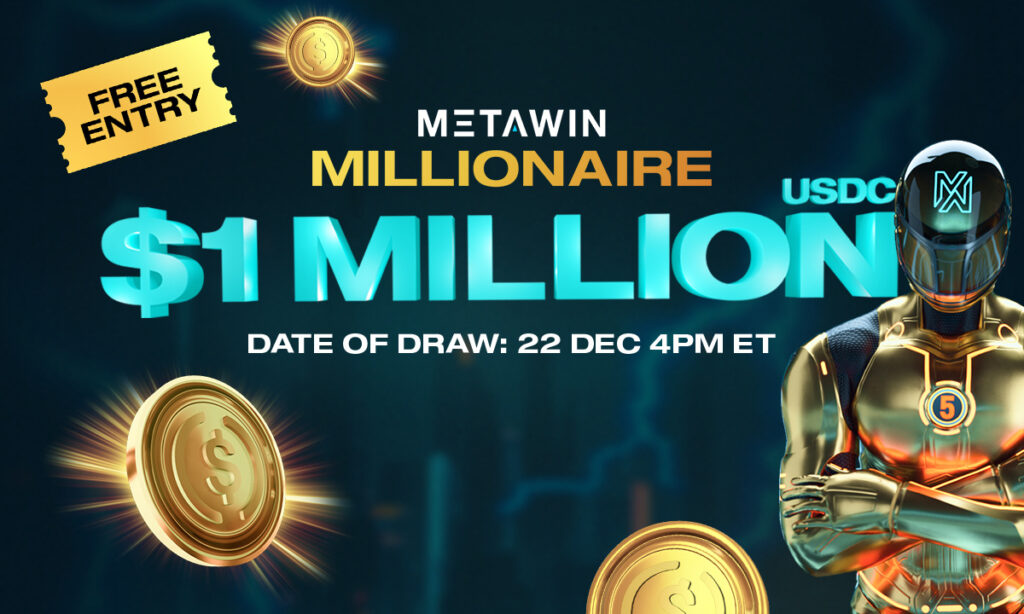
MetaWin, a trailblazer in the digital competitions arena, today announced the launch of its most ambitious event to date – the MetaWin Millionaire. This groundbreaking competition offers participants a chance to win $1 million in USDC Stablecoin, marking a new epoch in online competitions.
A Game-Changing Event in the Blockchain Space
MetaWin Millionaire is not just a competition, it’s a revolution in the digital contest landscape. Hosted entirely on-chain, this event exemplifies transparency and fairness through blockchain technology. It’s open to everyone, with free entry requiring only the payment of a nominal Ethereum gas fee to register.
Ensuring absolute impartiality, MetaWin employs Chainlink’s renowned on-chain random number generator to select the winner. This third-party integration underlines MetaWin’s commitment to unquestionable fairness and legitimacy in its competitions.
As the clock ticks down with just 37 days left, excitement mounts. The much-anticipated draw will take place on December 22, 2023, at 4 PM Eastern. The winner will witness a life-changing moment as $1 million in cryptocurrency instantly transfers into their wallet from the smart contract.
A Legacy of Successful Competitions
MetaWin is no stranger to hosting high-stake competitions. With over 16,500 contests completed, including NFTs and cryptocurrency giveaways, MetaWin has already changed lives. The biggest win to date has been an impressive 150ETH ($300K), setting the stage for the massive million-dollar event.
Join the Race For a Chance to Become a Millionaire
Currently, with 2,363 participants and counting, MetaWin invites everyone to join this extraordinary opportunity. It’s more than a competition; it’s a chance to be part of blockchain history and potentially turn your life around with a million-dollar reward.
To enter, users can visit MetaWin.com and connect with their favorite Web3 wallet to register their entry today.
About MetaWin
MetaWin is at the forefront of on-chain competition platforms, revolutionizing how digital contests are conducted. By harnessing the power of blockchain technology, MetaWin provides a transparent, fair, and thrilling competition experience. With a history of significant giveaways and a commitment to innovation, MetaWin is reshaping the future of online competitions.
For more information visit MetaWin’s: Official Website | Discord | Twitter | Instagram | Telegram
Contact
MetaWin Team
MetaWin
[email protected]
Hong Kong-based institutional cryptocurrency asset custodian, Hex Trust, has received approval to offer virtual asset custodial services to institutional clients and investors in Dubai.
The company, which established its Dubai office in June 2022, obtained a full virtual asset service provider (VASP) license from Dubai’s Virtual Asset Regulatory Authority (VARA) on November 15.
Initially, Hex Trust had received a minimal viable product (MVP) operations license in February 2023, and this recent approval allows the firm to fully operate in the jurisdiction.
Hex Trust’s MENA regional director, Filippo Buzzi, highlighted that this approval places the company among a select group of cryptocurrency exchanges and service providers allowed to operate in Dubai.
Buzzi expressed Hex Trust’s commitment to expanding into the Middle East, citing the region’s progressive regulations, supportive governments, and thriving crypto ecosystem as factors contributing to its growth potential.
Alessio Quaglini, Hex Trust’s co-founder and CEO, emphasized that Dubai offers an ideal environment for businesses in the cryptocurrency sector to thrive, thanks to its progressive regulatory approach.
In addition to Dubai, Hex Trust has also received regulatory approval in France to provide its services to companies in the country, marking another milestone in its global expansion.
The company currently has offices in Hong Kong, Singapore, Vietnam, Dubai, Italy, and France.
READ MORE: Global Leaders Gather at APEC Summit in San Francisco to Discuss Economy and Digital Assets
Furthermore, Hex Trust recently gained recognition as one of the four major cryptocurrency custodians integrated into MetaMask Institutional’s wallet and browser extension, enabling it to offer custodial services to institutional clients.
This announcement coincided with Crypto.com’s Dubai entity receiving its VASP license, which is still pending operational approval from the city’s regulator.
Hex Trust joins a list of prominent cryptocurrency exchanges and firms that have obtained MVP or VASP licenses in Dubai, including Binance, Bybit, Laser Digital Middle East, BitOasis (currently suspended), OKX, Crypto.com, FTX (license revoked), and Huobi.
Komainu, a joint venture involving Nomura, and crypto companies CoinShares and Ledger, also secured a full VASP license in August 2023, offering custodial and staking services to institutional-grade clients.
The United Arab Emirates’ continued attraction to cryptocurrency ecosystem participants is driven by its role in providing federal grants and fostering crypto-friendly regulations.
To obtain a VARA license in Dubai, crypto exchanges must go through a three-step process, which includes qualifying for provisional approval, obtaining an MVP license, and finally securing a full market product license.