



On July 21, the White House made a significant announcement regarding the development of artificial intelligence (AI) technology.
Some of the most prominent AI companies, including OpenAI, Google, and Microsoft, have committed to prioritizing safety, security, and transparency in their AI endeavors.
Additionally, The White House commended other companies like Amazon, Anthropic, Meta, and Inflection for their dedication to AI safety.
The Biden Administration stressed the responsibility of these companies in ensuring the safety of AI products while promoting high standards in its development.
Kent Walker, the President of Global Affairs at Google, emphasized the importance of collaboration in achieving success in AI.
He expressed satisfaction in joining forces with other leading AI companies to support these commitments and assured that Google would continue to share information and best practices with others.
The commitments made by these companies include pre-release security testing for AI systems, sharing best practices in AI safety, investing in cybersecurity and insider threat safeguards, and enabling third-party reporting of vulnerabilities in AI systems.
OpenAI’s Vice President of Global Affairs, Anna Makanju, highlighted that policymakers around the world are actively considering new regulations for advanced AI systems.
To address concerns in the rapidly growing AI industry, bipartisan United States lawmakers introduced a bill in June to create an AI commission.
The Biden Administration is also collaborating with global partners, including Australia, Canada, France, Germany, India, Israel, Italy, Japan, Nigeria, the Philippines, and the United Kingdom, to establish an international framework for AI.
Microsoft, represented by President Brad Smith, endorses The White House’s voluntary commitments and commits independently to additional practices that align with the objectives.
This move demonstrates Microsoft’s dedication to expanding its safe and responsible AI practices and collaborating with other industry leaders.
The misuse of generative AI and deepfake technology in conflict zones has raised concerns among global leaders, including the United Nations Secretary-General.
To address these ethical challenges, U.S. Vice President Kamala Harris met with AI leaders in May to lay the groundwork for responsible AI development.
As part of this effort, the National Science Foundation announced a $140 million investment in AI research and development.
The commitments made by these leading AI companies and the support from the Biden Administration signal a collective effort to ensure the safe and ethical development of AI technology.
By working together and collaborating with global partners, they aim to set a robust framework that upholds AI’s potential while mitigating potential risks.
Other Stories:
Vermont Department of Financial Regulation Issues Stark Crypto Warning
2023 Ranking: 4 Best Crypto Projects To Invest In
China’s Digital Yuan Soars: Business Travelers Can Now Pay for Flights with CBDC
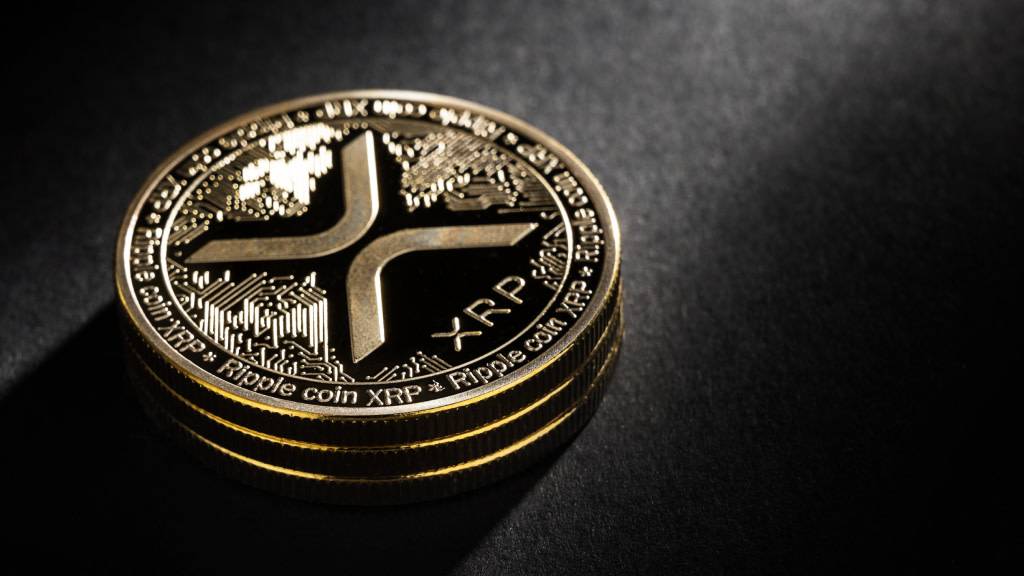
XRP’s price experienced an astonishing 100% surge on the same day as the landmark ruling in the XRP securities case, where Judge Analisa Torres of the United States District Court for the Southern District of New York declared that XRP sales to retail investors do not classify the token as a security in the SEC’s case against Ripple.
This ruling reignited trading interest in XRP, leading to a surge in open interest volume for XRP futures contracts, which reached a high of $1.19 billion on July 20, the highest point since November 2021.
The surge in trading interest and the relisting of XRP on prominent U.S.-based exchanges, such as Gemini and Coinbase, boosted market sentiment.
However, despite the positive developments, network growth for XRP has not seen a corresponding increase.
The number of transactions on the XRP Ledger has remained steady for over a year, indicating a lack of new entities actively participating in the network.
Ripple, following its partial victory in the lawsuit, is striving to boost adoption of the XRP Ledger.
The company has invested $54 million in a metaverse project called Futureverse and plans to rebuild its relationships with banks, aiming to facilitate low-cost global payments.
READ MORE: China’s Digital Yuan Soars: Business Travelers Can Now Pay for Flights with CBDC
These initiatives are expected to promote network growth and serve as positive catalysts for the market.
From a technical perspective, the XRP/USD pair faces resistance from a long-term bearish trendline dating back to the 2018 peak.
A weekly close above this level could strengthen investor sentiment and potentially mark the end of the bearish trend.
However, if buyers fail to sustain the bullish momentum, XRP/USD might revisit support around $0.54 before making another upward move.
Similarly, the XRP/BTC pair is also encountering resistance between 0.00002533 BTC and 0.00003341 BTC, a level that has proven challenging to breach since 2019.
Failure to establish support above this level could lead the pair back to support around 0.00001555 BTC.
Despite the positive regulatory developments and technical progress, there are indications of potential short-term pullbacks due to the significant volatility exhibited by XRP, given its futures open interest reaching over $1 billion.
The funding rate for perpetual swaps has trended positively since the court ruling, suggesting an increase in long positions, which raises the possibility of a correction to liquidate overleveraged buyers.
However, considering the positive regulatory landscape, technical advancements, and the token’s popularity among retail users, it is plausible that XRP’s long-term negative trend may conclude in the coming weeks with the advent of positive catalysts related to mainstream adoption of XRP.
Other Stories:
Vermont Department of Financial Regulation Issues Stark Crypto Warning

The Vermont Department of Financial Regulation (DFR) recently issued a stern warning to its citizens about the growing menace of cryptocurrency investment scams flourishing on popular social media platforms.
The DFR’s advisory comes in the wake of a distressing incident where a 74-year-old man, Naum Lantsman, lost his entire life savings of $340,000 to a crypto scam orchestrated on Instagram and Telegram.
This tragic case underscores the urgency for Vermonters to exercise extreme caution and vigilance when engaging in cryptocurrency transactions.
Instagram has been identified by the Federal Trade Commission (FTC) as the leading platform associated with crypto fraud, and Lantsman’s unfortunate encounter with a scammer took place on this very platform.
He was lured by a post from a fraudulent entity called SpireBit, which purported to be an “international financial broker” specializing in cryptocurrencies.
Without conducting any due diligence, Lantsman created an account on SpireBit, only to be contacted by a representative through Telegram.
Over the course of several days, the scammer coerced him into making substantial investments.
What started as a seemingly harmless $500 investment quickly snowballed into a staggering loss of over $340,000.
Fake platforms like SpireBit deceive users by displaying fabricated profits on every trade, enticing victims to invest even more of their hard-earned savings.
Discover the best crypto projects of 2023
Lantsman, like many others, had heard about crypto scams but never imagined he would fall prey to one.
The DFR points to the increasing complexity and personalization of these scams, with con artists employing layers of deception, forging bank documents, and engaging in friendly conversations to dupe unsuspecting individuals.
The DFR emphasizes the importance of remaining vigilant and conducting thorough background checks when dealing with cryptocurrency investments.
Promptly reporting any fraudulent activities can help mitigate financial damage and assist in apprehending the criminals responsible for these scams.
The issue of decentralized finance hacks is gaining prominence, with Eun Young Choi, director of the U.S. Justice Department’s National Cryptocurrency Enforcement Team, highlighting the significant threat posed by North Korean state-sponsored hackers.
The Justice Department is actively pursuing crypto firms that either engage in criminal activities or turn a blind eye to suspicious transactions designed to obscure the trail of illicit funds.
In conclusion, Vermont’s financial regulatory agency is taking proactive steps to safeguard its citizens against the rising tide of crypto investment frauds on social media platforms.
By raising awareness and urging caution, they aim to empower Vermonters to protect themselves from falling victim to deceptive schemes.
Furthermore, the broader issue of decentralized finance hacks remains a concern, and the Justice Department is actively working to bring those responsible to justice.
Other Stories:
Why You Should Be Bullish Despite Bitcoin Price Falling Below $30,000
Bitcoin Mining Companies Employ Derisking Strategies, Offload BTC to Exchanges

China’s central bank digital currency (CBDC), the digital yuan, is gaining traction as a pilot program takes flight.
Chinese business travelers are now able to use the CBDC to pay for flight tickets, thanks to a collaborative effort between China Merchants Bank and the Civil Aviation Administration of China.
The newly introduced digital yuan platform aims to streamline transactions for travelers within the aviation network.
Companies and entrepreneurs can now conveniently use the digital yuan to pay for business air tickets, while passengers can access new services through the platform.
Already, China Travel Service, based in Suzhou, has leveraged the platform to purchase tickets for its clients.
The official launch of the platform on July 18 was celebrated by the Civil Aviation Administration and China Merchants Bank, who called for more innovative applications of the CBDC within the civil aviation industry.
The People’s Bank of China has been actively promoting the use of the digital yuan in the country’s transportation network.
READ MORE: 2023 Ranking: 4 Best Crypto Projects To Invest In
Beijing Daxing International Airport and Beijing Capital International Airport had previously partnered for a cargo-related digital yuan initiative in 2022.
To further enhance the adoption of the digital yuan, upgrades have been made to railway networks, light rail connections, and metro systems within the CBDC’s pilot zone.
These upgrades now allow for seamless digital yuan payments, independent of power or network connections.
Moreover, bus routes within the zone have also been integrated to facilitate digital yuan payments. Earlier this year, several highway toll booths within the pilot zone started accepting the digital yuan as a payment method.
The city of Shenzhen has been at the forefront of digital yuan adoption, with nearly 36 million digital yuan wallets opened by residents. Impressively, over seven million new wallets were created since the start of 2023.
This widespread expansion of the CBDC pilot program across various sectors demonstrates China’s commitment to transforming its economy through the broad acceptance of the digital yuan.
As the digital yuan pilot program continues to grow, more sectors are likely to embrace the CBDC, further solidifying China’s position as a leader in the digital currency space.
With ongoing efforts to explore innovative applications, the digital yuan is poised to revolutionize the way transactions are conducted in the country’s aviation and transportation industries and beyond.
Other Stories:
Why You Should Be Bullish Despite Bitcoin Price Falling Below $30,000
Bitcoin Mining Companies Employ Derisking Strategies, Offload BTC to Exchanges
Bitcoin (BTC) is showing signs of an impending burst of volatility, comparable to the significant 40% gains it experienced in January.
On-chain data, as reported in analytics firm Glassnode’s weekly newsletter, The Week On-Chain, points to the tightest Bollinger Bands for BTC since the beginning of 2023.
BTC’s price has remained in a narrow range for a whole month, with $30,000 acting as a pivotal point for sideways movement.
This situation is testing both bullish and bearish traders, leaving them uncertain about the future direction of the market.
Analyst Aksel Kibar observed on July 21 that the prolonged sideways action is often a precursor to strong price movements, although he remains unsure of the direction.
To prepare for the upcoming surge in volatility, he sticks to his well-defined boundaries and awaits the directional move.
Bollinger Bands, a classic volatility indicator, are currently signaling that the days of rangebound BTC price action are limited. These bands use standard deviation around a simple moving average to determine when a shift in trend is likely.
READ MORE: Bitcoin Mining Companies Employ Derisking Strategies, Offload BTC to Exchanges
At present, the upper and lower bands are closer together than at any point during BTC’s upside in 2023, indicating a potentially significant move soon.
The market is experiencing a period of extremely low volatility, with the 20-day Bollinger Bands indicating an extreme squeeze, marking the “quietest BTC market since the lull in early January.”
Such a scenario previously led to a breakout in January, resulting in substantial gains throughout the month.
Glassnode also observed that, despite BTC’s price gains since January, there is little active selling for profit or loss at current levels.
This lack of “realized” activity is a common occurrence after price cycle lows.
Investors seem reluctant to spend their coins on-chain, as evidenced by the relatively small sum of profits and losses locked in by the market, amounting to approximately $290 million per day.
This figure, although significant on a nominal basis, is comparable to the situation in 2019 and October 2020, even though the Bitcoin market cap has approximately doubled since then.
In summary, Bitcoin’s tight Bollinger Bands and the lack of active selling indicate an imminent surge in volatility.
Traders and investors are eagerly anticipating the directional move, as it has the potential to rival the significant gains witnessed in January.
Other Stories:
Bitcoin Mining Companies Employ Derisking Strategies, Offload BTC to Exchanges
Robert F. Kennedy Jr. Pledges to Back US Dollar with Bitcoin if Elected President

Cerebras Systems, a Silicon Valley-based company, has secured a substantial deal worth approximately $100 million with G42, a technology group headquartered in the United Arab Emirates (UAE).
The agreement encompasses the provision of an initial installment of an artificial intelligence (AI) supercomputer, with the potential of delivering up to nine more units, as stated in a press release on July 20.
G42 has committed to obtaining three Condor Galaxy systems from Cerebras, which form an innovative network comprising nine interconnected supercomputers.
The first supercomputer in this network, known as Condor Galaxy 1 (CG-1), boasts an impressive performance of 4 exaflops and is built on a framework of 54 million cores.
To expedite deployment, the manufacturing of these systems will take place in the United States. The first supercomputer, CG-1, is slated to be operational by the end of this year, while CG-2 and CG-3 are expected to go online in early 2024.
The timing of this agreement is significant, as cloud computing providers worldwide are actively seeking alternatives to Nvidia chips, which currently dominate the AI computing market.
With Nvidia’s products facing shortages due to high demand from AI services like ChatGPT and others, Cerebras and other startups are striving to challenge Nvidia’s market dominance in the AI computing sector.
Cerebras CEO Andrew Feldman revealed that discussions are already underway for the potential acquisition of up to six additional supercomputers by late 2024.
The company, in collaboration with G42, aims to expand the supercomputer network, with plans to establish an impressive 36 exaflops of AI computing power in the coming year.
To support the advancement of its computing services using the supercomputers, Feldman expressed his intention to relocate to the UAE for three months, working closely with G42.
He views this endeavor as a “rare opportunity to revolutionize a massive market.”
G42, based in Abu Dhabi, intends to leverage the Cerebras systems to offer AI computing services to healthcare and energy companies.
In response to inquiries, Cerebras has not yet provided further details on the terms of the deal or its future plans.
Overall, this partnership between Cerebras and G42 represents a significant move in the AI computing industry, as it not only addresses the current challenges posed by chip shortages but also seeks to expand and revolutionize the potential of AI computing services.
Other Stories:
Bitcoin Mining Companies Employ Derisking Strategies, Offload BTC to Exchanges
Robert F. Kennedy Jr. Pledges to Back US Dollar with Bitcoin if Elected President
Why You Should Be Bullish Despite Bitcoin Price Falling Below $30,000

Conic Finance, a liquidity pool balancing platform associated with the decentralized finance (DeFi) protocol Curve, has recently fallen victim to an exploit on the Ethereum omnipool, resulting in a loss of $3.26 million in Ether (ETH).
As of July 21, the value of ETH has dipped to $1,892, following the incident, according to Beosin Alert, a Web3 risk-alert source.
Beosin Alert’s data revealed that the majority of the stolen cryptocurrency was consolidated and transferred to a new Ethereum address in a single transaction, hinting at the sophistication of the attack.
Etherscan’s analysis of the address highlighted the involvement of a flashloan exploit on Coin ETH Pool.
Promptly responding to the breach, Conic Finance took to Twitter to confirm the news and assured users that they are actively investigating the exploit. They promised to share updates as soon as they become available.
Peckshield, a blockchain security firm, conducted an initial analysis of the incident, which revealed that the root cause of the exploit originated from the new CurveLPOracleV2 contract.
READ MORE; Bitcoin Mining Companies Employ Derisking Strategies, Offload BTC to Exchanges
Interestingly, their audit had already identified a similar read-only reentrancy issue, but it was noted that the newly introduced CurveLPOracleV2 contract, which was not part of the audit scope, was the source of the vulnerability.
Within an hour of the initial report, Conic Finance took further precautionary measures and disabled ETH Omnipool deposits on their platform’s front end.
Curve Finance, associated with Conic Finance, confirmed the situation and informed users that only the ETH omnipool was affected.
Unfortunately, DeFi hacks have become increasingly common within the industry.
A recent report by De.Fi, a Web3 portfolio app, highlighted that in the second quarter of 2023 alone, hackers managed to steal more than $204 million through various DeFi hacks and scams.
Despite this alarming figure, the losses from DeFi exploits and scams in Q2 were comparatively lower than those recorded in Q1, with CertiK reporting a staggering $320 million lost from January to March.
In conclusion, the exploit on Conic Finance’s liquidity pool has resulted in substantial losses, raising concerns about the security and vulnerability of DeFi protocols.
With the industry continuously evolving, it is crucial for platform developers and security firms to work together to address and prevent such incidents to safeguard users’ funds and maintain trust in the DeFi ecosystem.
Other Stories:
Bitcoin Mining Companies Employ Derisking Strategies, Offload BTC to Exchanges
Robert F. Kennedy Jr. Pledges to Back US Dollar with Bitcoin if Elected President

Binance CEO Changpeng “CZ” Zhao recently issued a warning about the growing menace of phishing attacks in the cryptocurrency industry.
On July 21, CZ took to Twitter to caution his followers about the prevalence of social engineering scams and urged cryptocurrency exchange users to adopt more secure measures for two-factor authentication (2FA).
In light of recent incidents, CZ’s concerns gained significance. The day before, Uniswap founder Hayden Adams fell victim to a Twitter account compromise.
The attacker attempted to scam Adams’ followers using a malicious link, leading Crypto Twitter members to identify and warn against the scam.
Adams was able to regain control of his account within a few hours and assured his followers of updates to come.
This surge in social engineering attacks has become a concerning trend in the cryptocurrency realm.
In early July, LayerZero CEO Bryan Pellegrino was also targeted in a SIM swap attack, granting hackers temporary control of his Twitter account.
READ MORE: Bitcoin Mining Companies Employ Derisking Strategies, Offload BTC to Exchanges
Pellegrino suggested that the attackers exploited his discarded speaker badge from the Collision conference.
Blockchain security experts have raised red flags about the potential for further social engineering hacks, such as SIM swap attacks, in the future.
SlowMist’s chief information security officer, known as “23pds,” emphasized that these attacks do not necessitate advanced technical skills.
He pointed out that SIM swap hijacking has been on the rise, as demonstrated by recent incidents and Cointelegraph’s coverage of SIM swap hacks.
To safeguard against such attacks, 23pds and other cybersecurity experts recommended several protection measures, including avoiding reliance on SIM card-based 2FA verification.
Instead, users are advised to opt for more secure methods like Google Authenticator or Authy.
In conclusion, cryptocurrency industry leaders like CZ and Hayden Adams have brought attention to the growing threat of phishing and social engineering scams.
As the number of attacks rises, it is crucial for users to stay vigilant and adopt more secure authentication practices to protect their digital assets and personal information from malicious actors.
Other Stories:
Robert F. Kennedy Jr. Pledges to Back US Dollar with Bitcoin if Elected President
Why You Should Be Bullish Despite Bitcoin Price Falling Below $30,000

The United States Department of Justice (DoJ) has revealed plans to strengthen its efforts in combating crypto-related crimes by significantly increasing the resources of its crypto crime team.
The move comes as a response to the growing threat of cybercriminals utilizing cryptocurrencies for illicit activities.
In an announcement made on July 20, Principal Deputy Assistant Attorney General Nicole Argentieri unveiled the consolidation of two key DoJ teams: the Computer Crime and Intellectual Property Section (CCIPS) and the National Cryptocurrency Enforcement Team (NCET).
The NCET, described as an “enormously successful startup,” will be integrated into the CCIPS, providing it with access to additional resources and support.
The merger will lead to a substantial expansion of the team’s capacity to investigate and prosecute criminal offenses involving the abuse of cryptocurrencies.
The number of criminal division attorneys available to work on crypto-related cases is expected to more than double, as any CCIPS attorney may be assigned to handle NCET cases.
Explore the Crypto Intelligence Blockchain Council
This infusion of talent and expertise will bolster the unit’s efforts to tackle cybercrimes.
As part of the restructuring, the NCET will also welcome a new acting director. Claudia Quiroz, a former assistant attorney from the U.S.
Attorney’s Office for the Northern District of California and a deputy director of NCET since its inception, has been named as the new head of the team.
Quiroz’s experience and knowledge in the field make her a valuable asset in leading the charge against crypto-related criminal activities.
One of the primary areas of focus for the revamped team will be combating ransomware crimes.
Ransomware attacks have become a pervasive threat, and tracking criminals through their crypto payments will be a key strategy to prevent them from escaping justice.
By freezing or seizing illicit funds before they are sent to ransomware hotspots like Russia, the DoJ aims to disrupt the financial incentives that drive these criminal operations.
The NCET’s establishment in 2021 was part of the broader Cryptocurrency Enforcement Framework initiative by the DoJ.
Under the leadership of the former Director Eun Young Choi, the team concentrated on addressing thefts and hacks involving decentralized finance, with a particular emphasis on “chain bridges.”
With the expansion and consolidation of the crypto crime team, the DoJ seeks to send a clear message to cybercriminals that their illicit activities involving cryptocurrencies will not go unchecked.
By equipping the team with more resources, personnel, and a strong leader, the DoJ is taking significant steps to safeguard the integrity of the financial system and protect individuals and businesses from the threat of crypto-related crimes.
Other Stories:
Robert F. Kennedy Jr. Pledges to Back US Dollar with Bitcoin if Elected President
Bitcoin Mining Companies Employ Derisking Strategies, Offload BTC to Exchanges
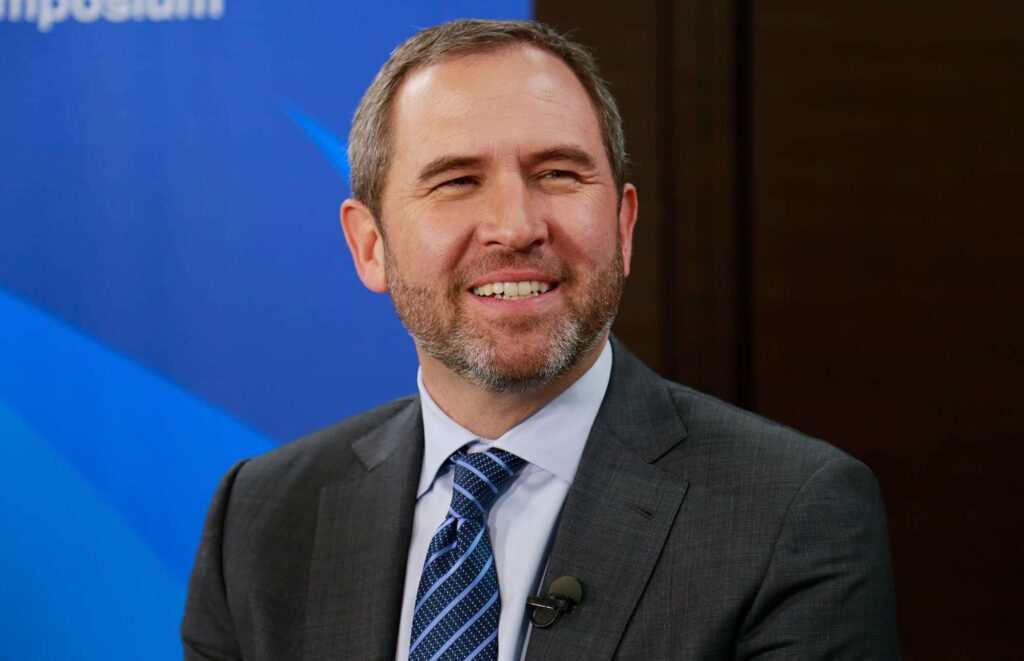
On July 13, 2023, Judge Analisa Torres of the United States District Court made a significant ruling declaring that Ripple’s XRP token should not be classified as a security when traded on retail digital asset exchanges.
This decision came as a major victory for Ripple and the entire cryptocurrency community in the United States.
Stuart Alderoty, Ripple’s chief legal officer, emphasized that the ruling debunks the U.S. Securities and Exchange Commission’s (SEC) theory that a token can be considered an investment contract and, therefore, a security.
He believes this ruling puts an end to the SEC’s dominance in the crypto space and its tendency to settle with smaller players who lack resources to challenge them.
Despite the positive outcome for Ripple, New York Representative Ritchie Torres raised concerns regarding the lack of protection for retail investors in securities law.
Torres advocated for a market structure bill to safeguard average American consumers in the crypto market.
He highlighted the importance of distinguishing between digital assets and securities within investment contracts, and the need to differentiate between institutional and retail buyers.
According to Torres, if a crypto token is purchased directly from an issuer or promoter by an institutional buyer, it qualifies as a security offering.
However, if the same token is acquired by a retail customer on an exchange, it falls outside the scope of securities law.
This distinction calls for a comprehensive market structure bill that can establish a reliable regulatory framework for digital assets.
The Representative revealed that he has been actively negotiating with Republicans in the House Financial Services Committee to craft a crypto market structure bill that balances robust regulation with protecting retail investors from bad actors.
While he personally supports blockchain technology and its potential to revolutionize various sectors, Torres asserted that policymakers’ role is to create a framework for regulating digital assets and safeguarding investors and consumers, irrespective of their personal views on the utility of cryptocurrencies.
Torres underlined the urgency of passing a market structure bill alongside the Ripple decision to provide clarity and protect retail customers.
He aimed to shield crypto innovators from arbitrary enforcement and, more importantly, ensure the safety of individual investors.
The combination of the Ripple ruling and a market structure bill would create a much-needed regulatory structure for the rapidly evolving crypto industry.
Clarity in regulations is deemed essential to enable the growth and success of blockchain technology and cryptocurrencies in building a more efficient and secure payment system, known as Web3.
Torres’ advocacy focused on the importance of addressing the shortcomings of the current status quo to provide a safer environment for retail customers investing in digital assets.
Other Stories:
Why You Should Be Bullish Despite Bitcoin Price Falling Below $30,000
Bitcoin Mining Companies Employ Derisking Strategies, Offload BTC to Exchanges
Robert F. Kennedy Jr. Pledges to Back US Dollar with Bitcoin if Elected President