


Cryptocurrency exchange Crypto.com has filed a petition with a Florida court to confirm a judgment obtained through arbitration after mistakenly depositing $50,000 into a user’s account.
The court filing, dated July 6, states that Crypto.com made an “erroneous deposit” into James Deutero McJunkins’ account in June 2022.
The user did not appear to have earned the funds through trades or other activities and promptly transferred the money to an external bank account, beyond the reach of Crypto.com’s authority.
Despite repeated requests for the return of the funds, McJunkins ignored the exchange’s appeals.
READ MORE: Top Executives Depart Binance Amidst Legal Scrutiny and Compliance Concerns
In October 2022, Crypto.com sought arbitration to address the missing funds, accusing McJunkins of civil theft and breach of contract.
The arbitrator ruled in favor of the company and awarded Crypto.com a total of $76,391.46 in April 2023.
This amount included the original $50,000 transaction, $1,786.11 in statutory interest, $21,205.35 in attorneys’ fees, and $3,400 in arbitration costs.
However, the arbitrator’s ruling did not possess the authority to enforce payment from McJunkins.
Consequently, Crypto.com has turned to the federal court system to seek resolution.
The petition, submitted on July 6, requests the Florida court to “confirm the Arbitrator’s Award and enter a final judgment in its favor and against McJunkins” for the outstanding amount owed.
This incident bears similarities to a previous case involving Crypto.com and two users based in Australia.
In May 2021, the exchange mistakenly transferred over $6 million to the couple’s account, only discovering the error in December of the same year.
The recipients purportedly spent a substantial portion of the funds, believing it to be a prize from the exchange.
The Australian authorities subsequently charged the duo with theft, and the case remains ongoing.
By petitioning the Florida court, Crypto.com aims to obtain a final judgment to secure the repayment of the mistakenly deposited funds.
This legal action showcases the complexities and challenges faced by cryptocurrency exchanges in rectifying errors and holding users accountable for their actions.
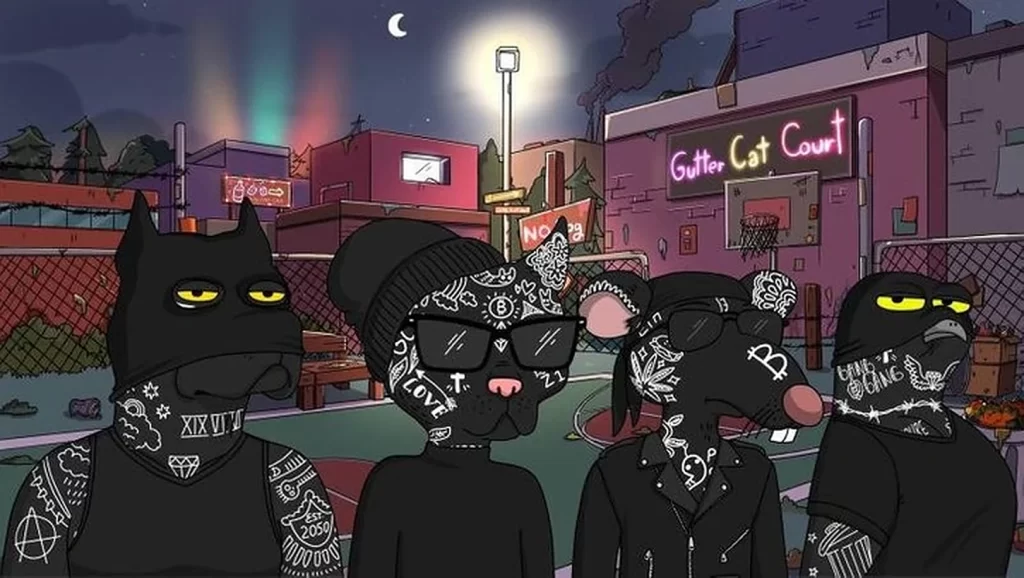
Over $765,000 worth of nonfungible tokens (NFTs) have reportedly been stolen in a SIM swap attack targeting the Gutter Cat Gang NFT project.
The breach came to light around 8:00 pm UTC on July 7 when members of the NFT community noticed suspicious activity.
Gutter Mitch, co-founder of Gutter Cat Gang, issued a warning on Twitter, alerting users that their account had been compromised and urging them not to interact with any links.
READ MORE: Vitalik Buterin Fires Warning About Bitcoin’s Future
In addition to the official Gutter Cat Gang account, co-founder Gutter Ric also fell victim to the hackers.
The attackers exploited the compromised accounts to distribute links to fake limited edition Gutter Cat Gang NFT sneaker airdrops.
When users clicked on these links, their hot wallets were drained of funds.
To lend credibility to their scheme, the hackers incorporated recent Gutter Cat Gang branding and images from the project’s phygital sneaker drop, which featured a collaboration with Puma and NBA/Charlotte Hornets star LaMelo Ball.
Prominent blockchain investigator ZachXBT, responding to Gutter Mitch’s tweet, suggested that the team had fallen prey to a SIM swap attack, raising questions about their cybersecurity practices.
He emphasized the need for a compensation plan for the victims, considering the negligence of using SMS 2FA given the recent surge in SIM swap attacks.
ZachXBT also highlighted two victims of the attack, one losing a Bored Ape Yacht Club NFT valued at $65,913 and another losing a staggering $700,000 worth of NFTs from various renowned collections.
Gutter Dan, another co-founder of Gutter Cat Gang, provided an update, stating that they were working with Twitter to regain control of the compromised accounts.
He expressed deep sympathy for those affected and assured the community that they were treating the matter seriously, collaborating with law enforcement to investigate the hack and security breach.
As of now, the compromised accounts remain under the control of the attackers.
Gutter Cat Gang, launched in mid-2021, consists of 3,000 unique NFT cartoon cat avatars.
The current floor price for these NFTs is 0.5 Ether (ETH), equivalent to approximately $1,858, representing a substantial increase of nearly 615% from the initial minting cost, according to NFT Price Floor.
According to a report by JPMorgan managing director Nikolaos Panigirtzoglou, the approval of a spot Bitcoin exchange-traded fund (ETF) in the United States may not have a significant impact on crypto markets, but it could benefit the leading cryptocurrency.
Panigirtzoglou, based in London, is part of JPMorgan’s global market strategy team and believes that a Bitcoin ETF in the US would have a similar effect as those seen in Canada and Europe, where such ETFs have been available for some time.
The report reveals that Bitcoin ETFs have generally attracted little investor interest in other jurisdictions over the past two years.
They have also failed to benefit from investor outflows from gold ETFs.
READ MORE: Top Executives Depart Binance Amidst Legal Scrutiny and Compliance Concerns
Despite this, Panigirtzoglou sees potential benefits if a Bitcoin ETF is approved in the US.
He suggests that it could bring more liquidity to Bitcoin markets and possibly lead to a shift in trading activity from BTC futures products.
Panigirtzoglou’s perspective differs from the high expectations surrounding the approval of a Bitcoin ETF in the United States. BlackRock’s CEO, Larry Fink, expressed during an interview on July 6 that investors might turn to Bitcoin as a hedge against inflation and the devaluation of fiat currencies.
Fink emphasized that Bitcoin is an international asset, not tied to any specific currency, making it an alternative asset for people to consider.
The annual inflation rate for the US, as reported by the Labor Department, was 4.0% for the 12 months ending in May.
The success of BlackRock in filling ETFs has generated optimism that their attempt to launch a Bitcoin ETF might also succeed.
Data from Bloomberg Intelligence’s Eric Balchunas and James Seyffart indicates that only one out of the 550 funds filed by BlackRock has been rejected to date.
Following BlackRock’s application, other companies such as Invesco, Fidelity, WisdomTree, and ARK Invest have also submitted applications or refilings with the Securities and Exchange Commission (SEC).
However, it’s worth noting that the SEC has previously denied several applications for Bitcoin ETFs.
In conclusion, while the approval of a Bitcoin ETF in the US may not be a game changer for crypto markets, it could have some positive implications for the leading cryptocurrency, such as increased liquidity and potential shifts in trading activity.
However, the overall impact might not be as significant as some anticipate, considering the historical investor interest in Bitcoin ETFs in other jurisdictions.
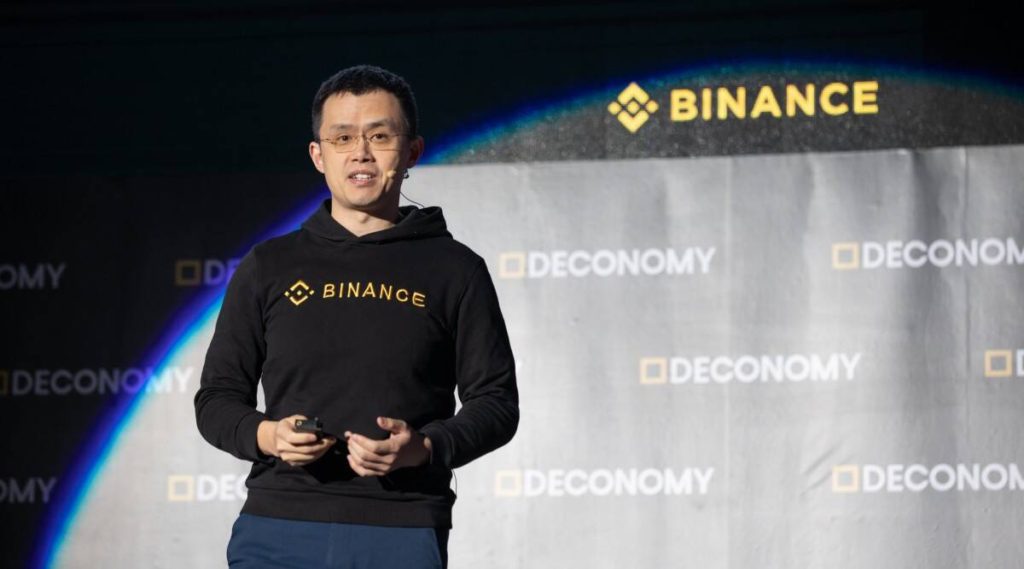
Cryptocurrency exchange Binance has entered into an agreement with Coinmerce to facilitate the transition of its users as it winds down its operations in the Netherlands.
Coinmerce, a Dutch crypto exchange, announced the collaboration in a blog post on July 6.
The partnership will enable hundreds of thousands of Binance users in the Netherlands to transfer their digital assets to Coinmerce’s platform at no cost.
READ MORE: Larry Fink Advocates for Crypto, Fuels Hopes for Bitcoin ETF Amid Regulatory Uncertainty
Binance had previously revealed plans to significantly reduce its services for Dutch users starting from July 17 due to its failure to acquire a virtual asset service provider license in the country.
Coinmerce co-founder Nick Smits van Oyen stated that their platform is fully compliant with European laws and regulations and offers Binance users an equivalent alternative.
He assured a smooth transition process, emphasizing that they had worked closely with Binance to make the switch as effortless as possible for the users.
The trouble for Binance in the Netherlands began in April 2022 when the country’s central bank imposed a fine of approximately $3.3 million on Binance Holdings for operating crypto services without the necessary registration.
At that time, the central bank highlighted the exchange’s large customer base in the Netherlands.
While Binance has been expanding its operations into various countries, it has encountered regulatory challenges in certain jurisdictions.
In the United States, the exchange has faced legal action from both the Securities and Exchange Commission (SEC) and the Commodity Futures Trading Commission (CFTC).
Furthermore, reports suggest that Binance’s French division is currently under investigation.
Despite these regulatory hurdles, Binance continues to explore opportunities for growth in other regions, such as Kazakhstan.
The exchange remains a prominent player in the global cryptocurrency market, but it faces increasing scrutiny from regulators, who are aiming to establish clear frameworks for the operation of digital asset platforms.
As Binance collaborates with Coinmerce to assist its Dutch users with the transition, it remains to be seen how the exchange will navigate the regulatory landscape in different countries moving forward.

London, United Kingdom, July 8th, 2023, Chainwire
Aptius Ltd, a British financial enterprise, has developed a new cryptocurrency called BritanniaCoin which will be available for pre-sale from June 18th onwards, ahead of its launch later this year. BritanniaCoin is a British-built blockchain that introduces real-world applications while honouring British cultural heritage.
The pre-release contains 316,000 coins for sale, fixed at 6 USD per coin, in honour of the official unification of England and Scotland in 1707, 316 years ago. The pre-release presents an opportunity to purchase BritanniaCoin before its launch on exchanges at 8 USD per coin. BritanniaCoin is also launching a software wallet for the public, downloadable on the Apple App Store and Google Play. As part of BritanniaCoin’s commitment to charitable causes, 10% of the proceeds from the pre-sale will be donated to charity, as listed on the BritanniaCoin website.
During its pre-sale this summer, BritanniaCoin intends to give away 125,000 coins. BritanniaCoin is 100% self-funded and developed with no silent partners, as detailed in the white paper. These initiatives aim to foster an ecosystem that represents British values, integrates historic cultural legacy with technological innovation, and supports charitable organizations such as Hearts of Gold to improve the lives of vulnerable people.
BritanniaCoin introduces a proprietary blockchain with zero fees and a 20% faster block confirmation time than Bitcoin.
After the 1st round pre-release for commercial customers started in September 2022, BritanniaCoin launched its own bespoke hardware infrastructure. This hardware wallet platform intends to facilitate customer security, anonymity, and technological innovation. This exclusive hardware wallet is currently available to private investors and commercial clients who get in touch via their website. Moreover, the prospect of providing customers of the planned NFT project with access to hardware wallets in the future is something that is currently being considered. Following the completion of its 2nd stage ICO, BritanniaCoin intends to center its blockchain ecosystem, brand identity, and community on this hardware technology basis.
BritanniaCoin pursues multiple long-term goals, including expanding its community and improving the user experience. In addition, BritanniaCoin has its own British-themed NFT project that provides holders unique advantages, offering access to airdrops, special discounts, voting rights, an active role in selecting which charity institutions to support and signature events, such as their recent pre-release party held at the East India Club.

In the aftermath of the ICO, BritanniaCoin intends to launch BritanniaPay, consisting of their software wallet compatible with iOS and Android and connected with the company’s current hardware wallet network. BritanniaPay is an innovative new initiative that prioritizes British brands and businesses by integrating blockchain technology into its own payment system. Users can pay for their purchases at various UK and international retailers with BritanniaCoin alongside Bitcoin, Ethereum and other established cryptocurrencies.
BritanniaCoin unites a diverse team, as the Co-founder and CEO Daniel M. Ashworth brings over five years of experience in the cryptocurrency sector and co-founded Aptius in 2018, a Crypto and Forex trading company. Co-founder and CTO Jonathan Peters has 10 years of programming experience, including blockchain architecture, network infrastructures, and algorithmic trading software. COO Demetri Georgiev has over 10 years of experience in logistics operations and supports the project’s day-to-day operations. Events Manager Mark Turley has acquired over 18 years of experience arranging entertainment events and manages the project’s unique range of events in magnificent venues, such as the East India club. Charities Co-ordinator Mary Johnston has over 30 years of experience in sales and marketing and is actively involved in Hearts of Gold, the nominated charitable foundation supported by BritanninaCoin.
For more details about BritanniaCoin, access the project’s website.
About BritanniaCoin
BritanniaCoin is a cryptocurrency that deploys real-world utilities developed by Aptius Ltd, a British financial organization. Available for pre-sale from June 18th, BritanniaCoin intends to celebrate British cultural heritage.
Contact
Daniel M. Ashworth
Britanniacoin Ltd
[email protected]
Cryptocurrency exchange Gemini, based in the United States, has taken legal action against Digital Currency Group (DCG) and its CEO, Barry Silbert, accusing them of “fraud against creditors.”
In a filing made on July 7 in a New York court, Gemini claimed that DCG and Silbert were involved in a scheme where they lent large amounts of cryptocurrency and U.S. dollars to Genesis, a subsidiary of DCG.
Gemini seeks to recover funds it incurred due to alleged false representations and omissions by DCG and Silbert, as well as their alleged role in facilitating Genesis’s fraud against Gemini.
READ MORE: Vitalik Buterin Fires Warning About Bitcoin’s Future
The exchange also intends to pursue legal avenues in Genesis’s bankruptcy case.
Genesis had been responsible for operating an Earn program in partnership with Gemini, allowing users to loan crypto with the promise of repayment and interest.
However, the program suspended withdrawals in November 2022, citing market turmoil, and subsequently filed for Chapter 11 bankruptcy.
Gemini co-founder Cameron Winklevoss, in a Twitter thread on July 7, claimed that Silbert was aware of Genesis’s insolvency when attempting to continue the Earn program.
The complaint further alleged false financial reporting by DCG and Silbert, starting with the collapse of Three Arrows Capital in June 2022, which resulted in a significant deficit in Genesis’s balance sheet.
Winklevoss asserted that Genesis and DCG owed $900 million to Gemini’s clients.
Winklevoss accused Silbert and other DCG executives of conspiring to create false financial reports to deceive Gemini and creditors, stating, “This fraud goes to the very top.”
Winklevoss had previously threatened to sue DCG and Silbert over delays in resolving the issues between Gemini and Genesis.
In response to the lawsuit, DCG called the legal action a “publicity stunt” by Winklevoss and dismissed claims of wrongdoing as “baseless, defamatory, and completely false.”
Both Genesis and Gemini have faced regulatory scrutiny following the fallout of the Earn program.
The U.S. Securities and Exchange Commission filed a lawsuit against the two firms in January, alleging the offering of unregistered securities.
Additionally, the New York Department of Financial Services reportedly initiated an investigation into Gemini regarding claims related to its Earn program.

BarnBridge DAO, a decentralized autonomous organization, has instructed its members to halt all activities associated with the project following reports of an investigation by the United States Securities and Exchange Commission (SEC).
Douglas Park, a lawyer representing the organization, conveyed this information to the members through a post on the platform’s Discord channel on July 6.
To mitigate potential legal liabilities, Park recommended the suspension of all work related to BarnBridge, including the closure of liquidity pools.
READ MORE: Crypto Exchange Launches Public Testnet for v4, Paving the Way for Full Decentralization
Additionally, individuals were advised not to receive compensation for their involvement in the DAO’s investment endeavors.
Co-founder Tyler Ward, known as “Lord Tyler” on Discord, subsequently confirmed the authenticity of Park’s message on BarnBridge’s Discord platform.
The reason behind the SEC’s probe into BarnBridge DAO was not explicitly stated by Park or Ward.
Park clarified that due to the investigation being ongoing and non-public, only limited details could be shared with the members.
Notably, prior to the SEC investigation, a proposal was put forth to retain the law firm Park & Dibadj, managed by Park himself, as the legal counsel for the DAO.
The proposal was voted on by BarnBridge tokenholders, with an overwhelming majority (94.3%) in favor.
However, some members have expressed skepticism regarding the SEC’s investigation, speculating that the founders may be leveraging it as an excuse for an exit strategy to potentially defraud investors.
Ward refuted these claims, emphasizing the implausibility of such an attempt.
Responses from BarnBridge DAO members on Discord varied, with some jokingly suggesting moving to Europe to evade the SEC’s jurisdiction, while others expressed concerns about the investigation’s impact on their involvement with BarnBridge.
BarnBridge is a decentralized finance protocol aimed at managing risks associated with inflation and interest rate volatility across multiple platforms.
Since news of the SEC investigation broke, the price of BarnBridge’s native token, BOND, has experienced a 1.9% decline, trading at $3.12 according to CoinGecko.
The token’s value has dropped significantly (98.3%) from its all-time high of $185.7 on October 27, 2020, resulting in a current market capitalization of $29 million.
Given the recent SEC lawsuits against major exchanges Binance and Coinbase for alleged unregistered securities offerings, the investigation into BarnBridge DAO, a relatively smaller organization, suggests that the securities regulator is widening its focus beyond just the crypto industry’s largest players.
Cointelegraph reached out to the SEC for comment but did not receive an immediate response.

The United States military is embarking on a series of tests to explore the potential of generative artificial intelligence (AI) in aiding the planning of responses to global conflicts and enhancing access to internal information.
According to a recent report by Bloomberg on July 6, the U.S. Department of Defense, along with undisclosed allies, is conducting experiments involving five large language models (LLMs) in collaboration with the Pentagon’s digital and AI office.
Although the specific LLMs being tested remain undisclosed, AI startup Scale AI has revealed that its “Donovan” model is among the five under examination.
Air Force Colonel Matthew Strohmeyer shared with Bloomberg that an initial test utilizing an LLM proved to be “highly successful” and “very fast,” indicating the potential for this technology.
However, Strohmeyer acknowledged that it is not yet ready for widespread implementation.
READ MORE: Hong Kong Threatening US As It Emerges As Preferred Web3 Destination
One notable test described by Strohmeyer involved an AI model generating a request for information in a mere 10 minutes, an unprecedented speed considering such requests traditionally take days and involve multiple personnel.
These LLMs have already been provided with classified operational data to generate responses for real-world scenarios.
The objective of the tests is to ascertain whether these models can effectively contribute to the planning of responses in the face of potential escalations, particularly concerning the already tense military situation with China.
While the current round of tests is scheduled to conclude on July 26, the U.S. military has been researching the potential applications of AI in warfare for some time.
In May, the Defence Science and Technology Laboratory of the United Kingdom hosted a joint trial involving the U.S. and Australia, focusing on AI-enabled military drones for target tracking.
The trial achieved significant milestones, including the real-time retraining of AI models during flight and the interchangeability of models among participating entities.
The agency expressed its commitment to swiftly integrating these technologies into military capabilities, signaling the growing interest and investment in AI within the defense sector.
As the U.S. military continues to explore the possibilities offered by generative AI, these tests mark an important step in leveraging advanced technologies to enhance operational efficiency and decision-making processes.
While challenges and limitations persist, the promising results thus far demonstrate the potential for AI to revolutionize the field of defense and security.
Losing cryptocurrency to a theft is a “bad day”, but how can you recover stolen USDT tokens? Is it possible to prevent stolen USDT from being sold by the attackers? What are the chances to return the stolen USDT? This article has every question answered.
Table of Contents:
- How common is USDT theft?
- How can USTD be stolen from me?
- How to prevent stolen USDT from being sold?
- What will happen when the stolen USDT is blocked?
- What are the chances to recover the stolen USDT?
- How to recover a stolen USDT?
How common is USDT theft?
USDT is one of the most popular stablecoins, accounting for 83B$ of cryptocurrency market share, and one of the favored targets among cybercriminals. There are two different types of USDT theft — targeted and part of the bigger attack.
USDT theft can be a part of a bigger attack. For example, Atomic Wallet hack in June of 2023 caused victims to suffer almost $40M in total losses. According to Atomic Wallet officials, attackers managed to exploit a security vulnerability, which affects «less than 0.1%» of the 5 million users, giving a rough estimate of 35,000 to 50,000 victims. Open source investigation revealed more data of the case, with total losses surpassing $35M USDT, five top wallets losing $17M and one major victim of the hack suffering loss of $9M in USDT.
USDT can be blocked even after theft. During the FTX hack in November of 2022, attackers used USDT tokens as one of the ways to withdraw funds from the platform and drain victim’s accounts. After the attack was confirmed by FTX officials, Tether Foundation proactively blacklisted $31,4M worth of USDT. Open data investigation revealed that blacklisted tokens consisted of USDT on Avalanche with $3,8M and $28M USDT on Solana.
How to prevent stolen USDT from being sold?
Tether Foundation implemented measures to control the USDT token. For example, stolen USDT tokens may be marked as fraudulent, frozen inside the attacker’s wallet to prevent further use or blacklisted. USDT wallet, involved with the crime operation, can be banned by the trading and exchange network, resulting in formal seizure of funds due to withdrawal lock for such accounts. But all of this — with a time delay of 1 to 5 business days.
Let’s break down a real world scenario of a targeted USDT attack. Details of such cases are not for the public eye, but here’s how they look at the investigative part of things. On the screenshot below you can note how the victim transferred $110k in USDT, which was then split and cashed out at the SunSwap V1 protocol by the attacker.

Victim of USDT theft turned too late // Source: StarCompliance.io
Step by step breakdown of the USDT attack.
- Victim transfers money to a courier wallet, which then instantly sends them towards a hoarding wallet.
- One by one, the attacker splits funds into small payments in order to mask the whole sum and send them to the nearest exchange point without KYC — the SunSwap V1.
- Because USDT was unmarked, the SunSwap V1 protocol accepted tokens as legitimate and allowed the exchange;
Both parties had exactly 12 hours to react. Given the USDT would be labeled as «Stolen» right away, the attacker’s would fail to sell the tokens and become reported by SunSwap V1 as «High Risk».
Hiring a dedicated team of professionals. Certified investigators will take care of tracing & marking for you. Dedicated team of lawyers will prepare an evidential basis to open a case in court, block USDT even on a cold wallet and help you recover the lost funds.
However, you can always try to do it yourself. Here are the 5 solutions used by professionals to prevent the sale of stolen USDT:
- Marking the stolen USDT. By utilizing the network of certified investigators, coins are labeled as «Stolen»», which in turn makes them useless for the attacker. Marked coins are accepted by all major trading platforms only to be seized and transferred to the rightful owner;
- Exposing the attacker’s addresses to the scam network. Each of the addresses used by the attacker to transfer, exchange, keep and deposit stolen USDT are exposed and labeled as «High Risk». Labeled wallets are much harder to cash out from, paralyzing or damaging the attacker’s web of addresses;
- Labeling other attacker’s wallets. After the USDT deposit address of the attacker is known and exposed, it is possible to involve his other wallets with the case. By doing so, wallets involved with transfer of the funds from blacklisted addresses would be marked as «High Risk» by Chainalysis, DataWalk, Coinfirm and other investigative databases used by CEX’es to evaluate risks.
- Blacklisting the USDT tokens on purpose. One of the possible options is to blacklist the stolen USDT. Tether Foundation is obliged to block stolen tokens once the fact of their theft is proven, whether in court or by third-party expert investigation;
- Maintaining Wallet Paralysis. Filing a valid criminal case against the attacker’s USDT deposit address is a sure way to paralyze it. When a case is filled, such a wallet becomes «toxic» for the attacker’s transaction schemes, giving a reason to block the recipient’s wallets too and labeling every future transaction as «Risky».
What will happen when the stolen USDT is blocked?
Blocking the USDT will cause a domino effect. You see, to control the risks behind flow of funds, such platforms as Binance, OKX or Kraken utilize both — shared and private risk analysis networks. Shared risk analysis network is based on the blockchain itself, with every transaction and wallet being analyzed for AML risks. Private networks are shared only during AML investigation procedures by certified experts.
Every major CEX runs a blacklist of sorts, where records of all the fraudulent users are kept. These databases are shared between different platforms to ensure the highest level of user safety, and can be accessed by third-party experts during investigation. However, it is possible to warn 200+ platforms in under 1 hour about USDT theft by utilizing tools such as Chainalysis Reactor, DataWalk and Confirm software. Moreover, certified Chainalysis partners are able to mark fraudulent transactions as part of their services.
What will happen to the thief for holding marked USDT?
Here’s a non-exhaustive list of events, which are triggered by holding a marked USDT tokens:
- Wallet addresses exposure to the law authorities, cyberpolice departments around the world, as well, as major trading platforms. Once exposed, the address is labeled as «Suspicious», along with tokens and transactions involved;
- Related addresses are being suspected. Every wallet, connected to one hiding the stolen USDT, is then labeled as «partner in crime». From there every attempt at withdrawal of funds or their transfer will result in uncovering the web of wallets used for an attack;
- Transactions are being blocked. Holding stolen USDT is a hard choice, because once the fact of theft is established, tokens become not-transferable, even on cold wallets;
- Wallet Ban. Holding or transferring stolen USDT after they have been marked is a sure way to become blocked by the Tether Foundation. Moreover, involved wallets may become banned too, once such a relationship is confirmed or known.
- Exchange and trading ban. By holding stolen USDT, obtained through any of the trading platforms, it is possible to force a permanent identity ban for the perpetrator.
- Identity exposure. During Crypto Investigation, real life data of the thief are being passed to law authorities and cyberpolice departments around the world.
- Severe charges. Taking away USDT without the consent of their owner, hiding and holding stolen funds, involving different people in the operation — every step of the USDT theft is one step closer to the criminal court and AML charges.
What are the chances to recover the stolen USDT?
Here’s a 10 years of fund recovery summarized in a brief checklist:
- Valid owners of the USDT have the most chances. Once the fact of the ownership is established, the USDT holder has every right to return his stolen funds through the legal means;
- Speed and evidential basis are the two crucial factors. Gather chat logs, e-mail data or any other correspondence with the attackers. The faster you are able to do this, the more chances you have.
- Following a hot trail yourself isn’t always an easy win. Civil investigations, such as the case of searching for an address owner by yourself, are useful to gather evidence, but not always valid enough to launch a lawsuit;
- Providing Proof Of Funds will help. First and foremost — you need to have a legal basis for further actions. Having evidential documents on obtaining the USDT is a good way to do this.
How to recover a stolen USDT?
You can try doing it yourself by contacting Tether Foundation with an official token marking request, proceed with evidential basis and expect an answer from an organization whose main concern is how to handle $83B token. To do this, you need to find an AML lawyer, submit a case to the police and wait for the investigation results to provide an evidential basis for Tether Foundation. On top of that, you also need a court decision on theft of the USDT tokens.
Or you can contact StarCompliance.io and get help from a certified Chainalysis partner with over 90 successful cases of fund recovery totaling over $25,000,000 in financial damages restored to the victims.
How are USDT theft cases handled by StarCompliance.io during Crypto Investigation service?
- Victim applies for Crypto Investigation service. You need to specify details of the case, stolen currency and provide contact data.
- Funds are traced. Investigators carefully document incoming and outcoming transactions, unweaving the web of attacker’s wallets and tracing the flow of funds. From there, funds are located and chronology of the theft is being validated by third-party experts;
- Tether Foundation is warned. After the fact of theft is established, Tether foundation receives a priority request on token freeze, making stolen USDT worthless for the perpetrator;
- Address owner is exposed. By knowing the addresses used by the attacker, it is possible to identify them by performing KYC-investigation in relevant databases.
- Law is enforced. By establishing an attacker’s DOB, legal name and address of residence, certified AML lawyers open a case in their court of residence;
- Funds are blocked and ready for recovery. With enough evidential basis, such cases are resolved with court decision on refund, compensation of financial damages or seizure of theft’s property to cover the victim’s damages.
Reach us out at StarCompliance.io to get the following services:
- Warn 200+ platforms in under 1 hour about USDT theft.
- Stolen USDT Tracing, Markup & Blocking On Demand;
- Stolen USDT Recovery Services with Full Legal Support.
Begin your USDT recovery with StarCompliance.io today and save money for bigger goals.
A trader’s substantial gamble against Ethereum has resulted in a significant loss of a large portion of his $2 million margin. This development is particularly concerning considering the steady and consistent increase in ETH prices observed in recent weeks.
Screenshots shared on Reddit on July 3 shed light on a trader’s aggressive “shorting” of Ethereum using high leverage on the GMX platform.
GMX is a popular decentralized finance (DeFi) protocol that enables users to trade perpetual futures contracts, including those tied to ETH, with leverage of up to 50x.
Despite enduring substantial losses due to forced liquidation of their short positions, the trader remains undeterred and continues to persistently engage in high-leverage shorting without apparent concern.
READ MORE: Empowering the Future of Finance: A Deep Dive into AllianceBlock
Since mid-June 2023, Ethereum prices have experienced a notable rise, surging by 20% based on current rates. The coin is presently trading at around $1,945, floating above previous liquidation thresholds that were approximately $1,900.
While spot rates have not witnessed further upward momentum from buyers, the bulls still maintain control.
The immediate resistance level remains at the psychological price point of $2,000, in addition to the April 2023 highs at $2,100.
Ethereum’s upward trajectory has been fueled by fundamental activities and growing confidence within the broader cryptocurrency community.
The price correlation between Bitcoin and Ethereum, both denominated in USD, has likely benefited Ethereum bulls during this rally.
The United States Securities and Exchange Commission (SEC) recently made statements alleging that certain native currencies associated with Ethereum’s competitors, including Algorand, Cardano, and Solana, may be unregistered securities.
This development has potentially acted as a tailwind for Ethereum, solidifying its position as a leading smart contracts platform.
The SEC, led by Chair Gary Gensler, has refrained from definitively classifying the status of ETH.
Depending on the agency’s eventual classification, any clarification could either bolster prices or trigger a sell-off.
Despite Ethereum’s consistent rise over the past two weeks, records indicate that the trader began shorting ETH when it was priced around $1,700, persisting until current spot rates.
Notably, the trader intensified their aggressive short positions starting from June 26.
The trader opened two positions in total: one with a leverage of 19x for $12 million and another with a leverage of 7x for $1 million.
As prices continued to climb, the $12 million collateral for the 19x leverage position was closed. However, this did not deter the trader from opening yet another short position, this time with a stop set at $1,999 and leverage of 30x.
The future trajectory of ETH prices remains uncertain. However, it is evident that the coin’s price has remained firm, defying the sellers who were active from mid-April to the first half of June.
Moving forward, the critical price points of $2,000 and $2,100 will likely play a significant role in shaping ETH’s trajectory in the latter half of 2023.